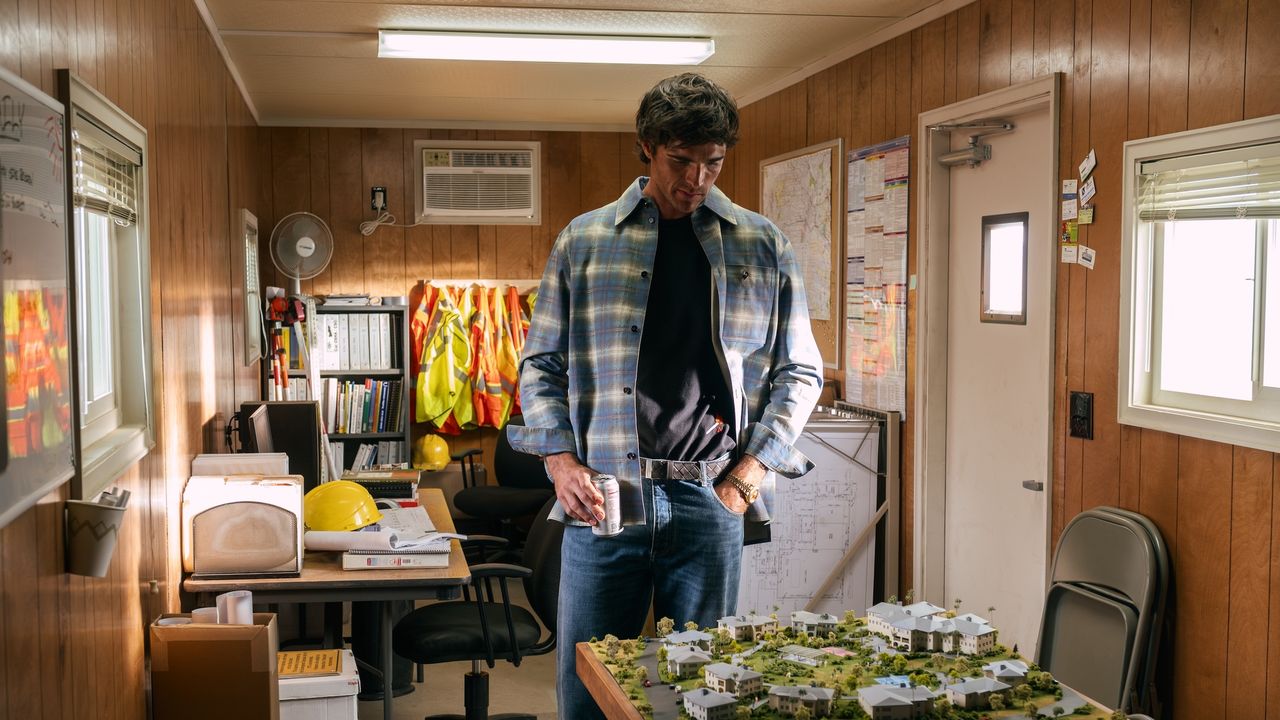
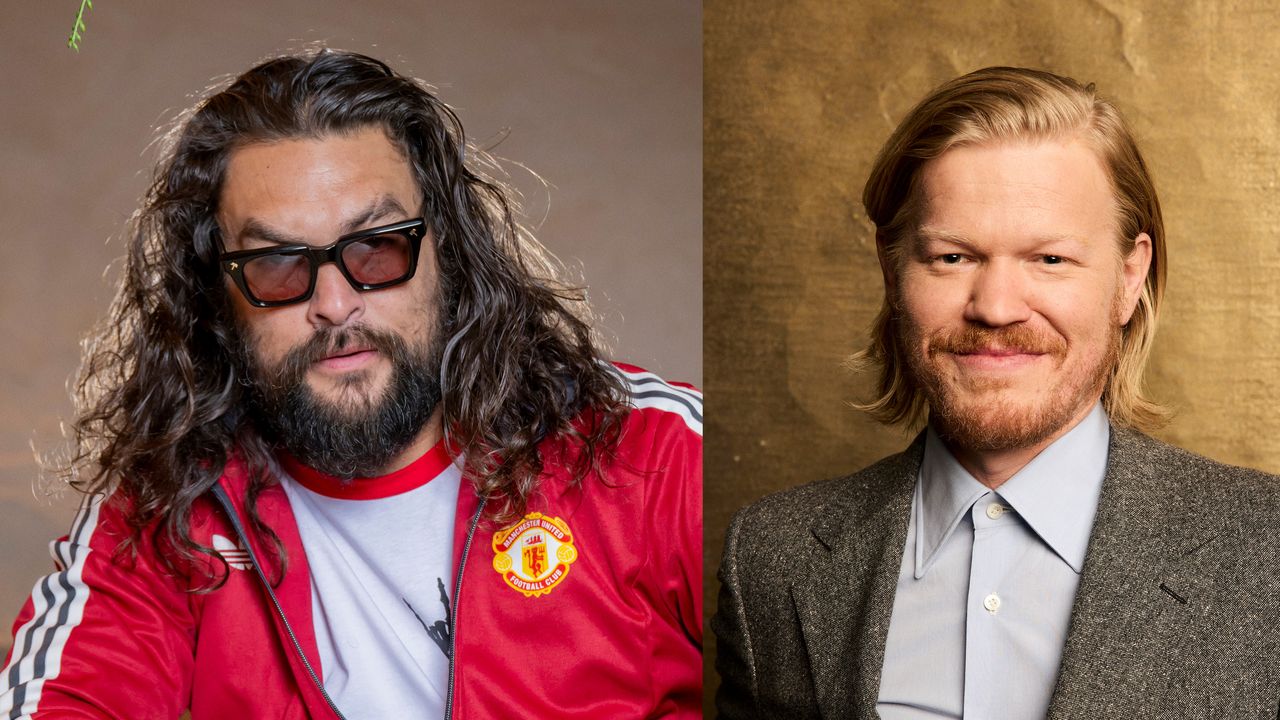
Before Paul Anthony Kelly debuted as John F. Kennedy Jr. in Love Story, photos of the former model filming a topless scene in Central Park surfaced online. The actor was the spitting image of the former president’s son down to his iconic hairy chest, and thirsty onlookers loved the au naturel look. One person commented on Kelly’s topless photo on X with just two words: “I’m sold.” Another with an all-caps plea: “PLSSS BRING BACK ACTORS WITH CHEST HAIR THIS FEELS LIKE A RENAISSANCE.”
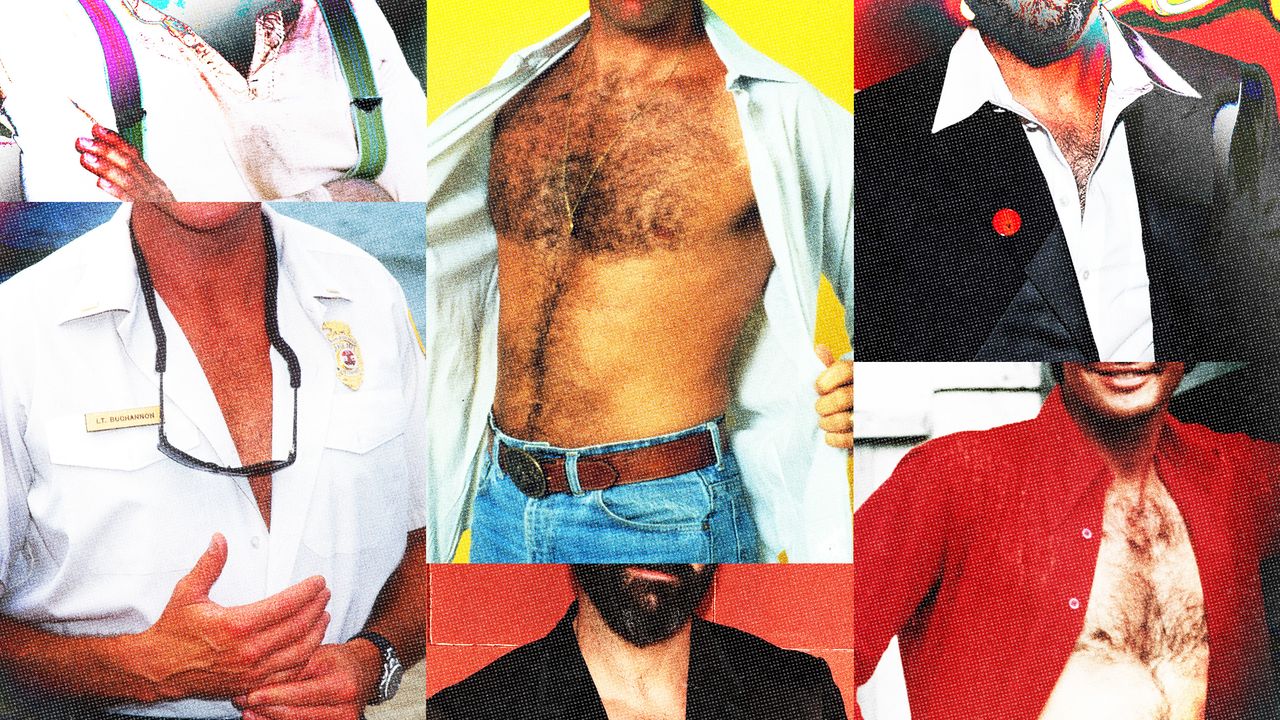
The reaction to Kelly’s follicly blessed chest is one of many recent data points indicating that it’s once again sexy to be hairy. Over the last few years, stylish men have traded their highly manicured appearances for something a little more lived-in. Weekly fade appointments have been replaced by low-maintenance boy bangs. Clean-shaven faces have grown mustaches of the skinny, bushy, or dirtbag varieties. Some brave men are even posting pubes on main. And now, thanks to a handful of notable happy-trail-blazers, chest hair is staging a comeback too.
In ads, movies, and photo shoots, chest hair has begun to peek out of the shirts of notable men. Last year, Jacquemus shot White Lotus star Jon Gries shirtless for a playful spring ad campaign, showing off an adventurous line of hair along his torso. In the survival horror comedy Send Help, Dylan O’Brien’s bristly chest hair runs amok underneath his unbuttoned shirt, offsetting his usual boyish charms. Just this month, Niall Horan flaunted his hairy chest through a tank top for a GQ photo shoot, asserting his One Direction days are far behind him.
“I’ve definitely noticed more clients recently embracing longer hair generally,” Kirk Riley, master barber and co-owner of New York City–based barbershop Otis and Finn. “We have seen quite a few people transition from tight haircuts and fades to longer shag cuts or cuts with a lot of flow, along with mustaches. As part of that trend, I think we are seeing more natural-looking chest and body hair as part of that trend.”
Society’s embrace of chest hair has ebbed and flowed for decades, but it’s always been tied to Western ideals of masculinity. In a 1970 study published in Psychological Reports, psychologists Samuel Roll and J.S. Verinis argued that body hair was assertion of masculinity, while hair removal was reserved for women. “Hairiness on the arms, and to some degree, on the chest of a man suggest a greater virility, a greater degree of masculinity and strength than is attributed to a similar person who is not as hirsute,” they write. “He is considered more potent, more powerful, than his hairless counterpart, and more active, too.”
In the ’80s, leading men like Tom Selleck and Burt Reynolds, with their hairy, burly chests and strong facial hair channeled that rogue energy through their onscreen characters, and inspired a generation of copycats. A decade later, however, Houston Street Calvin Klein billboards displayed male models with waxed upper bodies to highlight the briefs they were wearing, and signaled a shift to a more manicured male ideal. (It was that same decade that the term metrosexual was coined.) Hair removal soon became the norm for men who wanted to show off their body.
“Body hair removal facilitates display of both muscular size and definition, and both younger gay and straight men have been found to want less body hair and more muscularity,” the psychologists Gareth Terry and Virginia Braun observed in a 2016 peer-reviewed article for Body Image, a scientific journal about human physical appearance. “It seems that among younger men in particular, ‘improving’ the body in such ways can gain them masculine capital, and body hair removal is generally a fast, low cost way of making such improvements.”