Recent graduate Shizza Majeed asks “who is British?”
But in all honesty, this shift in my photography has only happened quite recently. For a long time, I actively resisted it because, quite simply, I feared becoming a photographer who would be defined solely by the colour of my skin. Like much of the brown representation I had seen in the media, I was worried I’d be boxed into exploring the same topics over and over again. I would often dance around ideas of heritage, but never fully commit to them, and that fear did more damage than good. The more I tried to avoid those topics in my work, the more creatively blocked and uninspired I felt. Whilst writing my dissertation at university, I spent a lot of time exploring photography’s roots in British Colonial India. Engaging with this history helped me confront and let go of that resistance I had around exploring my own heritage. It transformed my practice, making it much more intuitive and honest and gave me the space to reflect on my own identity both in my work and as an artist.
Right now, those themes feel important and necessary for me to explore; not only because they’re cathartic, but also because I’m creating the kind of imagery I wish I had seen when I was younger. I still see myself at the start of my career. My heritage is something I’ll probably always carry with me within my work, but I expect the way it appears will shift over time as I grow.
BJP: Tell us about your shortlisted Portrait of Britain image – what is the story behind the photo and what makes it special?
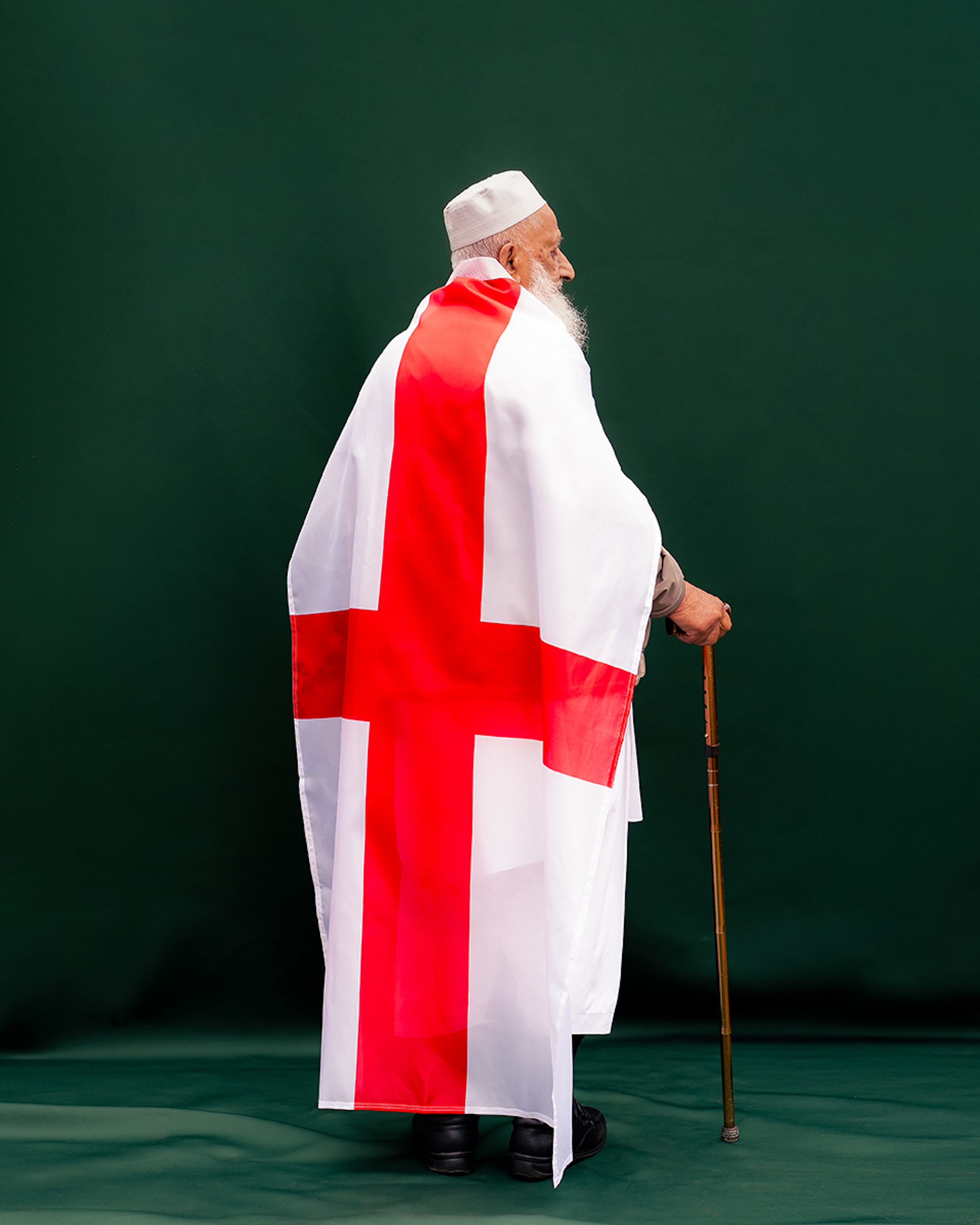
My shortlisted image for Portrait of Britain comes from my series Babaji’s Britain, which I created during the final year of my Photography degree. In this series, I collaborated with my grandfather, who migrated to Britain from Pakistan in the early 60s, to create portraits exploring how over half a century of life in Britain has shaped his sense of self and what his identity looks like today. This work playfully pokes fun at both British and Pakistani culture, using stereotypes to visualise how he has held onto his cultural roots while embracing aspects of British life.
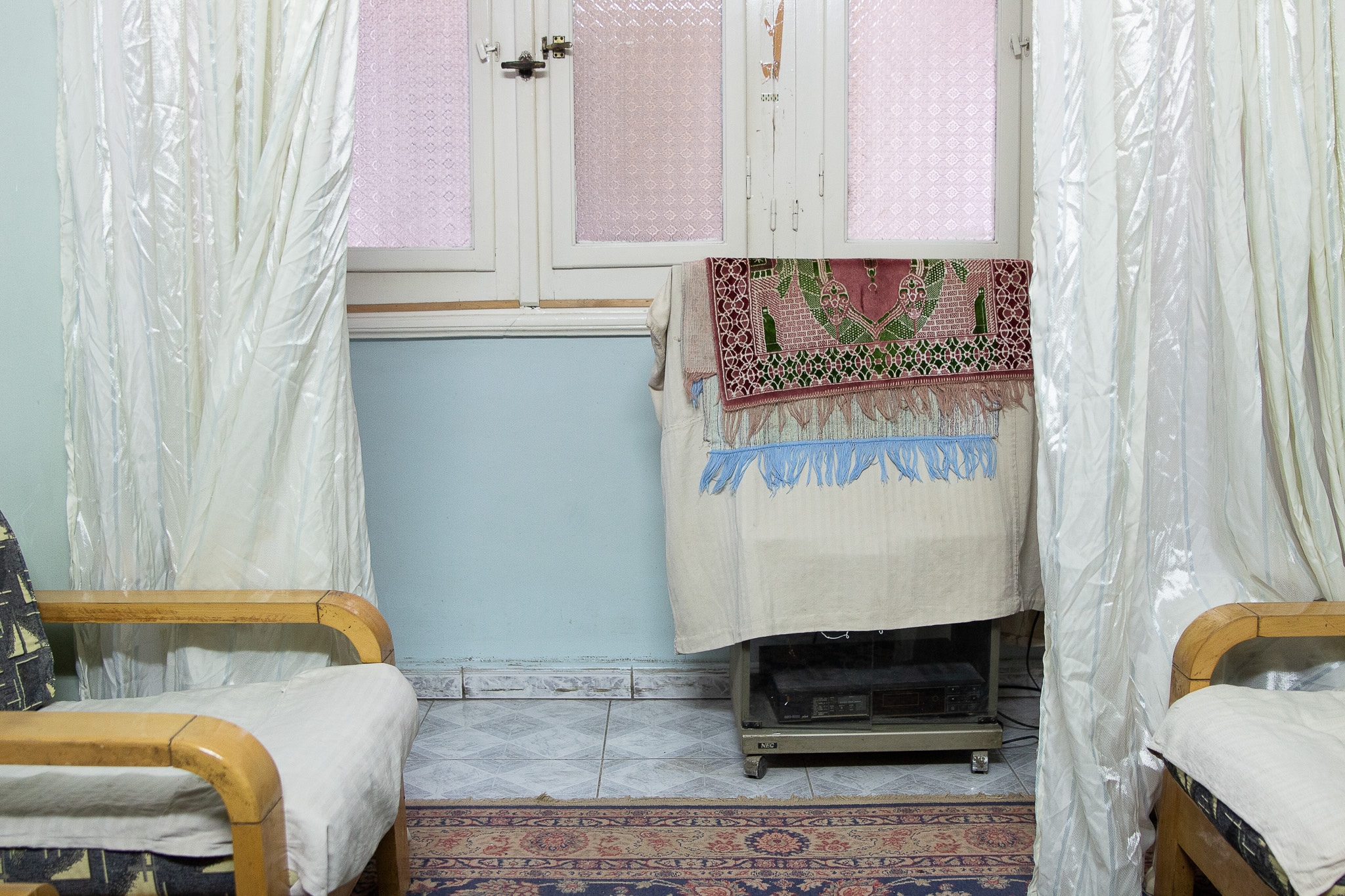
The series consists of eight portraits, taken against a green backdrop, a subtle nod to the Pakistani flag. Each image features contrasting elements from both cultures that form a visual dialogue between his past and his presence, showing the inevitable changes and complexities of identity that can happen as a result of migration. Some of the photos and the stories they tell are more obvious, while others require you to look a little closer!