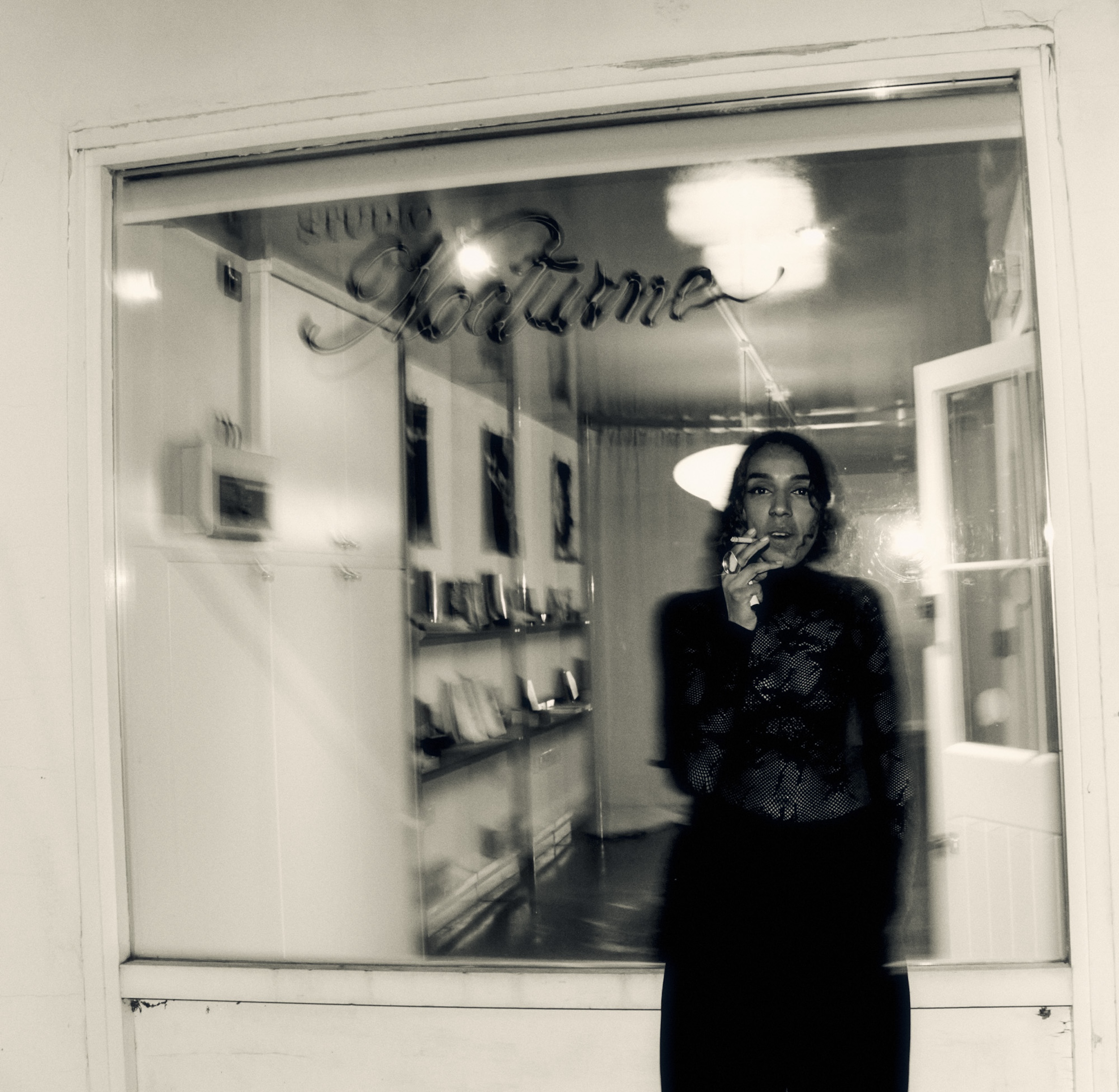
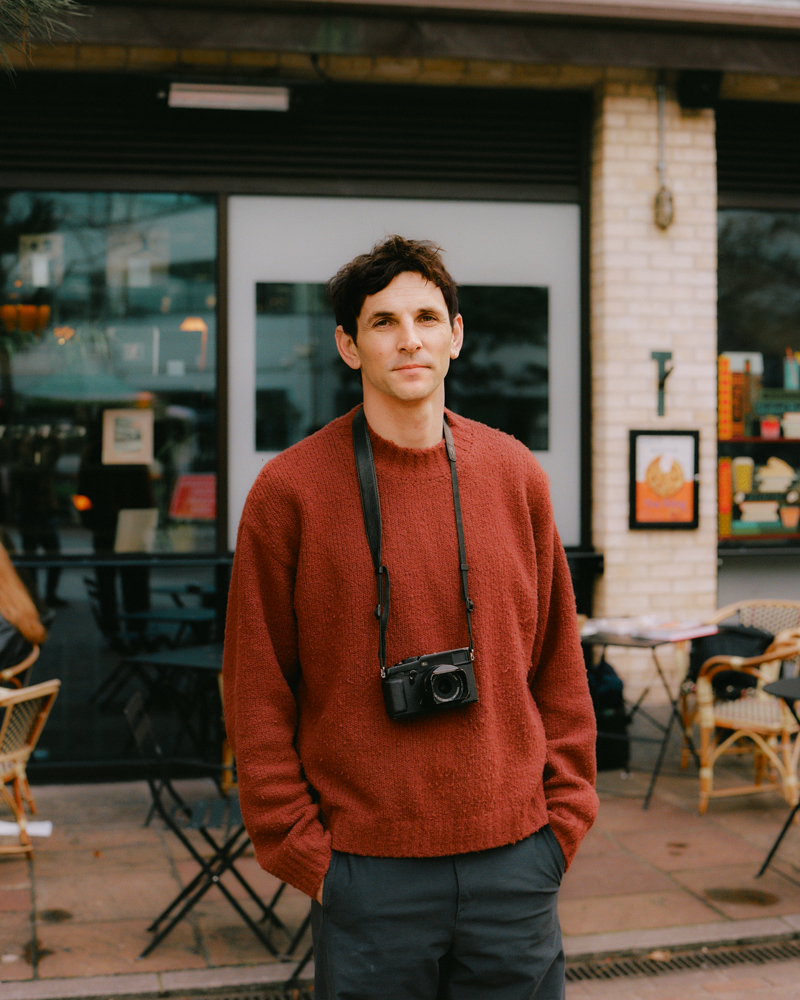
After moving to Paris, she worked as a set assistant in a fashion studio before assisting photographers and eventually attending art school. A short trip to London turned into a permanent relocation – “I was supposed to stay for two weeks… and I actually never left” – marking the beginning of a career, beginning at Weber Gallery, that would move fluidly between image-making, creative direction and publishing.
Her time at Claire de Rouen and later at the Alaïa Bookstore proved formative. At Claire de Rouen, she was deeply involved in shaping the shop’s identity; curating, organising events, and sourcing titles. At Alaïa, she was given remarkable autonomy. “They didn’t check on anything before the opening,” she recalls. “I did the entire curation… around 1,200 volumes.” The experience, she says, gave her the confidence to strike out independently: “I was like, okay, if I did that, I can certainly do Nocturne.”
Yet Studio Nocturne is not simply an extension of those projects – it is a distillation of Gau’s own sensibility. “It’s very personal,” she says. “We all have different lexicons in doing that.” While comparisons to other independent bookspaces in London are inevitable, Gau resists the idea of competition. “No one can be me, and I can’t be them.” Nocturne’s inimitability is evident in the way that Gau’s personality shines through the book curation: vintage books on witchcraft, African voodoo printed material, and a beautiful edition of Langston Hughes poetry fronted by archival image of the writer in his native Harlem, New York.
Alongside its publishing focus, Studio Nocturne also functions as an exhibition space, particularly for photography and visual work. Currently, a collection of unique prints by Peter Tomka is on view and for sale, offering visitors a chance to engage directly with the artist’s practice. Tomka, whose first monograph was published by TBW Books, works across photography and conceptual imagery, creating pieces that blend intimacy with careful materiality. “Fashion has always been fed by art references,” Gau notes, “and books and images are part of that language.” At Nocturne, those references come to life, allowing visitors to experience photography in dialogue with the curated book collection.
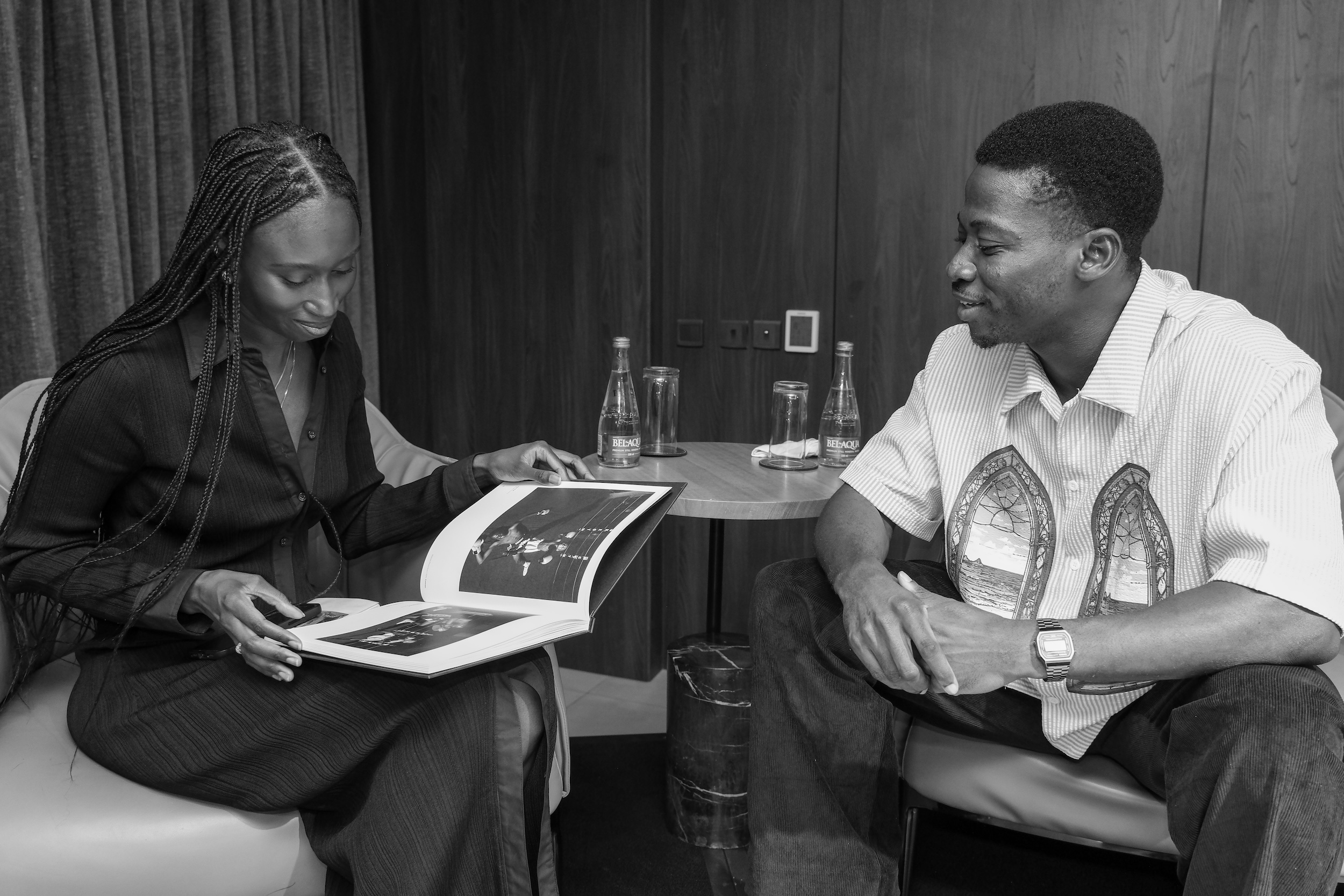
The space also hosts events that bring artists and audiences together. Last week, it held a photobook signing for Camille Bibault Waddington’s The Office, published by Empire Books, creating an opportunity for visitors to connect with the artist directly. Looking ahead, April will see an exhibition of photographic and video work by Adémidé Udoma. For Gau, these initiatives are integral to the space’s mission: “What I wanted was for people to meet, to share inspirations,” she says. Studio Nocturne thus positions itself as both a platform and a meeting point, where books, images, and ideas intersect in an intimate and highly curated environment.