
Remember me






The mere fact we live in a world where people need to know how to track sleep is a bit wild but that is the current state of play as according to NHS Scotland, a third of Brits frequently have trouble sleeping; that amounts to a hell of a lot of pacing floors and staring at the ceiling.
What might be helping us stay sane (and awake at work) is the smart devices 27 percent of UK adults are now using to track and improve our kip. According to The Times, there’s a stonking 20 million of us signed up to the algorithm, hoping not just to sleep, but to refine our rest, aiding cognition, recovery, and overall mood. With the sleep tracking market predicted to hit £270m by 2030 now’s the time to get in at the ground floor (unless, that is, you have bunkbeds).
But do these devices work, and can they really help you? We crunch the numbers.
What do sleep trackers actually do?
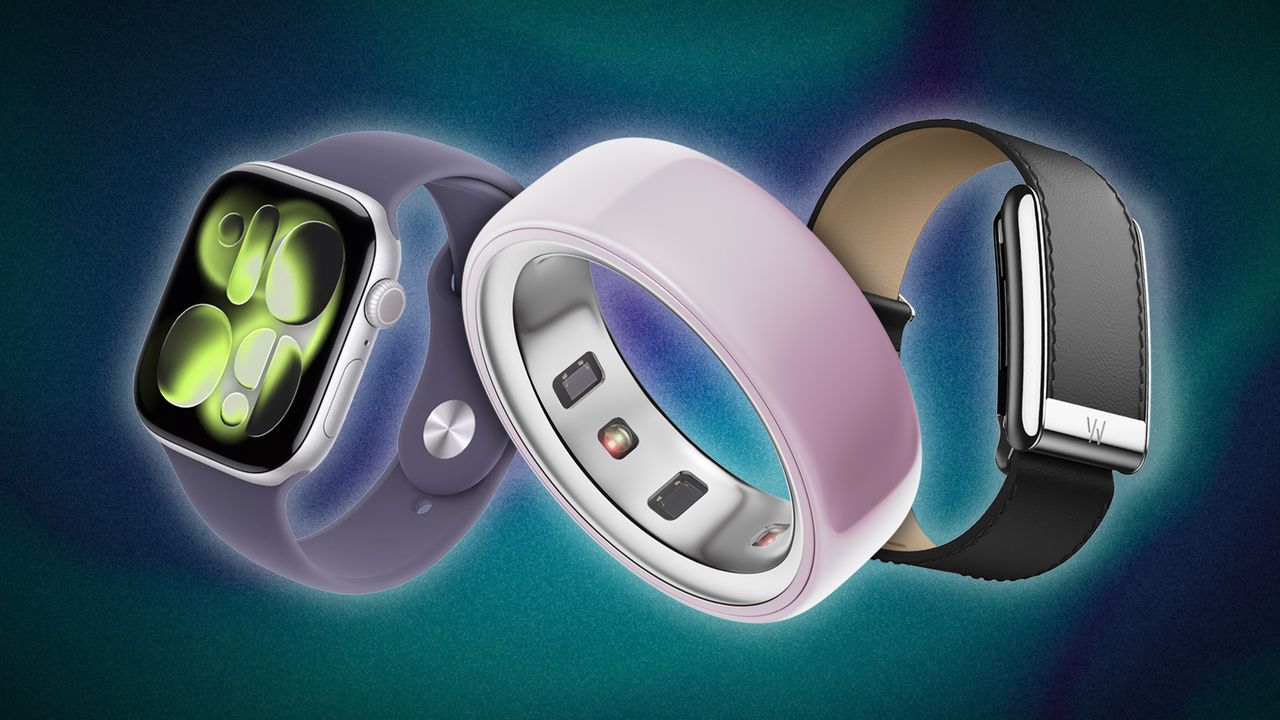
Dr. Maja Schaedel, sleep expert and co-founder of Tunbridge Wells’ The Good Sleep Clinic calls sleep “this frustrating black box.” It’s a good analogy. “You close your eyes, something happens, and you wake up either feeling human or not,” she says. For a long time, why you felt groggy or great in the morning was largely down to guesswork. Schaedel says that what wearable tech like the WHOOP 5.0 or the Fitbit have done is to hand us not only data, but “a narrative for that experience.”
If you aren’t au fait with the world of sleep tracking, what you should know is that these wearable devices and apps calculate a ‘sleep score’ a single numerical rating, typically ranging from 0 to 100, that summarises your sleep quality from the previous night. They do this using data collected from built-in sensors that monitor movement, heart rate, breathing patterns, and other physiological markers.
Specifically, sleep trackers usually measure: Heart rate variability (HRV) i.e. the variation in time between heartbeats which serves as an indicator of nervous system balance and recovery; breathing rate and patterns which detect any irregularities; blood oxygen levels which indicate how well your body is oxygenating during sleep; and data on body temperature fluctuations, disruptions to which can hinder sleep quality.
Why is it beneficial to know how to track sleep
Your sleep score attempts to distil complex sleep data into one easy-to-understand metric, but there are a few more terms to understand: sleep duration measures total time asleep; sleep latency tracks how long it takes to fall asleep; sleep efficiency calculates the percentage of time spent actually sleeping versus lying awake in bed; and information on your sleep stages break down your night into light sleep, deep sleep, and REM sleep, each serving different restorative functions.
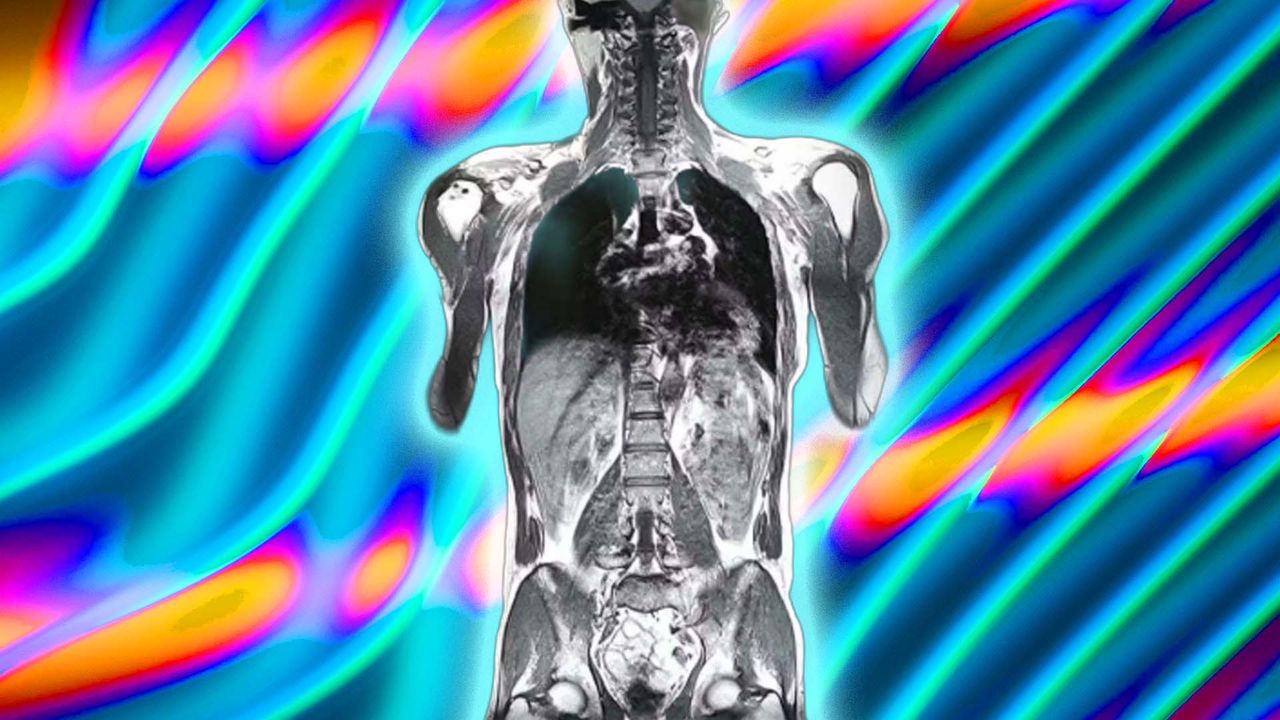
For Schaedel, having all of this data to hand can serve as an “early warning system” indicating possible sleep disorders like obstructive sleep apnoea (in which breathing starts and stops during sleep) and restless leg syndrome. “App data can also bring our attention to unhealthy and unhelpful lifestyle habits,” she says. “There's something powerful about seeing that the two glasses of wine on Thursday directly fragmented your sleep.”
Knowing how you tend to sleep can also help you understand your chronotype, that is your genetic tendency to waking up and feeling energised at a specific time. “Not everyone is wired for 6am productivity,” says Schaedel. “Tracking sleep can help people to understand their natural circadian rhythm — when their alertness genuinely peaks — which can be really helpful.”
Which device works best?
For Schaedel, recommending a sleep tracker comes down to her patients’ specific lifestyle and temperament. Like most things in life, there is no one size fits all. And, if a specific tracker isn’t gelling, always go with your instincts over the numbers. “My clinical rule of thumb remains: if your body and your tracker disagree, trust your body,” Schaedel advises.

Comments (0)