
Remember me
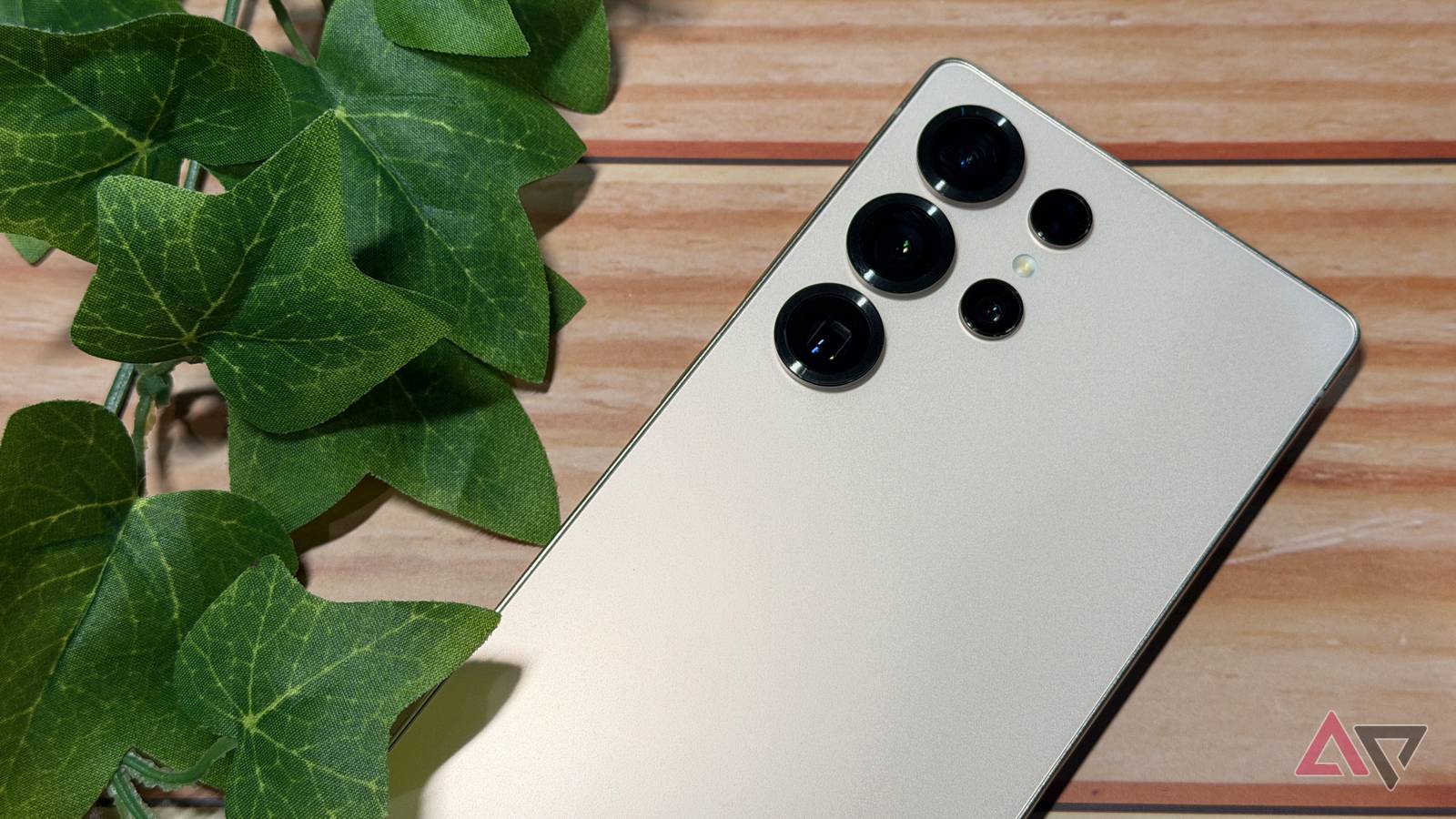

There's something about screenless fitness trackers that makes me like them more than traditional smartwatches.
They're distraction-free, there's one less screen you have to look at constantly, and they usually offer much better battery life.
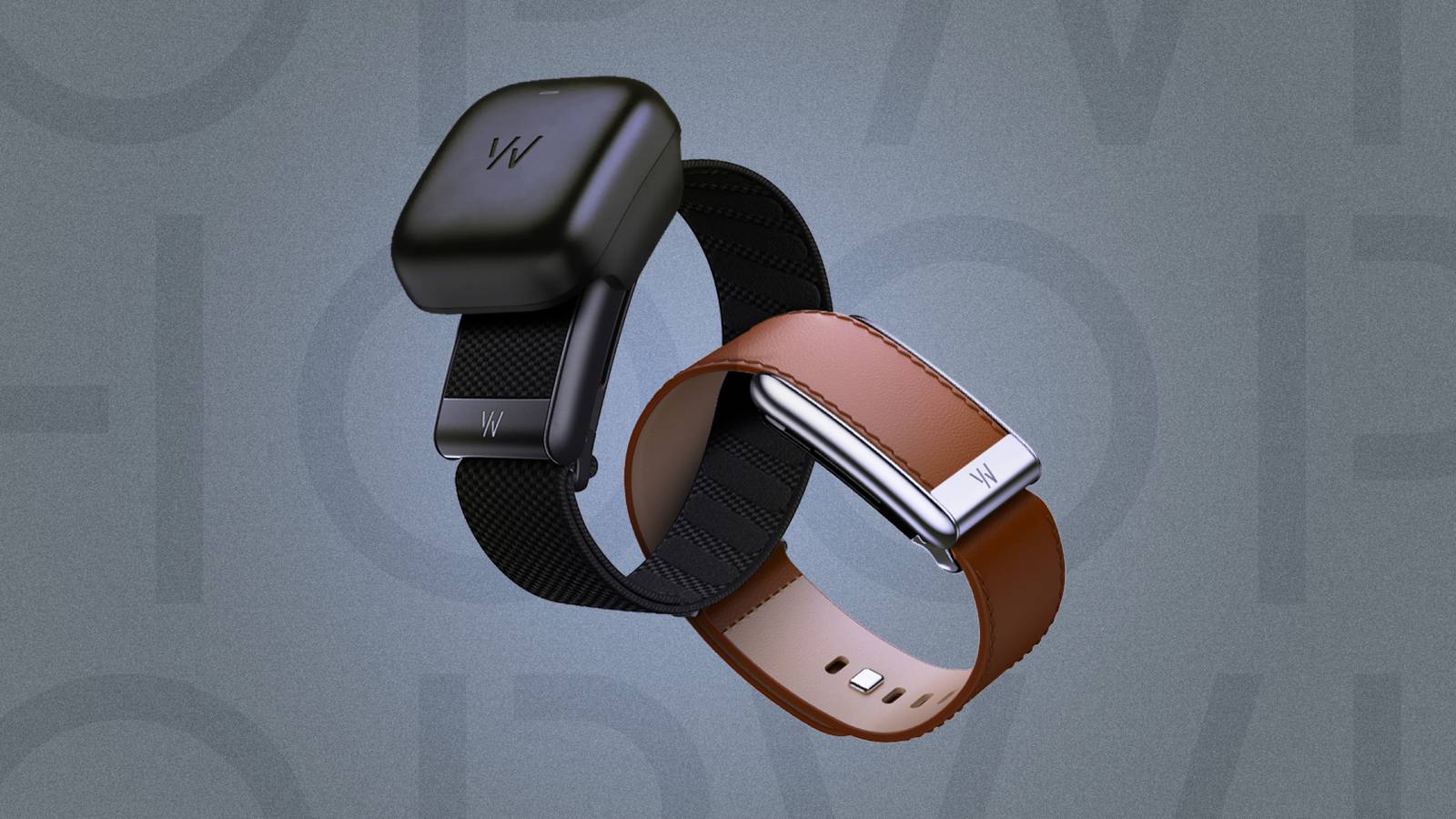
I've been a big fan of Whoop for the past few years and even upgraded to the company's top-end Whoop MG last year.
So when I heard that Google, or rather Fitbit, was stepping into this space, I was immediately intrigued.
Steph Curry was recently spotted teasing Google's screenless Fitbit tracker on Instagram, and while Whoop doesn't get everything right, there are definitely a few lessons Google can take from it.
Here are a few things I'd love to see from Google's screenless Fitbit tracker.
 Related
A design that stays out of your way
Comfortable enough to wear all day and night
Related
A design that stays out of your way
Comfortable enough to wear all day and night

Compared to most Wear OS smartwatches, I've always liked Google's Pixel Watch design because it just gets the basics right. It's clean, minimal, and doesn't try too hard to stand out, yet still feels distinct.
That's exactly the approach I want Google to take with its screenless fitness tracker.
These trackers are meant to stay on your wrist for days, even weeks, so the design needs to blend in with everything you wear. It shouldn't feel bulky or out of place.
This is something Whoop already does really well, and I'd like Google to follow a similar approach.
Sure, I'd still like to see some fun color options, but more importantly, I'd want Google to focus on comfortable materials that you can wear all day.
Gemini-powered health tracking and coaching Smarter insights that actually feel useful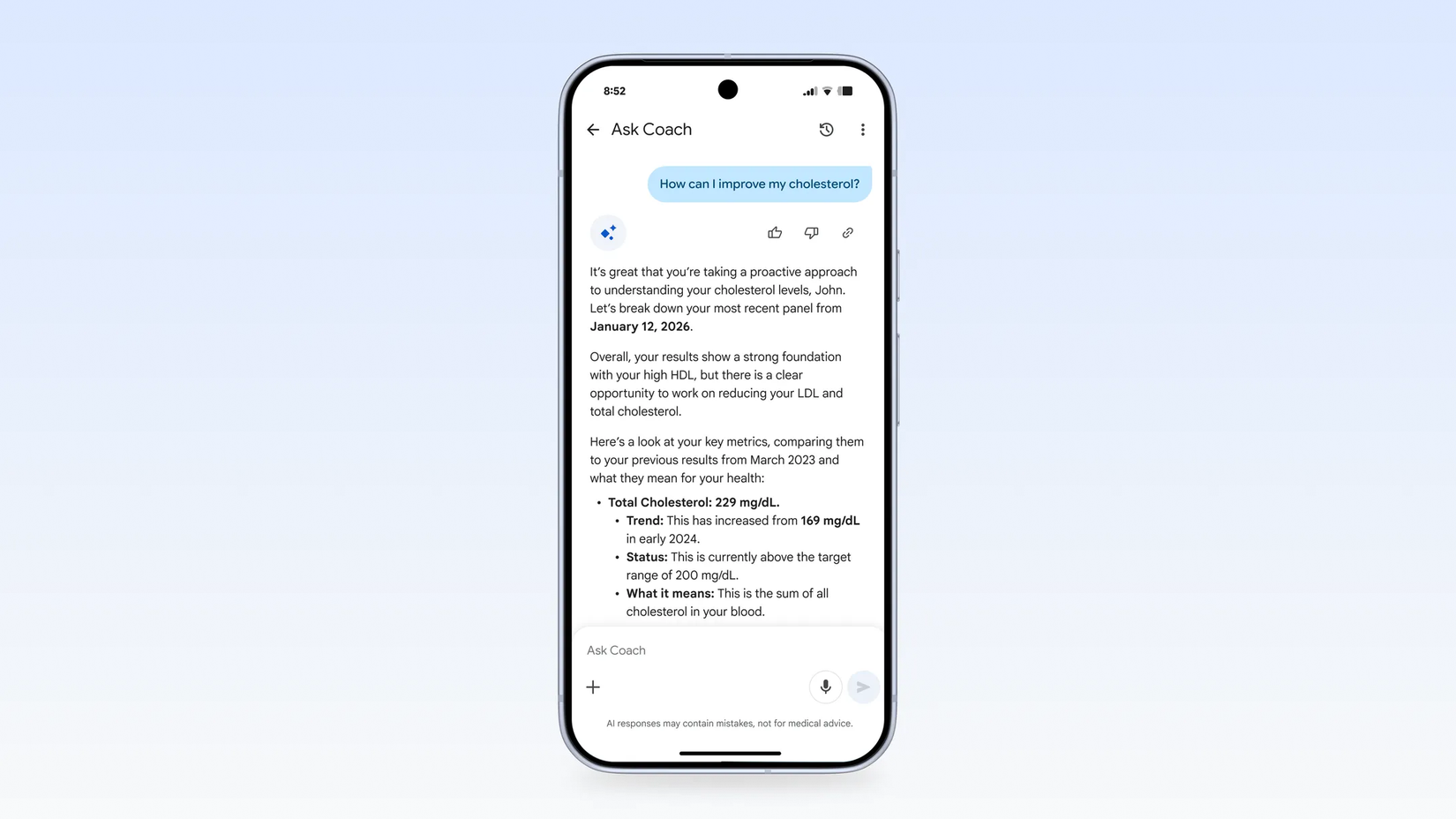 Credit: Google
If there's one area where Google's screenless tracker should stand out, it's health insights powered by Gemini.
Fitbit's personal health coach is already a solid start, but pairing that with a screenless tracker that collects data 24/7 could take things to a whole new level. You're essentially getting continuous, real-time data without the interruptions that come with a smartwatch.
Since these trackers are designed to be worn all the time, they'll naturally capture more consistent data, which means better context.
Google already has a clear edge here in terms of data and AI capabilities, and I think it should lean into that.
Instead of just showing steps, sleep, or recovery scores, Gemini should actually explain what's going on with your body. It should connect patterns over time and give you clear, actionable suggestions, and I'm expecting big things from Google on this end.
Battery life that lasts weeks at a time (plus an easy charging mechanism) No need to worry about charging daily
This is pretty much the baseline for a screenless tracker.
Whoop's latest devices easily deliver close to two weeks of battery life, and I'm expecting Google to be in the same ballpark.
Without a display and a power-hungry processor constantly running, there's no reason this shouldn't last significantly longer than a smartwatch.
I'm also hoping that Google keeps the charging simple. The Pixel Watch lineup hasn't always nailed this, and I'd rather not see another change just for the sake of it.
A seamless solution like Whoop's, where you can charge it without taking it off, would make a lot of sense here.
A haptic-based notification and alarm system that feels subtle Smart vibrations should replace the need for a screen without being annoying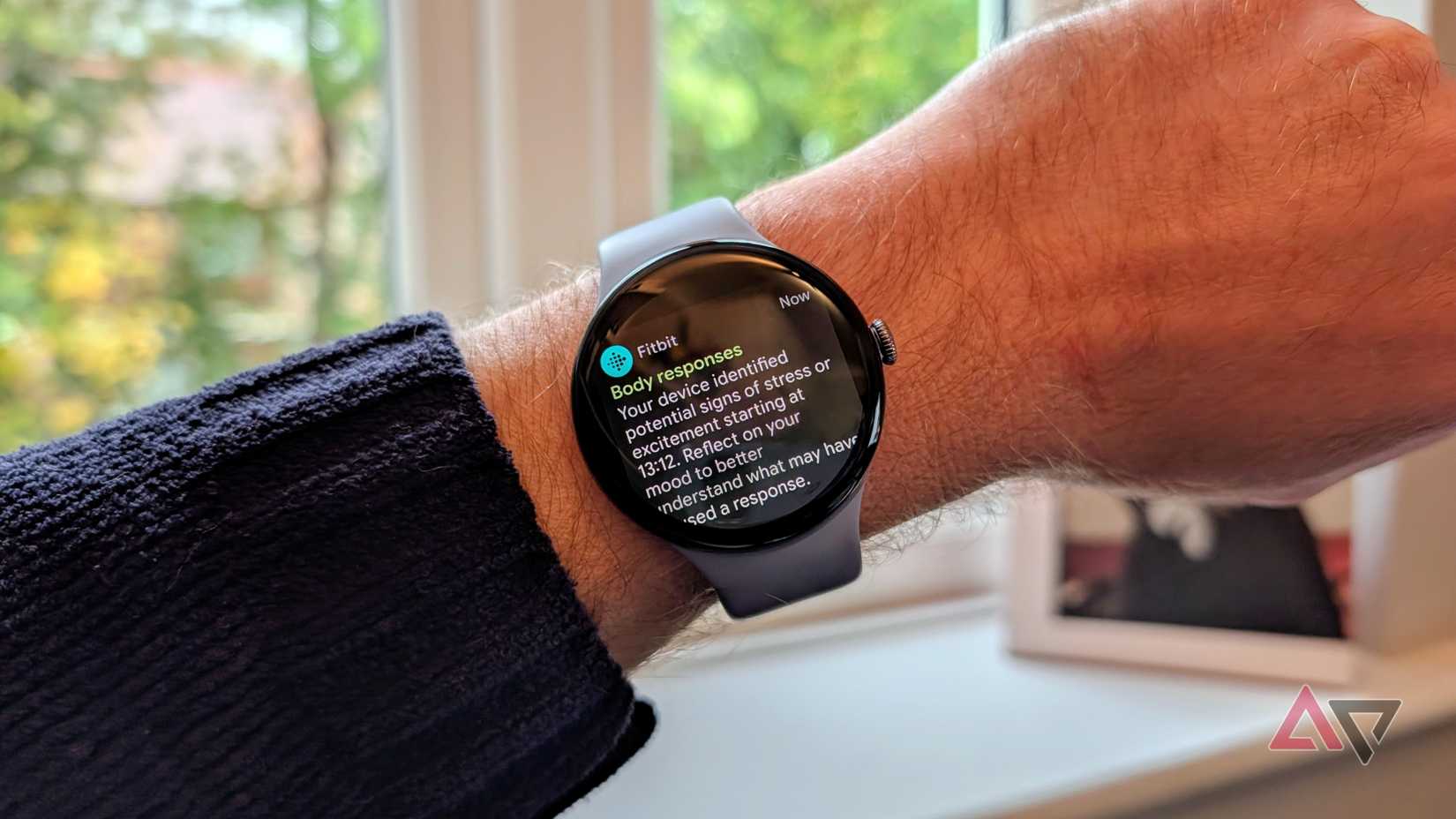
This is something Whoop doesn't fully explore, and it's an area where Google could instantly stand out.
Whoop includes a haptic motor, but it's mostly limited to alarms. There's a lot more potential here if Google decides to take it further.
For starters, a smart vibration-based alarm that wakes you up during light sleep, similar to Whoop, would be great. But beyond that, adding haptic notifications could make a big difference in daily use.
Things like stronger vibrations for calls or custom patterns for specific contacts, for Pixel VIPs, for example, could make the tracker more useful without needing a screen.
Sure, the whole idea of a screenless tracker is to stay distraction-free, but having the option to enable this when needed would be a nice balance.
A subscription model that works for users Flexible pricing that feels fair to everyone
Whoop has expanded its pricing into multiple tiers with different features and hardware, and while that works for some users, there's still no option for a monthly plan. You're locked into a yearly subscription, which isn't ideal for everyone.
For Google's screenless tracker, I expect a more flexible approach. Instead of relying entirely on a subscription, it should follow something closer to the Pixel Watch model, where core features are available for free and advanced insights sit behind Fitbit Premium.
At the same time, offering monthly plans would make a big difference. Not everyone wants to commit to a full year upfront, and this is where Google has a real opportunity to make the product more accessible.
 Related
This could be Google's Apple Watch moment
Related
This could be Google's Apple Watch moment
I believe Google's move into this space ahead of Apple and Samsung, with Whoop as its only real rival right now, gives it a solid opportunity to establish an early lead.
This is a category that could grow a lot over time, and it will largely come down to the quality of insights these devices can deliver.
With Gemini powering the experience, Google already has an edge, and I genuinely think this could be its shot at achieving Apple Watch-level success in a different form factor.
Add someone like Steph Curry backing it, and there's real potential here, though there are still a few things to consider before fully committing to Fitbit's health coach ecosystem.
Comments (0)