
Remember me

UNGROUNDING
The Architecture of Genocide
By Eyal Weizman
416 pages, Penguin Random House, $38.00
Architecture, in one literal sense, is the building of homes to live in. Within this task, it actually builds a human settlement with values embedded in its norms of mutual habitation. Doing this, it builds on the codes of ethics that bind the people who inhabit the settlement.
Forensic Architecture is a term coined and applied by its brilliant creator, Eyal Weizman. As quoted, it is a multidisciplinary research agency that investigates state violence, human rights violations, and environmental destruction using architectural techniques, spatial analysis, and digital modeling.
Weizman’s pioneering work is illustrated in his book Ungrounding: The Architecture of Genocide. The book embarks on a remarkable mission to transfer the typical image of architecture from stone and steel to a material expression of a good and healthy society.
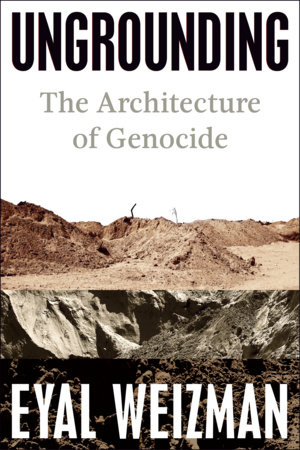
In its first page, Weizman clearly states that, “Architecture is politics slowing into form. An incident is architecture, erupting into politics.”
He treats the soil as a living organism, dictated by its contour, rainfall, and human habitation.
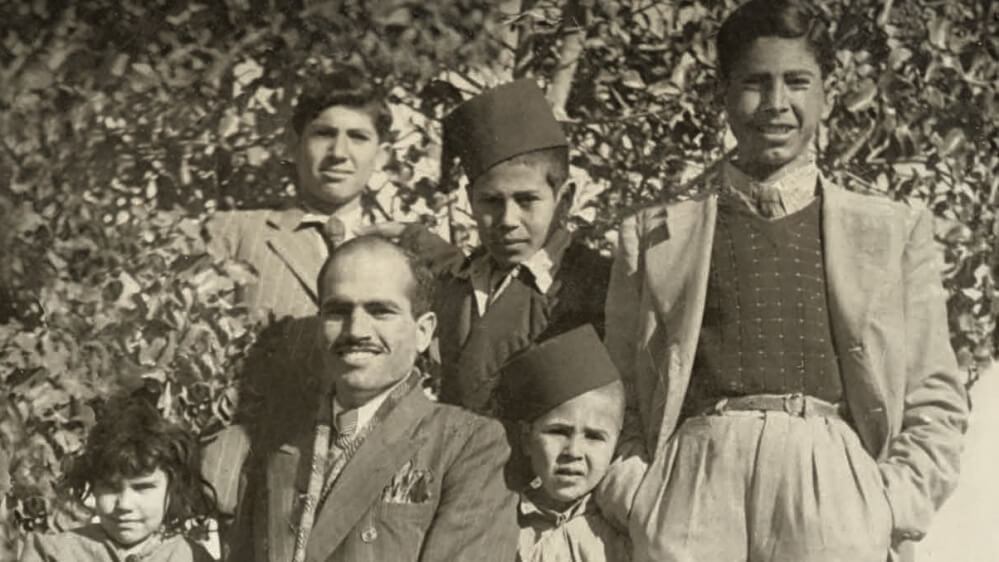
I was especially drawn to the book because of an ulterior motive. It had a detailed section on Al Ma’in, my birthplace. The book examines in detail the process that I long wanted to know since I was a child: how the settlers destroyed my home and built a kibbutz on my land.
On May 14, 1948, a Haganah force, the early military formation of the Jewish (later Israeli) settlers’ army, attacked my home in Al Ma’in. It killed anyone in sight, demolished our buildings, and burned our encampment.
On the day I became a refugee, David Ben-Gurion declared the Jewish settlers’ state in Palestine, named Israel.
I have been a refugee for over 28,000 days. Never does one day pass without reflecting on this day, how it happened, and how to erase its consequences.
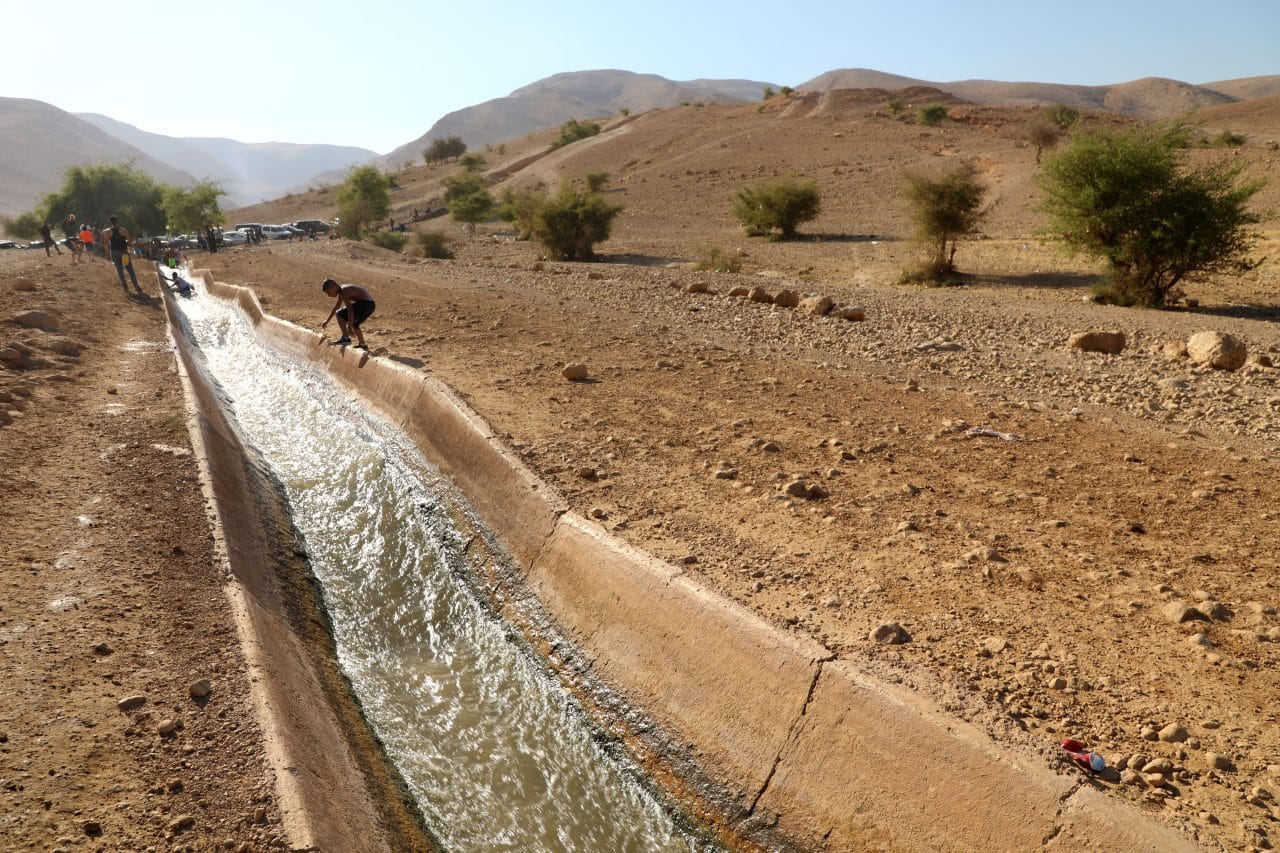
Ungrounding gave me a lot of material toward this end. The book described how the invaders came to kill and burn, how they selected sites to build huts on strategic locations, in proximity to water resources, which in time became four kibbutzim: Nirim, Nir Oz, Ein Hashlosha, and Magen.
The settlers demolished our structures, disassembled and removed the pumps and equipment at the flour mill my father built in the 1930s, and destroyed everything else. They also stole valuables, precious among them was my father’s sword.
Credit should be given to Uri Davis, who spent weeks finding the thief and recovering the sword. He did not find the sword but identified a number of people who attacked Al Ma’in.
I tried to find who the robbers were, who, in time, became settlers with some Western respectability. I found their names: the Ukrainian Meitiv, the German Boberman, and the South African Zipper, each with blood-stained hands.
Eyal’s book goes well beyond my rudimentary search. The book is a supreme example of accuracy and attention to detail. It could easily be evidence in a court case.
This work is imbued with sympathy for Palestinians, the victims of Zionist barbarism.
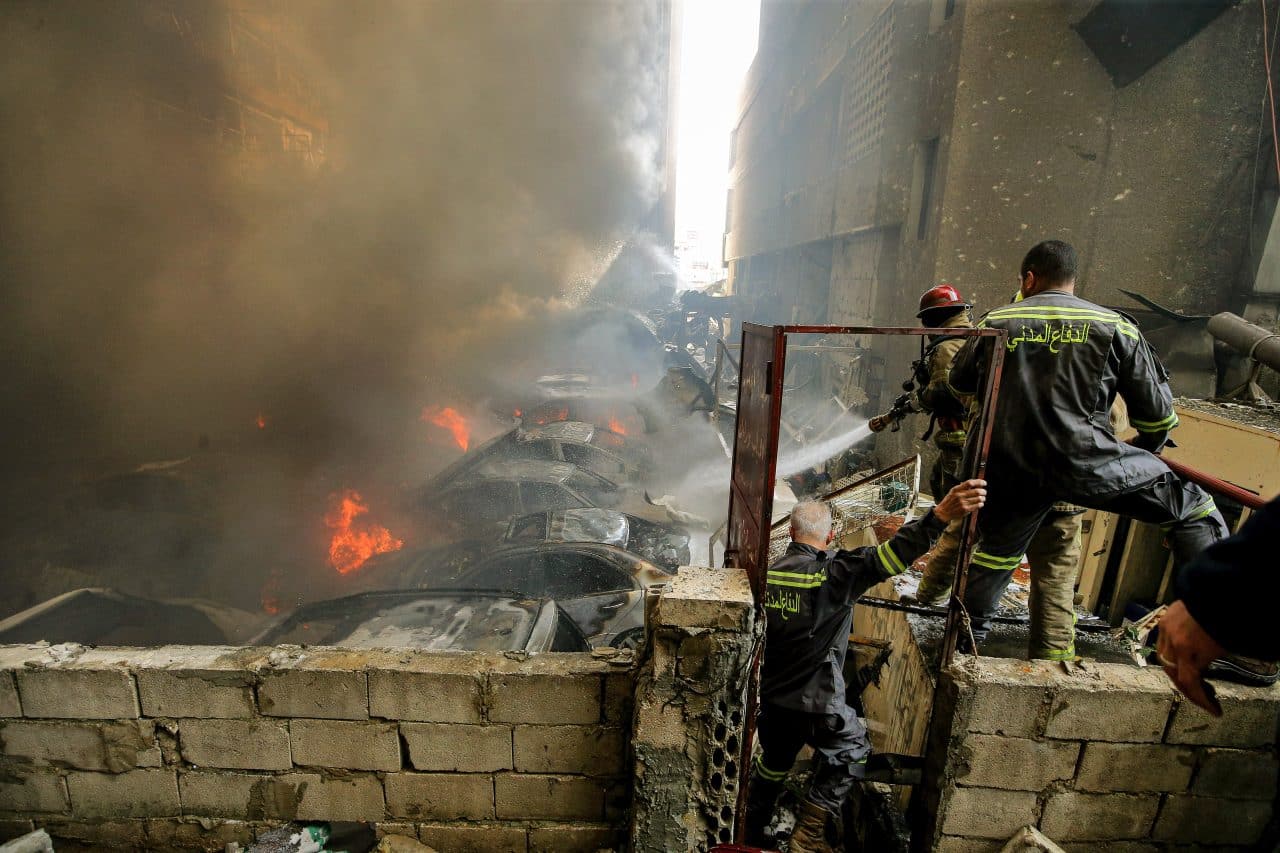
The book describes the Zionist acts of destruction, home burning, the mining of roads, the poisoning of wells, all the hallmarks of Zionism, then and now.
In this remarkable book, Weizman commands the mastery of architecture, the accuracy of a geographer, and the evidence of a historian.
Above all, he transcends the temptation of the lure of Jewish tribalism. His book escaped this often-sited tarnish.
It stands on its own, professional, accurate, informative, and humane.
It should be praised as such on each score.
Comments (0)