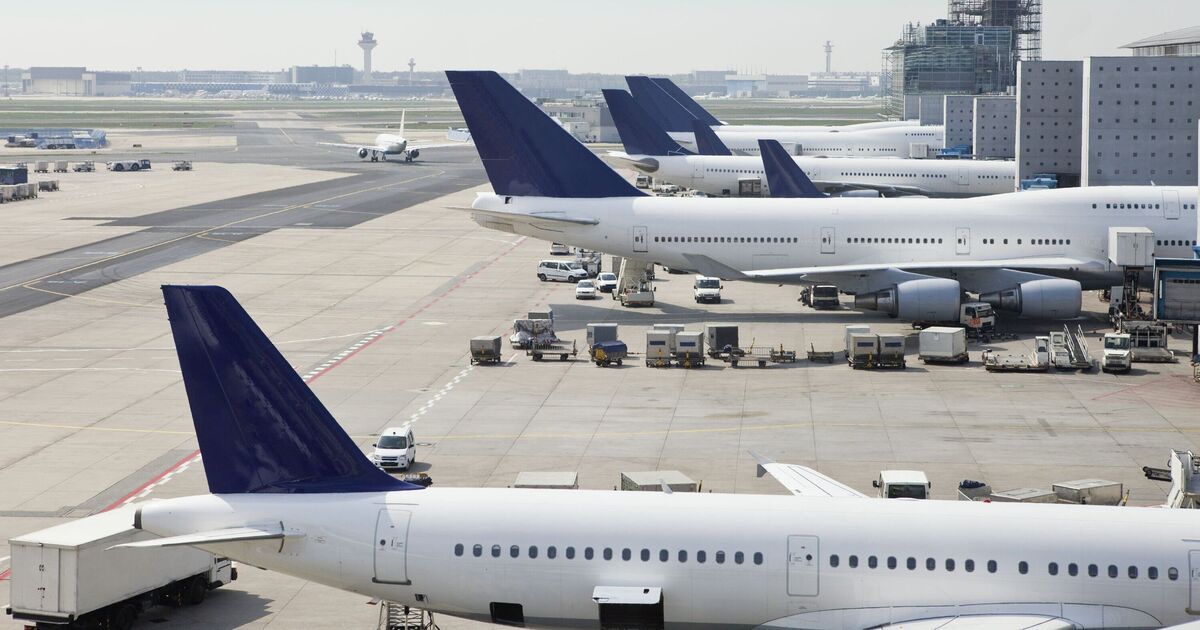
Eight major UK airports have axed a number of flights (Image: Getty)
The summer of chaos has seemingly begun as eight major UK airports in various cities across the country have axed a long list of flights as the jet fuel crisis looms. Concerns are growing over Europe’s jet fuel market as supplies risk dropping to critically low levels, raising fears about potential disruptions to travel during the peak summer season.
The price of jet fuel has risen dramatically on international markets since the start of the conflict in the Middle East and now airlines are grounding flights in a desperate bid to save cash. As a result an array of the UK’s biggest airports have scrapped bucket loads of flights. In total, 410 routes have been affected across the UK's major airports.
Heathrow has cancelled the most flights (Image: Getty)
Heathrow has cancelled the most flights with 846 cancelled, this amounts to 151,198 seats. Gatwick is next on the list with the London airport axing 218 flights, equating to 53,728 seats.
Birmingham rounds up the top three with 200 flights having been cut, equalling 21,880. In total airlines have axed 1,500 UK flights this May so far, according to the Mirror.
Of these, 1,468 flights came from the UK’s major airports, resulting in 275,616 seats being cut. The figure was calculated using the latest available data, comparing flight schedules from April 10 and April 21.
The real total is likely higher now, after the UK Government gave airlines greater powers to consolidate and cancel services.
Eight UK airport cancellations in May
Heathrow: 846 flights, 151,198 seatsGatwick: 218 flights, 53,728 seatsBirmingham: 200 flights, 21,880 seatsGlasgow: 86 flights, 35,016 seatsManchester: 60 flights, 8,760 seatsEdinburgh: 56 flights, 7,062 seatsNewcastle: 46 flights, 5,056 seatsStansted: 16 flights, 2,384 seatsHeathrow says it has 'more cancellations' because it’s the UK’s busiest airport (Image: Getty)
While the overall figure remains high, airlines have also added extra flights, significantly reducing the net cancellations. At Heathrow, the net number of cancellations is currently about 100.
A spokesperson for Heathrow said: "As the country’s busiest airport by far, we will always have a higher number of cancellations than other airports due to the sheer scale of operations at Heathrow. As a proportion, we’re in line with the sector. Important to note we’re still Europe’s most punctual hub airport, so passengers are continuing to get reliable journeys here.
"While some routes have been cancelled due to airspace closures in the region, many airlines have pivoted to alternative destinations or increased frequencies elsewhere, so we’re still broadly serving the same number of people."
A spokesperson for Manchester Airport said: "Airports aren't responsible for decisions to cancel flights and the things that lead to cancellations (weather, strikes, airline issues, ground handling issues) are out of airports' hands."
According to The Times, Goldman Sachs highlighted that the UK, as Europe's biggest net importer of jet fuel, has no strategic reserves and depends chiefly on commercial stockpiles as a cushion. Those levels, particularly in Britain, risk dropping perilously low, raising the prospect of rationing.
Any prolonged shortage would probably compel airlines to axe or merge flights while driving ticket costs upward. Fuel represents as much as a quarter of airline operating expenses. IAG, the parent company of British Airways, has already signalled it will increase fares to counter higher fuel costs, admitting it is "not immune" to continuing volatility despite hedging measures.