Employee retention is a critical challenge for businesses in today’s competitive job market. High turnover not only drives up recruitment and training costs but also disrupts team productivity, morale, and overall business performance. Recent employee retention statistics reveal that global turnover rates range from 10–15%, with industries like retail, healthcare, and hospitality seeing even higher numbers. Replacing an employee can cost as much as 200% of their annual salary, making it essentia... moreEmployee retention is a critical challenge for businesses in today’s competitive job market. High turnover not only drives up recruitment and training costs but also disrupts team productivity, morale, and overall business performance. Recent employee retention statistics reveal that global turnover rates range from 10–15%, with industries like retail, healthcare, and hospitality seeing even higher numbers. Replacing an employee can cost as much as 200% of their annual salary, making it essential for organizations to invest in effective retention strategies.
Several key factors influence whether employees remain loyal to their employer. Competitive compensation and comprehensive benefits remain top priorities, with 79% of employees reporting that benefits strongly affect their decision to stay. Leadership quality is another major driver, with 60% of employees stating that supportive managers are a critical factor in their commitment. Opportunities for career growth, mentorship programs, and professional development initiatives also contribute to retention, as 41% of employees are more likely to stay when advancement paths are available.
Flexible work arrangements, including remote and hybrid options, have become increasingly important. Approximately 70% of employees say flexibility and work-life balance significantly influence their long-term loyalty. A positive company culture, regular recognition, and engagement initiatives further strengthen employee commitment and reduce turnover.
Investing in retention strategies goes beyond cost savings. Long-term employees bring experience, institutional knowledge, and stronger client relationships while fostering a positive workplace culture. Companies that focus on engagement, culture, and development also enhance their employer brand, making it easier to attract and retain top talent.
Employee wellness is no longer just an added perk—it’s a critical factor in workplace success. With increasing workloads, tight deadlines, and remote work challenges, employees are more prone to stress and burnout than ever. Organizations that invest in wellness programs—ranging from mental health support to fitness initiatives and flexible schedules—often see improved productivity, higher engagement, and stronger team collaboration... moreEmployee Wellness Statistics: Why Workplace Well-Being Matters
Employee wellness is no longer just an added perk—it’s a critical factor in workplace success. With increasing workloads, tight deadlines, and remote work challenges, employees are more prone to stress and burnout than ever. Organizations that invest in wellness programs—ranging from mental health support to fitness initiatives and flexible schedules—often see improved productivity, higher engagement, and stronger team collaboration.
Employee Wellness Statistics reveal that companies prioritizing well-being experience reduced absenteeism, better employee retention, and a more positive workplace culture. Employees who feel supported are more motivated, focused, and committed to their roles, which directly impacts organizational performance.
Digital wellness solutions like virtual fitness sessions, online counseling, and mindfulness apps make these programs accessible to remote and hybrid teams, ensuring continuous support regardless of location.
Social media has become a natural part of today’s workplace environment. According to recent social media at workplace statistics, a large number of employees access social platforms during work hours for communication, networking, and staying updated with industry trends. While some employers express concerns about reduced focus and productivity, many businesses also benefit from stronger branding, faster collaboration, and improved hiring reach. To maint... more📊 Social Media at Workplace Statistics
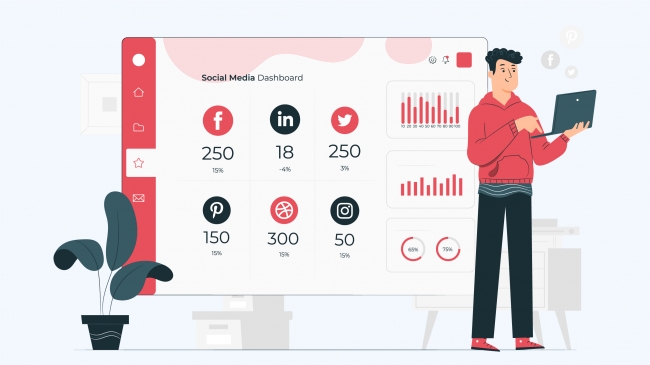
Social media has become a natural part of today’s workplace environment. According to recent social media at workplace statistics, a large number of employees access social platforms during work hours for communication, networking, and staying updated with industry trends. While some employers express concerns about reduced focus and productivity, many businesses also benefit from stronger branding, faster collaboration, and improved hiring reach. To maintain balance, more organizations are introducing clear social media guidelines. When used with purpose and boundaries, social media can enhance workplace engagement rather than disrupt it.
🔗 Read more insights: https://market.biz/social-media-at-workplace-statistics/
Posted by taalinc on April 27 2026 at 06:06 PM
public
Planning a wedding today goes far beyond décor and traditional rituals. Couples now seek experiences that create emotional connections and lasting memories. A wedding drum circle perfectly blends...