Employee retention is a critical challenge for businesses in today’s competitive job market. High turnover not only drives up recruitment and training costs but also disrupts team productivity, morale, and overall business performance. Recent employee retention statistics reveal that global turnover rates range from 10–15%, with industries like retail, healthcare, and hospitality seeing even higher numbers. Replacing an employee can cost as much as 200% of their annual salary, making it essentia... moreEmployee retention is a critical challenge for businesses in today’s competitive job market. High turnover not only drives up recruitment and training costs but also disrupts team productivity, morale, and overall business performance. Recent employee retention statistics reveal that global turnover rates range from 10–15%, with industries like retail, healthcare, and hospitality seeing even higher numbers. Replacing an employee can cost as much as 200% of their annual salary, making it essential for organizations to invest in effective retention strategies.
Several key factors influence whether employees remain loyal to their employer. Competitive compensation and comprehensive benefits remain top priorities, with 79% of employees reporting that benefits strongly affect their decision to stay. Leadership quality is another major driver, with 60% of employees stating that supportive managers are a critical factor in their commitment. Opportunities for career growth, mentorship programs, and professional development initiatives also contribute to retention, as 41% of employees are more likely to stay when advancement paths are available.
Flexible work arrangements, including remote and hybrid options, have become increasingly important. Approximately 70% of employees say flexibility and work-life balance significantly influence their long-term loyalty. A positive company culture, regular recognition, and engagement initiatives further strengthen employee commitment and reduce turnover.
Investing in retention strategies goes beyond cost savings. Long-term employees bring experience, institutional knowledge, and stronger client relationships while fostering a positive workplace culture. Companies that focus on engagement, culture, and development also enhance their employer brand, making it easier to attract and retain top talent.
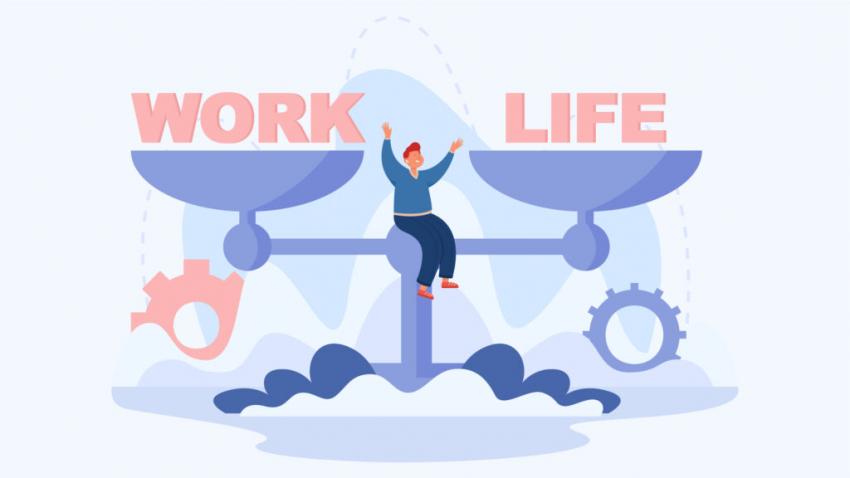
In today’s fast-paced professional environment, maintaining a healthy balance between work and personal life has become more important than ever. Recent Work-Life Balance Statistics reveal that many employees struggle with long hours, increased workloads, and constant digital connectivity. This growing pressure often leads to stress, burnout, and decreased job satisfaction.
Employees who find it difficult to disconnect from work are more likely to experience fatigue and reduced motivation. Over... moreIn today’s fast-paced professional environment, maintaining a healthy balance between work and personal life has become more important than ever. Recent Work-Life Balance Statistics reveal that many employees struggle with long hours, increased workloads, and constant digital connectivity. This growing pressure often leads to stress, burnout, and decreased job satisfaction.
Employees who find it difficult to disconnect from work are more likely to experience fatigue and reduced motivation. Over time, poor balance can negatively impact both mental and physical health. Work-Life Balance Statistics show that organizations failing to support employee well-being may face higher turnover rates and lower engagement levels.
On the positive side, companies that promote flexible work arrangements—such as remote work, hybrid models, and adjustable schedules—tend to see better outcomes. Employees who maintain a balanced routine are generally more productive, focused, and committed to their roles. They are also less likely to seek new job opportunities, which helps businesses reduce recruitment costs and maintain stability.
Encouraging reasonable workloads, offering wellness programs, and respecting personal time are simple yet effective steps organizations can take. Creating a culture that values both performance and personal well-being leads to long-term success for both employees and employers.