
Remember me




UCD research found that women experiencing depression and anxiety at 10 years after pregnancy were less likely to have breastfed
Mothers who breastfeed may lower their risk of depression and anxiety for up to 10 years after pregnancy, new Irish research suggests.

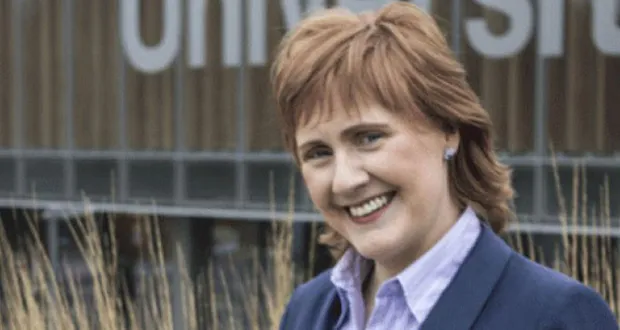
Prof. Fionnuala McAuliffe, director of the UCD Perinatal Research Centre
The study, carried out by a team led by Prof. Fionnuala McAuliffe, director of the UCD Perinatal Research Centre, found that mental health benefits were evident in cases where women breastfed for at least 12 months, as well as those who engaged in any breastfeeding or breastfed their child exclusively for a period.
‘‘The finding that breastfeeding may reduce mothers’ later life chance of depression and anxiety is very exciting and is another great reason to support our mothers to breastfeed,” said Prof. McAuliffe.
It is known that breastfeeding reduces the risk of postnatal depression and anxiety, but it’s not clear if these lowered risks might persist in the longer term, say the researchers.
To find out, they tracked the breastfeeding behaviour and health of 168 second-time mothers who were originally part of the ROLO Longitudinal Birth Cohort Study for 10 years after pregnancy.
The women were recruited from early pregnancy and they and their children had check-ups at three and six months, and two, five, and 10 years after birth, by which time the average age of the mothers was 42.
At each check-up, the mothers completed a detailed health history questionnaire. This asked whether they had been diagnosed with, and treated for, depression and/or anxiety. They also provided information on potentially influential factors, including diet and physical activity levels.
At these follow-ups, the mothers provided information on whether they had ever breastfed or expressed milk for one day or more; total number of weeks of exclusive breastfeeding; total number of weeks of any breastfeeding; and cumulative periods of breastfeeding of less or more than 12 months.
Nearly three-quarters of the women (73 per cent; 122) reported having breastfed at some point. The average period of exclusive breastfeeding lasted 5.5 weeks and that of any breastfeeding for 30.5 weeks. More than a third (37.5 per cent; 63) reported cumulative lifetime periods of breastfeeding adding up to at least 12 months.
A total of 22 (13 per cent) women reported depression/anxiety at the 10-year check-up, with a further 35 (21 per cent) reporting depression or anxiety at any time point.
Those reporting depression/anxiety at the 10-year check-up were younger, less physically active and had lower wellbeing scores at the start of the study than those who didn’t report this.
Analysis of the data showed that women experiencing depression and anxiety at 10 years after pregnancy were less likely to have breastfed, and had shorter durations of any or exclusive breastfeeding over their lifetime.
Each week of lifetime exclusive breastfeeding was associated with a two per cent lower likelihood of reporting depression and anxiety, after accounting for potentially influential factors, including alcohol intake.
This is an observational study, and as such, no firm conclusions can be drawn about cause and effect, associations only can be relied upon.
Nevertheless, the team write: “We suggest there also may be a protective effect of successful breastfeeding on postpartum depression and anxiety, which in turn lowers the risk of maternal depression and anxiety in the longer term.”
They added: “The likelihood is that the association is multifactorial, as many socioeconomic and cultural factors influence both breastfeeding and mental health. Additionally, women with a prior history of depression and anxiety are at risk of lower breastfeeding success, compounding the association.
“We know that improving breastfeeding rates and duration can improve mothers’ lifetime health outcomes in terms of less diabetes and heart disease, and reduces disease burden at population level with resultant significant healthcare savings.
“The possibility that breastfeeding could further reduce the huge burden of depression on individuals, families, healthcare systems and economies only adds to the argument for policymakers to further promote breastfeeding.”
The research paper: ‘Breastfeeding and later depression and anxiety in mothers in Ireland: a 10- year prospective observational study’, is published in BMJ Open (DOI:10.1136/bmjopen-2024-097323).
Comments (0)