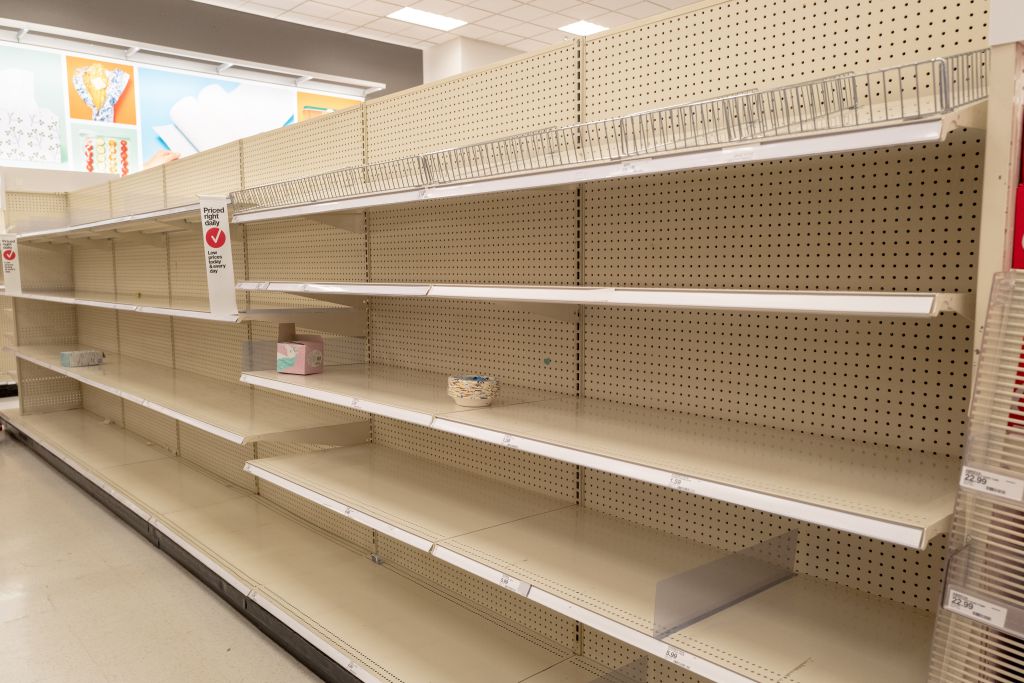
As climate disruption intensifies and global supply chains remain stressed, the risks facing households in 2026 may go far beyond higher prices. In extreme scenarios, shortages could reach a point where money alone cannot guarantee access to basic necessities.
If major grain-producing countries suffer crop failures due to extreme weather and respond by restricting exports under “food protectionist” policies, regions heavily dependent on imports will face serious challenges. Under such conditions, household preparedness becomes not panic, but prudence.
RELATED: Inside Dr. Jennifer Liang’s Acupuncture Practice: A Holistic Approach to Healing
Building a minimum survival buffer is increasingly viewed as a basic life skill. Below is a practical list of five essential “lifesaving foods” and clear storage guidance designed for potential disruptions in 2026.
I. 5 Essential ‘lifesaving staples’
Core Carbohydrates: Vacuum-Sealed Rice and Dried Noodles
Rice remains the staple food for many households, but loose rice is vulnerable to moisture and pests.
Success
You are now signed up for our newsletter
Success
Check your email to complete sign up
Recommendation: Choose vacuum-sealed rice, which can extend shelf life to one to two years. Complement this with fully dehydrated dried noodles, such as wheat noodles, glass noodles, or rice vermicelli.
Stocking guideline: An adult typically consumes 12–15 kilograms of rice per month. A family of four should maintain at least 60 kilograms as a one-month baseline reserve.
Pro Tip: Dried noodles packaged in resealable zip-lock bags offer better moisture resistance.
High-Calorie Protein: Canned Meat and Fruit
During power outages caused by extreme weather, refrigerated food spoils quickly. Canned goods often become the only reliable protein source.
Canned meats: Braised eel, tuna, luncheon meat, or similar products provide essential protein and fats and require no cooking.
Canned fruits: Pineapple or peach help replenish vitamins and dietary fiber when fresh produce is unavailable, reducing immunity decline from nutritional imbalance.
Important: Prioritize easy-open cans to avoid dependence on can openers during emergencies.
Basic Survival Essentials: Salt, Sugar, and Seasonings
Humans can survive briefly without meat, but not without salt. Electrolyte imbalance can rapidly cause physical collapse by breaking down muscle and can even cause dehydration.
Salt and sugar: Natural preservatives useful for curing food when refrigeration is unavailable.
Honey and chocolate: Honey is extremely calorie-dense and virtually non-perishable; dark chocolate offers quick energy and psychological comfort under stress.
Strategic Fats: Cooking Oils and Solid Fats
Fats provide the highest energy density of any food and are essential for warmth and sustained satiety.
Storage advice: Most vegetable oils last about 18 months and should be stored away from light.
Advanced option: Peanut butter or nut pastes are highly recommended. They are shelf-stable, rich in fats and protein, and can be eaten directly with dry staples when cooking is not possible, making them exceptionally efficient emergency foods.
The Survival Bottom Line: Clean Drinking Water
Power outages are inconvenient; water outages are life-threatening.
Water storage standard: Each person requires 1.5–2 liters per day. A family of four should store at least 40 liters for one week of drinking needs.
Emergency tools: In addition to bottled water, keep unscented household bleach. In extreme situations, adding two drops per liter of clear water and waiting 30 minutes can disinfect it. A portable water filter is also recommended for emergency rainwater filtration.
II. Often-overlooked ‘survival patches’
Medications: Patients with hypertension, diabetes, or other conditions should keep at least one extra month of prescriptions.
First-aid kit: Pain relievers, anti-diarrheal medication, alcohol wipes, and wound dressings.
Energy supplies: High-lumen flashlights, spare batteries, lighters, and large power banks. A small solar charging panel can be critical during outages lasting more than a week.
III. Storage principles: Keeping supplies at the ready
Place newly purchased items behind older ones. Clearly mark expiration dates with bold, dark ink.
Hard-Container Protection: Use large plastic storage bins with locking lids. Store all dry goods inside with food-grade desiccants. This prevents moisture damage and protects against rodents and insects.
Distributed Storage: Avoid keeping all supplies in one location. Store portions of water and dry food in different areas, such as under beds or in high cabinets, to reduce loss from localized damage.
The risks of 2026 should not be a source of fear, but a motivation to strengthen household resilience. The items listed here are everyday necessities, not luxury stockpiles, and preparing them does not require excessive financial burden.
Readiness ensures that when disruption comes, families can endure it calmly, safely, and with dignity, rather than scrambling and panic-buying.








Comments (0)