
Remember me

It was billed as Scotland’s flagship £1billion superhospital, boasting its own helipad, cinema – and even robots delivering the bed linen.
And yet if you, or a relative, are about to be admitted to Glasgow’s Queen Elizabeth University Hospital (QEUH), or if you’ve received treatment there, you might have some pressing concerns.
Chief among them would be the news that health board bosses have just admitted dirty water at the QEUH caused serious infections in young cancer patients.
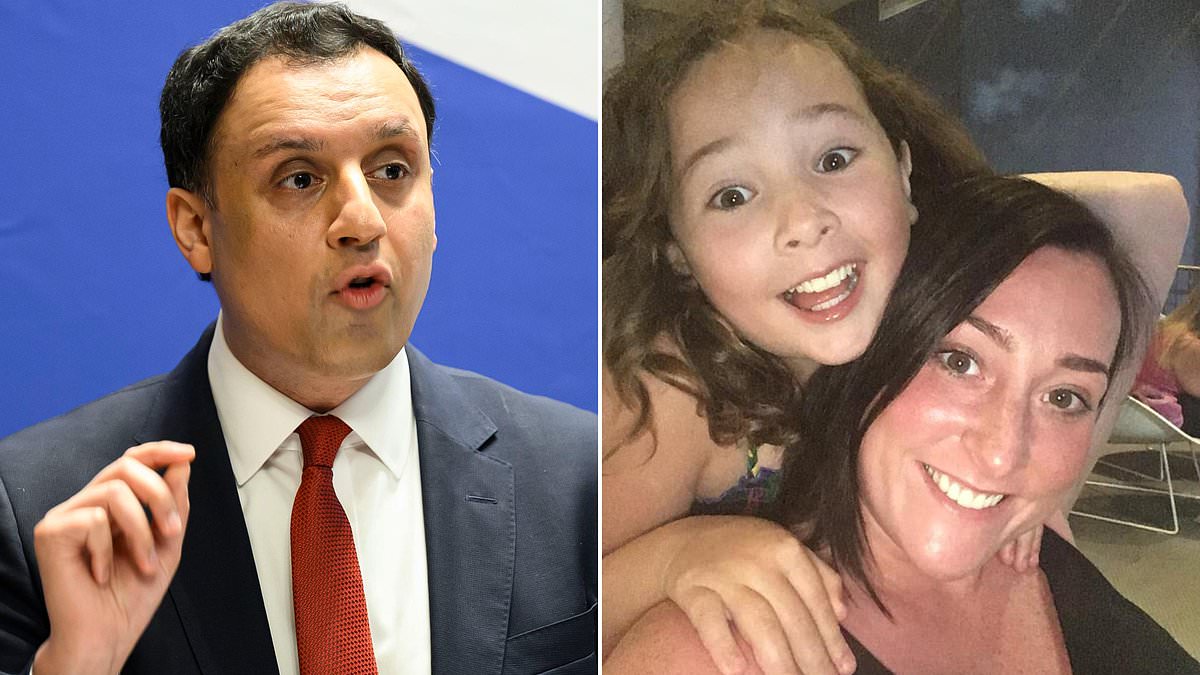
Two children died, including ten-year-old Milly Main – and at least 84 fell ill with infections while being treated at the QEUH.
But for six years officials continued to deny any link between the hospital’s contaminated water system and the spate of infections in vulnerable patients.
The scandal came to light back in 2015, with an ongoing inquiry to follow but it has taken a decade for the truth to be dragged out of the board’s shameless hierarchy.
In the meantime, patients’ trust and confidence in the board have been shattered – and once those precious commodities have gone, they may prove impossible to restore.
Finally, the lawyerly evasions, denials and obfuscations have been cast aside in the closing stages of an inquiry which began in 2020 – and has cost taxpayers £31million so far.

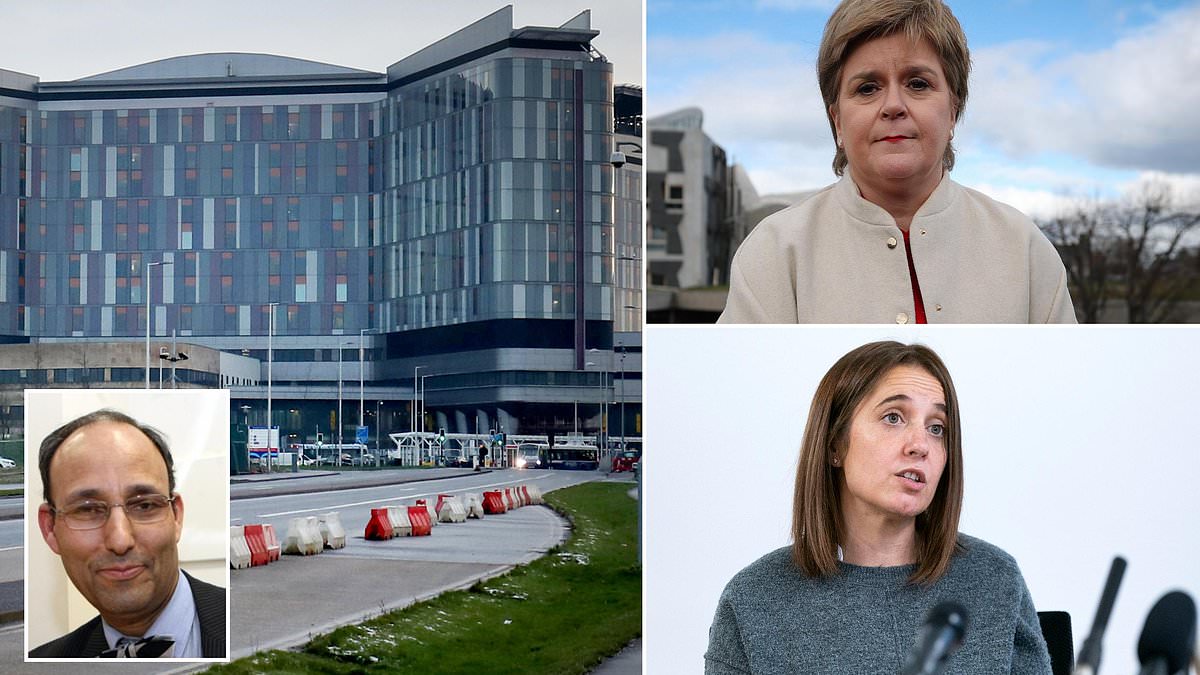
The £1b Queen Elizabeth University Hospital in Glasgow

Former First Minister Nicola Sturgeon opened the superhospital in 2015

Louise Slorance was spied upon by hospital bosses after she fought for answers over the death of her husband Andrew
It might have been wrapped up before now, saving money, if the board had come clean at an earlier stage. But more importantly, the delays have added to the distress of the bereaved.
Health chiefs also conceded they mistreated the whistleblowers they had previously criticised.
That denigration was unforgivable – but it shouldn’t surprise anyone that a corrosive culture of secrecy has taken root in the public sector given that it is led and supposedly managed by the SNP government.
Those health board bosses were aping their political masters by acting incompetently then trying to cover it up.
They even admitted that they had been secretly monitoring social media posts about water contamination through a private firm which was paid £15,000.
The online checks, known as social listening, were carried out by a company called Meltwater, through a £15,000-a-year contract.
Three unidentified staff and a member of the public – the widow of a patient who was critical of the care her husband had received at the QEUH – were targeted.
This wasn’t the behaviour of committed, compassionate professionals – this was a snooping exercise in the best interests only of those carrying it out (at our expense).
Former Health Secretary Jeane Freeman, who ultimately ordered the inquiry, said in her evidence that board bosses in Glasgow took a ‘nothing to see here’ approach, but the same could have been said of her government.
Those ministers who defended the board and played down the allegations must be brought to book, and there are even suggestions John Swinney could be dragged into a corporate homicide probe.
Meanwhile, no heads have rolled at the board – and naturally not at the SNP government.
It’s worth reflecting for a moment on the complete absence of accountability, though it doesn’t come as a shock.
That’s because we’re at risk of becoming inured to it after nearly 20 years of Nationalist rule.
Is there a starker and more damning example of the SNP’s long record of mismanagement and neglect of public services than the fact that it presided over a hospital which effectively poisoned its patients?
It’s made all the more egregious because the launch of the QEUH was held up as proof that the SNP was delivering on its promises.
Nicola Sturgeon pledged that the hospital, which she opened, would ‘transform healthcare for patients and provide world-class training for staff’.
The gap between the rhetoric and the bleak reality is huge, but it’s largely because of tireless campaigners such as Louise Slorance that we’re finally beginning to get to the bottom of what happened.
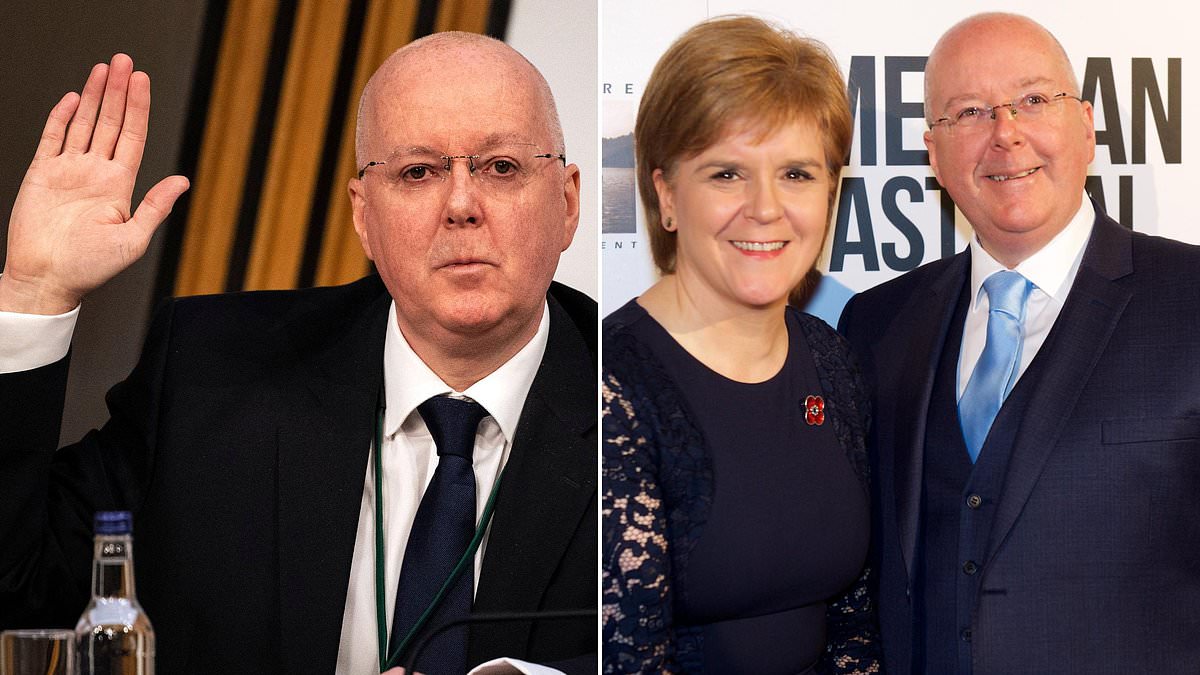
Mrs Slorance, whose civil servant husband Andrew – described by Ms Sturgeon as a ‘crucial part’ of her team – died at the QEUH after catching Covid.
His widow claims details about him also contracting a potentially deadly fungal infection were kept from his family.
In a message sent in November 2020, which emerged during the Covid inquiry, Ms Sturgeon’s then chief of staff Liz Lloyd said: ‘I just want a good old- fashioned rammy so can think [sic] about something other than sick people.’
Mrs Slorance later observed that ‘on this day, her [Ms Lloyd’s] colleague, was a sitting duck in a hospital with substandard ventilation and water that she knew would not and could not protect him’.
The desire for a ‘rammy’ went further than Ms Lloyd: Ms Sturgeon insisted back in June 2020 that ‘we’re not dealing with politics at the moment’, only a few hours after the Cabinet had agreed that ‘consideration should be given to restarting work on independence’.
Mrs Slorance now reflects that ‘not only has Andrew been failed, but our systems have failed Scotland’.
She is right to say that as ‘each day passes, learning is lost and more people are put at risk’.
Ms Freeman’s claim that the board underestimated the seriousness of the water contamination at the QEUH can be equally applied to a government which was more focused on constitutional battles than keeping patients safe.
The SNP still presents itself as custodian of the health service against the myriad threats ranged against it, from the Tories to Brexit and, inevitably, ‘austerity politics’.
They all take their turn on the SNP’s eternal carousel of blame at times of crisis – which come around all too frequently.
The grotesque failings at the QEUH will have seismic repercussions for the NHS – and should have consequences for the Nationalists, whose oversight of the board was woefully inadequate.
And the rot has set in elsewhere in the health service – so we shouldn’t fool ourselves that the Glasgow board is an outlier.

NHS Tayside ignored warnings about rogue Ninewells hospital surgeon Sam Eljamel who was accused of harming hundreds of patients before he fled the country
NHS Tayside officials binned around 40 theatre logbooks which may have provided vital clues about the practice of rogue surgeon Sam Eljamel – despite a formal ‘do not destroy’ order.
Our politicians act as if they can get away with anything – and the same appears to be true of some of those holding senior positions in the NHS.
The patient is an afterthought as the buck-passers scramble to salvage their careers and fat-cat salaries.
Looking on from the sidelines are the ministers who were either asleep at the wheel – or turned a wilful blind eye.
Many questions remain unanswered, on the QEUH and Eljamel scandals – and those affected, or their families, deserve answers.
The only certainty is that there’s no hope of an end to the secrecy and failure while the SNP remains in power.