
Remember me
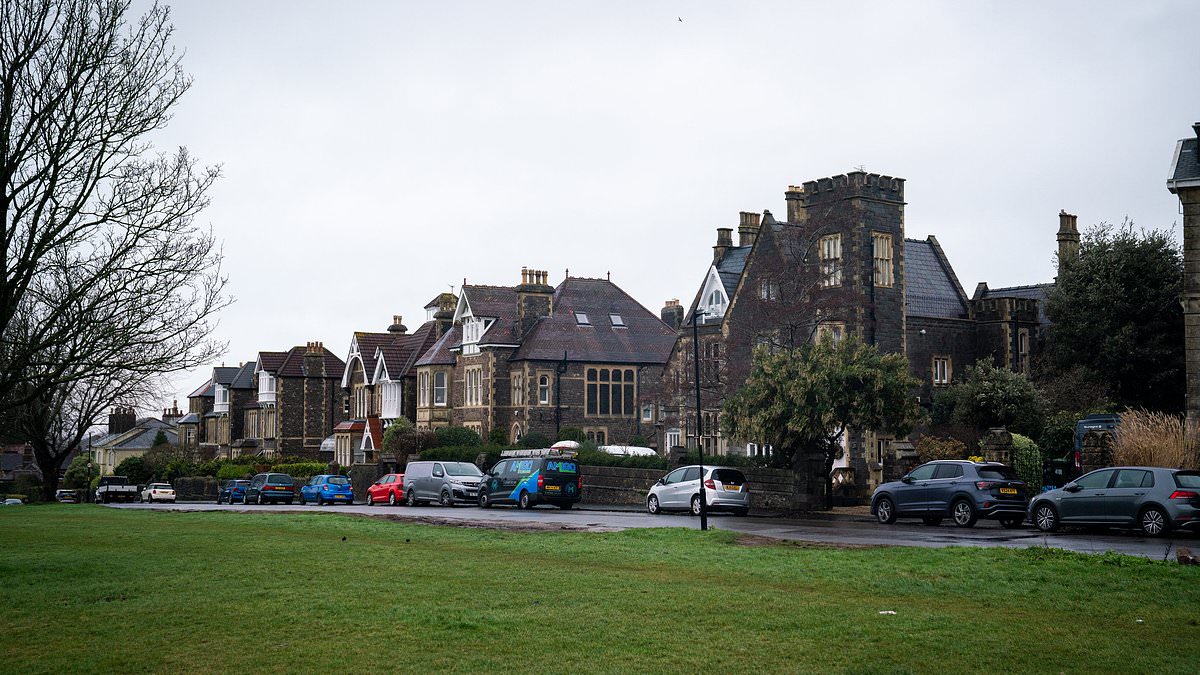







King Charles has been given the go-ahead to build a huge slurry pit close to Prince William's Sandringham home, despite objections from neighbours who don't want a 'lagoon' of manure on their doorstep.
The monarch has got permission to construct the pit, which will be the size of four Olympic swimming pools, in fields near Anmer Hall, the country estate of the Prince and Princess of Wales.
It means the estate can now dig out the space, which will be used to store animal manure before it is applied to surrounding fields as fertilizer, despite objections from local villagers.
Once complete, the 4,000 square-metre pit will provide a source of nutrient-rich organic fertiliser and reduce the need for chemical versions.
It will be able to hold almost 10,000 cubic metres of fertiliser, which will be used to improve crops on 2,700 hectares of farmland, including wheat, barley, beans, and oat varieties.
But locals in the nearby village of Flitcham have been left furious over the plans amid concerns about the impact on health, potential water pollution and the smell.
Residents have also cited worries about an increase in flies and a potential loss of tourists, which bring money to the area and the King's estate.
Others claim the estate has not reassured residents about the increase in traffic associated with the pit, with large vehicles having to navigate narrow country lanes.

King Charles has been given the go-ahead to build a huge slurry pit close to Prince William's Sandringham home, despite objections from neighbours who don't want a 'lagoon' of manure on their doorstep

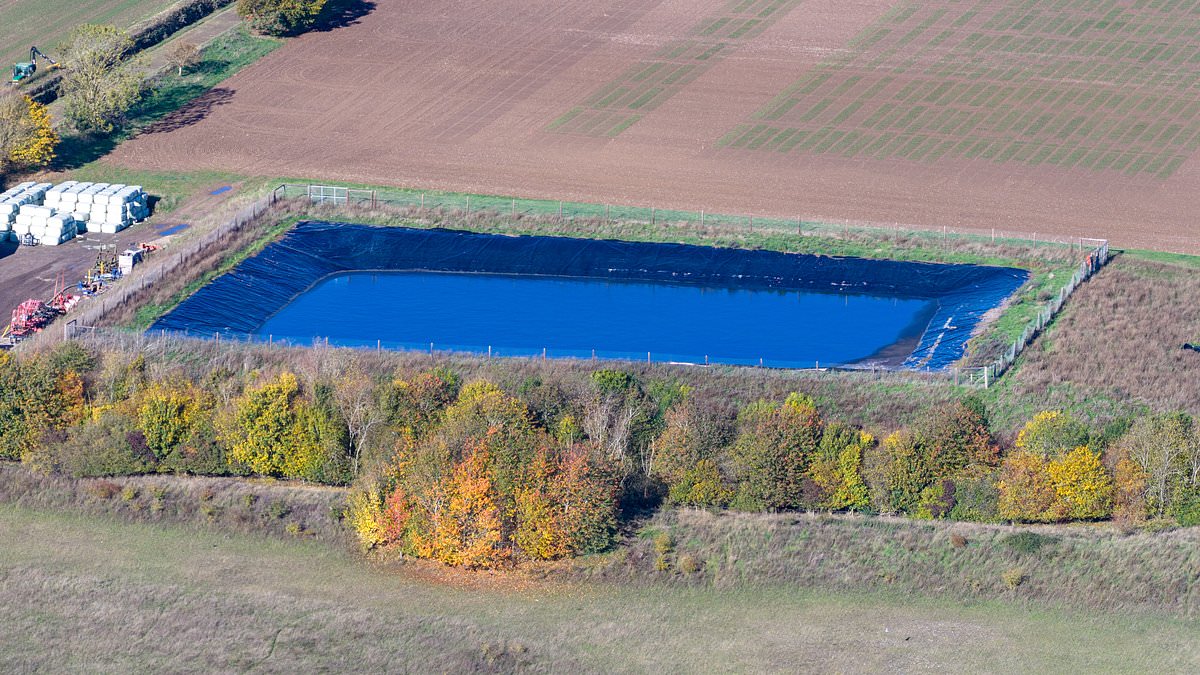
Once complete, the 4,000 square-metre pit will provide a source of nutrient-rich organic fertiliser and reduce the need for chemical versions (Pictured: Slurry pit, stock image)
One neighbour previously told the Daily Mail: 'We are all used to farmyard smells around here – but this lagoon will be enormous.
'Everyone is worried it will create a massive stink. Goodness knows what William and Kate think about it.
'It is a bit ironic that the landowner responsible for the plans is William's father, the King.'
Objecting to the planning application online, a second added: 'As a resident of Flitcham I am extremely concerned about the close proximity of the proposed slurry pit.
'The village has a primary school as well as a high proportion of elderly residents whose health could well be affected.
'Protecting the physical and mental health and emotional wellbeing of all residents and those who work or attend school in the village is paramount. I am strongly opposed to the plans.'
But ruling yesterday, planning officer Lucy Smith said the decision to approve the pit 'would be lawful.'
She said in a detailed report that 'whilst neighbour comments in regard to the siting in proximity to the settlement of Flitcham are noted, there is no mechanism in place for the Local Planning Authority to consider general odour impacts from a nuisance perspective.'

Plans for the slurry pit show it will be as big as four Olympic-sized swimming pools
Read More King risks stinking row with William over plans for giant slurry pit near the Prince's home
She also said 'no adverse tourism impacts are considered likely particularly given the site's location surrounded by agricultural uses.'
A statement submitted to King's Lynn and West Norfolk Borough Council with the planning application said: 'The proposals involve the formation of a fertiliser storage lagoon to serve an extensive, established land holding of approximately 2,700 hectares.
'This is farmed to grow crops, including modern and traditional wheat, barley, beans, and oat varieties, plus a range of heritage grains.
'The agricultural holding includes a substantial flock of Aberfield sheep and Beef Shorthorn cattle which produce organic, 100% grass-fed meat.
'As part of the Estate's ongoing conservation management, an area of arable land has been converted to agroforestry which involved the integration of crops and livestock in woodland, or among trees, to improve biodiversity.
'A variety of trees, including cider apple, perry pear, plum, quince, mulberry, and walnut, have since been planted in addition to wildflower strips.
'The proposed development will deliver a new fertiliser storage lagoon to provide fertiliser storage capacity to serve the network of fields surrounding the application site.'
It said the new facility would be in a good location as it is near the fields it would serve and has vegetation around the field boundaries to hide it.
The statement added: 'The site is ideally located to meet the need for storage capacity being centrally located to the network of fields in question, as well as being visually contained by the mature vegetation forming the field boundaries, which will minimise the visual impact of the structure within the wider landscape.
'The site also lies in close proximity to a network of farm tracks enabling fertiliser to be readily transported to and from the lagoon.
'The provision of the proposed storage lagoon will enable the business to acquire greater volumes of fertiliser out of season when there is a greater level of supply, which can then be stored on site until Spring before being applied to the landholding.'
It said the organic fertilisers would greatly improve the soil and reduce the need to rely on manufactured chemical fertilisers.
'The use of such organic fertilisers provides a source of organic material to the soil, thereby improving its health and capturing carbon, as well as enhancing the sustainability credentials of the business by reducing reliance on manufactured chemical fertilisers,' it added.
The lagoon would be enclosed by a landscaped bund, which would be seeded with meadow grass and a range of wild flowers.
King Charles took over the running of the 20,000 acre Sandringham estate when his father Prince Philip retired from public life in 2017. Half of the land is farmed by the estate while the rest is rented out to tenant farmers.