
Remember me




Social media companies are stopping Scots from reducing the amount of meat they eat, scientists claim.
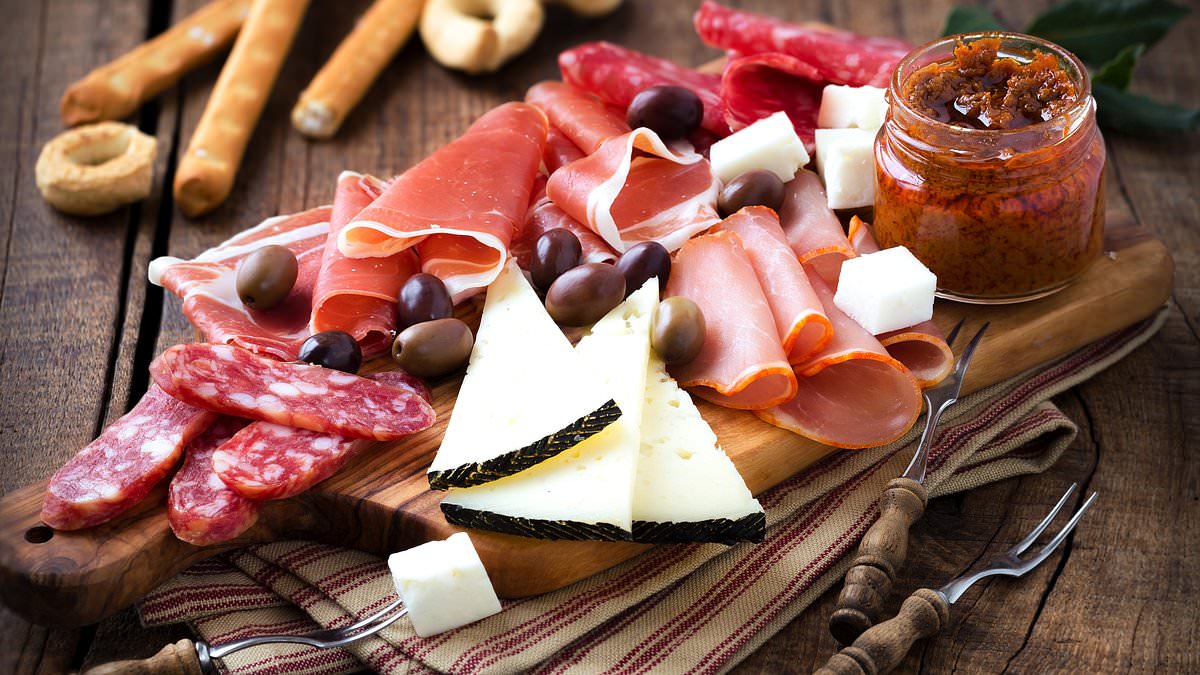
Cutting out foods such as sausages and bacon is key to helping beat the obesity crisis and also meeting Net Zero targets.
But new research blames sites such as TikTok and Instagram for keeping on serving up meat recipes to young people, who are increasingly getting their teatime tips from social media influencers.
Those aged 16-24 are showing most interest in vegetable-based diets - but scientists say Scots are remaining culturally-wedded to traditional ingredients because tech companies keep reinforcing our habits.
Researchers from the Universities of Glasgow and Strathclyde found that those looking online for recipes are finding only ‘algorithmic echo chambers, where content is tailored to existing preferences and engagement’.
It means vegetarians or vegans are often the only ones being directed to meat-free recipes.
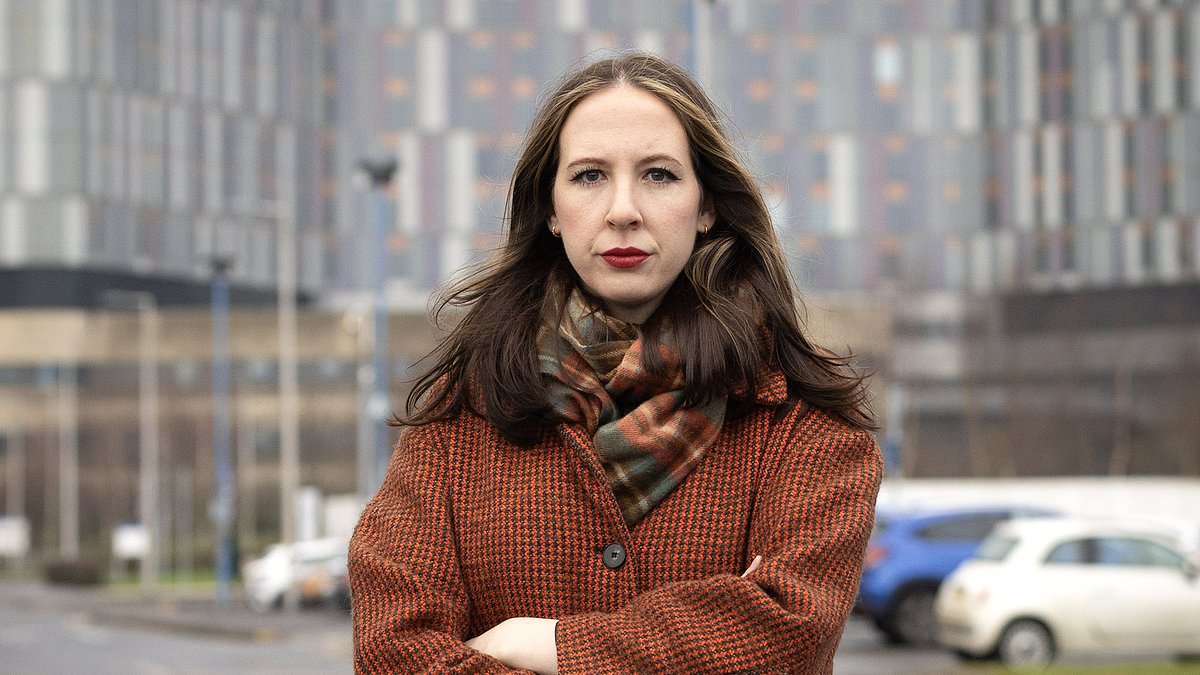
Gill Murray, of Bridge of Earn, Perthshire, provides vegetarian recipes on her Violet Kitchen Studios feeds on Facebook and Instagram.
She said: ‘Among younger people, predominantly women, there’s a clear shift towards eating less meat, but not necessarily giving it up entirely.

Gill Murray, who provides vegetarian recipes on her social media pages, said young people are turning to online channels because they’re easy, practical and not judgmental

New research blames social media for keeping on serving up meat recipes to young people

Those aged 16-24 are showing most interest in vegetable-based diets
‘Meat still holds a strong place in our society, perhaps tied up with ideas of tradition, comfort and what a “proper” meal looks and tastes like.
‘I do wonder whether a lot of women feel they either have to be a meat-eater or a vegetarian/vegan, with very little room in between.
‘I believe a lot of my audience lives in that middle ground: curious, flexible and interested in plant-based food without wanting to put a label on themselves.
‘Young people are turning to online channels because they’re easy, practical and not judgmental.
‘Social media lets people try out a recipe without feeling like they’re making a big statement about who they are or how they eat. It’s quite low-pressure.
‘Algorithms are the bane of every creator’s life. I’m torn because being shown content you already enjoy is part of what makes social media appealing.
‘But I do think there’s room for more gentle cross-over if people can see that non-meat-based meals can be satisfying, flavourful and ordinary, rather than labelled as substitutes or sacrifices.
‘That kind of exposure probably does more to change habits than anything overtly directive.’
The latest study in the journal Appetite is a collaboration between Scots researchers led by Dr Tess Davis and Radboud University in the Netherlands.
It states: ‘Both women and young adults in the UK are more likely than men and older age groups to adopt plant-based diets and consume plant-based alternatives, while national dietary data show women aged 16–24 in Scotland consume the least amount of meat.’
But the market for “plant-based” vegan products has declined, with supermarkets reducing their lines.
The study conducted interviews with 30 young Scots women to find out why.
It concludes: ‘Social media, particularly TikTok, was a highly influential and accessible source of recipe inspiration, with most participants mentioning its influence unprompted.
‘But this inspiration revolved around participants’ existing dietary habits ie meat-eating and non-meat-eating echo chambers.
‘There was a lack of awareness about the negative health and environmental impacts of high meat consumption.
‘Participants also expressed a sense of safety in familiarity with meat dishes. Ultimately meat was seen as natural, normal, necessary and nice, while plant-based foods were perceived as the opposite.’
One interviewee, a meat-eater aged 21, said: ‘I think social media has a massive impact. If I see something that I fancy, then I want to have it within, like, a few days of seeing that.’
Another aged 19 added: ‘I think probably [would choose meat over a meat substitute] just because it’s safe and... it’s something that I know, like, will taste nice.’
Scottish Government projections are that there will be 1.55m obese Scots by 2030 - up from 1.4m today - and a further 1.72m will be overweight.
Meanwhile, SNP ministers' Climate Change Committee has recommended a ’20 per cent shift away from all meat consumption in Scotland by 2035’.