
Remember me








January 2026 delivered a surprisingly busy slate of Linux updates, with multiple well-known distros releasing major versions, ISO refreshes, or foundational changes. With hundreds of Linux distributions in active development and no shared release schedule, it can be difficult to track what’s actually new and worth paying attention to.
While many other Linux projects also shipped updates last month, the following six stand out for either their impact, popularity, or relevance to users considering a switch from Windows or another distro.
1. CachyOS Updates
CachyOS, one of the fastest-growing Arch-based desktop distributions, released a refreshed ISO on January 24. The update focuses on performance, modern display defaults, and installation improvements.
One of the biggest changes is the switch to Limine as the default bootloader, replacing the long-standing GRUB2 used by most Linux distros. The installer also now detects CPU architecture earlier in the process, allowing for better-optimized downloads during setup.
On the desktop side, the live ISO now boots using Wayland instead of X11, continuing the broader Linux transition toward Wayland-first environments. CachyOS also replaced SDDM with Plasma’s Login Manager for user sign-in.
Existing users can upgrade through the system update tools, while new users can download the updated ISO directly from the CachyOS website.
2. DietPi Updates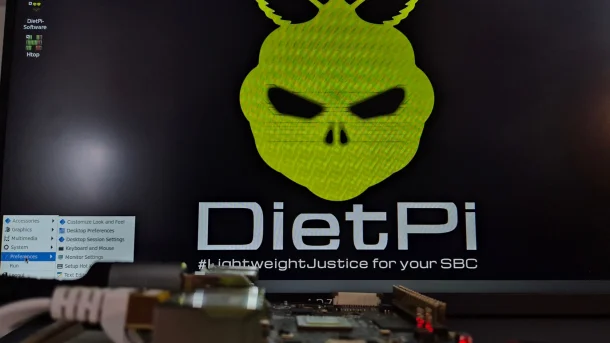
DietPi, a popular minimal distribution for Raspberry Pi and other single-board computers, reached a major milestone with the release of DietPi 10.0 in January.
This version upgrades the distro’s base to Debian 12 “Bookworm”, bringing newer packages and long-term support improvements. As a result, support was dropped for some older SBCs that could not run Debian 12.
DietPi 10.0 also expands its library of automated installation scripts, adding support for tools like Uptime Kuma for system monitoring and ownCloud Infinite Scale for self-hosted productivity setups.
Users running compatible hardware can upgrade directly, while fresh images are available from the DietPi downloads page.
3. GNU Guix Updates
GNU Guix released version 1.5.0 in January, marking its first official release in nearly three years. Alongside numerous technical changes, the project also announced a shift to an annual release cycle, bringing more predictability going forward.
This update delivers major desktop upgrades, including KDE Plasma 6.5 and GNOME 46, with Wayland now enabled by default. While GNOME 46 isn’t the newest version available, its inclusion modernizes Guix’s desktop experience significantly.
Security and architecture support also received attention. Guix can now run its system daemon without full superuser privileges, and official binaries are available for 64-bit RISC-V systems.
Guix remains best suited for developers and power users, but this release lowers several long-standing barriers to entry.
4. Linux Mint UpdatesA polished Windows replacement gets refinements.
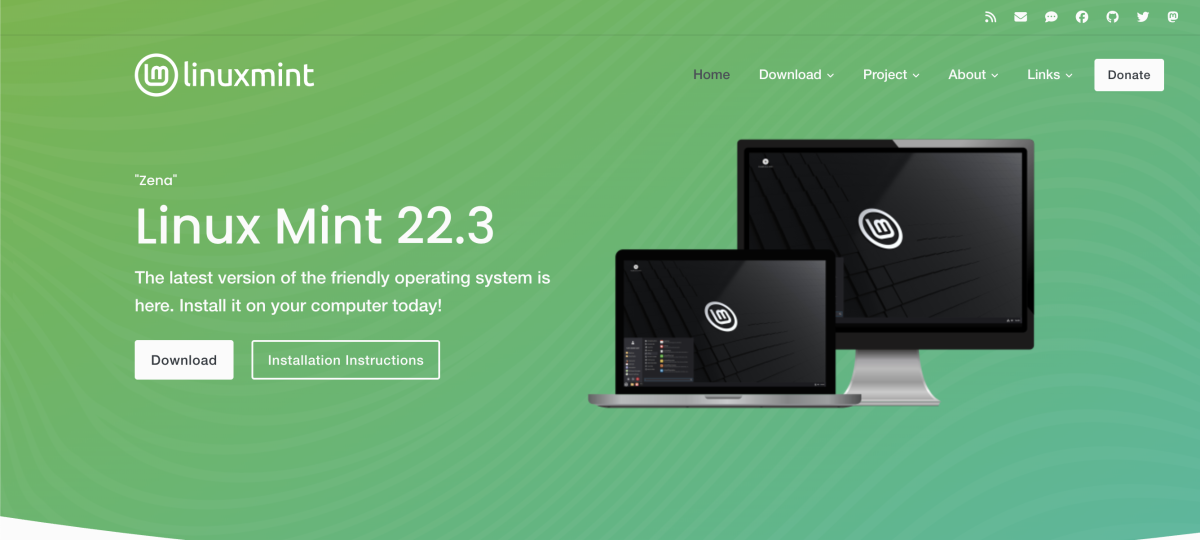
Linux Mint 22.3 officially exited beta in January, delivering usability improvements rather than sweeping changes - very much in line with Mint’s philosophy.
A new System Information tool replaces the older System Reports app, consolidating hardware and software details into a single, easier-to-read interface. This should simplify troubleshooting and system diagnostics for both users and support helpers.
Mint’s Cinnamon desktop was updated to version 6.6, bringing improvements to the application launcher, better keyboard layout handling, and smoother file transfers in the file manager.
Linux Mint 22.3 is available now via the project’s official download channels.
5. MX Linux UpdatesPortable, flexible, and still uniquely configurable.
MX Linux released MX Linux 25.1 “Infinity” in January, continuing its reputation as one of the most versatile Debian-based distributions available.
The update moves MX Linux to a Debian 13.3 package base and upgrades the kernel to Linux 6.12, with the Liquorix kernel available for users who need newer hardware support.
One of the most notable changes is the return of dual-init support in a single ISO. During installation, users can choose between systemd and sysvinit - an increasingly rare option in modern Linux distributions.
MX Linux remains especially attractive for users who want a powerful live USB or portable Linux environment.
6. EndeavourOS Updates
EndeavourOS, known for making Arch Linux more approachable without hiding the command line, shipped a refreshed ISO called “Neo” on January 15.
This release is a minor update following November’s Ganymede version. It focuses primarily on updated packages and bug fixes, including newer versions of the Linux kernel, Firefox, Mesa graphics drivers, and the Calamares installer.
One important change affects NVIDIA users: the distro now defaults to open-source NVIDIA drivers instead of the proprietary ones. Systems using older NVIDIA GPUs may require manual adjustments after installation.
The refreshed ISO is available from the EndeavourOS website.
A Busy Start to the Linux YearJanuary 2026 showed that Linux development hasn’t slowed down. From desktop-focused distros like Linux Mint and CachyOS to infrastructure-oriented projects like DietPi and Guix, the month delivered meaningful improvements across the ecosystem.
For users considering a move from Windows or simply thinking about switching distros, these updates provide plenty of fresh options worth exploring.

Comments (0)