South Korea's 'comfort women' take on the US military
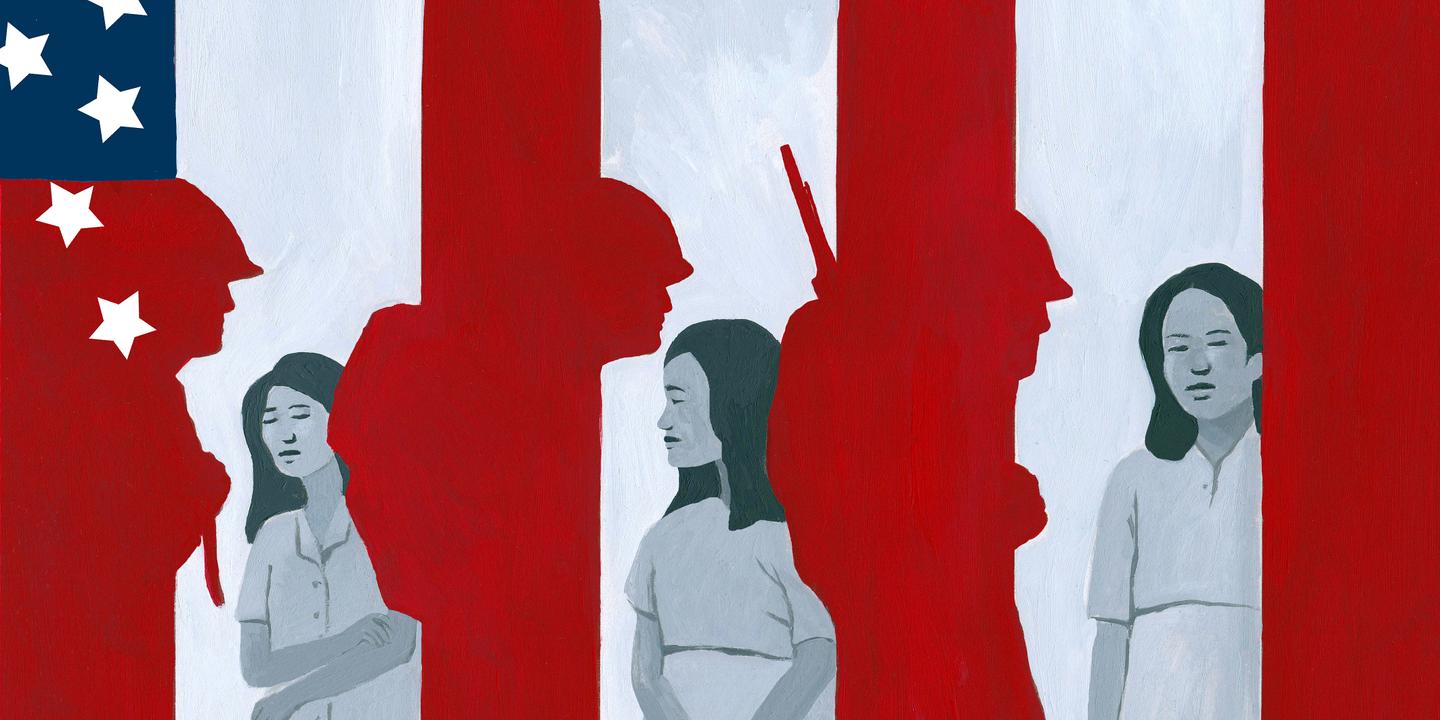
Her voice trembled. Tears traced the wrinkles on her cheeks and her hands twisted together. Eun-young (who, like all the victims Le Monde spoke with, used a pseudonym) refused to forgive, 50 years later, the American soldiers stationed in South Korea who abused her for years, when the gray-haired septuagenarian in a pale pink blouse served as a "comfort woman." "I want them to apologize. I want them to compensate me for my destroyed life," she insisted from the offices of Saewoomtuh, the advocacy group for these women, based in Pyeongtaek, not far from Seoul. The euphemism is well known. The term "comfort women" refers mainly to Korean women who were forced into sexual slavery by the Japanese during World War II. It also applies to those exploited by American troops starting in the 1950s. Unlike the first group, who have been met with sympathy as victims of Japanese oppression, the latter have been consigned to shame and silence. In South Korea, it has not been acceptable to criticize the American ally, seen as the guarantor of the country's security, especially since the system in place long benefited from the complicity of the state. On September 8, 2025, 117 former South Korean "comfort women" nonetheless filed a lawsuit against the US military, a first for a country that still hosts American bases – there are currently 73. The date was not chosen at random. On the same day, 80 years earlier, the first GIs landed on a peninsula freed from Japanese rule (1910-1945). The plaintiffs are seeking 10 million won (€5,800) each. That is a small sum for lives shattered by the daily violence inflicted in the kijichon. These so-called "garrison villages" were established near military bases for the pleasure of American soldiers, blending clubs and brothels with gray facades, brightened at nightfall by the glow of enticing neon signs. You have 82.25% of this article left to read. The rest is for subscribers only.







Comments (0)