How Jeffrey Epstein built the global network that protected him
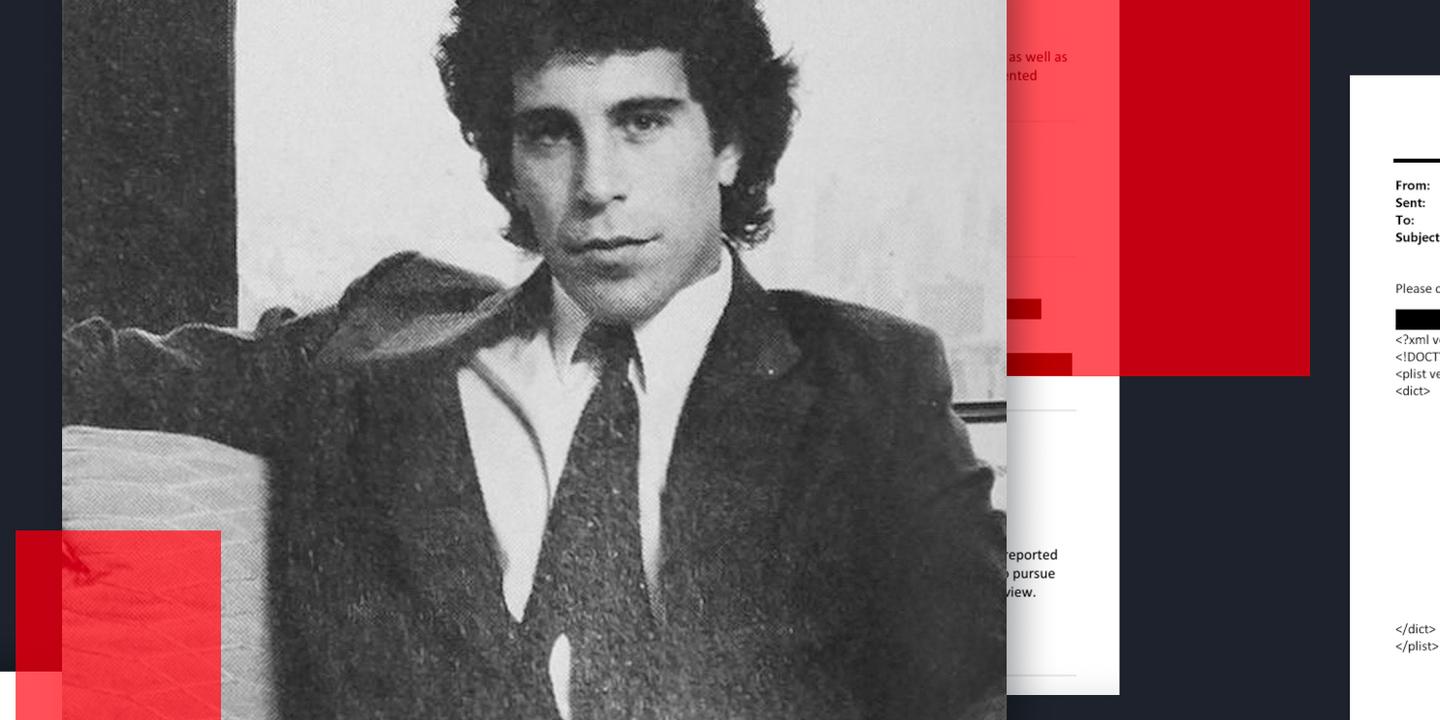
"The minister glanced several times at his watch, so I took him aside and asked him to wait for half an hour. But it wasn't any use. Nobody came." This is how Francis Scott Fitzgerald, in 1925, described the pathetic funeral of Gatsby the Magnificent (The Great Gatsby), a mysterious man known for his extravagant parties and illegal fortune in the America of the Roaring Twenties. A century later, there was something of Gatsby in Jeffrey Epstein, the sexual predator who died alone in prison in the summer of 2019, after hosting some of the world's financial, political and cultural elite in a debauchery of sex and money. The recent release of thousands of new documents from the Epstein case revealed a worldwide grip, with unimaginable ramifications: threatening the British government and royalty, shaking Norway, implicating the International Olympic Committee and bringing down French former culture minister Jack Lang, with further ramifications in Russia and the Gulf states. The comparison with Gatsby is not meant to excuse the financier's sexual crimes and child abuse, but rather to try to understand how one man – born in 1953 to a modest Jewish family in Brooklyn, the son of a municipal gardener and a childcare worker – managed to weave such a web of influence, from New York's wealthy elite to the scientific community of New England, passing through the global jet set, al with a sense of impunity. Without these connections, the predator probably could not have operated for so long. Epstein was a predator, first convicted in 2008 for soliciting prostitution from a minor, but also a gangster who built his fortune on the back of Leslie Wexner, 88 years old, the driving force behind the global success of the Abercrombie & Fitch and Victoria's Secret brands. He was also a seducer, offering his guests access to his business networks, political discussions and lavish parties, and also girls – "very young," according to numerous witnesses – to those who wanted them. You have 88.59% of this article left to read. The rest is for subscribers only.







Comments (0)