
Remember me

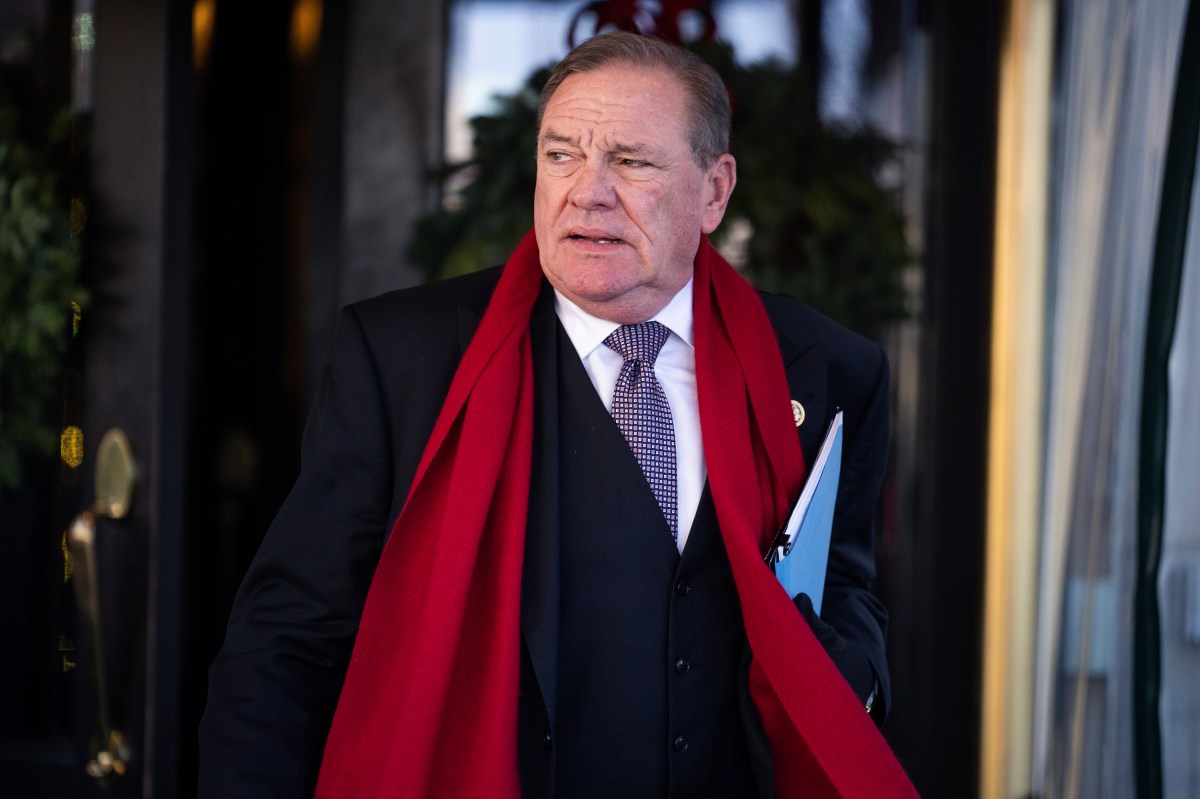



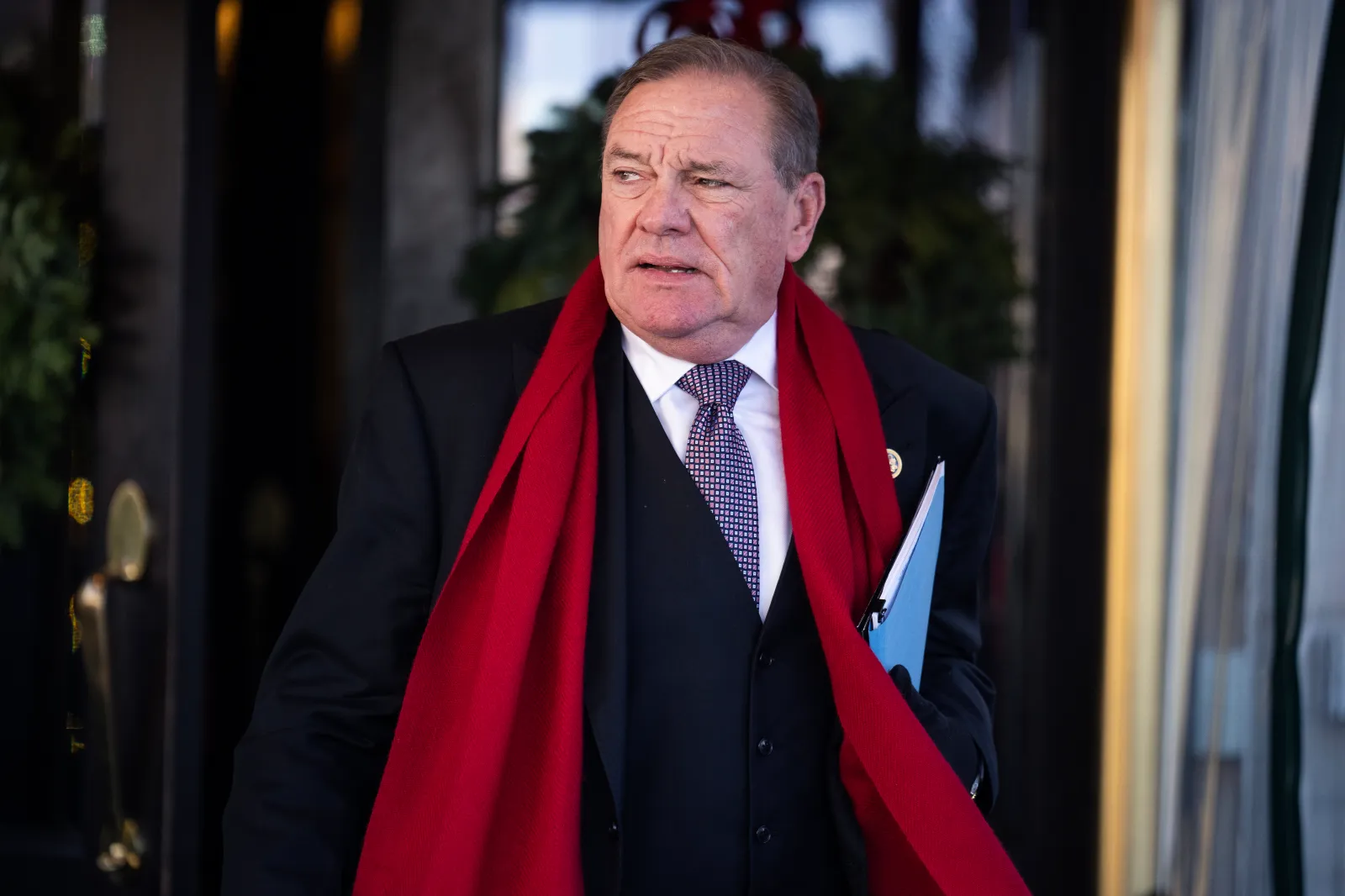
U.S. Representative Neal Dunn, a Florida Republican who announced last month that he will not seek reelection, has sought to tamp down weeks of speculation by saying he plans to remain in Congress through the end of his term—a decision that carries significant consequences for Republicans’ narrow hold on the U.S. House.
Dunn’s office confirmed Monday that the five‑term lawmaker will not resign early, addressing rumors that he might step aside before the current Congress ends. An early departure would have immediately reduced Republicans’ already razor‑thin majority and forced party leaders to navigate key votes with even less margin for error.
“Congressman Dunn announced last month he will not be seeking re-election. As a dedicated public servant, he will remain in Congress to represent his constituents through the end of this term,” Dunn's communications director Eleanor Railsback told Florida Politics.
 GOP’s Razor‑Thin House Margin Heightens Stakes of Dunn Decision
Republicans hold 220 seats and Democrats hold 213 seats, with two vacant seats, giving the GOP a 7‑seat edge in raw numbers but only a slim working majority in the 435‑member House.
Dunn’s potential exit had become a particular concern following recent GOP departures and amid a series of special elections that have kept party margins in flux.
House Speaker Mike Johnson had publicly urged Dunn to remain in office until a new Congress is sworn in, warning that an early resignation would further complicate efforts to move legislation through the closely divided House. Johnson told reporters earlier this month that he encouraged Dunn to stay and believed the Florida lawmaker wanted to do so.
Dunn, 73, announced in January that he would not seek another term representing Florida’s 2nd Congressional District, a reliably Republican seat anchored in the Panhandle.
Speculation surrounding Dunn’s future intensified in Washington and Florida political circles, with some lawmakers and strategists privately suggesting he might leave early due to health concerns or a desire to spend more time with family. Dunn has declined to publicly discuss his health.
The stakes for Republicans are high. A vacant seat would trigger a special election that could leave the GOP short a vote for weeks or months, potentially stalling party‑line legislation during a politically sensitive period heading toward the midterm elections.
Meanwhile, another Republican, U.S. Representative Tony Gonzales of Texas, faces calls to immediately resign within his own party, adding to the GOP's perilous position. Gonzales is confronting allegations that he had an affair with a former staffer who later died after she set herself on fire. He has denied those claims, saying he is being "blackmailed."
What Happens NextCandidates from both parties have already begun jockeying to succeed Dunn, including Republicans Keith Gross, a Panama City businessman, and Nick Justin Lewis, a farmer and insurance agent, both of whom have entered the race. On the Democratic side, declared candidates include Yen Bailey, Amanda Marie Green and Nic Zateslo, setting the stage for a crowded contest once the seat formally opens.