Remember me







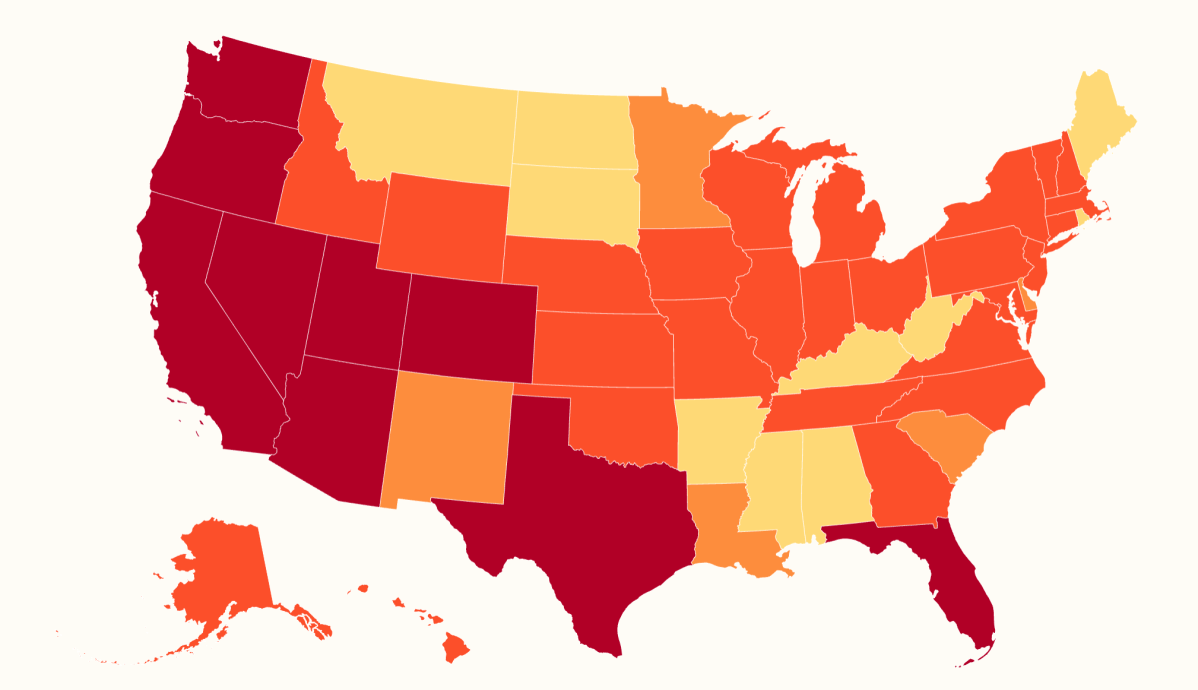

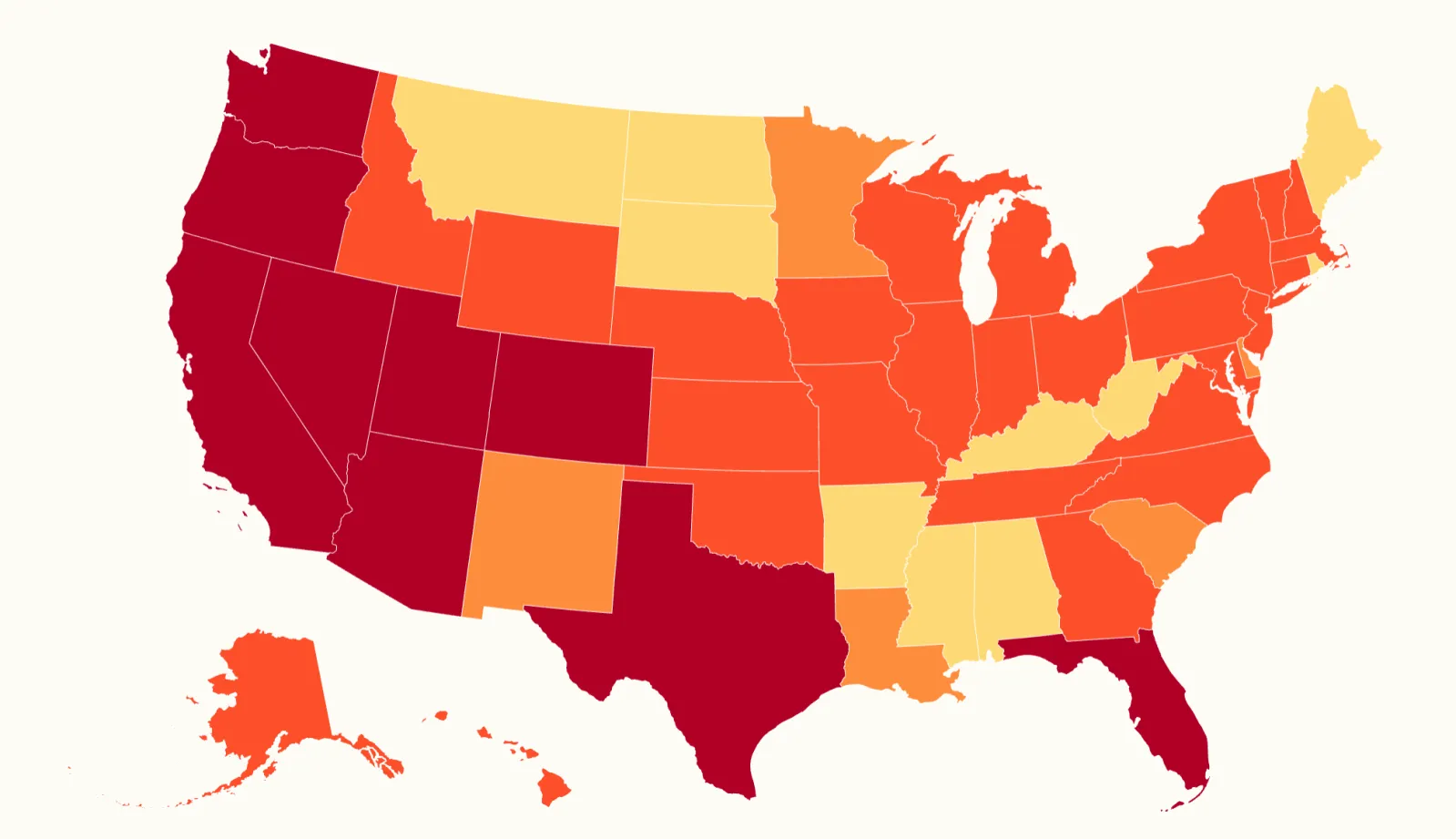
Not a single state in the country has an adequate supply of affordable housing for renters with extremely low incomes, according to a new study by the National Low Income Housing Coalition (NLIHC).
The same shortfall is present in every major metropolitan area in the nation, researchers at the nonprofit organization found—showing just how dire the U.S. housing affordability crisis still is despite recent modest signs of improvement.
How Bad Is the US Shortage Of Affordable Rentals?The U.S. is facing a shortage of 7.2 million rental homes which are affordable and available to lowest-income renters, according to the NLIHC’s new report, 'The Gap: A Shortage of Affordable Homes'.
Lowest-income renters are described as those earning incomes at or below either the federal poverty guideline or 30 percent of their area median income, whichever is greater.
According to NLIHC’s estimates, there are about 11 million such households in the country. Hence, that means for every 100 extremely low-income renter households in the country, according to report's estimates, there are only 35 affordable rental homes available.
These households include some of the most vulnerable groups in the nation. About a third are in the labor force in low-wage jobs, another third are seniors, an additional 18 percent have a disability and roughly 6 percent are either students or caregivers, according to the report.
But while extremely low-income renters face a shortage of affordable rental units everywhere in the country, certain states offer much better opportunities than others.
Nevada had the lowest supply of affordable and available rental homes for lowest-income renters—only 16 for every 100 extremely low-income renter households. South Dakota, on the other hand, had the highest supply, at 73 for every 100 extremely low-income renter households.
What Does This Means for Extremely Low-Income Households?In the absence of affordable housing units, American renters are being forced to shoulder a bigger financial burden than they can carry. This, in turn, is stopping them from saving money and one day being able to become homeowners.
Dan Emmanuel, research director for the NLIHC, said that this negative loop is also damaging to the overall U.S. housing market.
“Extremely low-income renters must compete with all higher-income households for the limited number of rental homes affordable to them in the private market,” he wrote in the report.
The same affordability crisis that is affecting the lowest-income households is affecting those who earn better as well, even if not as dramatically. After years of rising home prices and historically elevated borrowing costs, hundreds of thousands of Americans have been either locked into their homes by lower mortgage rates or unable to save enough money to step on the property ladder.
This has led to the growth of the U.S. renter population, which reached over 45 million in the fourth quarter of 2024, according to Redfin. But when higher-income households do not move forward in the market, freeing more affordable properties while chasing higher-priced ones, the share of affordable units available to those on a lower income shrink even further.
“Addressing the needs of the lowest-income renters requires expanded federal commitments to bridge the gap between low incomes and rental costs through rental assistance, produce new affordable housing, preserve existing affordable homes, and remove barriers to housing production,” Emmanuel said.