
Remember me







This week, House Republicans once again passed legislation to fully fund the Department of Homeland Security (DHS) for the next year. But unfortunately, that won’t be enough. This DHS shutdown will not end until Senate Democrats decide to end their political games.
Many congressional Democrats view the impacts of their newest DHS shutdown as short-term sacrifices meant to achieve their long-term political goals. But that is a miscalculation. Immigration and Customs Enforcement (ICE) already received billions of dollars through reconciliation last year and likely won’t face significant impacts from the shutdown in the short term. In addition, President Trump has now nominated a new DHS secretary, Senator Markwayne Mullin, to chart a clearer path moving forward.
Still, Democrats voted against funding DHS, even as a lapse in appropriations means a disruption in standard operations for DHS components that manage disaster preparedness, transportation security, and critical infrastructure resilience, as well as interagency coordination with other executive branch partners.
The vast majority of DHS personnel are typically deemed essential during a shutdown, meaning they are continuing their missions to protect the American people without knowing when their next paycheck will come. Continued financial uncertainty for personnel threatens to harm staffing levels, undermine morale, and cause even longer-term damage to the Department as a whole.
As a New York representative, it is outrageous that DHS is being undermined just 25 years after it was created in the aftermath of the worst terrorist attack on U.S. soil. As the conflict in Iran evolves, the threat of sleeper cells and lone actors remains dangerously real. From 2021 to the end of 2024, under the Biden administration, roughly 400 inadmissible aliens on the terrorist watchlist were encountered between ports of entry at our borders. Further, roughly two million known gotaways evaded the U.S. Border Patrol between ports of entry. It is impossible to ignore the possibility that some of these individuals entered the U.S. with the intent to cause harm.
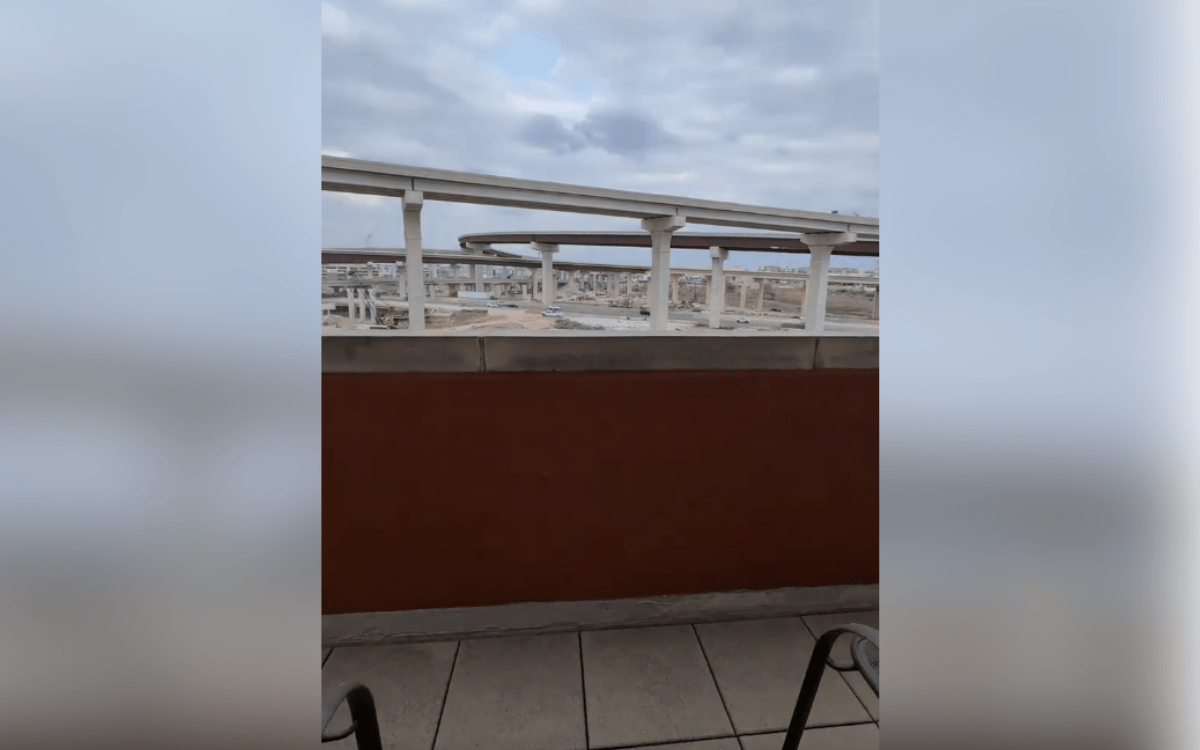
Over the weekend, several analysts within DHS’s Office of Intelligence and Analysis (I&A) were recalled from furlough in response to the unrest in the Middle East and a potential terrorist attack in Austin, Texas, which took multiple innocent lives. Joint Terrorism Task Forces, which include DHS, are working alongside state and local law enforcement agencies across the country to protect the public.
ICE Acting Director Todd Lyons testified in February that a DHS shutdown would have a significant impact “on the Homeland Security Task Forces and the men and women that are focused on the transnational crime and foreign terrorist organizations.” Coordination without all our resources and full operational capacity is a gamble, and Americans are the ones forced to live with the results.
Our adversaries are not limited to exploiting our physical borders. Iranian-affiliated cyberattacks jumped 133 percent in May and June of 2025 compared to the previous two months, amid U.S. and Israeli airstrikes. In the past, Iranian cyber actors have targeted small water districts, local energy cooperatives, and rural hospitals—entities that serve everyday Americans but often lack the dedicated cybersecurity teams or resources to defend themselves.
During the ongoing shutdown, only around one-third of the personnel at the Cybersecurity and Infrastructure Security Agency (CISA), our nation’s cyber risk adviser, are still on the job. While most critical infrastructure is owned or operated in the private sector, CISA’s Cyber Hygiene services, which provide free internet-facing vulnerability scanning for these entities, are now offline. If a water plant gets hit tomorrow by an Iranian cyber operation, Democrats will have to explain to their constituents why the federal agency responsible for preventing it was shut down.
Lastly, we are under 100 days from the largest sporting event in history, the 2026 FIFA World Cup, which will include matches held in 11 U.S. cities. The stakes could not be higher, as we know adversaries and other malign actors view mass gatherings as an opportunity to send a message on the world stage. But a FIFA host city official and law enforcement stakeholders testified to the Committee last week that worsening delays in Federal Emergency Management Agency (FEMA) grant funding could seriously undermine planning and coordination with state and local partners, along with the private sector.
DHS anticipates nearly five million fans will travel to the U.S. just for the World Cup games. As TSA personnel go without pay yet again, daily callouts and traveler congestion will reach a fever pitch as personnel look for other sources of income—impacting the resilience of our security posture. Even worse, TSA leadership testified last month that more than 1,000 Transportation Security Officers decided to leave the agency during last year’s historic shutdown.
The final World Cup game, held in New Jersey, will likely be designated as a National Special Security Event (NSSE), which the U.S. Secret Service (USSS) is primarily responsible for securing. In February, USSS leadership testified that a DHS shutdown would deal a serious blow to the morale and operational readiness of more than 8,000 personnel, especially the unpaid intelligence personnel working around the clock behind the scenes.
Now is not the time to let our defenses down in the face of escalating threats from the leading state sponsor of terrorism and other adversaries across the globe. Congressional Democrats need to make the right decision for the country and help us pass long-term funding for the department before it is too late.
Republican Representative Andrew Garbarino has represented New York’s Second Congressional District in Congress since 2021. He serves as chairman of the House Homeland Security Committee and also serves on the House Ethics and House Financial Services Committees.
The views expressed in this article are their own.