
Remember me



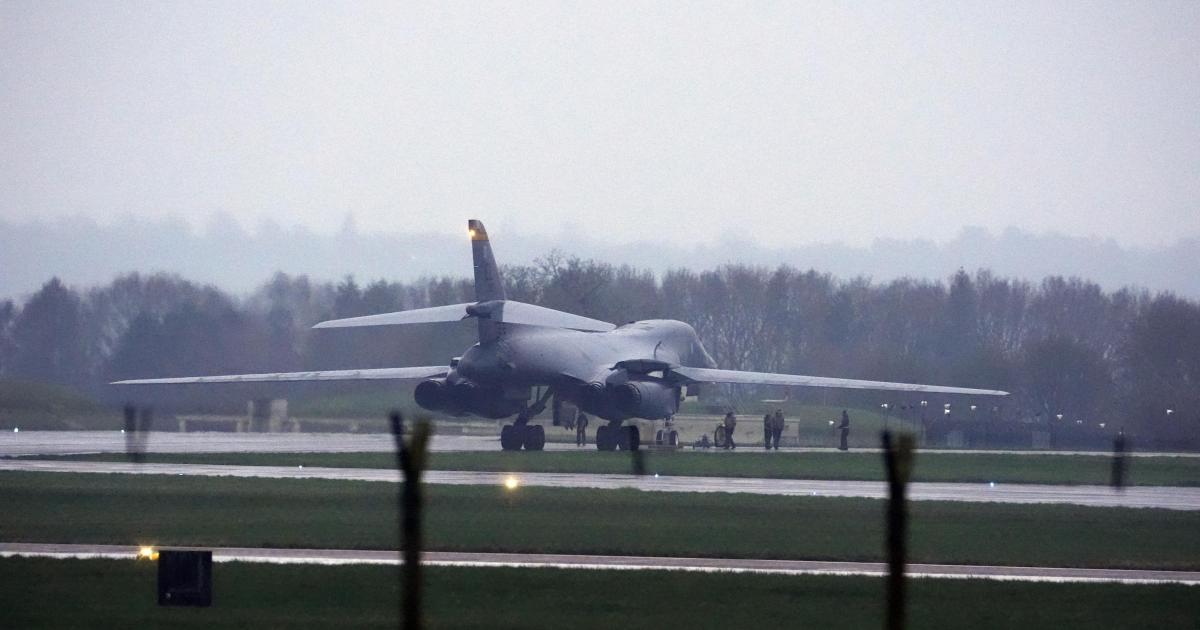
A 146ft Rockwell B-1 Lancer, a supersonic variable-sweep wing heavy bomber, was pictured arriving at RAF Fairford in Gloucestershire on Friday evening, with another three landing on Saturday morning.
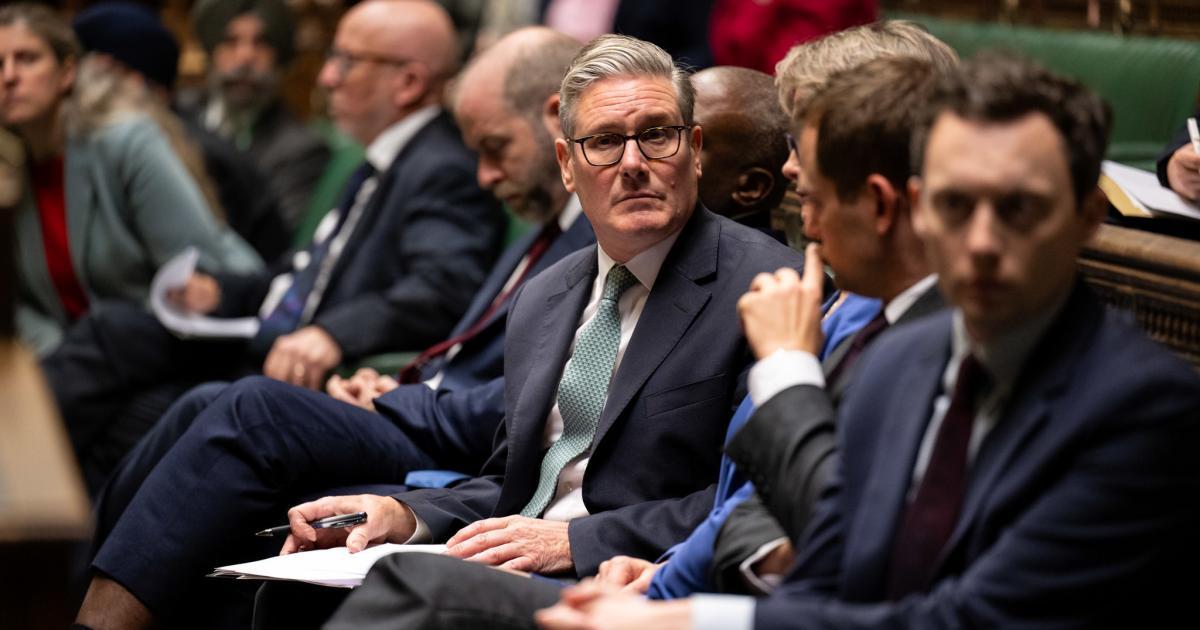
It comes after Prime Minister Keir Starmer granted permission for “defensive” US action against Iranian missile sites from UK bases.


A US Air Force C-5 Galaxy plane was also pictured on the runway at RAF Fairford, while armed US airmen were seen guarding the perimeter fence of the military base.


Armed forces chief Richard Knighton said he would expect the US to launch missions from the Gloucestershire base “within the next few days”.
A second UK Government charter flight carrying British citizens from Oman landed at Gatwick Airport at 12.30am on Saturday as efforts to help people trapped in the war zone continue.
A third will be leaving Muscat, Oman, on Sunday, and the Foreign Office is also exploring options to charter a flight from Dubai to bring people back from the Middle East, it is understood.
READ MORE: Iran apologises for attacking neighbouring countries
The latest arrivals join around 9000 Britons who have returned from the United Arab Emirates since widespread conflict began in the region.
Questions linger over the UK’s future role in the conflict, with Foreign Secretary David Lammy suggesting RAF jets could legally strike Iranian missile sites being used to attack British interests in the Middle East.
He said: “It is entirely legal to protect our people and protect our staff, and therefore all operational capability is available to us in those circumstances.”
Knighton, who is Chief of the Defence Staff, signalled that the UK could join more proactive strikes in the future, saying “campaigns and conflicts evolve over time”.
And in a call with Saudi Arabia’s de facto leader Mohammed bin Salman on Friday, the Prime Minister said the UK stands ready to help defend the country should it be needed.
It comes after Britain was criticised by allies over its response to the crisis, particularly over the defence of Cyprus, where a UK base was struck by a drone earlier this week.
Defence Secretary John Healey later confirmed the drone was not launched from Iran, with Cypriot officials stating they believe it was likely fired from Lebanon by Hezbollah.
Air defence destroyer HMS Dragon is not expected to sail to the eastern Mediterranean until next week while France and Greece have already deployed military assets to defend the island.

One reason it is taking some time to prepare the Type 45 destroyer is because it is being equipped to remain at sea for several months if required, rather than rushed into the eastern Mediterranean for a short period.
Starmer previously defended his decision not to permit America to use British bases in the opening assault against the Tehran regime, suggesting it could have been unlawful and arguing the Government must keep a “cool head.”
READ MORE: Mhairi Black: The US is not even trying to claim legitimacy this time
The Prime Minister agreed on Sunday to allow the US to strike Iran defensively from Fairford and Diego Garcia, an island in the Indian Ocean.
US defence secretary Pete Hegseth has warned that strikes were “about to surge dramatically”, referring to “more fighter squadrons, more defensive capabilities and more bomber pulses more frequently.”
It comes as Iran's president apologised for attacking neighbouring countries, claiming the country would not attack its neighbours "unless attacked first".
President Donald Trump had demanded Iran’s “unconditional surrender” as Israeli warplanes pounded Tehran and Beirut and Iran launched another wave of retaliatory strikes against Israel and Gulf countries on Friday.
Iranian president Masoud Pezeshkian rejected the call, saying it is "a dream that they should take to the grave".