
Remember me






You can get The National's Real Scottish Politics newsletter free and direct to your inbox every weekday.
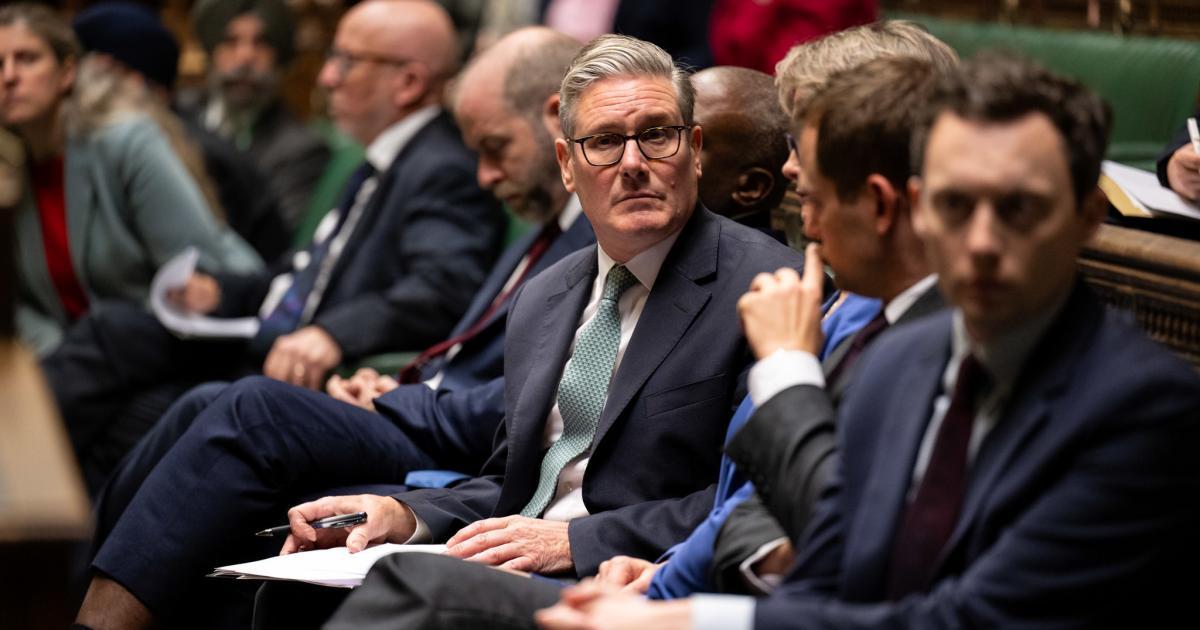
THERE are slow news days, and then there are days like today. On Monday morning, the devastating blaze in central Glasgow was still being tackled, football fans were still reeling from the ugly violence at the Rangers-Celtic cup tie , and Keir Starmer was battling criticism of his handling of the war in the Middle East.
But there was another headline that looks set to have much further reaching implications: the price of crude oil topped $100 per barrel for the first time since 2022, up more than 50% from around $66 per barrel before the US-Israel war on Iran began.
Gas prices have also skyrocketed in the past 10 days, rising 85% from around 78p per therm on February 27 to 144p per therm at the time of writing (according to Trading Economics’ price tracker).
Those price rises spell bad news for just about everyone. Fuel prices will go up. Food prices will go up. Inflation is likely to go up, driving down the value of savings and wages.
But there will be one winner: the oil and gas industry.

Just as back in 2022, the fossil-fuel giants will reap huge excess profits off the back of skyrocketing market prices. And just as in 2022, the UK Government has a windfall tax in place to claw some of that money back.
Introduced under the Tories four years ago in May, the Energy Profits Levy (EPL) took the marginal rate of tax on oil and gas activities in the North Sea to 75%. Labour, after taking power, put this up three more points to 78%.
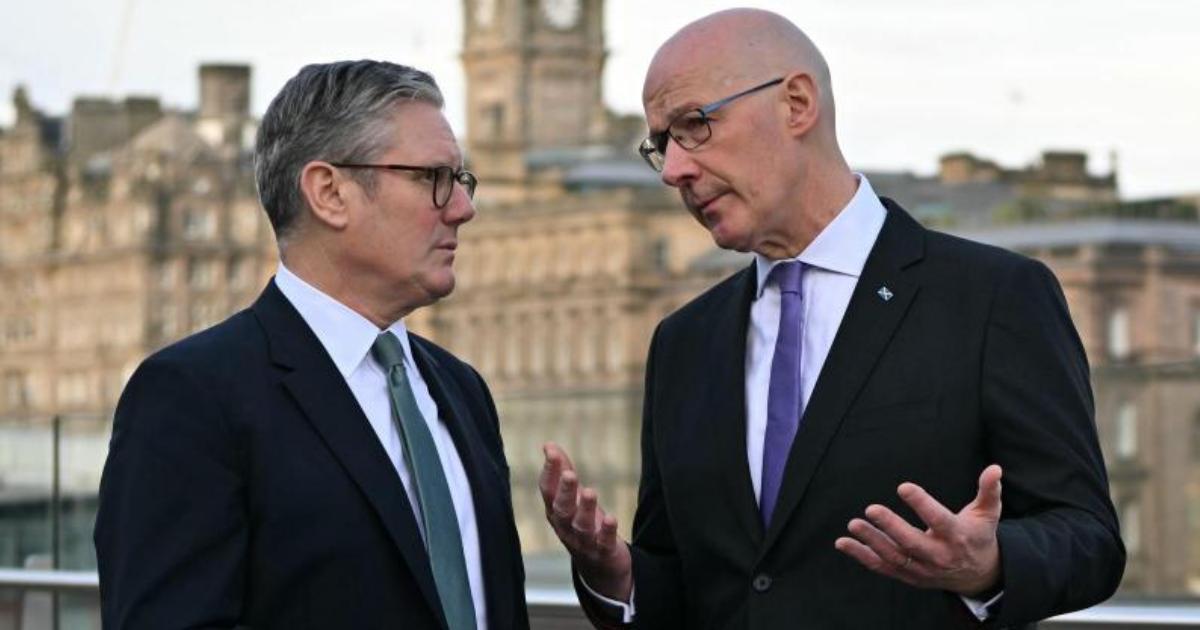
But unlike four years ago, there is now pressure on the UK Government to cut the EPL altogether. The SNP under John Swinney are leading the charge , with calls for an “immediate” end to the windfall tax.
But oil and gas firms are about to reap a massive windfall. So, I put to the First Minister on Monday morning, surely this is the wrong time to cut it?
“No, it's not,” he responded. “The Energy Profits Levy is essentially rendering near to impossible investment in the North Sea oil and gas sector, and it's resulting in the loss of jobs at a more aggressive rate than any of us envisaged.
“The upsurge in renewables has not been as fast to compensate for that loss of employment.”
Swinney argued that the management of a just transition away from fossil fuels “has become more difficult because of that imbalance between the reduction in oil and gas and the upsurge in renewables, and the price inflation in oil and gas prices is not going to change those investment decisions”.
Whether it is truly the windfall tax stopping oil and gas firms from investing in renewable energy is up for debate.
Last year, analysis from investigative campaigning organisation Global Witness found that Shell had paid out £18.2 billion in 2024 while simultaneously reducing its spending on "renewables and energy solutions" by 5% to around £2bn.
Another North Sea operator , Norwegian state-owned company Equinor last year cut its investment in renewable energy in half while at the same time increasing oil and gas production. And like the UK, Norway also levies a marginal tax rate of 78% on North Sea upstream petroleum activities.
US energy giant Chevron sold its assets in the North Sea in 2024 , saying that it had nothing to do with the windfall tax and everything to do with assets which remain “strategic and competitive”. BP had done similar four years earlier , before the EPL even existed.
It seems clear that it is not that these giants of industry cannot afford to invest in renewables or the North Sea, it is that they do not want to. Removing the windfall tax will not change that.
What it can change is perception. In the north east, the SNP are looking to win constituencies in the May elections, and their main rivals are the Tories and Reform UK. Labour don’t have so much as a look-in.
So, while Labour’s support for the windfall tax can do them little harm in Aberdeen or its surrounds, backing the levy could really set the SNP back. And with Stephen Flynn looking to jump parliaments in just that city, it seems unlikely the party would do anything to jeopardise his chances.
Will the SNP’s opposition to the windfall tax hold even through a huge windfall for the oil and gas giants? The smart money would say yes, until May at least.
You can get The National's Real Scottish Politics newsletter free and direct to your inbox every weekday.

Comments (0)