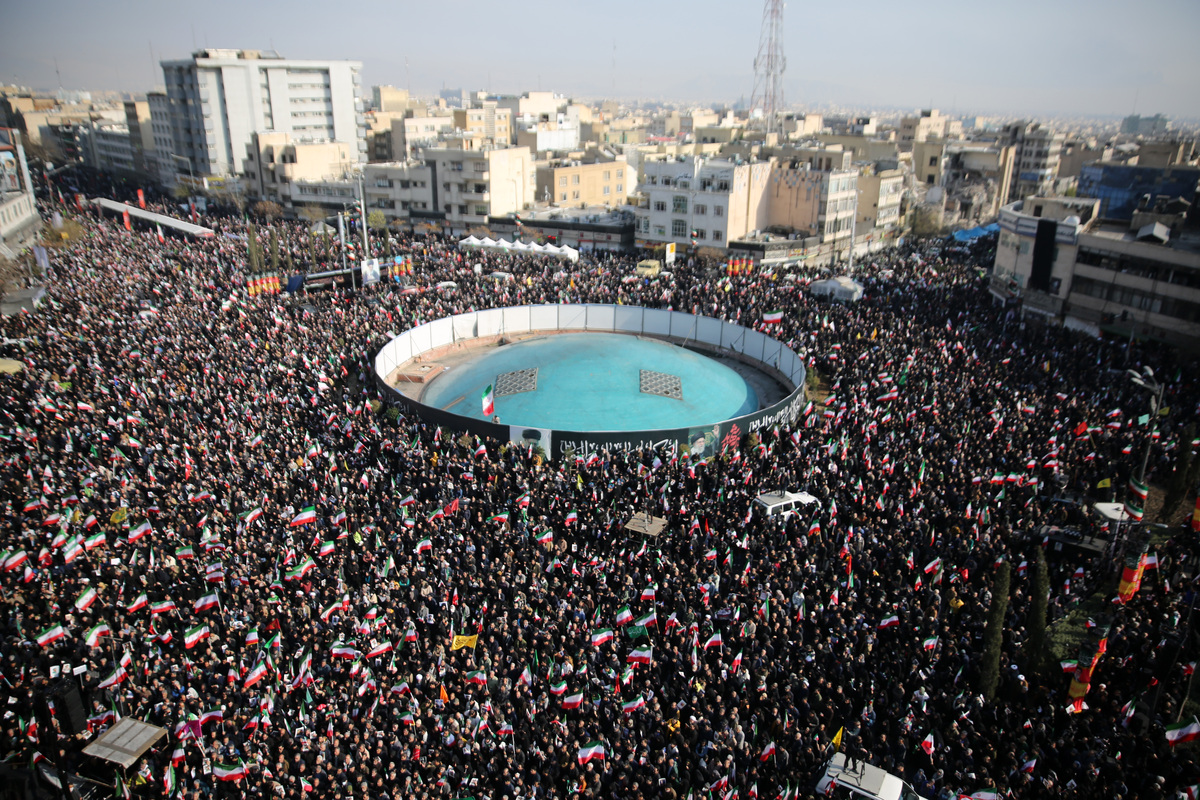
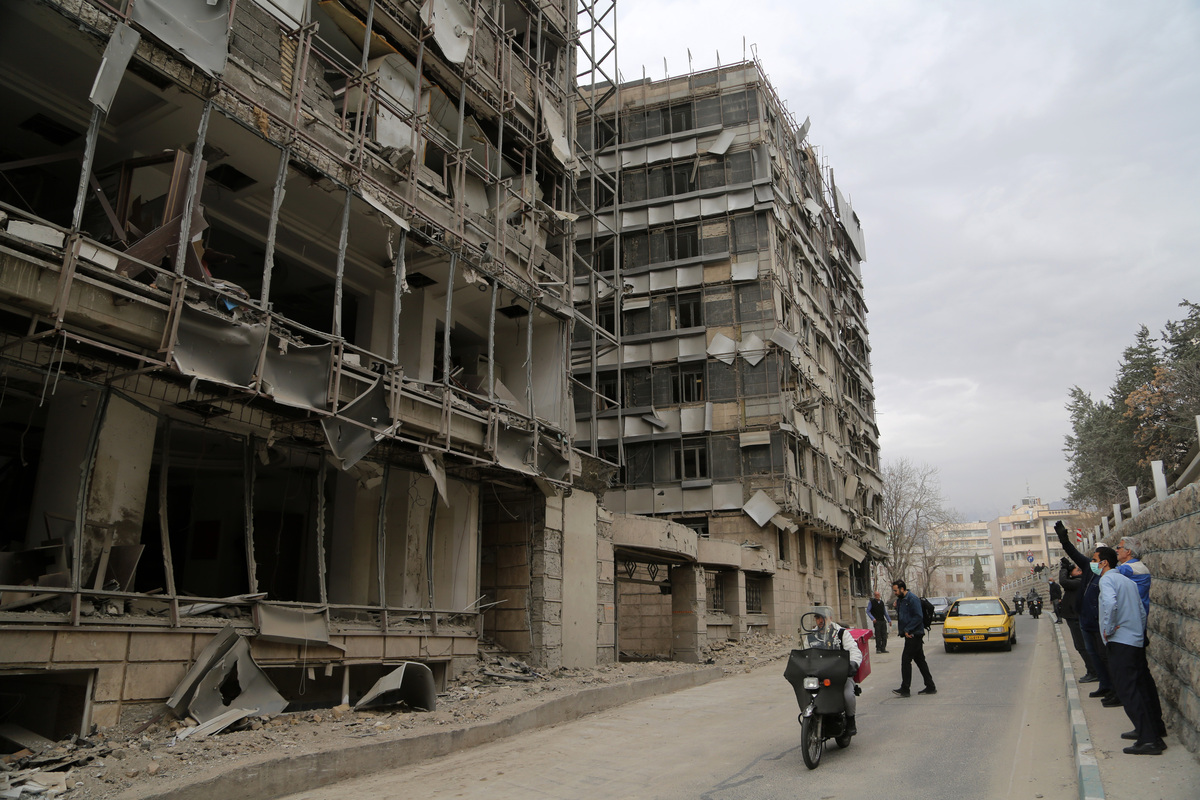
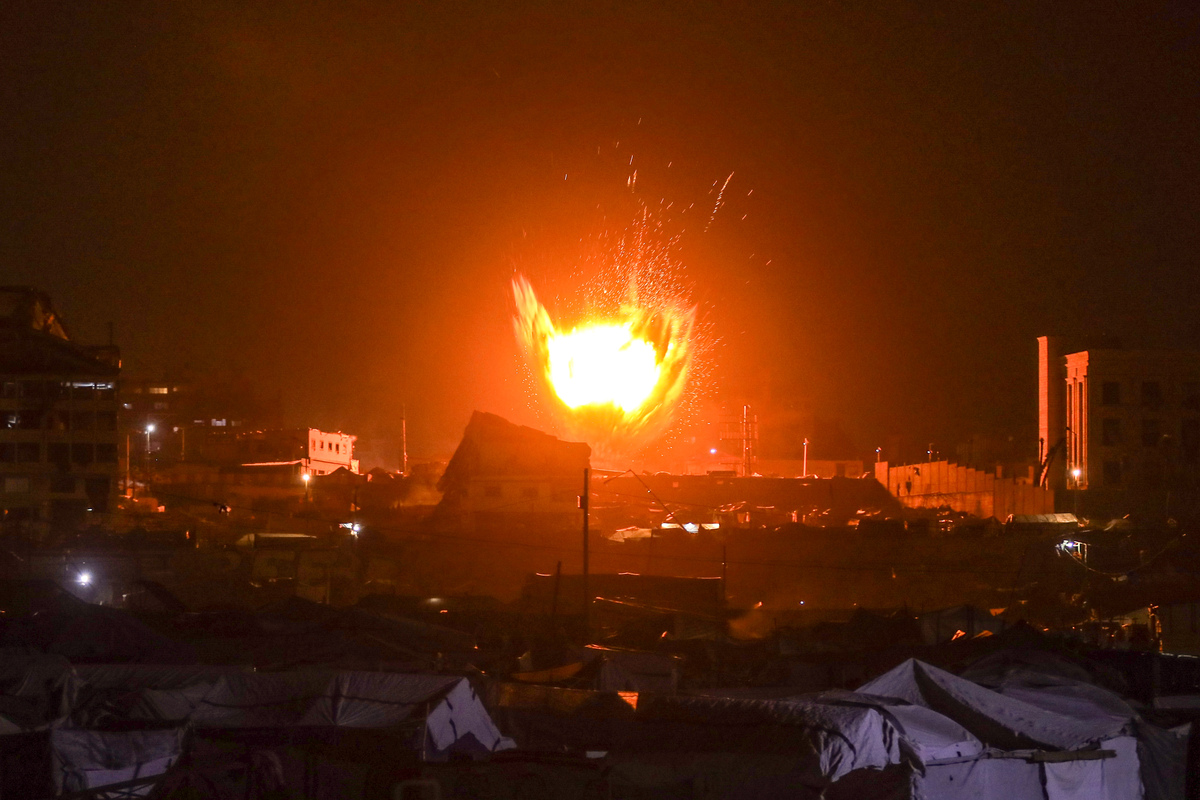
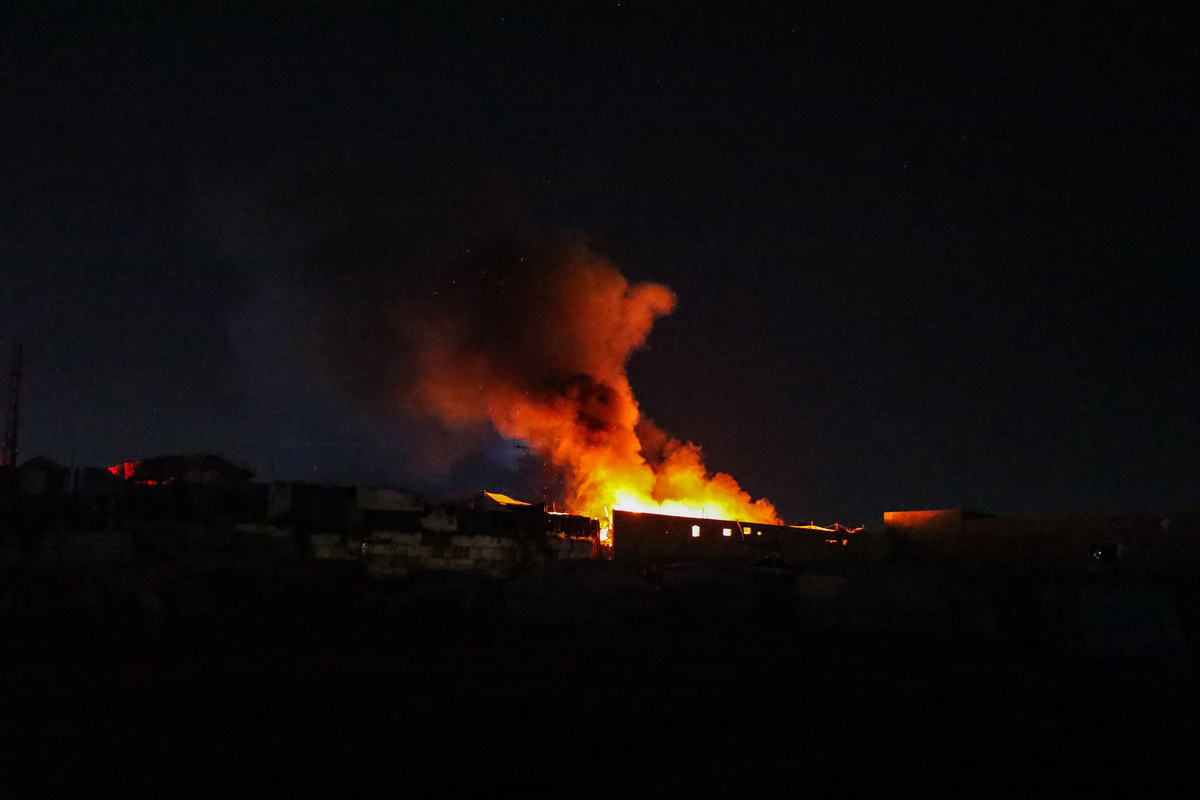
Indicators are mounting that the world is heading toward an era of multipolarity, signaling the twilight of the age of singular American hegemony and a redistribution of global power among multiple actors. The Chinese economy has expanded, approaching the size of the European Union’s economy and two-thirds that of the United States. China has emerged as a formidable technological leader; within just a few years, it has doubled the size of its nuclear arsenal while meticulously refining its conventional military capabilities. Meanwhile, the Russian-Ukrainian War has demonstrated Russia’s readiness to wage war, even to redraw borders, in defense of its national interests as a global power.
Furthermore, the BRICS bloc has expanded to include additional nations, thereby bolstering a system that stands in direct competition with the prevailing Western-led order. Concurrently, the number of global middle powers has risen at a remarkably steady pace, whether in the economic, political, or even military spheres, marking a series of shifts that further accelerate the transition toward a multipolar world. Standing in opposition to these transformations, the United States is
actively seeking to undermine them in an effort to preserve its global supremacy. Indeed, the policies pursued by Donald Trump since assuming office, ranging from imposing steep tariffs on both allies and adversaries, to reducing the military reliance of Western allies on Washington, and even attempting to seize control of Venezuela and Greenland by force, may well represent his strategy for demonstrating that the global order remains firmly anchored in absolute American unipolarity.
Yet, does Washington truly grasp that its ongoing strategic attrition in a peripheral conflict with Iran, pursued largely to serve the objectives and ambitions of Benjamin Netanyahu is, in fact, depleting the very capabilities it requires to confront its true peer competitors, most notably China and Russia, in the super power competition that lies ahead?
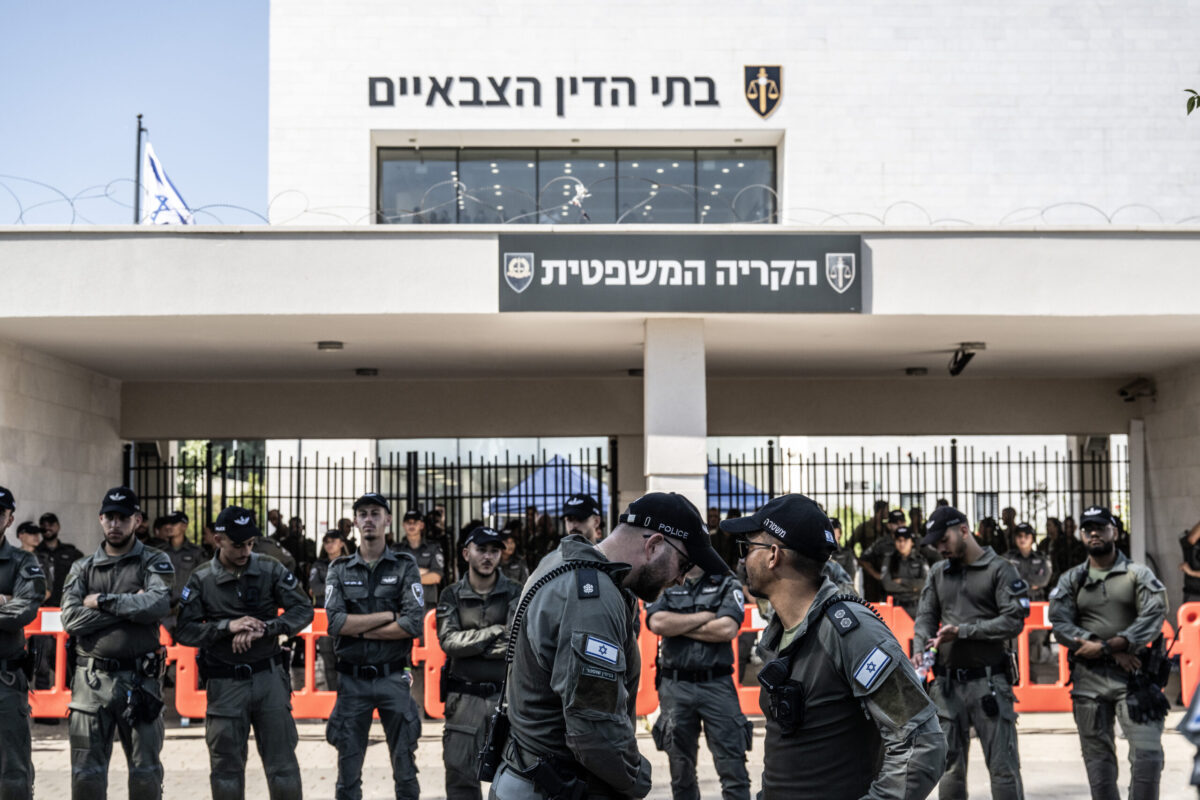
Israel is regarded as the primary architect of the current war against Iran, a conflict it is waging at minimal cost thanks to its partnership with Washington. Opinion polls in Israel reveal substantial majority support for a war against Iran, provided it is conducted within the framework of this partnership with Washington; however, such support diminishes significantly if Israel were to launch a war against Iran unilaterally. Israel believes that the current moment and circumstances are opportune for exploiting Iran’s vulnerability in order to neutralize it, particularly in the wake of the Gaza War and the weakening of Hezbollah in Lebanon, thereby reshaping the landscape of the Middle East and the region’s alliances. This strategy is also driven by Netanyahu’s domestic ambitions, specifically those linked to upcoming elections and the retention of power.
READ: US-Israeli attack on Iran pushed region toward critical breaking point: UN chief
On the other hand, Washington is waging a war against Iran without offering a politically or militarily compelling domestic justification, without support from Congress, without backing from the American public, and without a mandate from the United Nations or an alliance with Washington’s friends. Moreover, there was no imminent threat of Iran acquiring nuclear weapons or launching attacks against the United States, its allies, or its partners in the Middle East. According to a poll conducted by Israel’s Channel 12 at the end of last month, a large majority of Israelis supported launching a joint U.S.-Israeli attack on Iran. Conversely, a recent CNN poll revealed that 60 percent of Americans oppose such a war and demand that Trump obtain congressional approval for any additional military engagement. Many Americans, particularly those within the “Make America Great Again” (MAGA) coalition, question the utility of this war, especially in light of Trump’s earlier promises to his supporters not to launch any new wars.
Washington has failed to realize the strategy, formulated during President Barack Obama’s tenure in 2011, of “pivoting toward Asia” and reducing its commitments in the Middle East. This strategy was intended to counter the rapid rise of China, which poses the greatest threat to the future of the unipolar international order led by Washington. Although this strategy has remained a consistent theme in the policies of subsequent administrations, indeed, China was cited more frequently than any other U. S. adversary in last year’s National Security Strategy, while the United States is, day by day, scaling back its military presence and alliances in Asia in favor of the Middle East and the protection of Israel.
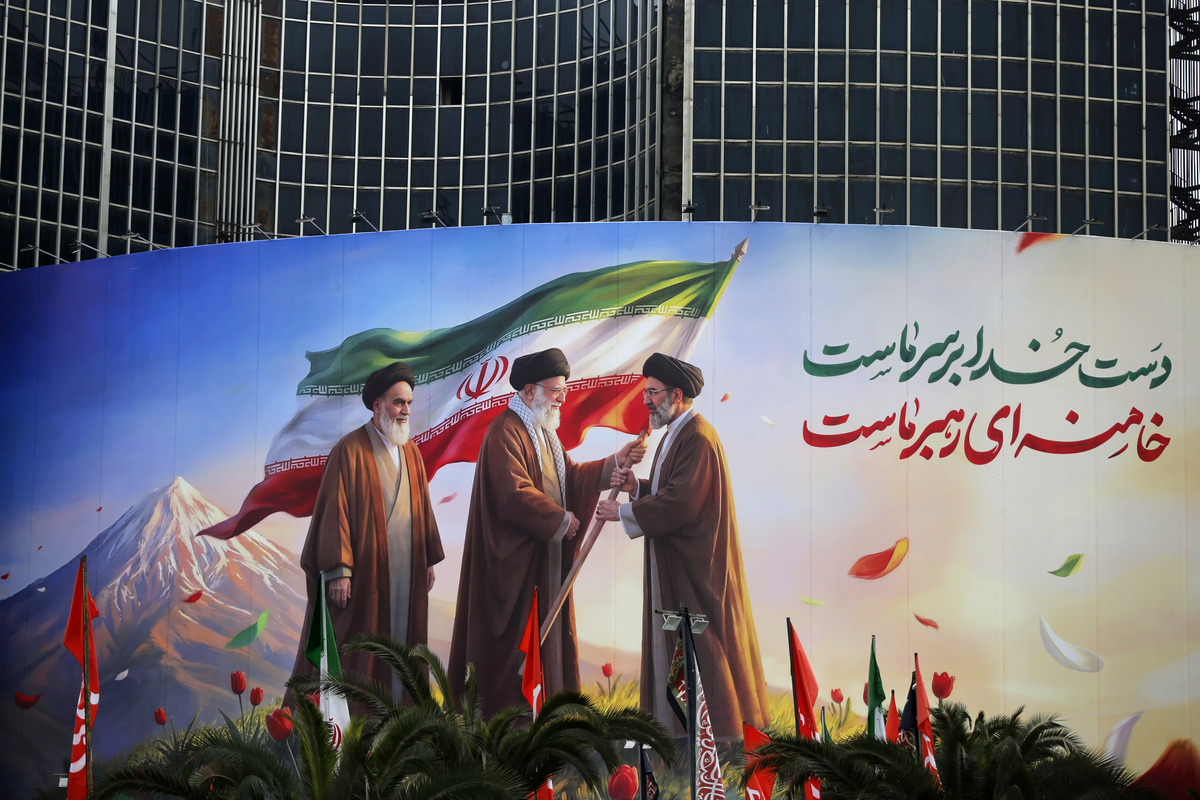
Although the overthrow of the regime in Iran remains Israel’s declared objective, and was the primary goal cited by Trump when he initiated the offensive against Iran late last month, Israeli analysts and U.S. officials alike now agree that achieving this aim is exceedingly difficult. In the wake of the assassination of the Supreme Leader and several Iranian commanders, the United States resorted to calling upon the Iranian people to rise up against the regime, a call that, too, failed to materialize. Within this same context, Washington moved to arm Kurdish militias in northern Iraq to launch an invasion of Iran and topple the regime. Concurrently, Israel carried out airstrikes against border posts, as well as police and military positions, along the northern frontier between Iran and Iraq to pave the way for these militias.
This comes despite the consensus among many American think tank experts that the collapse of the regime in Iran without a clear political arrangement would cause “destabilization” in the region and pose a significant threat to American interests.
In a recent Brookings analysis, it was warned that regime change is the “most dangerous” vulnerability in the war, as all possible scenarios are bad. Brookings describes this path as potentially leading to a “lose-lose outcome,” meaning a lose-lose result for everyone.
The Council on Foreign Relations (CFR) also believes that the immediate effects of regime collapse could be “highly problematic,” igniting cross-border unrest or separatist tendencies that would harm the Gulf region and regional neighborhood, as well as the region’s security and economy, representing the most difficult scenario for the United States. The RAND Corporation also believes that any disorderly collapse in Iran threatens not only the balance of power but also trade, energy, and regional stability, issues that directly affect American interests and those of its allies in the region. Although there are American centers that support the fall of the regime in Iran, albeit limited compared to the previous trend, such as the Washington Institute, which is close to Israel, these centers do not provide a clear vision of the consequences of that collapse on the region and on Washington’s interests.
READ: Israeli officials say overthrowing Iran’s regime could take a year
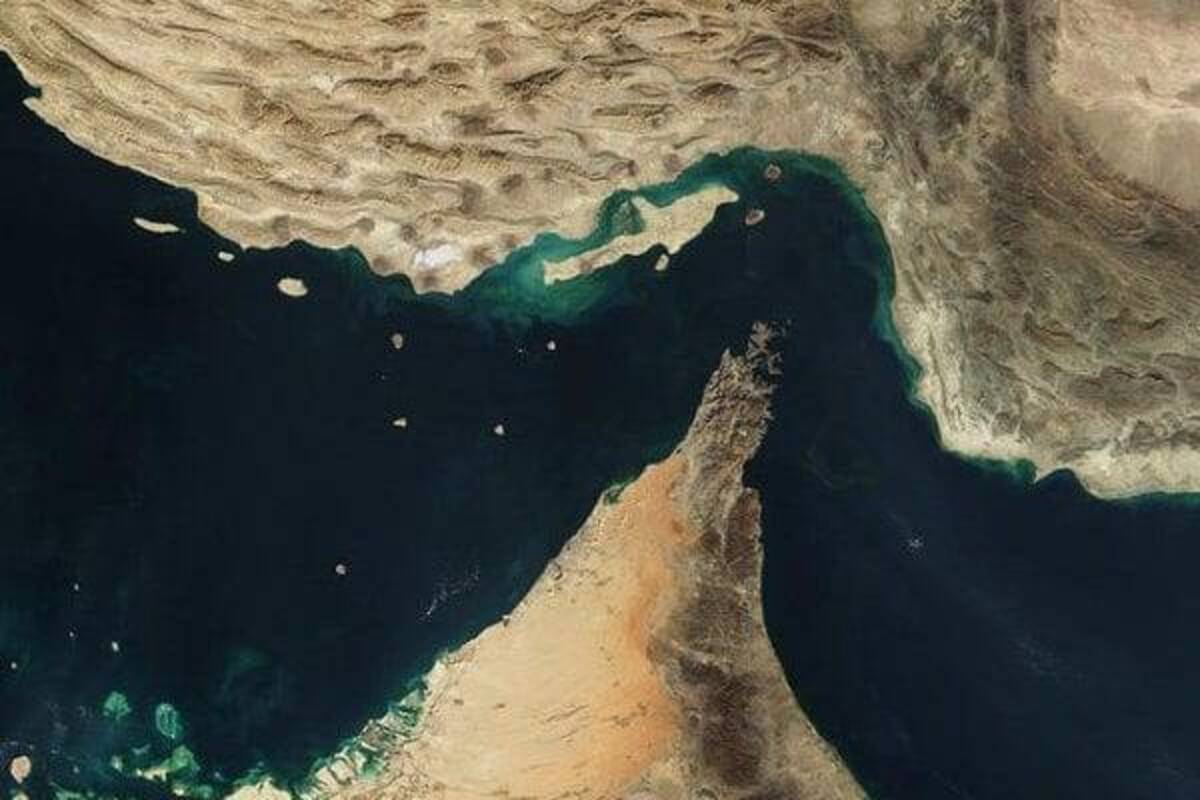
Iran has chosen to stand firm in the face of U.S.-Israeli war, adopting a strategy of “horizontal escalation” in an attempt to alter the trajectory of the attacks directed against it. This strategy entails expanding the geographic scope of the conflict and prolonging its duration, thereby seeking to divert it away from a concentrated, “vertical” focus on a single front. Consequently, Iran has deemed any nation hosting U.S. military bases, or providing support to the United States in its attacks against Iran, to be a legitimate target for its projectiles. The horizontal escalation strategy adopted by Iran also encompasses an effort to alter the adversary’s perception of risk.
By raising the political and economic costs for Gulf states hosting U.S. military bases, Iran has compelled a recalculation of strategies, not only among the Gulf nations themselves but also within Washington. Indeed, President Trump acknowledged that the targeting of U.S. military bases, following the joint U.S.-Israeli assault on Tehran, came as a surprise to Washington. Recently, the United States requested that Israel cease striking Iran’s energy infrastructure, specifically its oil facilities. This marks the first instance since the outbreak of the current conflict in which Washington has exerted pressure on Israel to halt a specific type of attack. Israel has, in fact, bombed dozens of Iranian fuel depots, actions that have provoked Washington’s displeasure. Emerging from this conflict, after having spent decades scrupulously avoiding direct military confrontation with both the United States and Israel. Iran may well emerge even more determined to pursue nuclear armament as a means of deterring any future acts of aggression by Israel.
Despite targeting sites in the Gulf states, the Iranian leadership attempted to de-escalate tensions with these countries. Iranian President Masoud Pezeshkian apologized, emphasizing that Iran does not seek to attack its neighbors, but rather the American bases located within their borders. As for the Gulf Arab states, which found themselves unwillingly embroiled in this conflict due to the presence of American bases on their soil, while condemning the Iranian attacks and considering them a violation of their sovereignty, they insist they have no intention of becoming a party to this conflict, engaging in a regional war, or allowing their territories to be used as a launching pad for attacks against Iran.
For years, these countries have pursued a policy of strategic isolation, attempting to distance themselves from the American-Iranian conflict. In recent years, the Gulf states have worked to reduce tensions with Iran after years of strained relations and do not wish to reignite those tensions. These countries desire to maintain political stability, which provides them with economic security and shapes their desired future. Therefore, Gulf reports and studies have begun to focus on the Gulf security dilemma posed by these American bases, discussing the possibility of diversifying Gulf security options and developing local defenses without relying on the American presence. This represents an additional loss for Washington, as it exposes to the Gulf states, Washington’s traditional allies, Israel’s negative role in the region, especially after the destruction of Gaza and the current war against Iran.
READ: US spends over $11 billion in first week of war against Iran
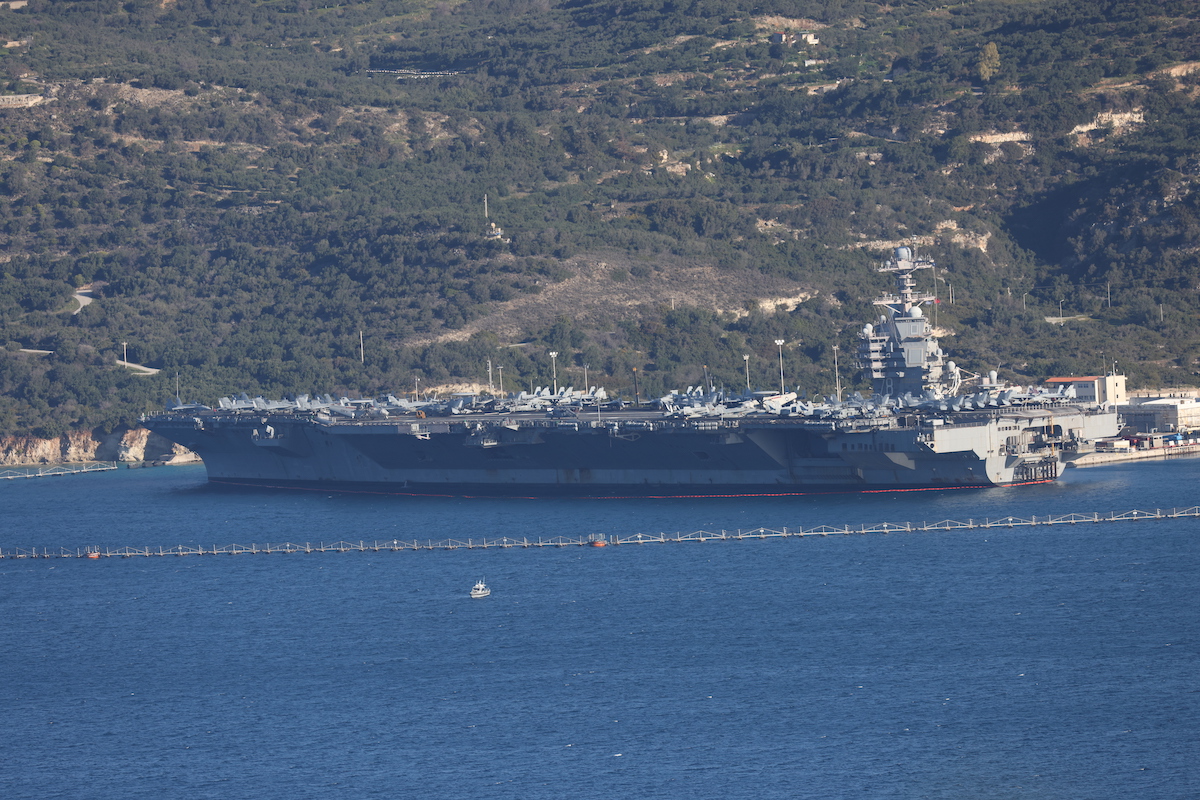
The British government’s decision to cancel plans to deploy the aircraft carrier “Prince of Wales” to the Middle East, and London’s choice to limit its involvement in the U.S.-Israeli war against Iran, came after it had already deployed Typhoon and F-35 jets, as well as the destroyer HMS “Dragon”, which is capable of intercepting ballistic missiles. Within Britain, there is political opposition to expanding involvement in the war, alongside public reservations regarding direct military engagement in the conflict with Iran.
Despite Washington’s request for assistance from its Western allies in this war against Iran, most chose not to participate in a direct military offensive. Britain proved to be the most cooperative ally; several other nations, such as France, opted for limited defensive intervention, while Spain flatly refused to cooperate with Washington in any aggression against Iran. Left-wing political parties in these countries oppose their governments’ participation in this war.
Earlier this month, Cyprus witnessed the first Iranian missile strike targeting a British military base situated on its soil. This incident sparked public outrage and led to demonstrations demanding the closure of the two British bases in Cyprus and insisting that they not be used as staging grounds for military operations in the Middle East.
This incident reignited the pre-existing debate regarding the utility of these bases, which have previously been utilized in military operations in Iraq, Syria, Yemen, and Gaza.
The Cypriot President issued statements affirming that his country is not participating in any military operations linked to the war in Iran. Furthermore, the Cypriot Foreign Minister raised the necessity of re-evaluating the long-term arrangements governing these British bases. Opinion polls across European Union member states indicate that a majority of the public opposes their nations’ involvement in supporting Israel in this conflict, a sentiment that is also mirrored by the majority of the British public.
European economies have incurred heavy losses following the disruption of Russian energy supplies in the wake of the Ukraine war, losses that could be further exacerbated by the current crisis in the Gulf. Amid growing European doubts regarding the United States’ commitment to the Old Continent, Russia stands to emerge as the primary beneficiary of these developments, particularly given that the U.S. has lifted sanctions on Russian vessels bound for India, as well as on the German subsidiary of Rosneft, the Russian oil giant. When will Washington realize that protecting Israel has become a heavy strategic burden?
OPINION: The War on Iran: America at the Center of the Storm
The views expressed in this article belong to the author and do not necessarily reflect the editorial policy of Middle East Monitor.