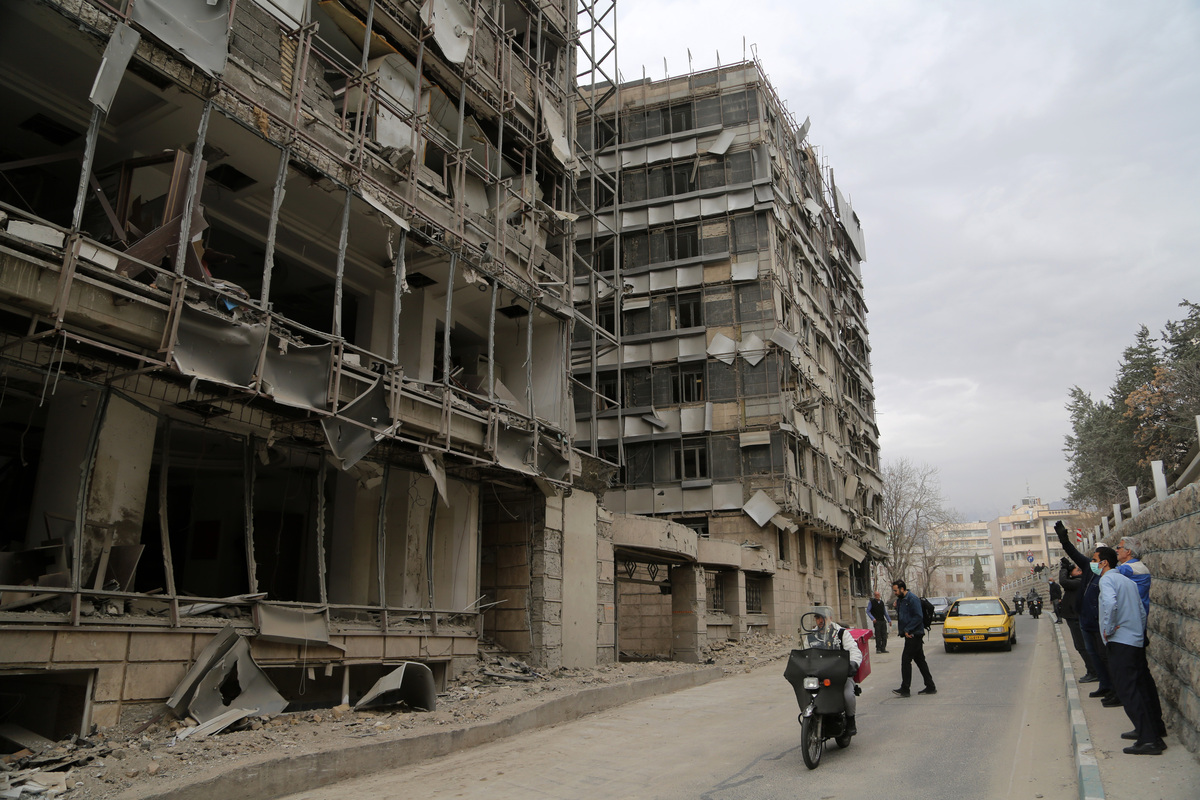
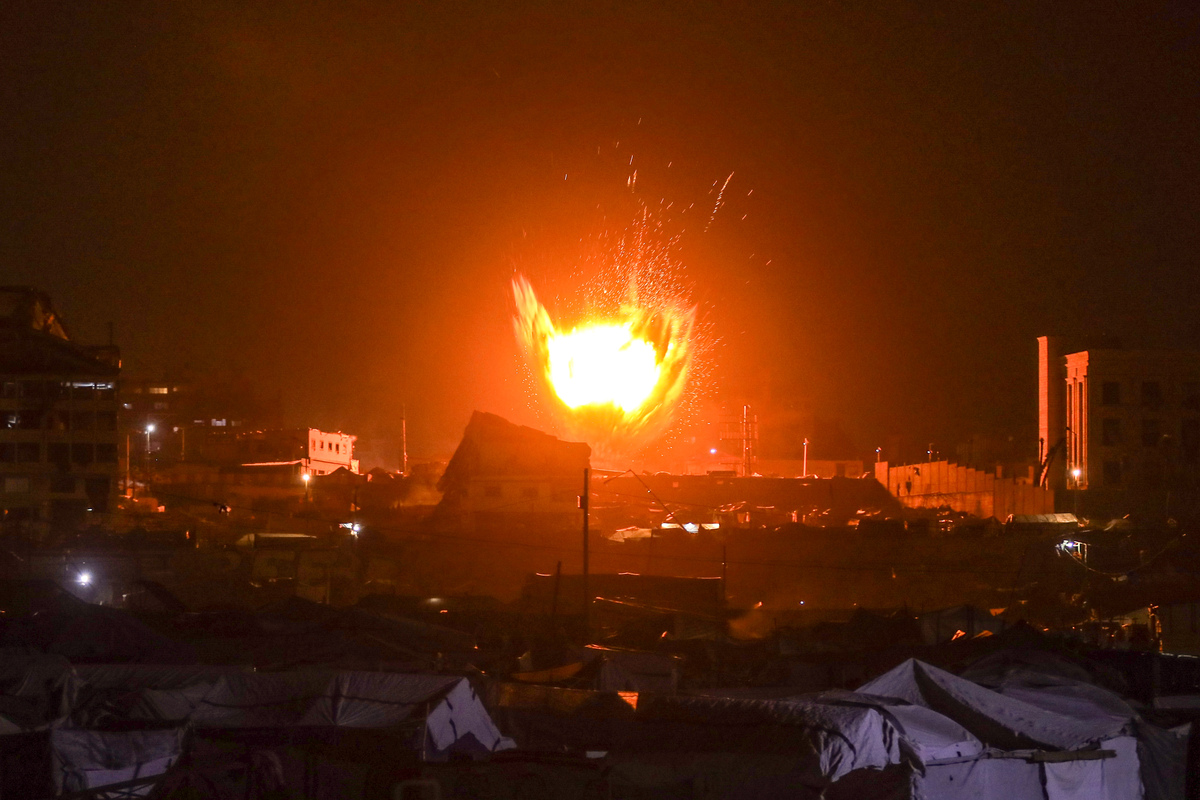
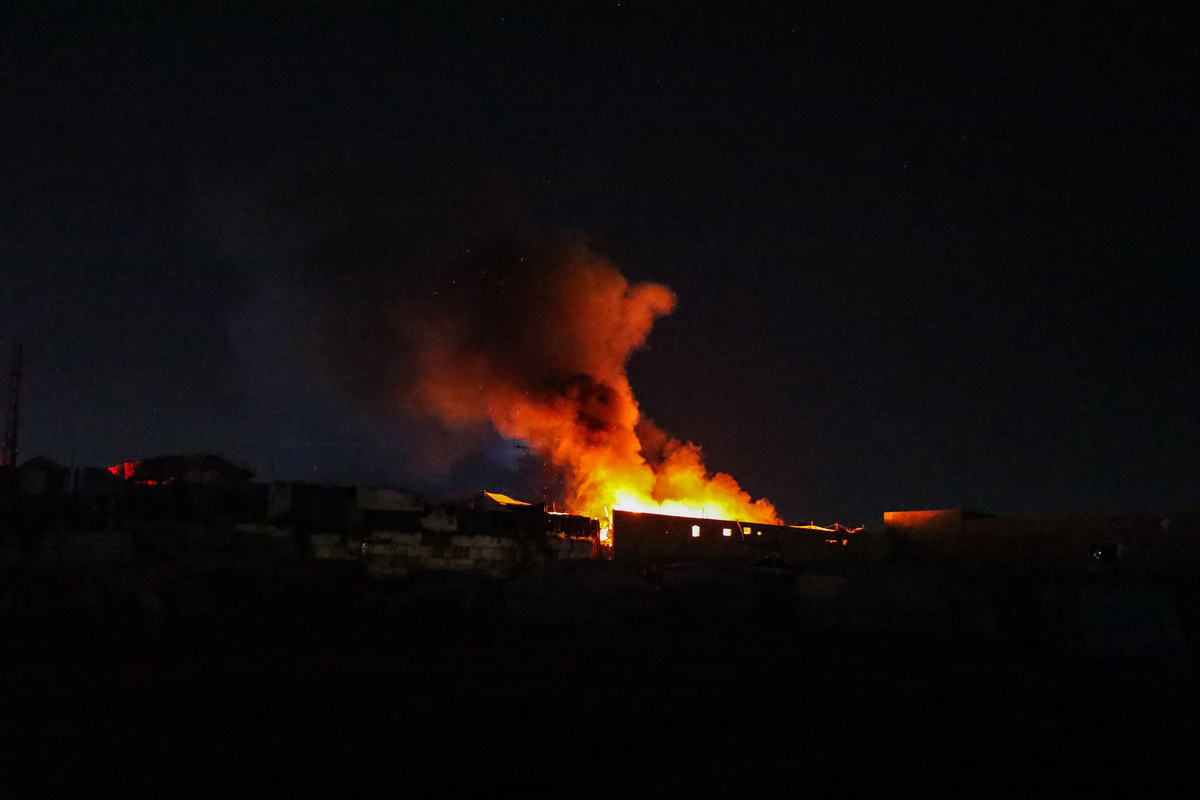
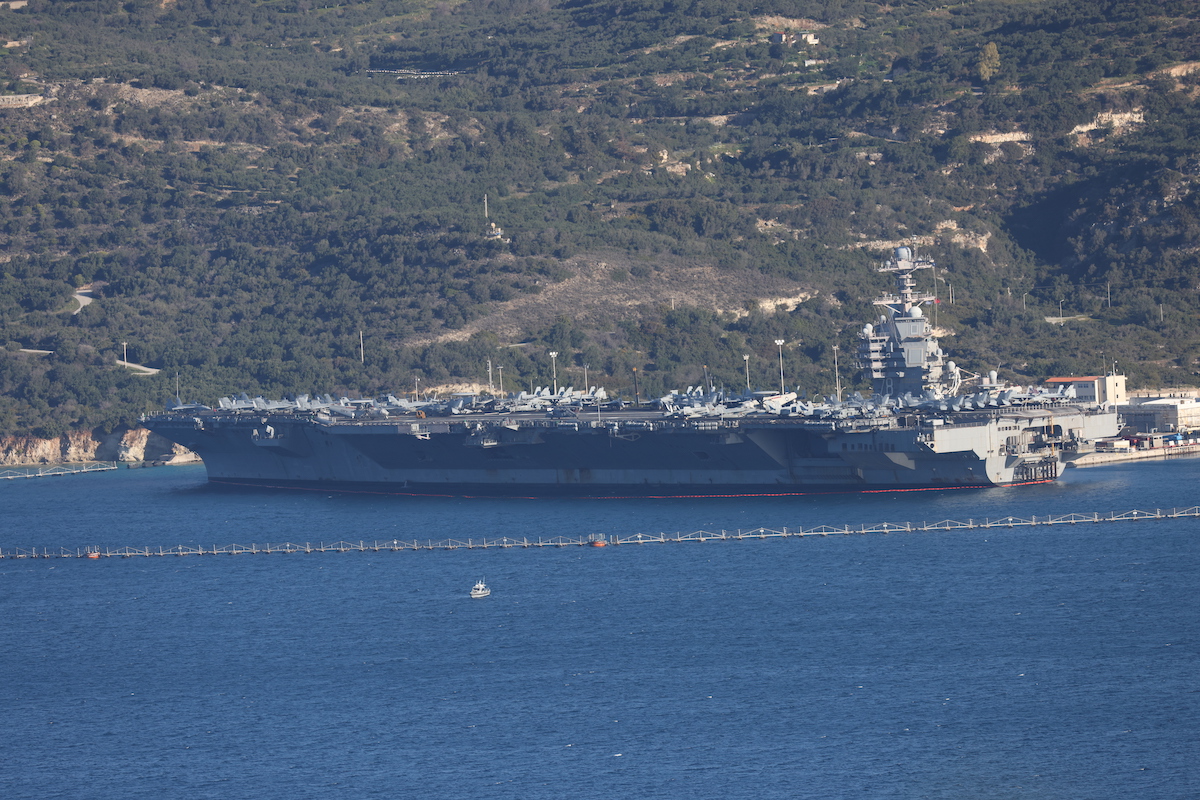
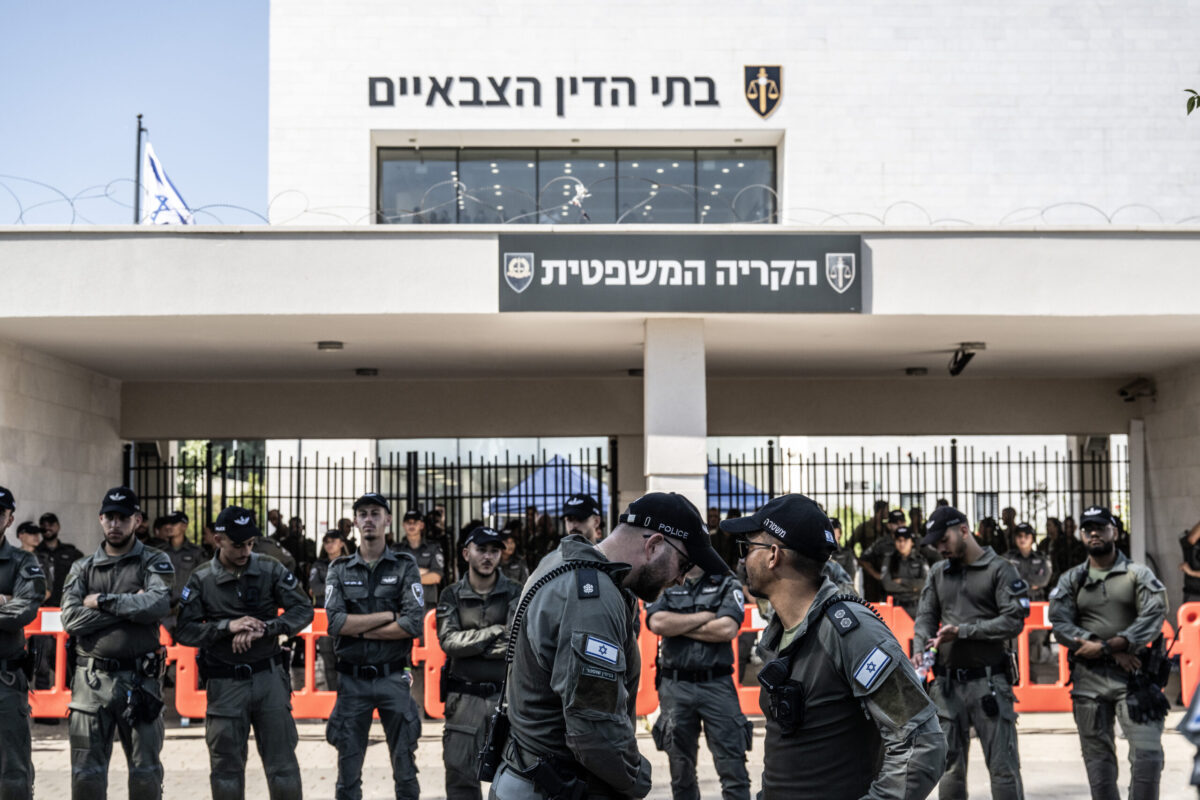
The war began with airstrikes and missiles. But the turning point may come from the economy. In this fight, Iran is trying to win by raising the cost, and oil is its strongest card.
Iran’s idea is simple: it cannot match the United States in air power or spending, so it will make the war expensive until Washington and the world feel the pressure. That is why oil prices matter more than speeches. A military campaign can last for weeks. A jump in fuel prices creates political trouble every day.
Iran is trying to widen the confrontation and keep markets nervous. The goal is not only to hit targets, but to turn the Gulf into a risk zone.
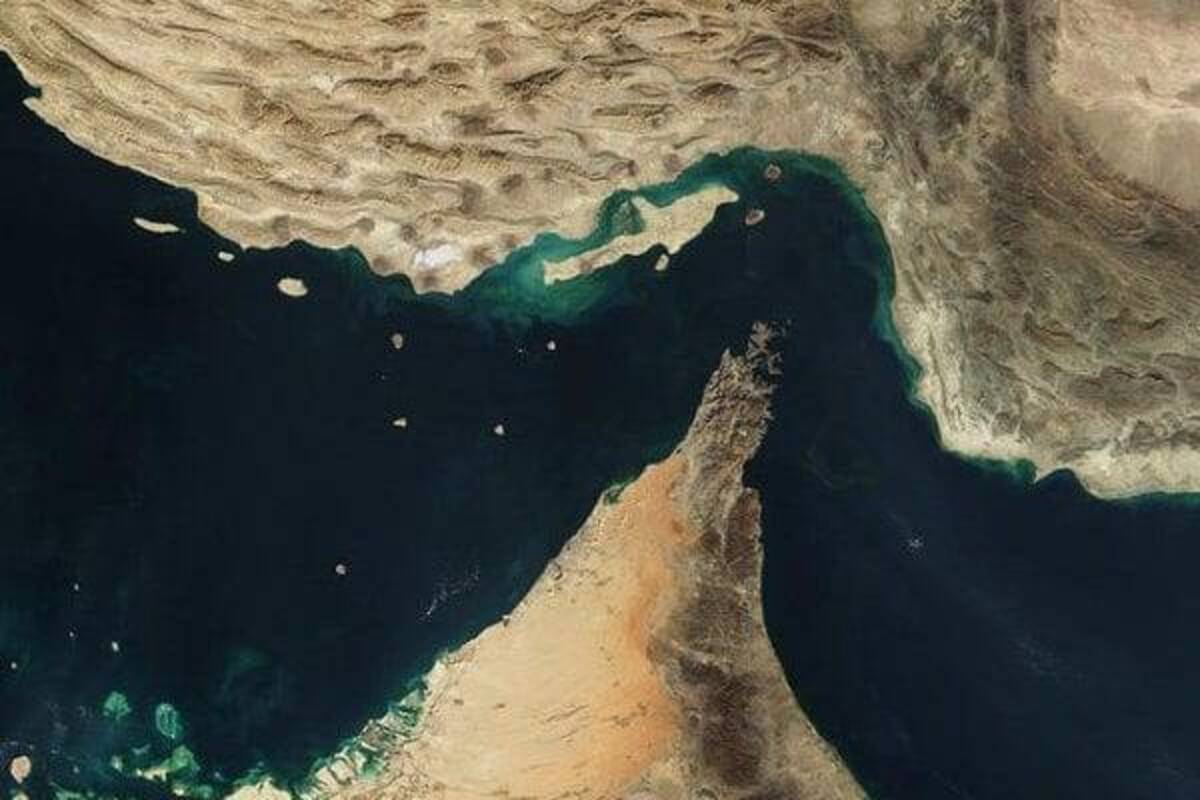
When the Strait of Hormuz feels unsafe, the impact is immediate: oil prices rise, shipping insurance becomes more expensive, and markets panic. That is how a regional war becomes a global problem.
This also explains why Trump’s recent remarks aimed at investors and voters, not only at Tehran. When oil rises fast, US politics reacts fast. Higher prices at the pump quickly become a domestic crisis. So Washington tries to calm markets while keeping military pressure in place.
Iran answered with a clear message: it will not let Washington decide when the war ends or on what terms. Tehran is signaling that it will not accept a ceasefire on someone else’s schedule. Even that message alone can push prices up again.
Why Hormuz matters
The Strait of Hormuz is one of the world’s main energy routes. A large share of Gulf oil and gas exports passes through it on the way to Asia and Europe. Even limited disruption can lift oil prices, raise insurance costs, and slow shipping. That pressure spreads into transport, food supply chains, and inflation.
Iran does not need to announce a full closure to create impact. It only needs markets to price in danger and they already are. This creates a domestic problem for Washington too. If oil stays high, inflation rises and fuel costs climb. No US administration can ignore that for long.
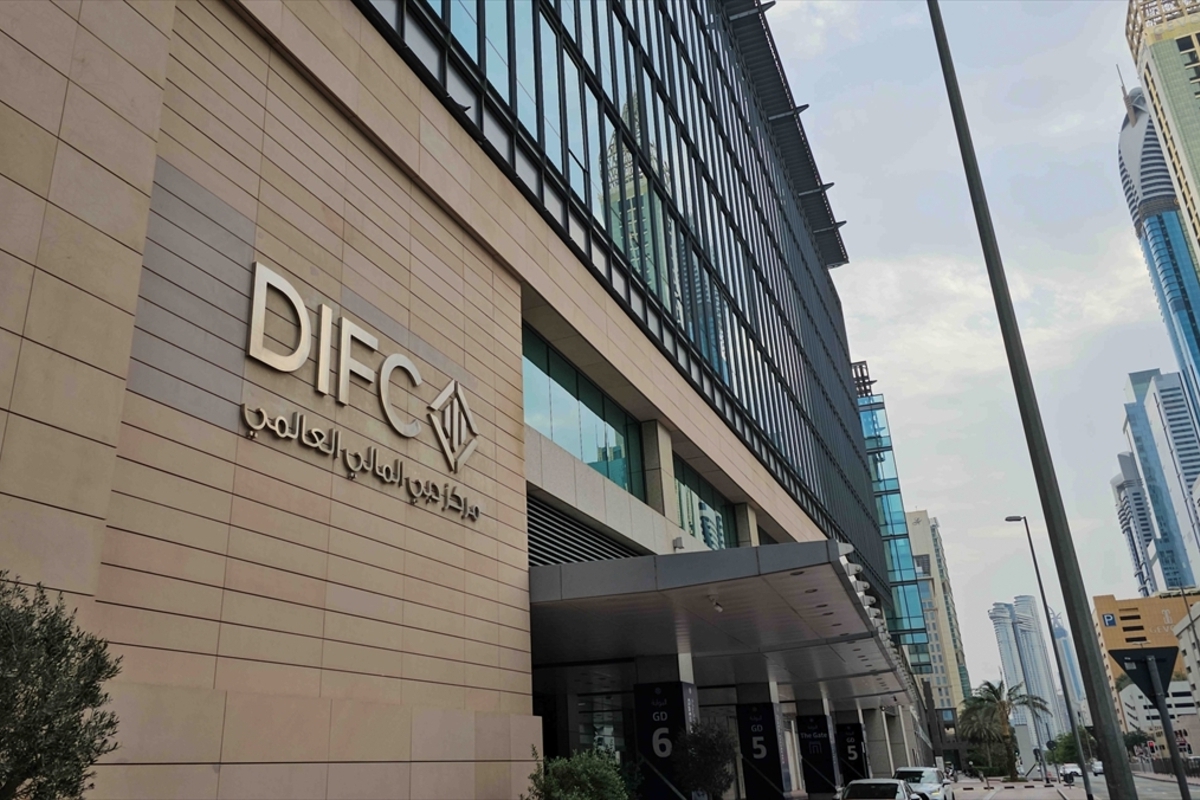
READ: Citi evacuates Dubai offices amid Iranian threats against US-linked banks
Iran is fighting an uneven war
Iran knows this is not an equal fight. So, it is not chasing a military victory. It is trying to avoid defeat, keep the state standing, and make the war painful for its enemies. Moreover, Iran’s size matters. It is a large country with a wide territory. That makes quick results harder. Targets are spread out, pressure is costly to maintain, and time becomes part of Iran’s defense.
That is why Iran uses more than missiles. It uses geography, regional influence, and the ability to raise economic risk in the Gulf.
The “Iranian street” bet failed
At the start, Washington and Israel expected another outcome: protests inside Iran. The idea was that heavy pressure, especially when killing prominent leaders, would push people into the streets and speed up regime collapse.
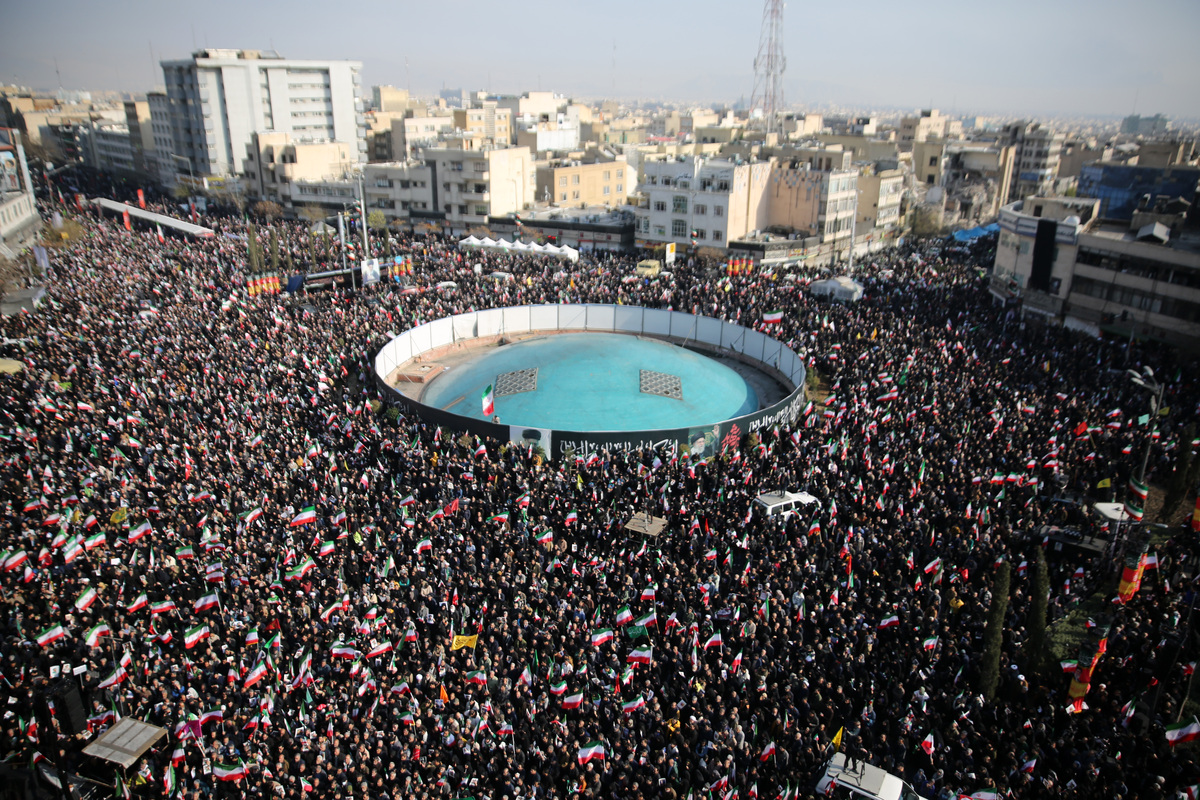
That did not happen. Many Iranians have real problems with their government, but foreign attack often changes priorities. When people feel the country itself is under assault, internal conflict can shrink, at least for a while. Survival comes first.
Bombing does not automatically produce uprisings. It can also produce fear, anger, and unity around the state. This is because Iranians discovered that the airstrikes were to destroy the nation and not for their freedom and for a national democracy.
The “leadership vacuum” bet also failed
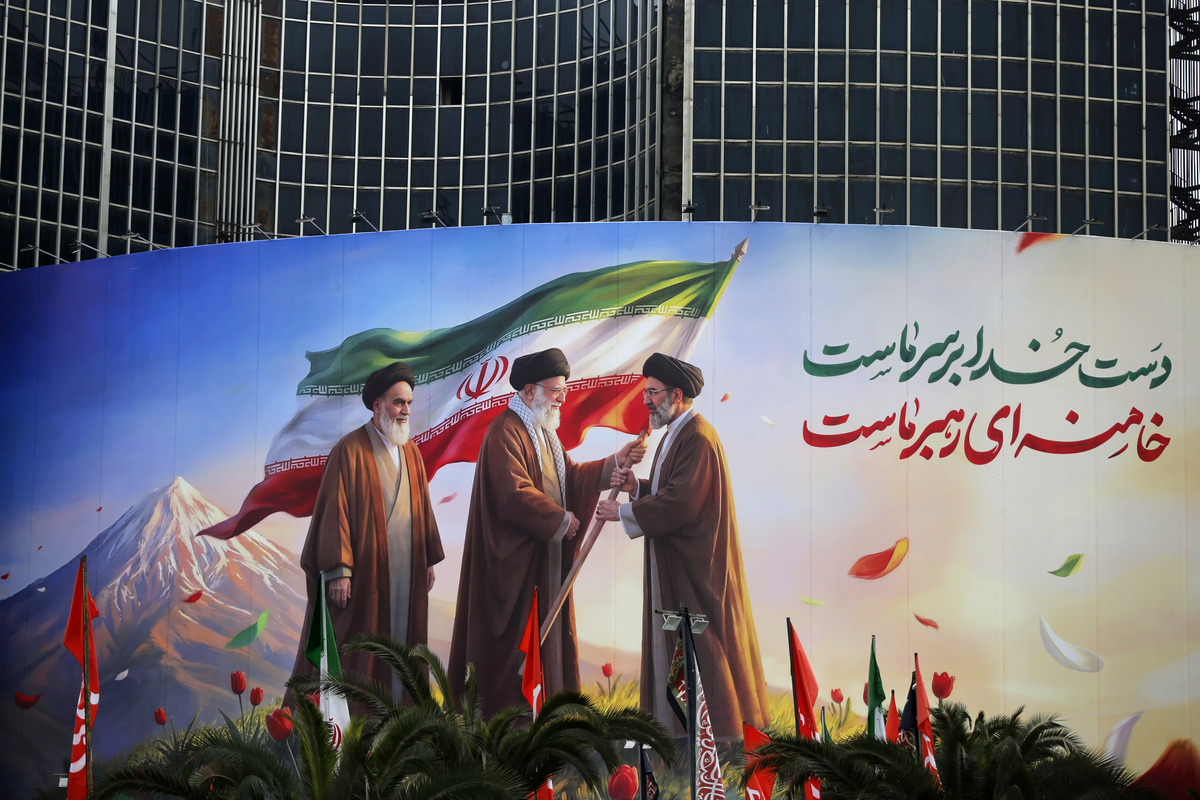
Another bet was that removing senior figures would paralyze the system. Iran moved quickly to prevent that. The state showed it can replace leaders and keep institutions working.
That is why succession talk is now part of the public discussion, including the name Mojtaba Khamenei. The key point is not the name. The key point is that Iran is trying to show continuity, not collapse.
A dangerous shift: Deterrence thinking
One long-term risk is not only military damage. It is the way this war could change Iran’s thinking about deterrence.
In Iranian debates, Saddam Hussein and Muammar Gaddafi are often used as warnings: both gave up major power and later fell. On the other side, North Korea is used as a different lesson: a state that built deterrence and forced the world to deal with it carefully.
If this war pushes Iran closer to that logic, it could reshape the region for years. A war sold as “containing Iran” could end up strengthening the hardest voices inside Iran.
Why talks are unlikely now?
Washington keeps mentioning diplomacy, but diplomacy needs one basic condition: clear goals.
Right now, Iran sees mixed and shifting messages from the US and Israel. One day the focus is the nuclear program. The next day it is regime change. Then it becomes talk of “unconditional surrender.” Then it shifts back to negotiations.
From Tehran’s view, it is hard to negotiate with opponents that have not decided what they want.
Trust is also broken. Iran believes the US left past agreements and changed positions during negotiations. It also believes strikes happened while diplomatic channels were still open, even when progress was being reported.
So, Iran’s main question is not what are the terms? but who guarantees this will hold tomorrow?
People propose the United Nations, but the UN has limited power when major states disagree and when binding guarantees are rejected. Iran knows paper promises do not stop future strikes.
READ: Israeli officials say overthrowing Iran’s regime could take a year
Iran’s bottom line: this cannot happen again
Iran’s main aim now is survival and protection against repetition. Tehran does not want a future where Israel can strike Iranian targets whenever it chooses, and the U.S. can escalate, then pause, then strike again.
That is why Iran is not rushing toward a ceasefire if it thinks the war will return in months or years. From Tehran’s view, stopping without strong guarantees only delays the next round.
Iran also believes Washington is under pressure; economically, politically, and militarily. High oil prices and market fear increase that pressure. The longer uncertainty lasts, the harder it becomes for Washington to claim the war is controlled and successful.
So who ends this war?
Wars start with military decisions. They often end when the cost becomes too high, or when the political risk becomes unacceptable.
Iran is trying to make the cost global, not local or regional. It is turning the Gulf into a pressure point for energy markets, shipping, insurance, and investor confidence. That will not defeat the US in the air, but it can reduce the appetite for escalation.
The danger is that this strategy could drag the region into a long period of instability. It could also push Iran toward harsher deterrence choices. I mean choices that would change the Middle East for a long time.
The war started with bombs. But the end may be decided by a number on a screen: the price of a barrel. And what that number does to politics far from the battlefield.
OPINION: Chaos without a goal: Why Washington’s war on Iran looks like a dangerous fiasco
The views expressed in this article belong to the author and do not necessarily reflect the editorial policy of Middle East Monitor.