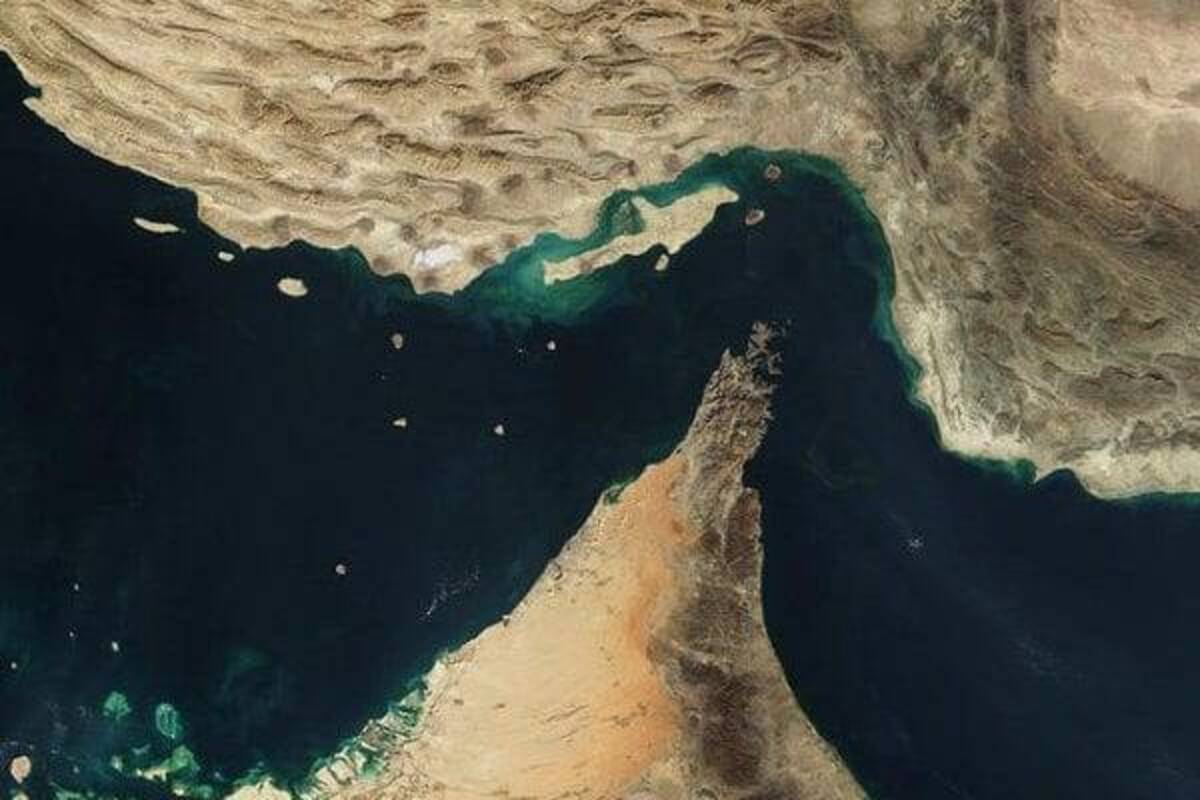
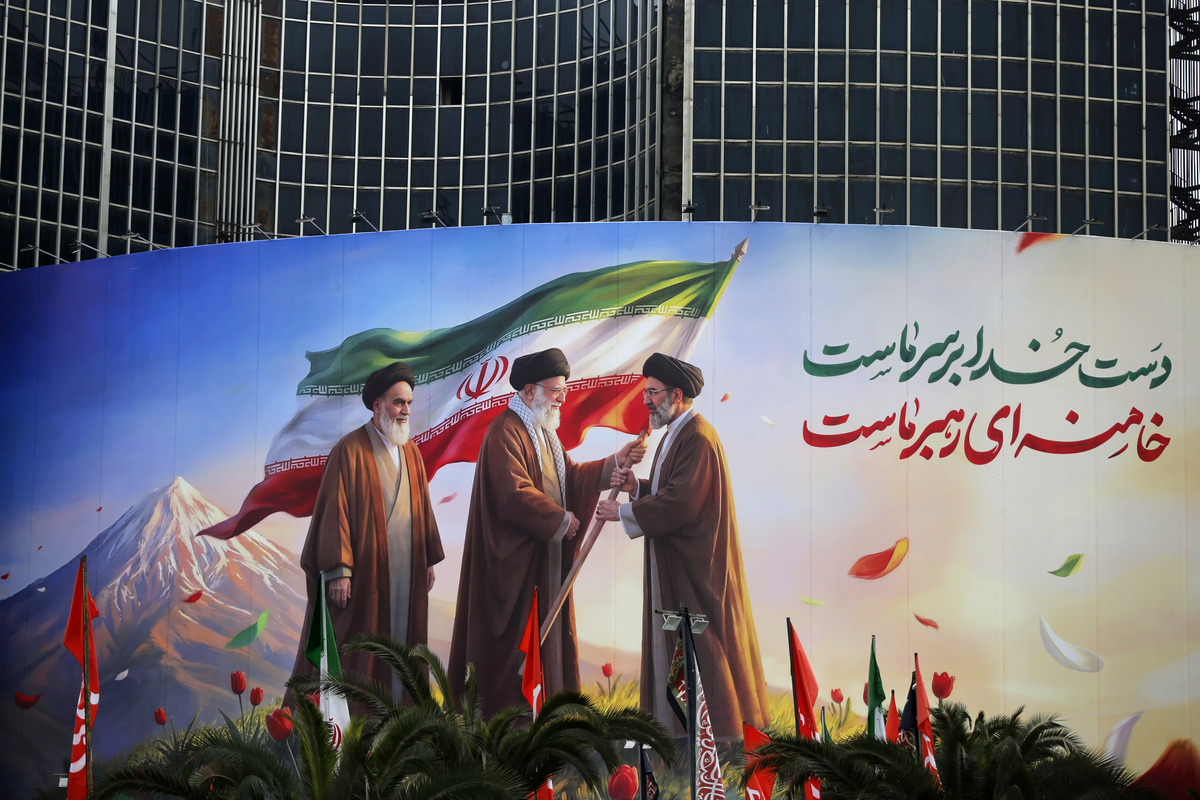
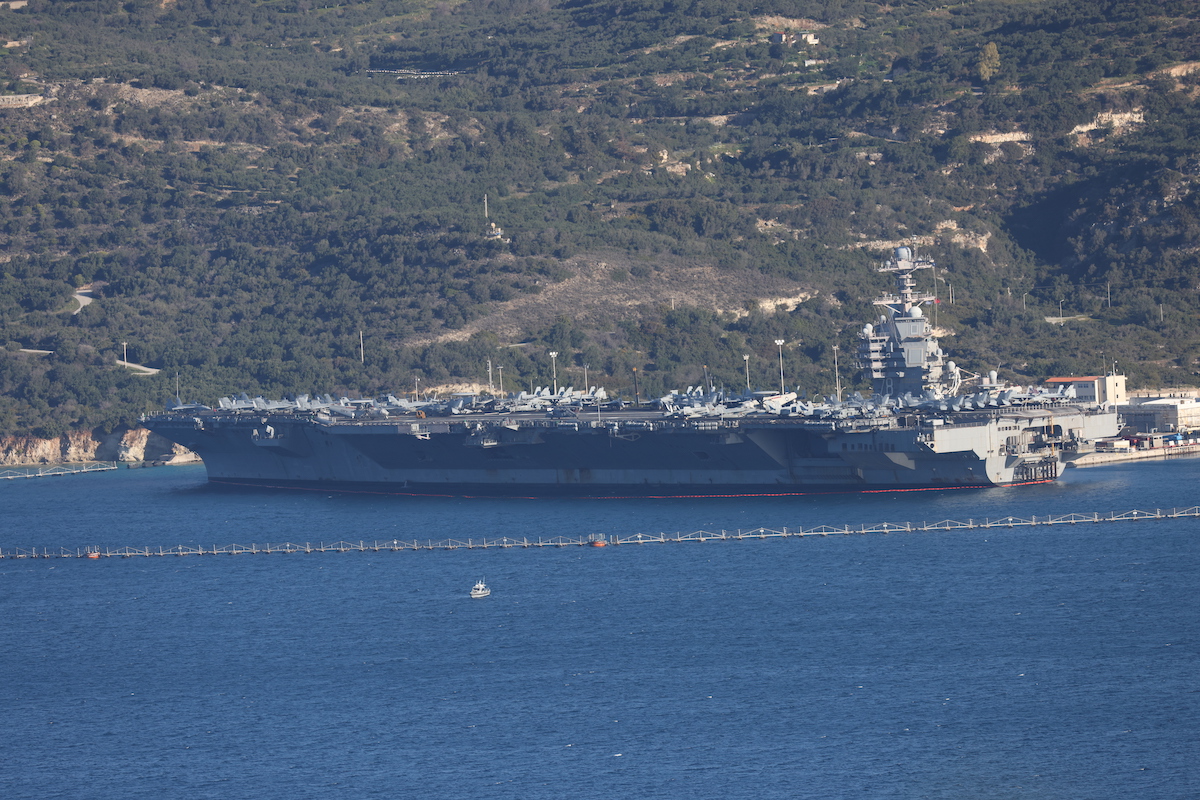
In what appears to be a significant setback for the White House’s pressure campaign against Tehran, Iran has continued exporting large volumes of crude oil to China through the Strait of Hormuz despite the US-Israeli attack and repeated warnings that the vital waterway could become unusable.
Tanker tracking data shows Iran shipped between 13.7 million and 16.5 million barrels of crude from 28 February to 11 March, equal to roughly 1.1 million to 1.5 million barrels per day. That is below Iran’s pre-war February surge, but still close to last year’s average.
The figures are striking because the broader Strait of Hormuz has been thrown into chaos since the war began on 28 February. Non-Iranian vessel movements through the passage have slowed sharply, while attacks on ships and energy infrastructure across the region have disrupted exports from other Gulf producers.
According to Reuters, Iran’s exports have continued largely because tankers are sailing within Iranian waters and loading at Kharg Island, the country’s main export hub. Analysts said that Washington has so far avoided the kind of tanker seizures and maritime interdiction measures it previously used against Venezuela, likely because any direct move against Iranian oil cargoes could give Tehran greater incentive to close the Strait entirely.
That has left the US in the awkward position of waging war on Iran while Iran’s sanctioned oil continues to reach its most important customer, China.
READ: Iran says vessels must obtain its permission to pass through Strait of Hormuz
Last week Beijing was in talks with Tehran to secure safe passage for Chinese oil and Qatari liquefied natural gas shipments through Hormuz. China gets about 45 per cent of its oil through the Strait.
Shipping through the Strait of Hormuz has fallen sharply for other exporters since the war began, with tanker traffic reduced by attacks, threats and soaring insurance risks. That has disrupted flows from Gulf producers and deepened fears of a wider supply shock, even though Iran has continued moving crude to China.
The contrast is politically significant: while Tehran remains under military pressure, its oil exports are still reaching market, whereas rival producers and global consumers are bearing much of the economic fallout.
That disruption has fed directly into energy markets. With roughly a fifth of global oil and gas trade normally passing through Hormuz, the sharp reduction in shipping has pushed up concerns over supply shortages and helped drive oil prices higher. Even without a full closure of the waterway, the market has reacted to the risk that conflict could choke off exports from the Gulf, raising costs for importers and increasing pressure on governments already trying to contain inflation.
For the White House, this is an acute humiliation. The war was supposed to weaken Iran and tighten the economic squeeze on Tehran. Instead, Iran is still selling oil, China is still buying it, and the main immediate effect has been to rattle global markets and threaten other countries’ energy supplies.
READ: Iran confirms attack on oil tanker for ‘defying orders’ not to cross Strait of Hormuz