This article is taken from our new weekly style and grooming newsletter, HOT WASH, from GQ's Murray Clark and the GQ crew. Sign up here to luxuriate in new releases, deep thoughts and boiling takes.
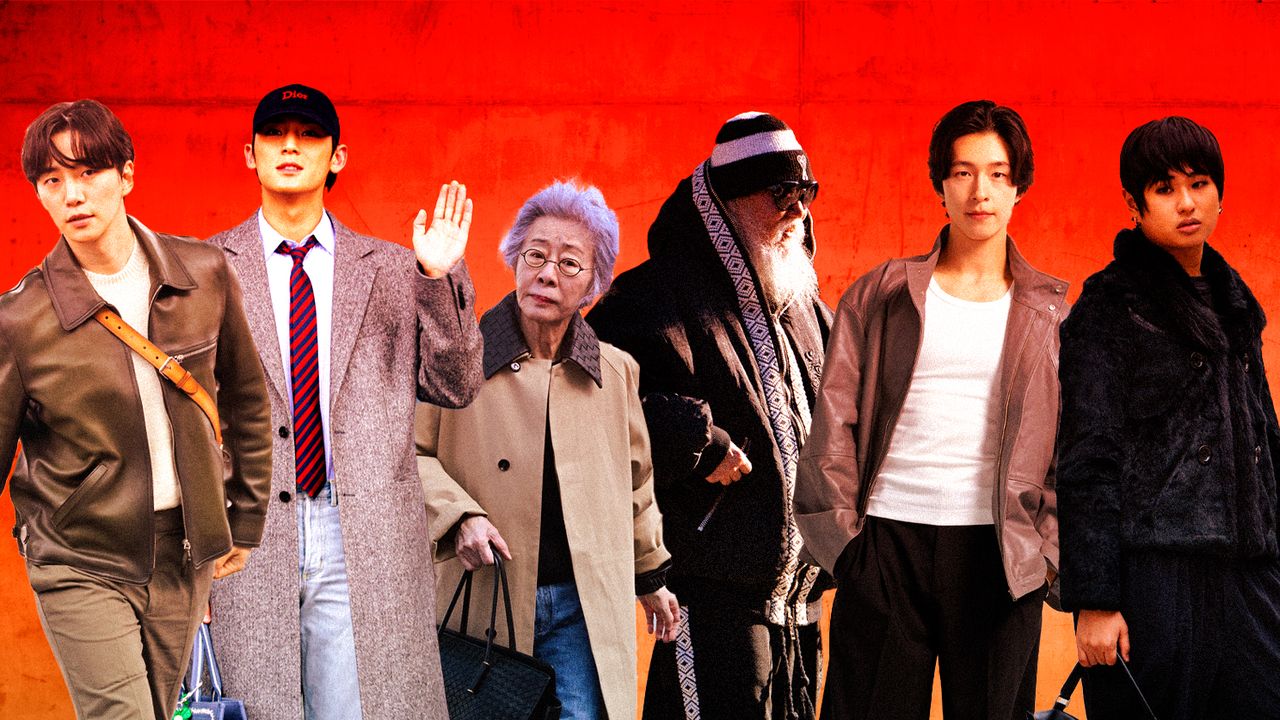
In a narrow Seoul street, between an aesthetically shabby concrete cocktail bar and a straight-up shabby, not-sure-if-its-even-open dive bar, I’m having a smoke with Richard Biedul, a British model and creative director. “This morning, at like 11, I saw two girls in these amazing skirts and thigh high boots just going about their day,” he says, slightly astonished. I say that I, too, am pleasantly surprised at the level of glam local people hit on the daily. Maybe it’s because we’re British, and like the NHS and hedgehogs, getting dressed up seems to be dying out. Or maybe it’s because the South Korean capital is a legit style destination, and one with open arms to all kinds of fashion guys.
In Gangnam (yes, like the song), there’s a clutch of big dogs: Prada, Giorgio Armani, Loro Piana and the like. It’s also here that Louis Vuitton opened its largest store ever, across six floors. Gentle Monster, the hi-spec, high-concept cult sunglasses label, has a Seoul flagship in the city that feels more like a massive modern art gallery. And sure, all of that caters to people who regularly fly business. But north of the river, there’s Jongno, the vintage district. It feels like real Seoul. Locals go on the grail trail, wading through piles of clothes, and smaller, cooler, more curated shops have popped up; Roos, the sort of vintage joint where the staff dress like frat boys and A Tribe Called Quest blasts out, has insane amounts of good denim, and you pay by the weight of your haul. I haven’t seen that sort of system since I was a dumb, skinny London student in 2012. Across the city, Seoul is bouncing. “[People’s] styles are diverse… in certain neighbourhoods, they seem to express themselves well according to their personality,” says Ji-han, a hair designer. “I love details more, and if the details are good, I buy [pieces] even if they’re expensive.”
Of course, South Korea isn’t immune to the problems we have everywhere else; a 2025 report from Samsung found that people are shopping less. Economic woes are universal. But on a deeply normal Wednesday afternoon, Seongsu is packed full of young bucks with lots of shopping bags. The area has seamlessly followed the “cool-kid neighbourhood” formula: get a former industrial area, charge low rents, watch creatives move in. Musinsa, a chain of boutiques, opened what is essentially a massive modern greenhouse called Empathy, full of more experimental clothes. Where so many cities have a general fashion vibe – elegant (Paris), ratty (London), turned out (Stockholm) – Seoul is a mixture. I can’t pinpoint one particular style, and that’s nice.
This sort of energy is drawing outsiders in, too. I’m not just visiting Seoul to sample the local jet lag and vintage. Cos, the cleanest, most lavish brand on the high street, is hosting a show in the city (as it is wont to do, flitting between events in places like Rome, New York and Athens). “Seoul is a fantastic city. There’s an energy of this effortless elegance here” says Karin Gustafsson, the brand’s creative director. “On my way back from meetings, the people-watching – the sense of style – is incredible.” Faraz Zaidi, founder of NYC brand Found, is also in town to set up a pop-up. “Seoul is a place where people engage with clothing as storytelling,” he tells me. “A large part of our customer base online is from here. For us, it’s about building moments in cities that shape the future of fashion.” After America and Europe, South Korea is his third biggest market.
How did Seoul pop off? Well, the kids are said to be quick on trends. “Korean customers pick up and learn about brands very quickly, but they’re also very quick to dispose of brands once they’ve got tired of them,” Madame Woo, creative director at South Korean label Wooyungmi, told Vogue Business earlier this year. Then, there’s the K-pop juggernaut. Its stars (referred to as “idols”) have entered into a sort of fashion loop: they bring a more-is-more style to the rest of the world. That gets Western luxury brands offering collabs and ambassadorships. The campaigns roll out, giving said idol even more attention. The cycle begins anew.



Comments (0)