Una Mullally: Maverick poet Gabriel Rosenstock offered a much-needed antidote to soul rot
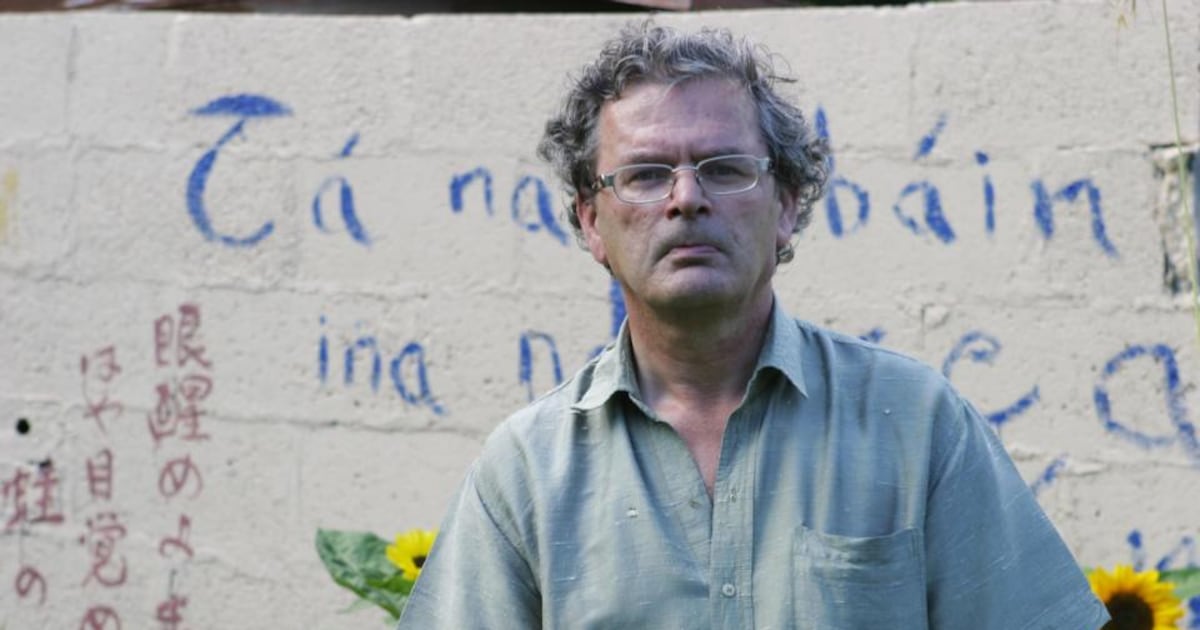
We hear a lot about brain rot these days, the contemporary term for the condition of cognitive near-atrophy caused by the consumption of low-quality digital slop. It’s also a term for such low-quality content.The consequences of brain rot include shortened attention spans, hours and days lost to screen addiction, and nonsensical vocabulary undermining anything approaching meaning.But there is also another, more subtle yet more profound condition going around. I think it should be called soul rot. It’s the feeling of disbelief, disappointment and even depression at the state of the world. The crazier things get, the harder it is for us to process them. The crueller things are, the more we hurt collectively, the more we feel reality unravelling. I feel soul rot when I hear the bloodthirsty ramblings of US secretary of war, Pete Hegseth. Authoritarianism is both a political system and a personality type. It’s a desire – born of personal defect, threatened egotism or strange trauma recycled as punishment for others – to dominate, and for others to submit to you through violence, all underpinned by ethnocentrism and hatred of difference. READ MOREFuel protests: Some motorway blockages remain as protesters say €505m package ‘not enough’Rory McIlroy overcomes demons to retain Masters title after another dramatic final dayAn Post customer finds his parcel in green bin after second attempt to send it to FranceThe Irish building contractor who ‘fleeced’ US homeowners of €1.3 millionI felt acute soul rot when I read Donald Trump’s declaration, “A whole civilisation will die tonight, never to be brought back again.” Imagine saying that. How are we meant to go about our days when it’s all: “Tune in tonight to see if another genocide happens!” This is, of course, what happens when genocide is normalised. There are only so many precipices we can teeter on before vertigo rewires us altogether. Soul rot also has another quality. It’s the strain of holding all of this while living your life. You hear the news headlines – a cascade of doom – and then go to work. You check your phone in bed at the end of the day, confront the latest catastrophe, and close your eyes. Soul rot is the privileged state of those at a distance from the line of fire. Our immediate concern is for those being slaughtered by US and Israeli bombs. Soul rot is what leaves the rest of us in a daily cycle of disbelief, dissociation and helplessness. The remedy for brain rot is getting off your phone. But what about soul rot? Right now, we need clear thinkers. At a moment when lies underpin war, when false victories are claimed from the still smoking ruins of utterly unnecessary destruction, we need leaders who will not appease, obfuscate or collaborate in the hate that got us here. We need connection to ground us. We need people with integrity to come to the fore. We need those who appreciate our interconnectedness – to each other and to the natural world – and who possess the human and spiritual understanding required to generate something better. The alternative is a hellscape being conjured by those with nothing to offer but nihilism.[ Welcome to the first war of the brainrot eraOpens in new window ]One person who was a clear thinker, who understood the power of connection, who had integrity and depth, was deeply spiritual, and who offered so much beauty to the world, left us recently: the trailblazing, maverick Irish poet and writer Gabriel Rosenstock. Over the past week, I’ve been revisiting the form in which he was so powerful: the haiku. Rosenstock was a haiku master and it takes a lifetime of work to become the virtuoso of brevity that he was. At his funeral in Dublin last Friday, a friend reminded me of a four-word letter to The Irish Times Rosenstock wrote in February 2007, when the US was pouring troops into Iraq: “Cúrsaí ola, cúrsaí fola” (matters of oil, matters of blood). How true.In 2015, Rosenstock gave a talk in Canada titled Haiku: The Art of Emptiness. “True haiku,” he said, “is a celebration of unclutteredness, emptiness, fleetingness, vastness, littleness, nothingness. Bad haiku is a clunky declaration of substance and ego.” If life is poetry, and haiku is its most tender distillation, then we can go to Rosenstock’s work for some assistance in these times; celebrating the fleetingness and vastness, and rejecting the unfettered egos running rampant with horrific consequences.As Trump was threatening a civilisation wipeout, there were astronauts in space looking back at the mess we’re in. This concurrence is almost too on the nose. The photographs they transmitted back are a wonder. In one, our planet peeks out, a fading crescent beyond the moon’s landscape. You do not need to be a poet to get the metaphor, but I did think of a Rosenstock haiku from his 2012 collection, Where Light Begins: “full moon/filling the eye/fully”, a vast six words.I don’t know what the ultimate remedy to soul rot is. Perhaps it’s just a chronic ailment we have to manage. When we look to the poets, we may not find answers, but we will find solace.







Comments (0)