How ‘post-luxury’ became the latest wealth fad
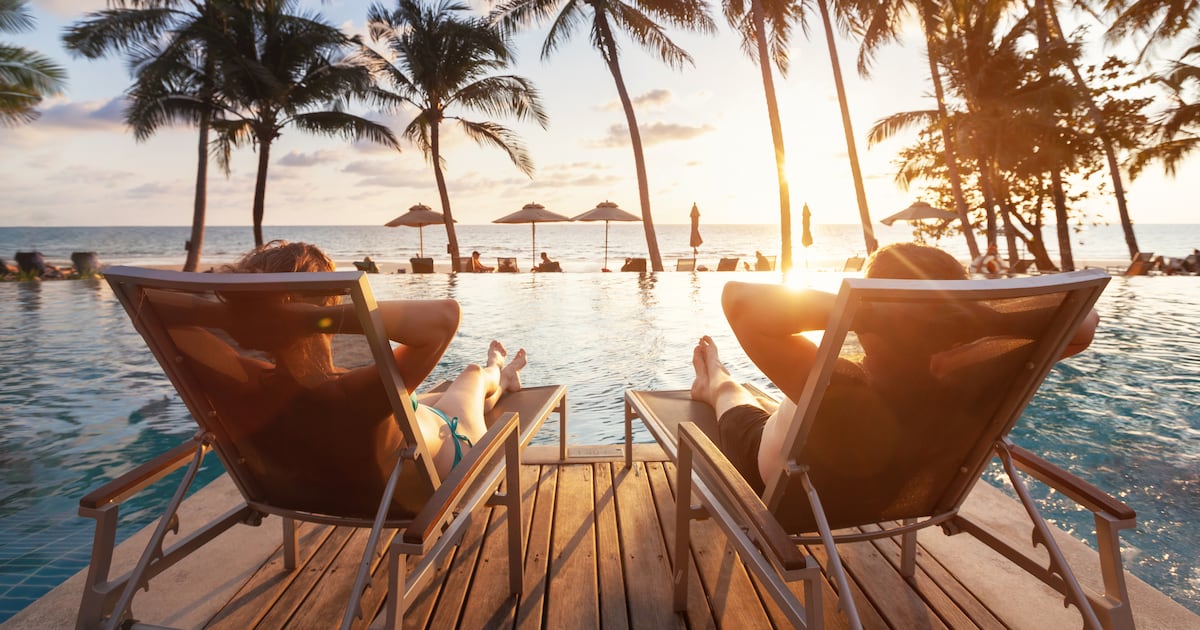
Once upon a time a brand of car, holidays to particular destinations or a logo-ed handbag could signify something about your finances. But when the entire cast of the Only Way is Essex drives a Range Rover and holidays in Marbella, the signals get a bit scrambled.For those in the know, what now signifies luxury is shifting away from heavily branded things and name-droppable destinations towards a kind of luxury you can’t always see, experts say. Welcome to the world of post-luxury status, a trend that’s quietly reshaping spending.What is post-luxury status?So what does the trend of post-luxury status look like, and what does it mean for our money? Well, it’s a shift away from the flashy displays designed to broadcast wealth, towards more subtle, more experience-driven or values-based ways of signalling status. That’s according to experts such as brand strategist and former lecturer in the University of Melbourne Eugene Healey, who writes about the topic in his Considered Chaos Substack account.While once a car, a watch or a perma-connected work grind might loudly signal status, post-luxury status symbols are much more coded. Think inconspicuous consumption. And in this world, it’s a case of: ‘If you know, you know.’READ MOREHow to manage family finances after a separationDon’t be an April Fool: the mortgage, savings and pension mistakes costing you thousands Sort your finances out over a few drinks with friends: The ‘admin party’ that saved €1,169I want to buy UK state pension years but I have heard nothing back and deadline is looming From things to experiencesStatus in the post-luxury world is expressed through experiences rather than off-the-shelf things, experts say.“Back yourself”: Aimee Connolly shares her story of 10 years in business“Luxury now happens in moments, not in objects,” says Dean Creevey, assistant professor in marketing at Maynooth University’s School of Business. “It’s less focused on the accumulation of wealth and possessions.”In the world of post-luxury status, some with excess cash are using it on holidays and leisure rather than high-end goods.And it’s not so much about a holiday to an expensive destination either, but rather having a unique or authentic experience that shows a certain level of knowing or taste.For those who can afford it, that might mean swapping a pricey family holiday at a five-star all-inclusive Disneyland Florida resort to exploring Thailand with your kids.Standout cars such as this Lamborghini have become a symbol of conspicuous consumption. Photograph: Michael M Santiago/Getty Images “In the last 10 to 15 years, there has been this transition to lived moments, lived experiences and how much those experiences can help us achieve self-actualisation,” says Creevey.Indeed, tourists in general are becoming more interested in doing things rather than just looking at them, according to research.By 2030, most travellers will be millennials or Gen Z, and these groups are fuelling the growth in demand for experiences, says the World Economic Forum (WEF). Travelling to live events such as music festivals and big sports events is becoming increasingly popular.Two-thirds of 18- to 35-year-olds say they find live experiences more fulfilling than buying an item of the same value, according to research quoted by the WEF.Some 62 per cent plan to spend more on experiences, rather than possessions, over the next 12 months, according to data from Eventbrite quoted by the WEF.High ticket prices didn't deter thousands from buying tickets to see Oasis last summer. Photograph: Big Brother Recordings Sports tourism is on the rise – it was worth more than $609 billion in 2023, according to the WEF. After football, tourism to festivals and concerts was worth almost $6 billion last year, according to Business Research Company figures quoted by the WEF.Remember that scramble for tickets to see Taylor Swift and Oasis? Astronomical ticket prices couldn’t deter devotees who were determined to be part of a “moment” with their Swiftie or bucket hat-wearing tribes.Luxury of timeLuxury and monetary value were once interconnected. But price in the post-luxury world isn’t the only measure of value.“Everyone is just so busy all the time; if you can engage in things that are costly in terms of time, that’s where an awful lot of luxury signalling is going on,” says Creevey.This can be around having the financial headroom, or enough control of your own diary, to spend time on things other than paid work.This could mean anything from hosting and cooking from scratch elaborate meals for friends to completing a PhD.“It’s about: I have the time, freedom and flexibility to do something,” he says.“Going back to full-time education can be a signal that you don’t have to work, you can afford to do it, you have the time, the freedom and the flexibility to do it – time is the ultimate luxury,” says Creevey.Being wasteful with time is another post-luxury flex – that’s according to Eugene Healey.Self-optimisation has been aspirational since the 2010s – “5am rise, journaling, cold plunge, grind ... these behaviours were celebrated as being high status and profitable too,” writes Healey.Capitalism convinced us that “conspicuous grinding” or the “performance of perpetual productivity” signalled wealth, he says.A “big” job, with travel, long days and late nights – meant you were “crushing it”, right?“What’s emerging now is a pendulum swing towards a new aspirational leisure class: people whose value isn’t tied to what they do, but how effortlessly they exist,” says Healey.Time is so precious; the ultimate status is to be wasteful with it, he says. This could look like anything from long leisurely meals to turning down opportunities based on your values.The people who can afford to do this, or be “post-optimisation”, include those with inherited wealth, or those whose social capital guarantees opportunities, without constant hustle, says Healey.Everyone else is still grinding because they have to, he says.Selectively onlineRemember when a BlackBerry was the ultimate status symbol? Being among the first to have one of these devices indicated you were important enough to need to be contactable at all times.But since Big Tech has commodified our attention and our data, those in the know are opting out of being always online, says Healey.“In this culture of overexposure, the greatest privilege is to be invisible,” he says.“It shows you have the capital – social, economic, cultural – to be selectively online in ways that benefit you, without feeding the machine more than necessary.”Rather than getting recommendations from influencers, you get them from “actual friends, with actual taste”, says Healey.“You can still know the cool places to eat, the right places to shop, the right brands to wear because you have genuine proximity to influence.”This ties into the culture of “if you know, you know” where some spaces are consciously guarded against commoditisation, he says.This might mean being a member of private, closed Substack groups, WhatsApp groups or social-media accounts.Broadcasting your life online, having millions of followers with thousands of comments and ‘likes’ on your posts might just be starting to get old.ParenthoodDeciding to have more than the average number of children, which in Ireland is 1.34 per family, requires a certain amount of financial stability and optimism about future prospects. That’s why having a bigger-than-average number of children has, in some ways, become a status symbol.The cost of living, housing and childcare mean many here are delaying having children until they are better set up, or are deciding to have fewer because of cost pressures.Recent research by Laya Life put the average cost of raising a child to age 21 at €15,324.20 a year – an increase of 39 per cent in the last 10 years.In the decade to 2023, there was a drop of more than 20 per cent in the number of babies born in Ireland, for example.Paying for food, housing and living expenses for a bigger-than-average household is costly. Childcare fees for parents going out to work averaged €930 a month nationally in 2022.To be able to live comfortably with a larger family signals two good incomes, or one big one.“Having a big family requires several forms of privilege,” says Healey.These include financial security, the money to pay for childcare and “enough accumulated career capital to take parental leave without it being career suicide,” he says.Maintaining your pre-parenthood lifestyle after children – still having the time, energy and money going out to restaurants, for example – can also be a sign of the funds or the support you might have, says Healey.The luxury of balanceKim Kardashian, David and Victoria Beckham and Ballerina Farm influencers Hannah and Daniel Neeleman are among the families with large broods who make balancing family time and financial success appear effortless.Having enough quality time with children is a luxury not all families can afford.The marketing for some family destinations packages quality time to sell it back to us.“We know that life moves too fast,” says the Cherish every Moment advert campaign from one well-known family resort in Ireland.“When you’re busy dealing with the everyday, it can be hard to find time to focus on loved ones in a way that feels meaningful. [This place] is an escape from the everyday, where you can experience precious moments together with the people you love.”“That’s not a very desirable position for society to be in if having family time – not being rushed off your feet keeping things afloat – is seen as the ultimate luxury,” says Creevey.Luxury shamingIn a cost-of-living crisis and a climate crisis, is it any wonder there is a move towards quieter, less conspicuous forms of luxury spending?‘Luxury shaming’ is the negative judgment or disapproval of those who, despite the economic and environmental mood music, broadcast their consumption.Think of the wrath recently heaped on Dubai-based social-media creators showcasing yachts, Lamborghinis and bottomless brunches, despite geopolitical realities.Once upon a time, luxury brands wanted to be perceived as overindulgent for the sake of it, beyond mere function; the excessiveness of the thing was the point, says Creevey.But in the context of social, political and environmental challenges, this kind of luxury can reflect badly on the consumer, he says.“It creates a negative perception of them, which is the opposite of what they are trying to signal with their luxury consumption.”






Comments (0)