Gerard Howlin: Michael Healy-Rae reminded the Government of its real Opposition: rural Ireland
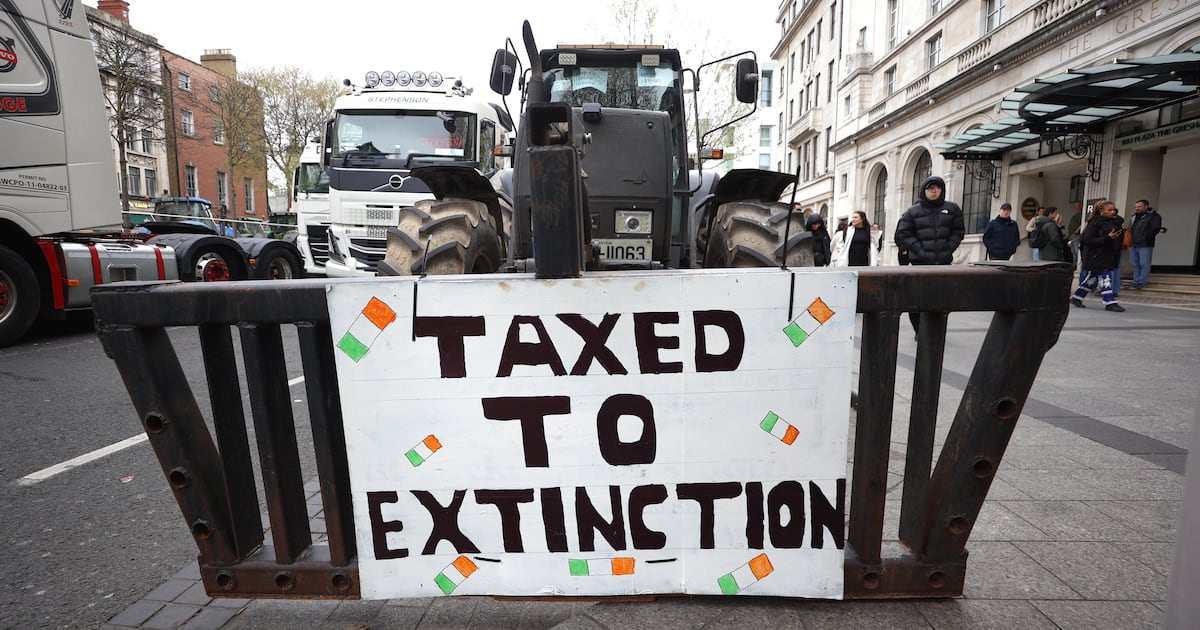
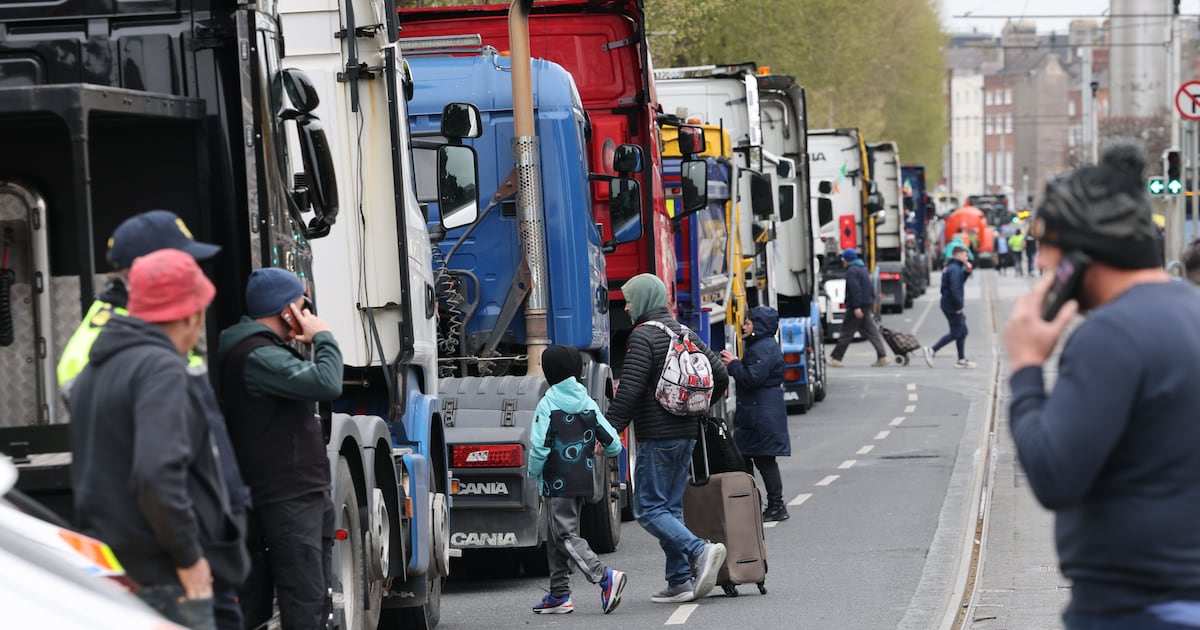
Last week’s blockade of ports and main roads is the starkest example yet of how much times have changed. What we saw is a further stage in the fragmentation of political power. Political choice in this country is often seen as between the Government parties and their regional Independent supporters on one side and the newly united left – the so-called Connolly coalition – on the other. In fact, the real challenger in this Dáil is disaffected rural communities. When Fianna Fáil (after 2011) and Fine Gael (in 2016) became smaller parties, they became more rural and more dependent on an older demographic. The three entities in Government are now collectively – and to use the term as the badge of pride it is – the most culchie Government since mass urbanisation began more than 50 years ago. But rural Ireland is still the sharpest point of political pressure on this Government. READ MORECoalition suffers first major defection as Michael Healy-Rae resignsFuel protests live updates: Government faces confidence motion and vote on €505m support package Michael Healy-Rae resignation: Is the Coalition now under threat?Fintan O’Toole: Ireland’s far-right movement will emerge from the ‘breakfast roll-atariat’This is a fundamental change from more than a decade ago, when an overwhelmingly urban phenomenon – water charge protests – diminished Fine Gael and almost destroyed Labour. The volatility of rural Ireland has serious implications for a Coalition that is dependent on it for Dáil seats, as the decision of Michael Healy-Rae to resign as Minister of State and vote against the Government - as did his brother Danny - made all too clear. The Government won its motion of confidence with 92 votes to 78, but the episode further loosened its grip on rural Ireland.Government TDs are no longer proconsuls of larger monoliths; now they are more like isolated sole traders who depend on precarious margins for survival. This goes some way to explaining the panic on Government backbenches last week. There was feverish talk of the fuel blockades having a similar effect on Fianna Fáil and Fine Gael – but especially on Fianna Fáil – as the water charges had on Labour. Ellen Coyne looks at the political fallout of the fuel protests and if the Government measures will placate the protestors. This reflected a Government that was slow off the mark, and a State that is behind the curve in the digital ether. It couldn’t stand firm because it doesn’t stand for anything, and now the Healy-Raes don’t stand with it either.We have seen something like this before. The blockade of beef plants in September 2019 was a precursor to last week’s events. The slogan then was: “It’s time to go to the ploughing; it’s time to bring them down.” The fallout for farm politics was immense, and seven organisations, one splintering off from another, had to be brought into the room to negotiate an end before big international beef contracts were lost. These organisations, mobilised on WhatsApp, could vent anger, command attention and cause a standstill. But they couldn’t conjure solutions that didn’t exist. The price of beef was a fact, just like the price of oil. The general elections of 2020 and 2024 crystallised this continuing disaggregation. The political centre was evacuated in endless tactical retreats and opportunistic forays. After the last election – responding to forces that overlap with those blockading last week – Fianna Fáil and Fine Gael committed to opposing the Mercosur trade agreement, the national interest be damned. They followed up by ensuring a continuing derogation of the nitrates directive for nothing in return from farmers on the Mercosur deal. Any political pragmatist will excuse occasional subjugation of principles to exigency. But this Government’s lack of self-respect engenders disrespect. Its lack of energy is an invitation to push back against it. Minister for Communications Patrick O’Donovan whined about coverage that was “lopsided” in favour of the blockade and said that contrary voices were not heard. He is right, of course. Contrary voices were not heard because the Government, business and civic organisations were incoherent and ineffective. His intervention was an astonishing display of weakness. As he spoke, the Government parties were briefing against each other over who said what to whom when about calling in the army. That continued on RTÉ’s Morning Ireland on Monday when Minister for Defence Helen McEntee put the boot into her colleague, Minister for Justice Jim O’Callaghan, but said little about the consequence of €750 million-plus being spent by the Government on assuaging the protest. The lack of any discussion of the opportunity cost of this much money being spent within weeks on two energy packages, or the need for commensurate savings to compensate for this spending, is a measure of how crazy talk and crazy money are the new currency. The problem is not that there is an imminent catastrophe, though risks abound. The problem is that although solutions are available, there’s no guarantee those responsible for steering the country through future economic turmoil will be able to grasp them. The price of oil will represent a continuing problem and an intermittent crisis. There is also a serious risk to security of supply. Both factors result in lack of affordability. Last week was a demonstration of the political implications of this. This State is trapped in an asymmetric economic relationship with carbon which, increasingly, we cannot afford. Neither can we assure supply. Political parties are at best equivocal – and at worst dead set against – decarbonisation. The Green Party served a short-term purpose as bogeyman, but the green agenda – which is supposedly national policy – has no champions and few friends. Are Government's fuel measures betting on a quick resolution to the conflict in Iran?Toxicity against decarbonisation that was whipped up for tactical advantage has become the bottom line politically in many rural, spread-out communities, where many people are farmers and often have a higher dependence on carbon. There is clear proof of delivery, however. Since 2018, energy-related carbon emissions fell by 16 per cent and in 2024, 41 per cent of electricity was generated from renewables.We are far behind where we need to be, but we have extraordinary natural advantages. What is lacking is leadership. By the standards of the time, Seán Lemass was an old man when he became taoiseach and led the Republic in a different direction. When the facts changed, he changed his mind. His successors can’t even begin to make up theirs. Gerard Howlin is a public affairs consultant who doesn’t work with any politician or political party






Comments (0)