
Remember me



“I wonder if these people have ever seen a student’s face when they finally understand something for the first time.”
Jane Sloan Peters, a professor of religious studies and historical theologian at the University of Mount Saint Vincent, was talking with her students about changes she has made to her teaching so as to safeguard student learning from artificial intelligence when “a wave of sadness washed over me, and I actually got choked up in front of the class.”
“Before AI,” I told them, “Students used to work hard to come up with their own ideas. I’d help, and they’d struggle, but they’d come to something that was their own. That doesn’t happen anymore and I grieve that.” Then I felt embarrassed and went on teaching as though nothing had happened.
Her reflections on this experience will resonate with many Daily Nous readers. She identifies one of the many feelings she has been having about how AI is altering education as grief.
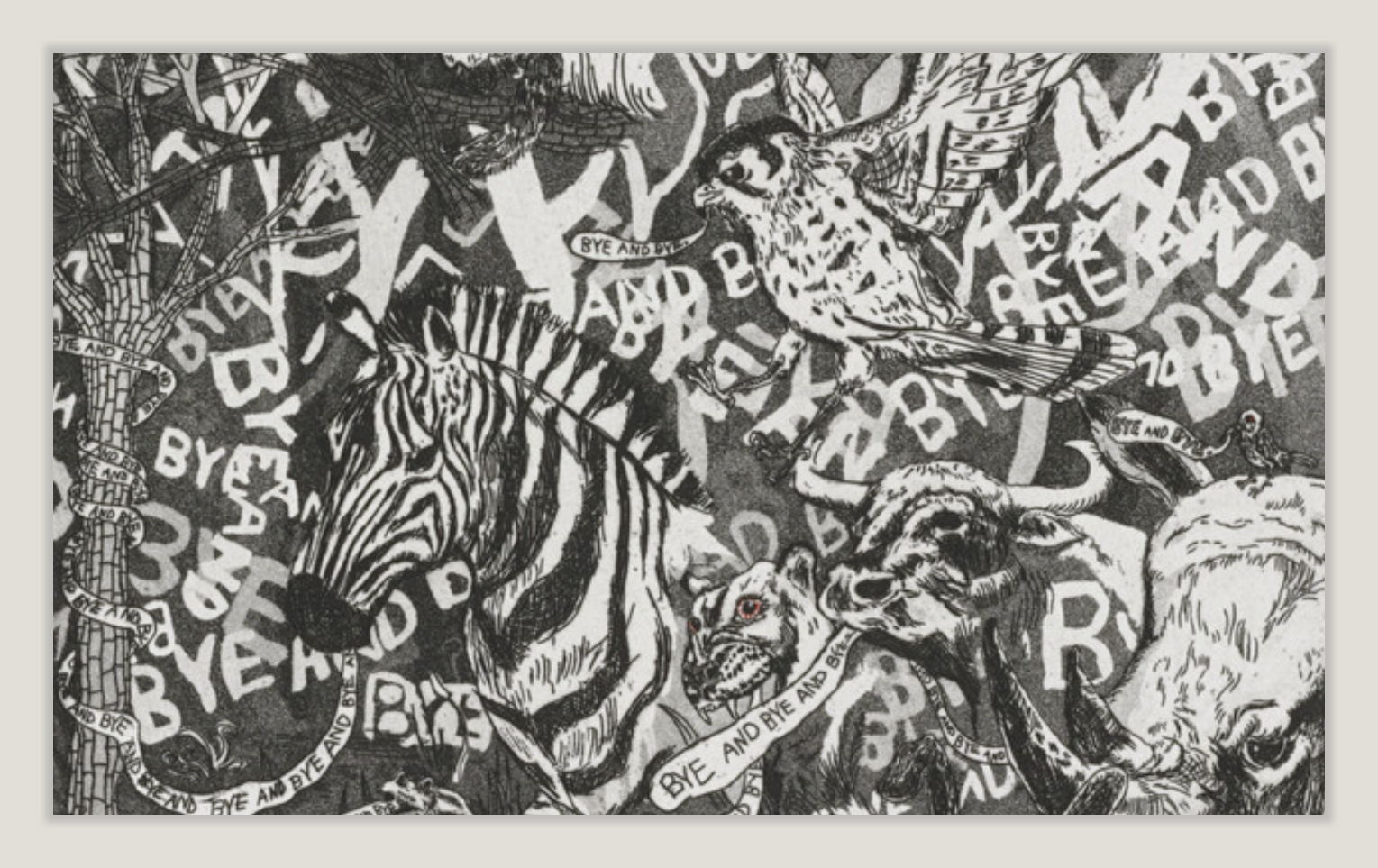
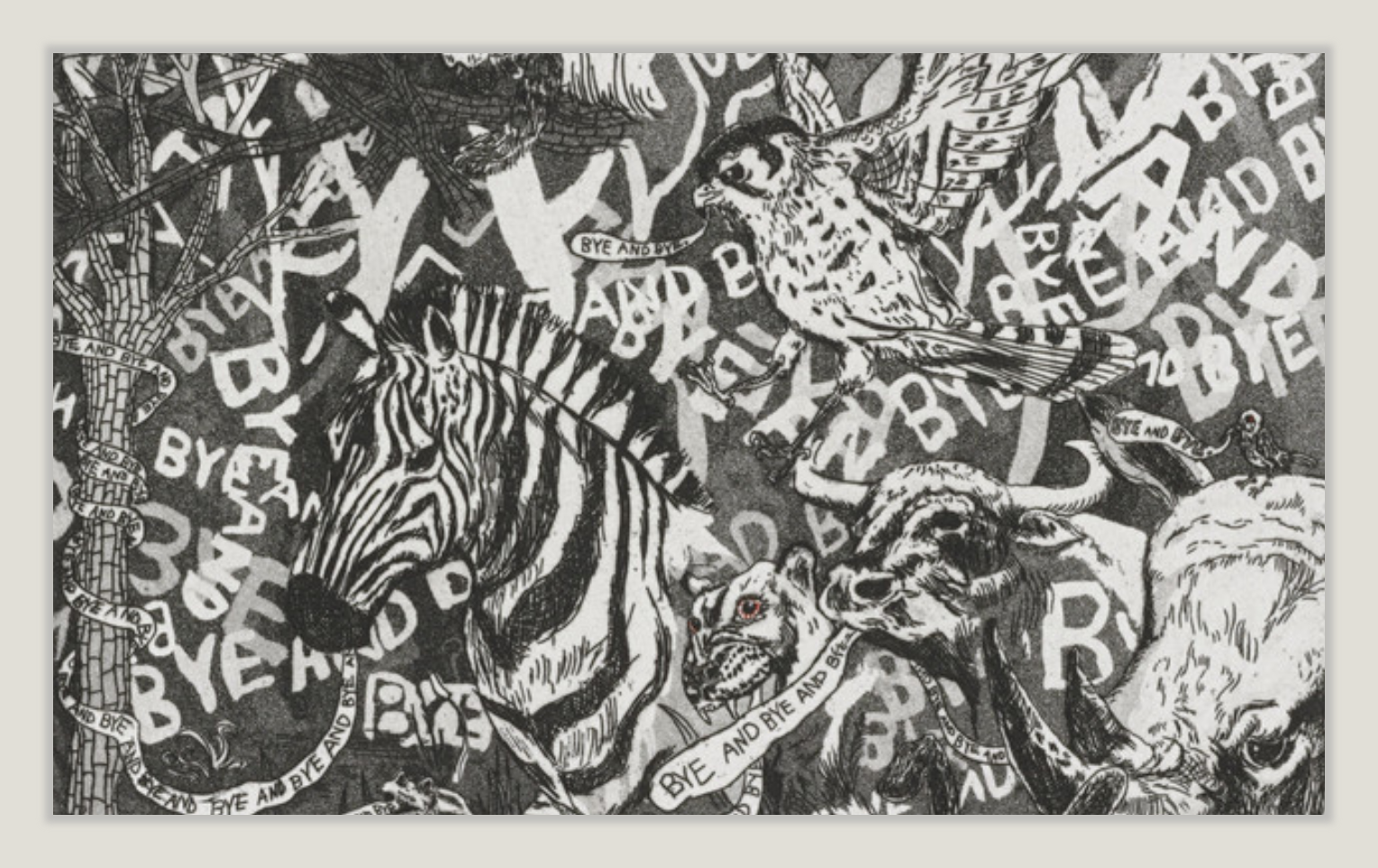
[Trenton Doyle Hancock, detail of untitled etching from “Bye and Bye”]
She writes:AI promises great gains, but many educators sense that with its advent, we have lost so much. In this particular instance, students have lost the freedom to sit comfortably in a space of silence and uncertainty, a space as dark and rich as the spring soil in which seedlings are born. And I have lost the joy of sitting with them, encouraging them, watching as their thoughts take root and grow…
The [American Psychological Association] defines grief as “the anguish experienced after significant loss, usually the death of a beloved person.” We are witnessing the death not of a beloved person, but of love as the grounds of education. Love is the heart of a liberal education—a love of the truth, as well as the kind of friendship-love (philia) between teachers and students that makes it possible to pursue the truth together.
AI sycophants would have you believe that teachers like me are simply scared of a new system that will expose their personal deficiencies and outdated pedagogical methods—intractability about AI is ultimately self-interested self-preservation. Dear teacher, you are not fooling anyone but yourself—those lecture notes belong in the bin.
I wonder if these people have ever seen a student’s face when they finally understand something for the first time. What’s more, I wonder if they’ve ever seen a student experience the unique delight in not knowing. Certainly, the unknown can produce confusion and frustration. But sometimes I see in students’ faces a flash of something like the relish of a traveler who knows the journey ahead will be just as delightful as the destination.
Professor Peters says that this “delight in not knowing” is something that’s especially valuable to cultivate in students studying theology, and I imagine many Daily Nous readers think the same is true of philosophy.
At the end of her piece, which you can read in its entirety here, she says: “despite being aware of the real losses in education, I still believe the love and wonder at the heart of education can be salvaged, somehow. The question is, how?”
(via Zena Hitz)
Comments (0)