
Remember me


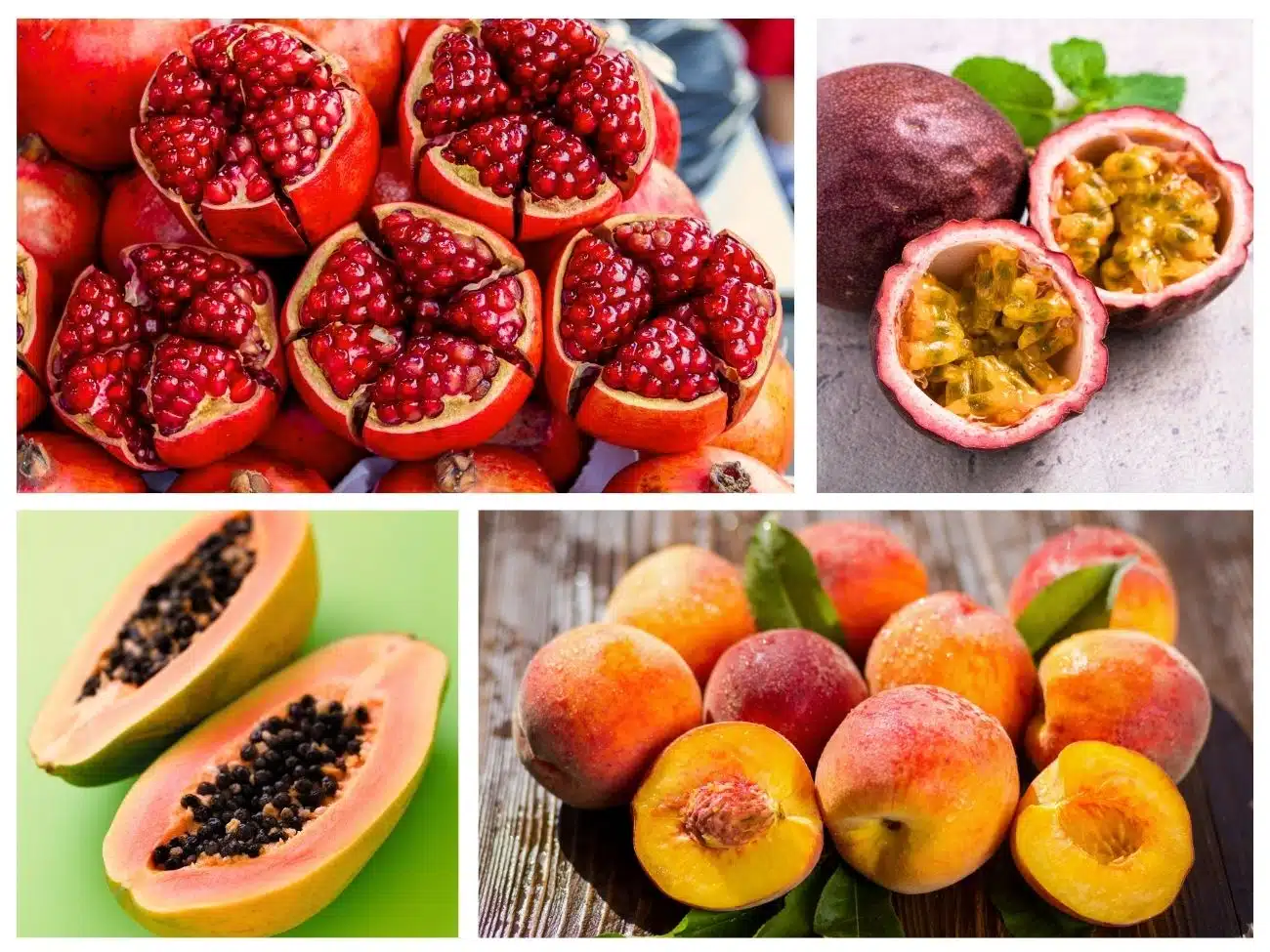


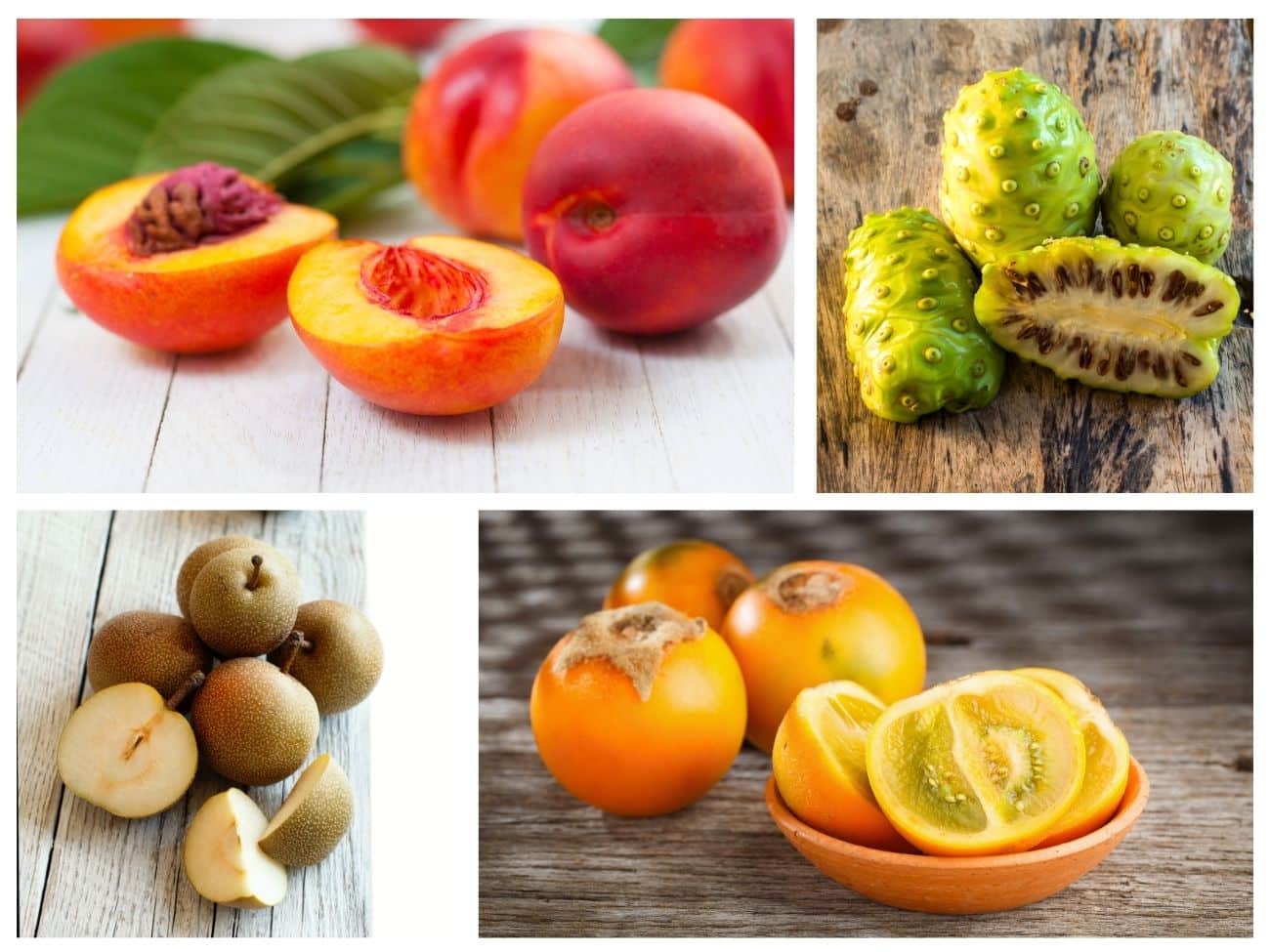

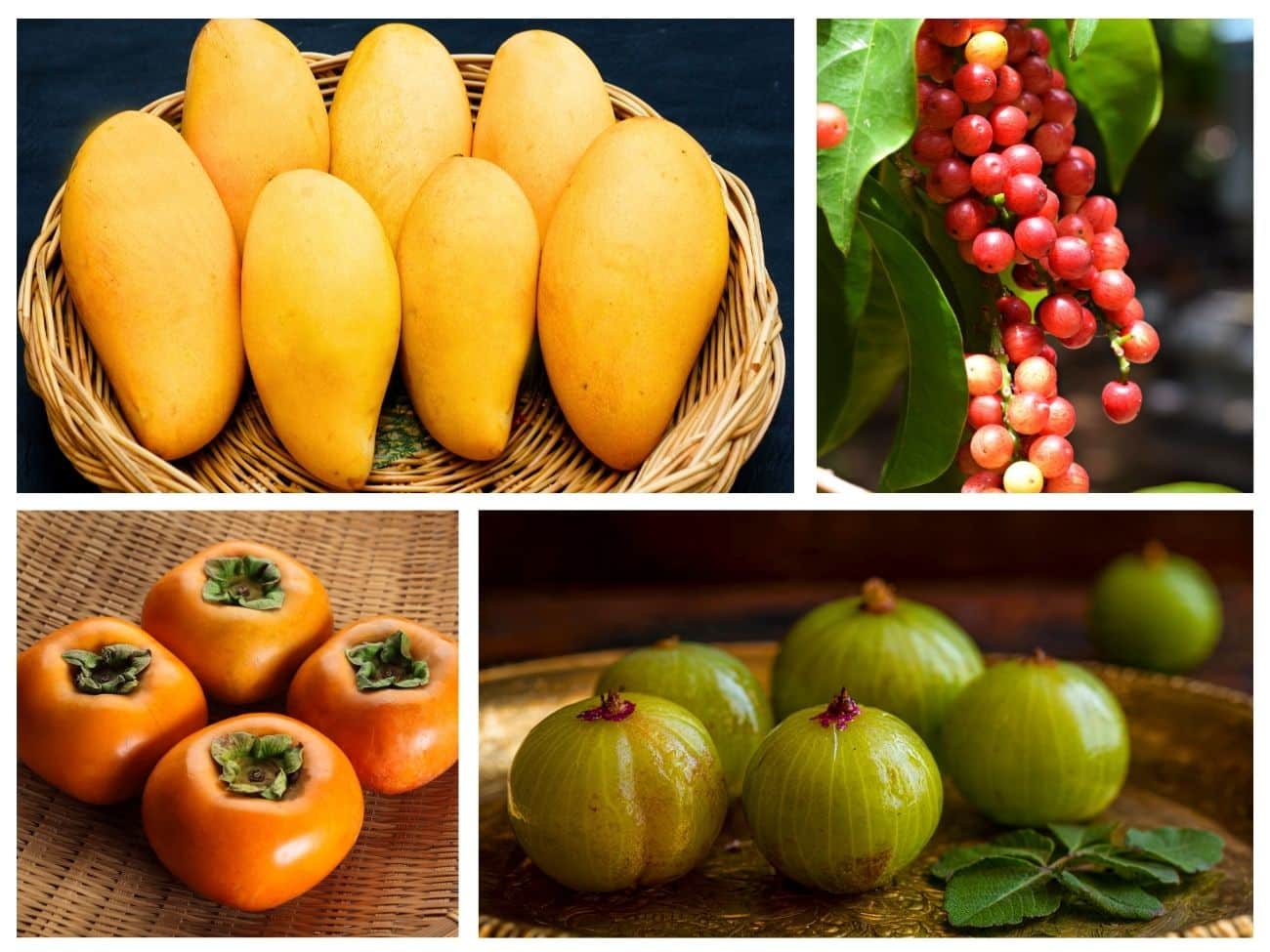


Fruits that start with the letter J bring together an unexpectedly diverse mix of flavors, from juicy classics like tropical jackfruit and June plums to tart berries, aromatic citrus, and rare finds used in traditional regional cooking. Many of them show up in refreshing drinks, bright preserves, chutneys, and desserts, while others add depth to savory dishes or even stand in for vegetables. So have a look and let’s dive in to some of the most intriguing fruits starting with J that are worth discovering.
1. JackfruitJackfruit is the largest tree-grown fruit, native to Southeast and South Asia and is often compared to pineapple and banana. It is a very popular in Malaysia, Indonesia and especially in Sri Lanka, where one of the most popular local dishes is a jackfruit-based curry, called kiri kos.
A mature jackfruit can weigh up to 55 kg or 121 pounds, which is why jackfruit is rarely sold whole – most supermarkets and vendors will sell pre-cut portions that can be consumed immediately.
Ripe pods are delicious in smoothies, ice creams, fruit salads, and sticky rice desserts. The unripe flesh is highly valued as a plant-based substitute for pulled pork in curries and savory dishes while the seeds can be boiled or roasted for a starchy, nutty snack.
2. Jamaican TangeloThis citrus fruit is characterized by its loose, bumpy skin and a sweet, juicy interior that tastes like a delicious mix of grapefruit, tangerine, and orange. It’s often enjoyed fresh, juiced, or added in fruit salads for a touch of brightness. The zest also makes for a great addition to cakes, syrups, and light seafood marinades.
3. JostaberryA hybrid of blackcurrant and gooseberry, jostaberries deliver a deep berry flavor with mild tartness. They are superb for making jams, pies, chutneys, and bold sauces that pair well with roasted meats. Because they are naturally high in pectin, the preserves made from jostaberries have a satisfying thick texture.
4. Jabuticaba
These Brazilian fruits grow directly on the trunk and have sweet, grape-like flesh. They’re usually eaten fresh or processed into deeply flavored jams, wines, and liqueurs due to the tannins in their skins. The pulp also works very well in making sorbets and chilled desserts.
5. Japanese PersimmonThis bright orange fruit is exceptionally sweet when fully ripe and is perfect for eating fresh. Firm, sliced persimmons add a welcome crunch and sweetness to salads, while softer ones blend smoothly into cakes, puddings, and smoothies. They also dry beautifully, making them ideal for making chewy, caramel-like treats.
6. Java Plum (Jambul)Java plums have deep purple flesh and a sweet-tart, slightly astringent flavor. They are popular ingredients for sherbets, juices, and preserves. When cooked with sugar, they produce a rich, vivid, flavorful jam which you can top just about anything with. Fresh fruits are sometimes sprinkled with salt or spice blends to create a refreshing fruity snack.
7. Japanese PlumThese plums, also called Chinese plums, are juicy, sweet, and moderately tangy, making them ideal for both snacking and baking. They taste amazing used in traditional tarts, compotes, and jams is, but this fruit also holds its own in savory dishes as well, because of how well the flesh maintains its texture during cooking. They’re often included in recipes for savory sauces to go with poultry or pork. Sliced raw, they are a great addition to salads and cheese boards.
8. Jujube
Also known as red dates, jujubes are crisp and apple-like initially before drying into wrinkled, sweet, date-like fruit. They are frequently used in teas, savory soups, and baked goods. Their mild sweetness pairs well with warm spices such as cinnamon or ginger. Dried Jujubes are also good additions to trail mixes or served as a simple snack.
9. JunglesopThis large African fruit has soft, custardy pulp with a mildly sweet, citrus-like flavor. It is often eaten fresh or mashed and turned into simple drinks and desserts. Due to its natural richness, it works well when blended with milk, coconut milk, or yogurt to create a thick, creamy texture.
10. June PlumJune plums, also known as golden apples or April plums, are incredibly versatile: crisp and tangy when unripe, and sweet when mature. They are used in chutneys, pickles, and tangy relishes, or blended into refreshing tropical drinks. The ripe fruit is also suitable for making jams or being added to fruity curries.
It is a very popular fruit in Jamaica and throughout the Caribbean.
11. Japanese Pear (Nashi)
Nashi pears are juicy, crisp, and delicately sweet, making them delicious eaten fresh or sliced into salads. Their firm texture is excellent for poaching, roasting, or arranging on charcuterie boards. They also grate finely into marinades where they help tenderize meats.
12. JocoteA popular fruit in Central America from Guatemala to El Salvador, jocote has a sweet-and-sour flesh that is commonly eaten fresh, sometimes seasoned with salt or spices for flavor contrast. When cooked, jocotes become soft and jammy, perfect for making syrups, preserves, and dessert fillings. Their acidity is also a good match for savory chutneys or salsas.
13. Jelly Palm FruitA small golden fruit with a tropical pineapple-apricot flavor. Jelly palm fruit is often cooked into jams, jellies, and sweet syrup or blended into smoothies and refreshing summer drinks. When reduced, it develops a rich, slightly caramelized aroma, perfect for dessert sauces and spreads.
14. JunglekingsThese wild forest berries have mildly sweet, juicy flesh and are traditionally consumed fresh by foraging communities. They are occasionally cooked into simple jams or added to porridges for extra sweetness. Their subtle flavor makes them a pleasant component in rustic desserts.
15. Jaffa OrangeThis famous Mediterranean orange variety is sweet, juicy, and relatively seedless. It is perfect for fresh eating, juicing, and citrus-forward desserts such as cakes, curds, and sorbets. Its zest adds bright, aromatic notes to marinades, vinaigrettes, and baked treats.
Orange brings sunshine to desserts and baked treats — for example, the syrupy, phyllo-layered Portokalopita: Greek Orange Cake with Orange Syrup or the delicate Orange Butter Cookies (perfect for tea or gift boxes). For a richer dessert, the Chocolate Mousse with Oranges makes for a vibrant contrast of deep cocoa and bright citrus.
16. Jamaican CherrySoft, sweet, and candy-like, Jamaican cherries are delicious eaten fresh or sprinkled over desserts. Their light berry-caramel flavor works beautifully in pies, sauces, and quick jams. They also blend nicely into smoothies and refreshing summer drinks.
17. Java Apple
Also called wax apple, this fruit has crisp, watery flesh and a refreshing, lightly sweet flavor. It is often enjoyed chilled, sliced into fruit salads, or served with a chili-salt mixture for a crunchy snack. Its mild flavor also works nicely in light pickles and tropical salads.
18. Jering FruitJering has a strong aroma when raw but develops a milder, pleasantly nutty flavor once boiled or roasted. It is used in Southeast Asian curries, stir-fries, and spiced salads. The cooked fruit adds a distinct earthy depth to savory dishes.
19. Jungle JalebiAlso known as Manila tamarind, this spiraled pod contains soft pink or white pulp with a distinct sweet-tart flavor. It is commonly eaten fresh as a snack or mixed into simple salads for a refreshing pop of acidity. The pulp can also be blended into refreshing drinks or lightly cooked into chutneys.
20. JamberryThese small berries grow wild and are excellent eaten fresh off the bush. They are perfect for making quick jams, simple pies, or folding into rustic muffins and cakes. Their bright flavor also serves as a great addition to yogurt bowls or breakfast porridges.
21. Jacaratia FruitThis South American fruit has soft, mildly sweet orange pulp, sometimes compared to papaya. It can be eaten fresh, cooked into jams, or grated into simple desserts for a gentle tropical flavor. The fruit can also be simmered with honey or sugar to create a simple syrupy treat.
22. Josty CherryWith firm flesh and balanced sweetness, josty cherries are enjoyed both fresh and cooked. They work beautifully in pies, tarts, compotes, and sauces for roasted meats. Their natural juiciness also makes them a great addition to summer fruit salads.
23. Jitia FruitThis tropical fruit features creamy, lightly sweet pulp with a soft, custard-like texture. It is typically eaten fresh or blended into milkshakes and spoon desserts. Its flavor becomes richer and more pronounced when chilled or when paired with a squeeze of citrus.
24. Jupati Palm FruitThis Amazonian palm fruit has a starchy, lightly sweet pulp that is eaten fresh or boiled. It is sometimes mixed into porridges or used as a thickener in traditional savory dishes. The fruit’s subtle flavor is enhanced when combined with coconut milk or honey.
25. Jungle FigA tropical fig species with soft, lightly sweet pulp, perfect for fresh eating. It can be cooked down into chutneys, sauces, or rustic fig jams. The fruit’s mellow flavor is also a pleasant complement to baked goods and cheese boards.
26. Jaltomata BerryThis small, dark berry from the nightshade family offers a mild, sweet flavor with a hint of tomato. It is eaten fresh or used in traditional sauces, where it adds gentle fruitiness without overpowering acidity. The berries can also be cooked into jams or folded into rustic desserts.
27. Jambul GrapeDespite the misleading name, these small clustered fruits have a sweet-tart flavor similar to berries. They are often eaten fresh or used to make simple drinks and syrups. When simmered with sugar, they transform into a bright, lightly floral preserve.
28. Juniper Berry
Juniper berries are highly aromatic, resinous fruits best known for flavoring gin and savory cooking. When crushed, they add a distinct piney brightness to marinades, roasts, and hearty braises. They can also be infused into syrups or desserts for an earthy, herbal twist.
These berries show up wonderfully in hearty dishes like the Roast Pheasant with fruit and spice, where their aromatic depth enhances gamey flavor. In the Beer-Cured Pork Tenderloin, juniper adds a woodsy edge that balances the malt and pork tones, while the Confit Duck Leg benefits from their subtle bite, adding freshness to the rich, fatty meat.
29. Jambu Mawar (Rose Apple)Rose apples have crisp, lightly sweet flesh with a distinct floral aroma reminiscent of rosewater. They are delicious eaten fresh, pickled, or added to fruit salads where their unique perfume is noticeable. Cooked gently, they make delicate jams or compotes with a fragrant twist.
30. Jelly FigThis Taiwanese fig is not consumed for its pulp but for the natural gel extracted from its seeds. The resulting jelly is refreshing and lightly tart, typically served chilled with honey, lemon, or fruit syrups. It is a very popular base for chilled desserts and summer drinks.
31. Jeju TangerineThese Korean mandarins are highly prized for being exceptionally sweet, juicy, and aromatic. They are wonderful eaten fresh, juiced, or cooked into marmalade with a bright flavor. The zest also enhances cakes, sorbets, and light seafood dishes with its delicate citrus notes.
32. Jicaco Plum (Cocoplum)
A Caribbean fruit with firm, mildly sweet flesh, often enjoyed raw or made into jams. When cooked, cocoplum develops a rich, slightly almond-like aroma perfect for preserves. It also works well when baked into pies or blended into smoothies.
33. Juzuszka BerryThese small, juicy berries resemble raspberries and are enjoyed fresh or incorporated into simple desserts. They are often cooked into jams or syrups due to their naturally high pectin content. Their sweet-tart flavor shines brightly in tarts or when spooned over yogurt.
34. Job’s Tears FruitCertain edible varieties have soft, mildly sweet seeds that are used in porridges, desserts, and sweet soups. When boiled, the grains become tender with a pleasant nutty flavor. They also blend well into creamy drinks or rich dessert puddings.
35. Junín BerryThe junín berry is an Andean blueberry that offers deep purple flesh and a concentrated berry flavor. It is excellent for making jams, cobblers, and baked goods that benefit from its rich color. The berry also lends itself well to producing syrups or simple fruit sauces.
36. Jupati Tree BerryThis Amazonian palm species produces small fruits with starchy, mildly sweet pulp. They are eaten fresh or boiled and mixed into porridges or fermented drinks. The fruit pairs nicely with honey or coconut milk in simple regional desserts.
37. Jagera FruitThis Australian rainforest fruit has a thin layer of sweet-tart pulp traditionally eaten fresh. Although small, it can be simmered into rustic jams or added to foraged fruit blends. The pulp also works well in simple dessert sauces or syrups.
38. Junglebread FruitA relative of jackfruit and breadfruit, this fruit has firm, starchy flesh that softens when cooked. It is commonly used in curries, stews, and savory dishes, where it absorbs spices beautifully. When simmered with coconut milk, it becomes creamy and gently sweet.
39. Jicara FruitWhile best known for its hard shell, the ripe pulp can be eaten and has a lightly sweet, musky flavor. It is sometimes mixed into drinks or cooked into simple desserts in traditional cuisines. The pulp also works well in sweet porridges when blended with milk or coconut.
40. Jharri BerryThese tiny red berries are intensely tart and are commonly dried for use in pilafs, relishes, and spice blends. When cooked with sugar, they produce a sharp, ruby-colored jam. Their acidity effectively cuts through rich dishes and adds complexity to sauces.
41. Jucara Palm BerryRelated to açaí, Jucara berries have deep purple flesh with a mild berry-and-cocoa flavor. They are traditionally processed into thick, nutritious pulps used in drinks, smoothie bowls, or desserts. The rich color also makes striking sauces or frozen treats.
Related: 20 Fruits Starting with I
Related: Fruits Starting with H
Related: 82 Gorgeous Fruits Starting with G
Related: 38 Fantastic Fruits Starting with F
Related: 30 Exquisite Fruits Starting with E
 Chef's Pencil Staff
Our editorial team is responsible for the research, creation, and publishing of in-house studies, original reports and articles on food trends, industry news and guides.
Comments (0)