
Remember me


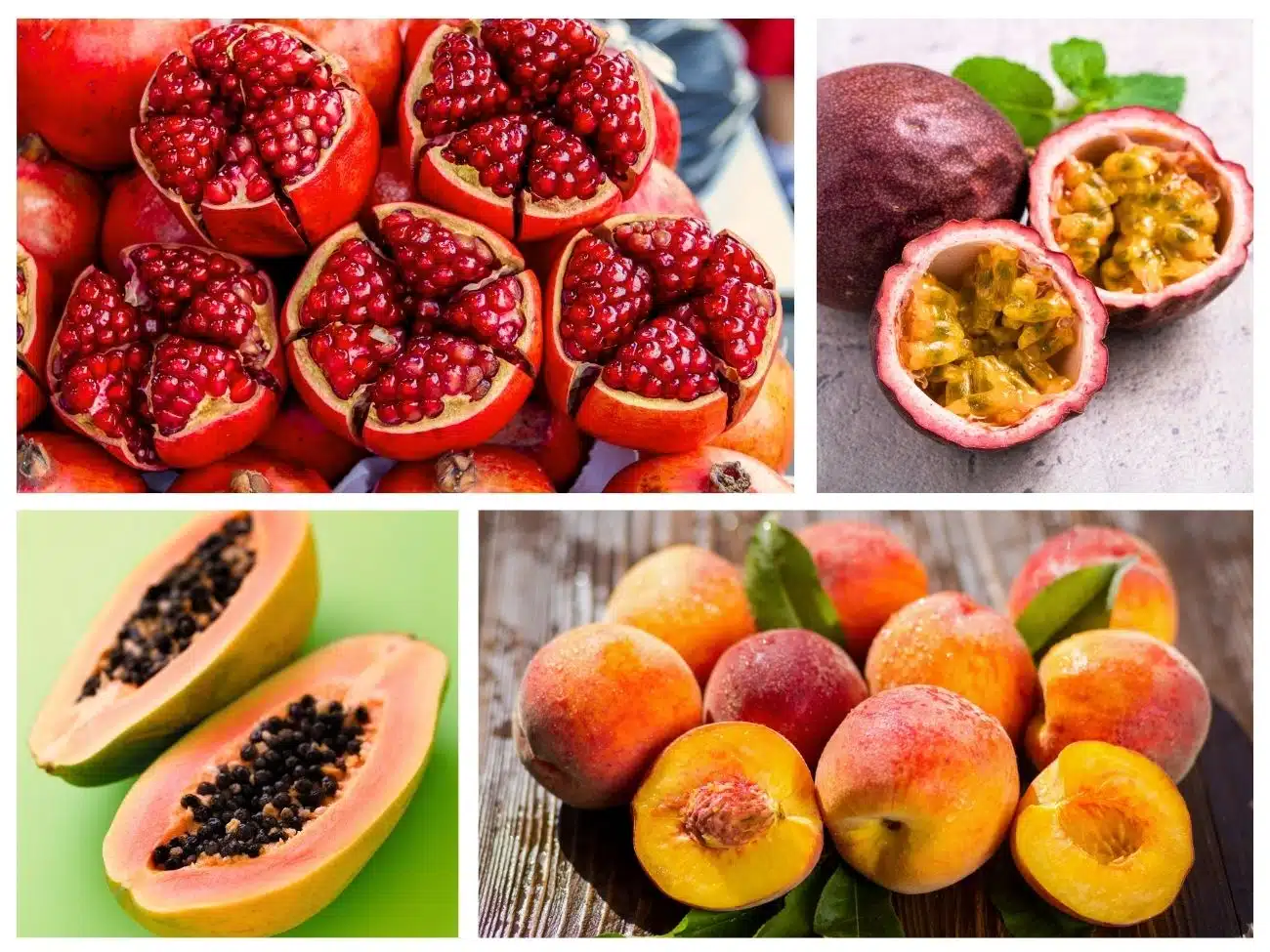


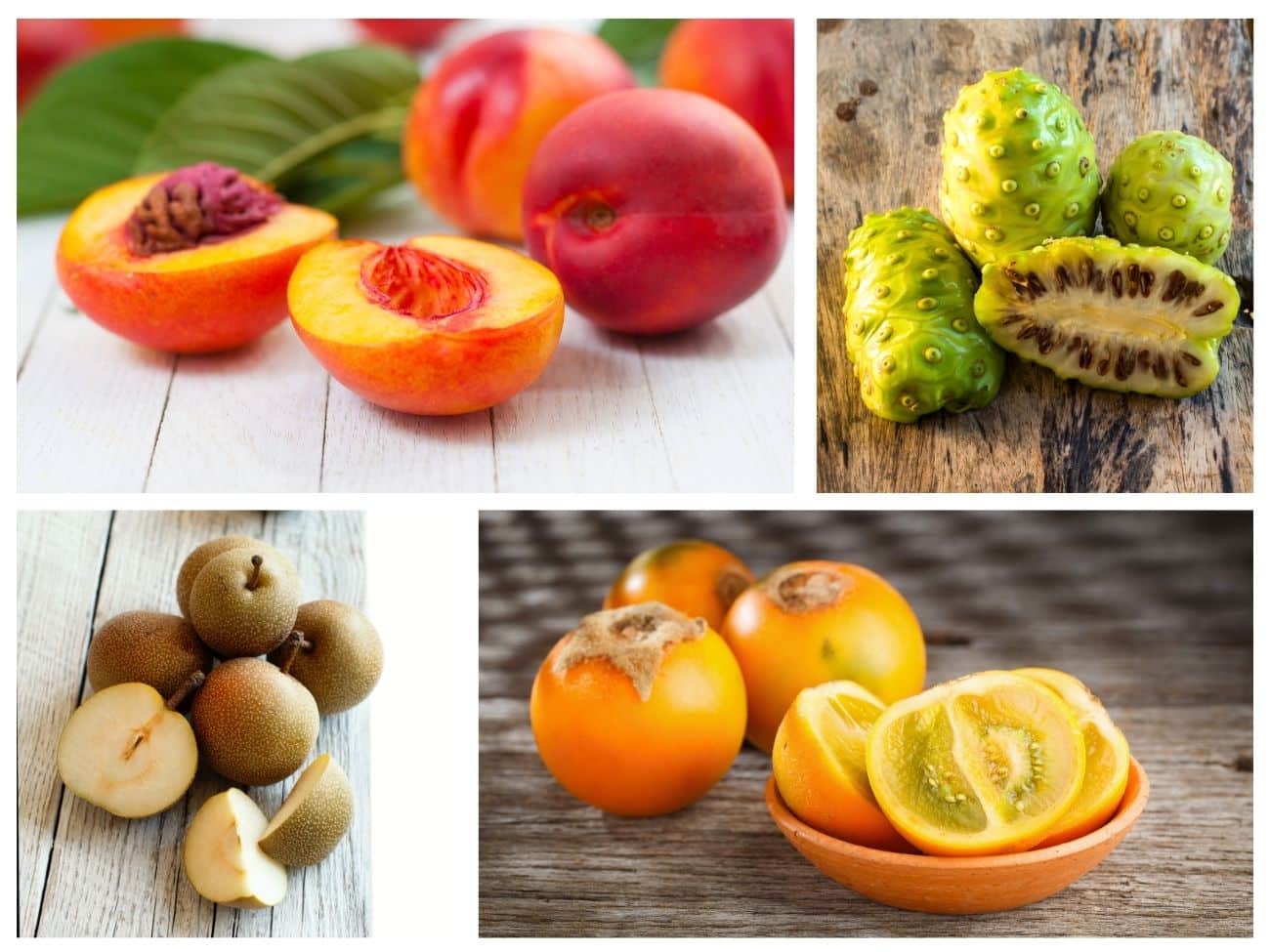

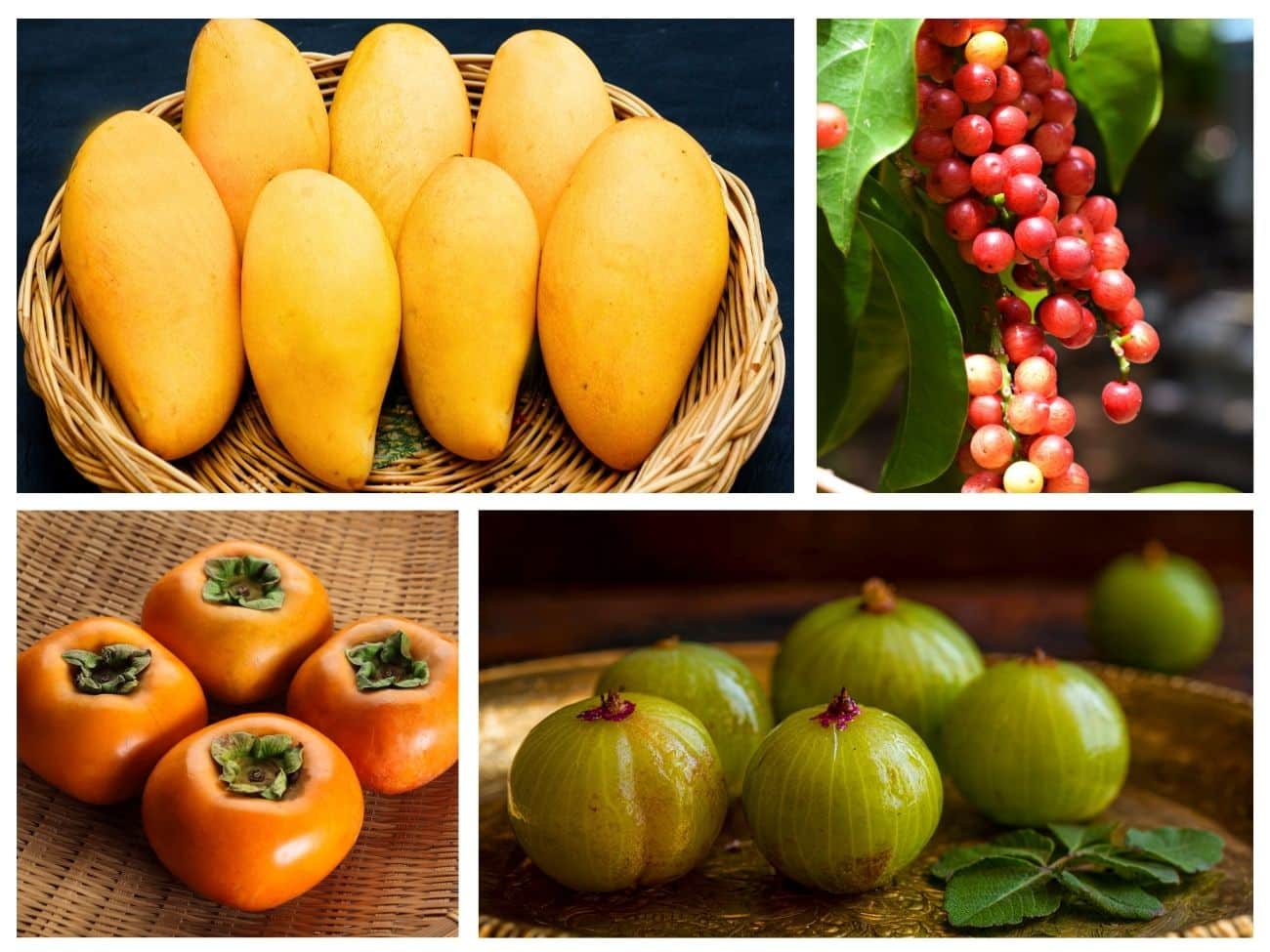


Fruits that start with the letter K might not be the first to spring to mind, but the list is far more interesting and diverse than you might expect. Alongside familiar favourites like kiwi and kumquats, you’ll find fragrant kaffir limes and a whole world of lesser-known fruits from Africa, Asia, and Australia that rarely make it beyond their home regions.
Some of these fruits are everyday staples where they’re grown, while others are true local curiosities you’d only encounter if you happened to be in the right place at the right time. Whether you’re exploring out of pure curiosity or hunting for new ingredient inspiration, this collection offers a glimpse into just how varied and surprising K-fruits can be.
1. Kiwi
Arguably the most well-known fruit beginning with the letter K, the kiwi is loved around the world, though its fuzzy skin can make it slightly awkward to eat.
Originally from China but closely associated with New Zealand (whose residents are famously nicknamed Kiwis), the fruit is now available in several varieties, including golden kiwis, which are sweeter, less acidic, and have smooth, hair-free skin. Kiwis are excellent eaten fresh, tossed into fruit salads, or puréed into sauces and jams, adding a vibrant pop of colour and a refreshing acidity to breakfasts and desserts.
They also look (and taste) amazing as a topping on a classic Pavlova, one of New Zealand’s favorite desserts.
2. Kumquat
These small, orange citrus fruits are grown in regions ranging from Florida to the Greek island of Corfu, and kumquats are unique in that they can be eaten whole—peel and all.
Their sweet, aromatic rind perfectly balances the tart, juicy flesh inside. Kumquats are excellent candied, turned into marmalades and chutneys, or thinly sliced into salads and savoury sauces.
In Corfu, kumquat is particularly prized: a fragrant local liqueur is made from the fruit, and it also features as a key ingredient in traditional sweet Easter breads.
3. Kaffir LimeThis citrus (not to be confused with regular lime) is a staple in Southeast Asian and Thai cooking, known for its intense aroma. While the juice is very sour, the zest and leaves are highly prized for flavoring curry pastes, soups, and marinades. Just drop the leaves whole into broths or stir-fries for a major flavor boost.
Kaffir lime is a key ingredient in many iconic Thai dishes such as green chicken curry, beef Panang curry, Massaman chicken curry, or Tom Yum fried rice.
4. Kakadu PlumThis small green Australian fruit is basically a vitamin C powerhouse! Its tart flesh is fantastic when cooked into jams, chutneys, and sauces. It’s also often dried and powdered to be used as a natural flavor enhancer in other dishes.
5. Kantola (Spiny Gourd)Found across India and Southeast Asia, the kantola is treated like a vegetable, similar to zucchini. It’s usually cooked in curries or stir-fries, and its firm texture means it holds up nicely when fried or sautéed.
6. KarondaThis small, tart, berry-like fruit from India has a slight astringency that makes it great for cooking. It’s typically simmered with sugar for making pickles, chutneys, and preserves. If you catch it perfectly ripe, you can use it for refreshing summer syrups.
7. Kaki (Persimmon)
“Kaki” is the Japanese name for this beautiful sweet orange fruit. It’s great eaten fresh or dried. When fully ripe, the interior gets this wonderful, jelly-like texture, perfect for spooning into desserts or just eating as-is. It also adds natural sweetness and moisture to baking.
8. Kei AppleHailing from southern Africa, the kei apple is a bright yellow fruit with a pronounced, tangy flavour. In taste and texture, it’s often compared to a very tart apricot or crab apple, with a firm flesh and sharp acidity that mellows beautifully when cooked.
While it can be eaten fresh, it’s most commonly used in jams and jellies, where sugar tempers its natural sourness. The pulp also works exceptionally well in compotes, fruit pastes, and preserves, transforming into something rich, aromatic, and pleasantly balanced once sweetened.
9. Kepel FruitThis rare Java native is mildly sweet with intriguing hints of spice. It’s usually just eaten raw for the best flavor. It was historically famous, and somewhat rare, because people believed it naturally perfumed the breath.
10. Kiwano (Horned Melon)Look for the spiky orange rind and the green, jelly-like interior. Kiwano is mild and super refreshing, tasting a little like a mix between cucumber and kiwi. Enjoy it fresh, blended into smoothies, or use it for a fun, decorative garnish.
11. Kiwiberry (Hardy Kiwi)This is the kiwi’s little cousin: grape-sized, smooth-skinned, and you can eat it whole! They are naturally sweet, making them great for lunches, cheese platters, and salads. Their concentrated flavor is also great for making small-batch jams or compotes.
12. Kundang (Marian Plum)This Thai favorite is a bit like a tiny mango—sweet, juicy, and just lightly tart. People often eat it fresh or dip it in chili salt for a simple snack. When it’s really ripe, it’s great tossed into salads or turned into easy preserves.
13. KabosuA Japanese citrus that looks like a green lemon but offers a milder, fragrant acidity. It’s famous for being squeezed over grilled fish, soups, sashimi, or hot pot. The juice also brings a welcome brightness to salad dressings and dipping sauces.
14. Karanda PlumThis small African plum develops a gentle sweetness when fully ripe. People enjoy it fresh, dried, or stewed into simple compotes. It can also be made into wine or homemade preserves, though you won’t usually find it in supermarkets. Because it’s mostly gathered locally, it remains more of a regional treat than an export fruit.
15. Kawista Fruit (Wood Apple)Grown in Java, kawista has a hard shell on the outside but pleasantly fragrant pulp inside, a bit like bael fruit. It’s often simmered into syrups or brewed into traditional drinks. You can also cook the flesh down into a jam-style spread, which is a common way to enjoy it at home.
16. Korean Melon
With its light yellow skin and white stripes, the Korean melon is crisp, mildly sweet, and incredibly refreshing. It’s usually eaten chilled or tossed into fruit salads. Its mild flavor makes it great for smoothies or light cold desserts.
17. KhirniPopular in India, khirni is prized for its soft, creamy flesh and gentle sweetness. It’s lovely eaten fresh but also shows up in jams, sweets, and milk-based desserts where it blends smoothly. Because it has a naturally rich texture, it suits confections and puddings especially well.
18. Kaba FruitA relative of hog plums, kaba fruit has a tangy, slightly fibrous flesh. You’ll mostly find it cooked into chutneys, juices, and pickles where its acidity really works. While the ripe fruit can be eaten raw, it’s far more common as a seasoning ingredient or souring agent in savory dishes.
19. Key Lime
These limes are smaller and much more aromatic than the common Persian variety. They have a bold, bright acidity that is absolutely essential for classic pies, marinades, and cocktails. The zest alone gives a really powerful citrus punch.
In a dessert like Lime-Coconut Loaf Cake, its tartness brightens the sweetness and balances richness. For a comforting meal, Asian Chicken Lime Soup uses lime to uplift and freshen the broth and if you’re in the mood for something bold, Chilli-Lime and Gin Marinated Oysters showcase lime’s sharp edge paired with spice and briny seafood for a punchy starter.
20. Karkalla (Pigface Fruit)This coastal Australian fruit has a juicy, slightly salty-sweet flavor. It’s often eaten straight off the plant or tossed into salads, especially alongside seafood where its brininess fits right in. Indigenous communities have long used it as a handy, refreshing snack.
21. Kyoho Grapes
A famous Japanese variety known for its very large, dark purple berries. They’re super sweet and juicy, often enjoyed fresh or used in desserts. You’ll often see them in upscale treats like tarts, parfaits, and fruit sandwiches. Their natural flavor elevates desserts like Grape Custard Tart and Plum & Grape Hencleș perfectly.
22. Kandis FruitNative to Southeast Asia, these fruits are quite sour and commonly added to curries and soups for a necessary boost of acidity. They can also be preserved in syrup or pickled. Their tartness is key for balancing rich dishes.
23. Kwai MukThis tropical fruit, related to jackfruit, has orange-red flesh with a balanced sweet-sour taste. It’s mostly eaten fresh, but can also be turned into preserves. In some cuisines, its firm pulp is stewed in savory dishes for a gentle fruity note.
24. Kola Nut Fruit
The kola nut itself isn’t sweet, but the fruiting pod is highly valued for its cultural use and stimulating properties. It’s mostly chewed raw or processed into beverages—it’s actually what historically inspired cola drinks.
25. KecapiKnown by its Indonesian name, Kecapi has a velvety rind and sweet-sour pulp. It’s eaten fresh or used in preserves. It can also be stewed into relishes and candied snacks. People often suck the pulp right off the seeds for a lingering tangy taste.
26. Kadsura FruitThis small African plum is eaten fresh or cooked into savory sauces and jams. Its tart flavor holds up well in stewed dishes, giving them a gentle sharpness. People also sun-dry the fruit as a simple way to store it for later use.
27. Kinnow
Widely grown in India and Pakistan, kinnow is loved for its bright flavor and extra-juicy flesh. People enjoy it fresh, squeezed into juice, or cooked down into marmalades. It’s especially popular in winter, when its refreshing acidity makes for vibrant seasonal drinks.
Related: 40+ Tasty Fruits Starting with J
Related: 20 Fruits Starting with I
Related: Fruits Starting with H
Related: 82 Gorgeous Fruits Starting with G
Related: 38 Fantastic Fruits Starting with F
 Chef's Pencil Staff
Our editorial team is responsible for the research, creation, and publishing of in-house studies, original reports and articles on food trends, industry news and guides.
Comments (0)