
Remember me







Fruits that start with the letter N are relatively few, and aside from familiar nectarines, there aren’t many truly mainstream options. What you do find, however, is a fascinating mix of regional fruits, traditional ingredients, and lesser-known varieties that play important roles in local cuisines around the world.
From tropical berries and hardy citrus to fruits prized for drinks, preserves, and desserts, this small but diverse group offers a fresh reminder that not every great ingredient needs to be globally famous to be worth discovering.
1. Nance Fruit
Nance is a small, vibrant yellow or red tropical berry used widely across Central America. Its sweet-tart, slightly funky flavor makes it perfect for jams, fermented beverages, and frozen treats. In Mexico, it’s the star of raspado de nance (a shaved ice dessert) or baked into pastries. It also pairs wonderfully with sugar syrups or rum for simple liqueurs.
2. Natal PlumNative to South Africa, Natal plums have glossy crimson flesh with a distinctive sweet-tart taste. They’re rarely eaten raw, but they truly shine in jams, chutneys, and sauces. Their flavor works well alongside warming spices like ginger or citrus in preserves. Some people use them to create tangy dessert toppings or syrups for cakes.
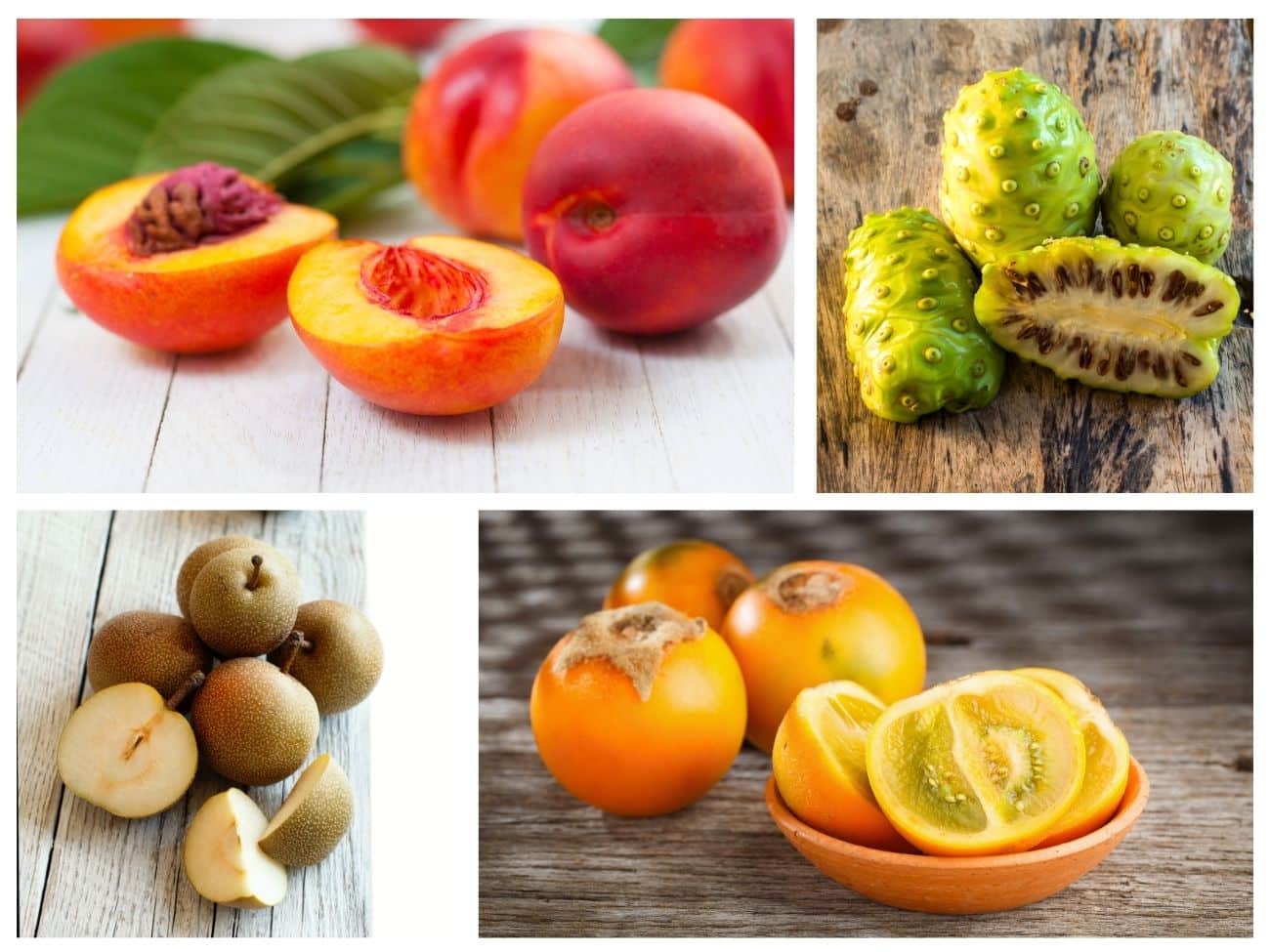
3. Naranjilla (Lulo)Naranjilla has a distinct tropical, tangy taste that reminds many people of citrus mixed with pineapple. It’s most commonly juiced for refreshing drinks, particularly in Colombia and Ecuador. The pulp is a fantastic addition to smoothies, ice creams, and sorbets. Interestingly, in savory dishes, its acidity can balance out spice in sauces or salsas.
4. Nectarine
Nectarines are arguably the most popular fruits starting with the letter N. They offer the juicy sweetness of peaches without the fuzz, making them incredibly versatile for salads, cobblers, or simple grilling.
They maintain their shape beautifully when cooked, so they’re a popular choice for tart fillings or poached fruit desserts. Fresh nectarines are excellent in yogurt bowls and also make delicious chutneys and preserves thanks to their aromatic flesh.
4. Nectacot (Nectarine–Apricot Hybrid)These stone fruit hybrids combine the juicy sweetness of nectarines with the pleasant tang of apricots. Their smooth skin makes them easy and enjoyable to eat fresh. They bake well in crisps or fruit tarts and slice beautifully for cheese boards. Their flavor also works nicely in chutneys and jams where a balanced sweetness is desired.
5. Noni FruitNoni is notably pungent and due to its strong aroma, it’s most often consumed in processed form. You’ll find it in juices, fermented tonics, and powdered supplements rather than eaten fresh. When blended with sweeter fruits, it can add an earthy depth, and some cuisines also cook it lightly to mellow its intensity.
6. Nungu (Ice Apple)
Popular in coastal India and Sri Lanka, nungu offers jelly-like flesh with a very subtle sweetness. It’s delightful eaten chilled as a natural dessert or blended into milk drinks and puddings. Its light, refreshing taste pairs well with coconut and palm sugar, and in hot climates, it’s a favorite snack enjoyed straight from the shell.
7. NectaplumA complex hybrid combining the best of nectarine and plum characteristics, Nectaplums are wonderfully juicy with a pleasant balance of sweetness and acidity. They are delicious eaten fresh but also shine in fruit salads and desserts. Because they hold their shape well when heated, they work great in cobblers or baked tarts.
8. Nutmeg FruitWhile we know nutmeg for its spice, the fleshy fruit encasing the seed is also edible! In regions like Grenada and Indonesia, the fruit is traditionally candied, turned into jams, or used in syrups for drinks. Its flavor is mild and subtly aromatic compared to the intensity of the spice itself.
9. Naartjie (South African Mandarin/Tangerine)Naartjies are easy-peeling citrus fruits similar to tangerines but with a softer, gentler flavor. They’re usually eaten fresh or juiced into sparkling beverages. Their zest brightens cakes, glazes, and sauces. When reduced, their juice makes a fragrant syrup for desserts.
10. Nepalese Hog Plum (Lapsi)Lapsi is an intensely tangy fruit used extensively in Nepal to make pickles, candies, and preserves. Its sourness contrasts beautifully with spice in chutneys. When cooked down with sugar, it becomes delightfully chewy and addictive. It’s rarely eaten raw due to its sharp flavor.
11. Nere Fruit (African Locust Bean Pod Pulp)The fleshy pulp found inside nere pods is tangy-sweet and often processed for condiments in West Africa. While the seeds are fermented to make the seasoning dawadawa, the fruit pulp is eaten fresh or dried, lending itself to snacks or mildly sweet drinks. Its culinary use is deeply traditional and community-based.
12. Nopal Fruit (Prickly Pear / Cactus Fruit)
Prickly pear, often called Nopal fruit, has sweet magenta or golden flesh that is enjoyed fresh or juiced. It makes vivid syrups, frozen treats, and sauces for barbecue glazing. Its seeds add crunch when puréed into jams. This fruit is cherished in Mexican cuisine for its bright, earthy sweetness.
13. Nyii (Umnyi)Nyii is a regional name for a sweet, ovoid fruit that grows in Southern and East Africa. The berries are honey-sweet and often dried like raisins. They are used to enrich teas, confections, and porridges. Fresh ones are soft and delicate but lovely mixed into yogurt or lightly cooked compotes.
Related: Magnificent Fruits Starting With M
Related: 20+ Luscious Fruits Starting with L
Related: 33 of the Best Fruits Beginning with K
Related: 40+ Tasty Fruits Starting with J
Related: 20 Fruits Starting with I
 Chef's Pencil Staff
Our editorial team is responsible for the research, creation, and publishing of in-house studies, original reports and articles on food trends, industry news and guides.
Comments (0)