
Remember me



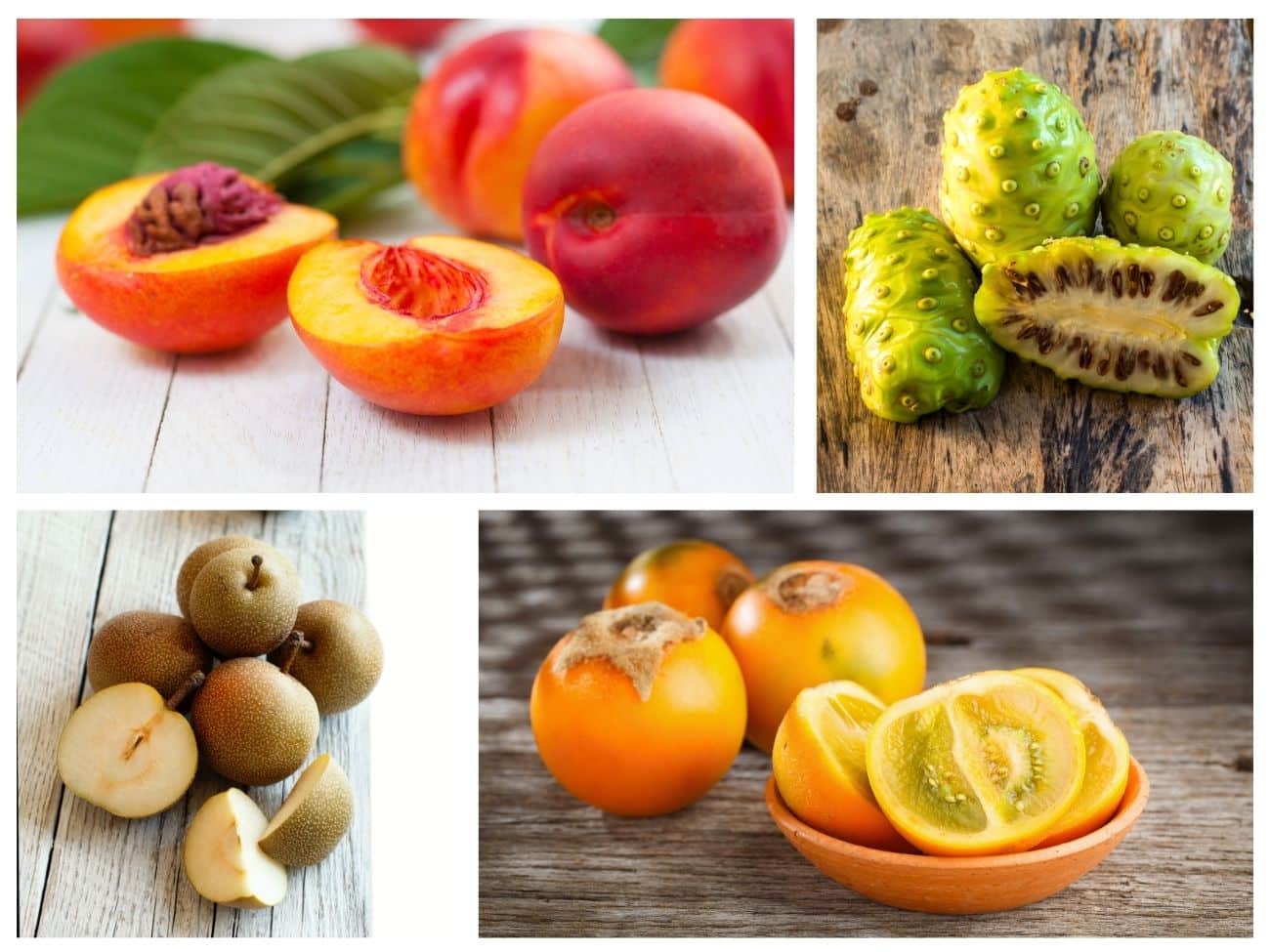

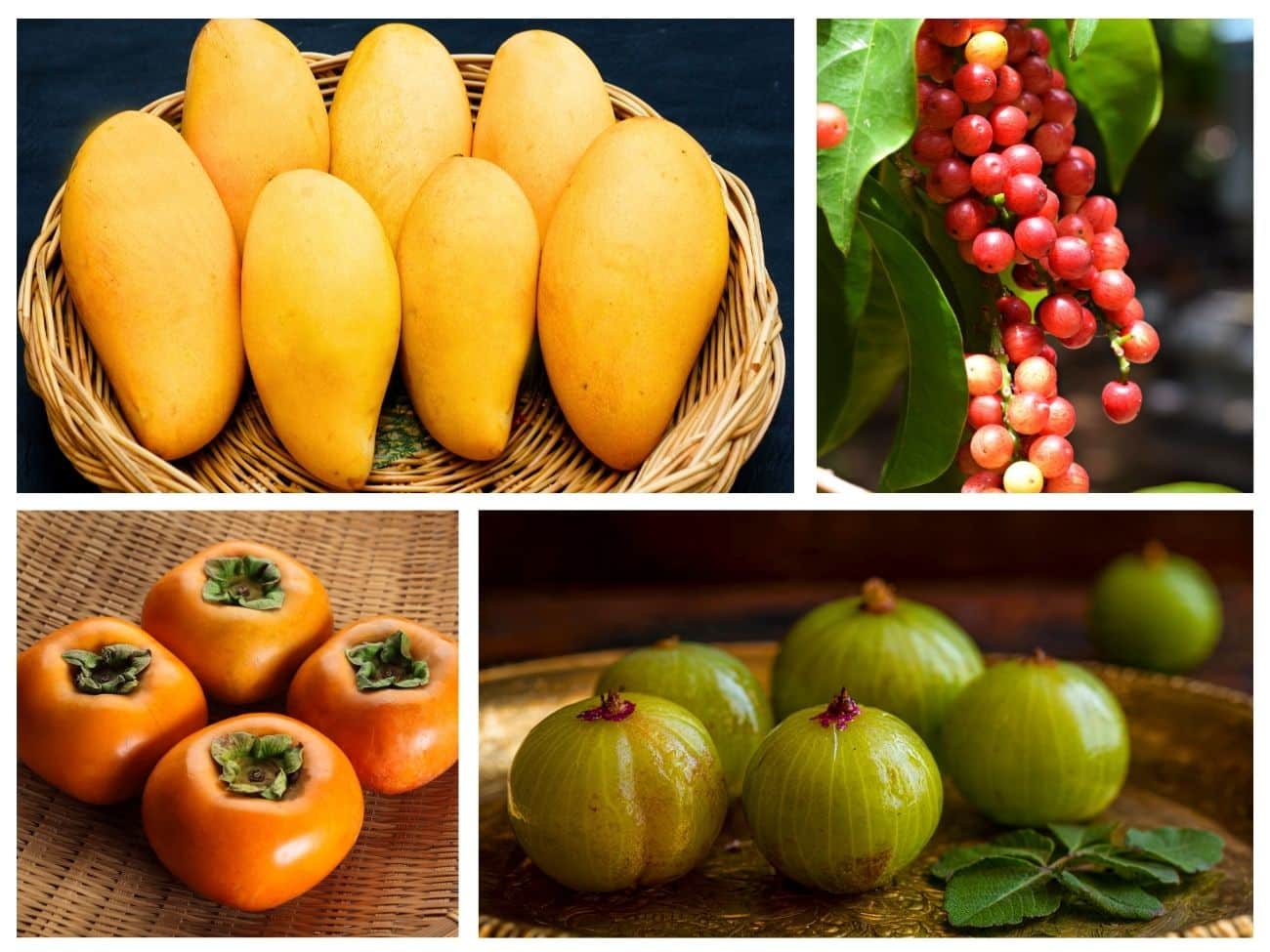


Fruits that start with the letter M feel instantly familiar, yet once you look a little closer, they reveal an incredible range of flavors, textures, and culinary possibilities. From everyday favorites like mangoes, melons, and mandarins to lesser-known fruits tucked away in regional cuisines and local traditions, M-fruits span everything from sweet and juicy to tart, floral, and deeply aromatic.
Some of these fruits are global staples you’ll spot in markets everywhere, while others are rare finds best known where they grow. Whether you’re cooking, baking, blending, or simply curious, this collection shows just how versatile and inspiring fruits beginning with M can be in the kitchen.
1. Mango
Everyone loves a mango! This fruit is arguably the most popular fruit starting with the letter M and no wonder why. It is sweet, juicy, and wonderfully aromatic, making it perfect fresh, blended, or cooked. It truly shines in everything from chutneys and salsas to smoothies (we absolutely love the Indian mango lassi) and desserts. Its great balance of tropical sweetness and slight acidity means it’s useful in both savory and sweet kitchen creations.
You can enjoy the bright, sunny note of mango in Thailand’s classic Sticky Mango Rice for a sweet-meets-comfort treat, or in a Creamy Rice Pudding with Mango Coulis for something cozy with a fruity lift, or go plant-based with Vegan Banana Mango Cakes, where the fruit keeps everything soft and naturally sweet.
2. MelonMelons are just as popular as mangoes and come in many varieties, from watermelon to cantaloupe and beyond. Their mellow, refreshing sweetness pairs beautifully with mint, citrus, and soft cheeses, yet they’re equally enjoyable on their own as a quick, hydrating snack. Paired with celery, melon also makes an unexpectedly perfect side for our sea bass cannoli, adding freshness and balance to the dish.
3. MandarinMandarins are the ultimate easy-peel citrus. They offer a sweet, mild flavor, making them ideal for snacking, tossing through salads, and adding to cakes or marinades. Their juice and zest provide a delicate burst of brightness without ever becoming overpowering.
4. MulberryMulberries are soft, juicy berries that taste a bit like a mix between a raspberry and a grape. They are excellent when cooked into jams, compotes, pies, or reduced into syrups for topping pancakes and yogurt. Since they are so delicate when fresh, they are often best used quickly or turned into preserves.
5. Meyer LemonThis is a fantastic cross between a standard lemon and a mandarin, making it sweeter and much less acidic. Meyer lemons are excellent for making curds, glazes, vinaigrettes, and cocktails, or even roasted whole next to meat. Their fragrant zest is perfect for baked goods without that harsh bite.
6. Mountain Apple (Malay Apple / Rose Apple)This fruit is crisp and lightly floral, making it wonderfully refreshing eaten raw or sliced into salads. Its high water content makes it suitable for pickling or juicing. Because the flavor is so mild, it often serves as a cooling contrast in dishes that are spicy or tangy.
7. Mangosteen
Often called “the queen of fruits,” mangosteens are a popular treat in Bali & Indonesia. It offers sweet, citrusy segments with delicate floral hints. It is truly best eaten fresh, but it also works well in sorbets, sauces, or compotes. Its refreshing acidity is a great balance for coconut-based dishes.
8. MarulaKnown mostly for its use in liqueurs, marula has tart, juicy pulp that ferments easily. Traditionally, people eat the fruit fresh, make juices, and incorporate it into preserves. The fruit offers a distinct fruity backbone to creamy liqueurs.
9. Mamoncillo (Spanish Lime)This fruit has tart, jelly-like pulp, and is usually eaten fresh by popping the skin and sucking the flesh from the seed. The tanginess makes it lovely in drinks or sorbets. In Caribbean cooking, it’s sometimes boiled into syrups or sauces.
10. Mamey SapoteMamey Sapote has creamy, salmon-colored flesh with a sweet, custardy flavor and is native to Mexico and Central America. It blends beautifully into smoothies, ice creams, milkshakes, or baked fillings. Because its taste is often likened to pumpkin crossed with apricot, it’s a natural fit for spiced desserts.
11. Miracle FruitThis fruit is mildly flavored itself, but its fame comes from its ability to alter taste perception, temporarily turning sour foods sweet! While not a traditional cooking ingredient, it’s fun for tasting events, acidic pairings, or cocktail experimentation. It invites playful interaction with citrus and vinegar-based foods.
12. Monstera Deliciosa (Swiss Cheese Plant Fruit)
When fully ripe, this unique fruit tastes like a blend of pineapple and banana. It’s great eaten fresh, blended into smoothies, or added to fruit salads. Remember: it must be fully ripe, as unripe portions contain irritants, so its culinary use rewards patience!
13. MedlarMedlars are hard and astringent until they are “bletted” (left to soften until they’re nearly overripe). Once soft, their sweet, spiced flesh is traditionally used in jams, tarts, and rustic preserves. They bring an antique charm, especially to European country baking.
14. MarionberryAs a superior type of blackberry cultivar, marionberries are loved for their rich, distinct sweet-tart flavor. They excel in pies, jams, cobblers, and sauces, and they freeze exceptionally well. Their concentrated berry notes make them perfect for baked goods that need deep flavor.
15. MayhawMayhaw berries look small and unremarkable, but they produce stand-out jellies and syrups in Southern U.S. cooking. Their natural tartness mellows beautifully with sugar, creating a bright, flavorful condiment for biscuits, pancakes, and pastries. They are rarely eaten raw.
16. Mountain Ash Berry (Rowan Berry)Rowan berries are very tart and definitely need cooking before eating. They are traditionally made into jellies served with game meats or cheese. Their natural bitterness softens with sugar, giving sauces a deep, sophisticated, autumnal character.
17. Malabar Plum (Jambolan / Java Plum)This deep purple fruit has sweet-tart pulp that’s widely used in chutneys, juices, and jams. In South Asian cooking, it’s often simmered into syrups or fermented drinks and sprinkled with salt for a quick snack. Its bold color gives any dish a beautiful, jewel-toned appearance.
18. Mountain Soursop
Similar to regular soursop but a little smaller and less creamy, this fruit has tangy pulp often reserved for drinks and desserts. Its refreshing acidity works well in sherbets, juices, and sweetened purées. Though not as widely known as its cousin, it’s highly valued in tropical cooking.
19. Mammee AppleThis fruit offers apricot-like flesh with a firm texture and a subtle, spicy flavor. It’s often eaten fresh, carved into wedges, or used in jams and custard fillings. Its inherent sturdiness makes it a reliable choice for poaching or simmering.
20. Mexican Hawthorn (Tejocote)Used extensively in Mexico, especially for seasonal drinks like ponche, tejocote has firm, mildly sweet flesh. It’s traditionally boiled, candied, made into jams, and cooked into beverages. Its texture holds up reliably when simmered.
21. Morinda (Noni Fruit)
Noni is famous for its pungent aroma and bitter taste, meaning it’s rarely eaten raw for pleasure! It’s most often processed into juices, medicinal drinks, or cooked preparations where its strong flavor can be masked. Its culinary use tends to be functional rather than indulgent.
22. Manila Tamarind (Camachile)Despite the name, this isn’t a true tamarind. Its fluffy, sweet-sour pulp is great for snacking fresh, adding to salads, or blending into drinks. In some regional cuisines, it also appears in chutneys and sauces for a tangy lift.
23. Mora (Andean Blackberry)Mora berries are juicy but tend to be slightly tangier than typical blackberries. They are wonderful in juices, jams, ice creams, and sauces served over cakes. Their tartness is just right to balance out sugar and cream.
24. Monkey Orange (Strychnos spinosa fruit)This wild African fruit has firm orange flesh that’s used for drying, snacking, and cooking. It can be stewed or turned into jams, offering a lightly sweet, earthy flavor. The hard shell is even cleverly repurposed as a container or craft material.
25. MangabaA Brazilian fruit with a creamy, aromatic pulp, mangaba is commonly used in desserts, juices, and ice creams. Its distinct tropical flavor pairs beautifully with dairy. It’s highly valued locally, though it’s less commonly found fresh outside its native region.
26. Maqui BerryNative to Chile, maqui berries are famous for being rich in antioxidants and are primarily used in juices, smoothies, and powdered supplements. Their mild berry flavor works well combined with yogurt or in jam. Most consumers encounter it in processed form, as the fresh berry is rarely exported.
27. MayappleOnly the ripe yellow pulp of the Mayapple is edible (the rest of the plant is toxic) so it’s mainly used for jellies and preserves. Its flavor is a fascinating blend of citrus and guava. Since eating it raw is rare, its culinary role is centered around cooked syrups or condiments.
28. Mombin (Yellow or Red Mombin / Hog Plum)
These tart fruits are widely used in chutneys, beverages, sauces, and jams across tropical regions. Their firm flesh benefits greatly from simmering. When sweetened, they make a punchy jam or a refreshing, tangy drink base.
29. Midyim Berry (Midgen Berry)This is a delicate Australian berry with sweet, slightly peppery notes. It’s often eaten fresh or baked into simple cakes and biscuits. You’ll also find it turned into jams or light syrups. Its gentle flavor pairs particularly well with cream and pastry.
30. Mexican Sour Cucumber (Melothria / Mouse Melon)These tiny, cucumber-like fruits offer a tart, refreshing bite. They are fantastic tossed into salads, pickled quickly, or eaten straight as a crunchy snack. Their bright flavor works especially well alongside herbs and crumbly cheeses.
31. Mountain Cranberry (Lingonberry / Cowberry)These berries are sharp and tangy and are rarely eaten raw, but they shine brightly once they are cooked. They are famously used in jams, sauces, or condiments served alongside rich meat dishes, as their acidity beautifully cuts through fat.
32. Mahua Fruit
Mahua is often dried, fermented, or distilled, so its culinary role leans toward traditional sweets and drinks. When cooked down, its sweetness really comes through, lending body to syrups and desserts. The flowers of this plant are also used in a similar fashion.
33. Madagascar PlumThese small fruits have a sweet-tart taste. They are good for fresh eating if you catch them fully ripe, but they are even better when cooked. They often become preserves, chutneys, or refreshing drinks. Their subtle flavor deepens nicely when simmered.
34. Mussaenda FruitWhile not common globally, in the regions where it grows, this fruit is eaten fresh or incorporated into local sweet recipes. It has a mild flavor that generally benefits from the addition of sugar or spice. Think of it as a pleasant, if subtle, supporting ingredient.
35. Maracuja (Yellow Passionfruit)
This passionfruit variety is known for its intense perfume and tangy pulp. It is fantastic for lifting desserts, sauces, cocktails, and yogurts with its incredible brightness. It’s a small fruit that truly packs a significant flavor punch.
Desserts are the domain where this fruit truly shines. If you enjoy passionfruit you’ll love this lush Passion-Fruit (Lilikoi) Cheesecake or a light, airy Passion-Fruit Mousse.
36. Magellan Barberry (Calafate Berry)A deep blue South American berry with a distinctly tart flavor, it is often turned into jams, wines, or syrups. It has a visual appeal that suits glazing pastries or flavoring desserts. It’s rare to find fresh outside its region, but it’s packed with flavor intensity.
37. Maafai (Burmese Grape)A Southeast Asian fruit with a lightly sweet and sour taste, it is usually eaten fresh or dipped in salt. In home cooking, it might be added to light stews or enjoyed alongside spicy dishes for a cooling, gentle contrast.
38. Monkey Puzzle Nut (Araucaria Fruit Seed)These seeds come from the large cones of the monkey puzzle tree. Once properly boiled or roasted, they taste mildly sweet and starchy, making them a traditional snack or ingredient similar to chestnuts. They pair wonderfully with salt, herbs, or butter.
Related: 20+ Luscious Fruits Starting with L
Related: 33 of the Best Fruits Beginning with K
Related: 40+ Tasty Fruits Starting with J
Related: 20 Fruits Starting with I
Related: Fruits Starting with H
 Chef's Pencil Staff
Our editorial team is responsible for the research, creation, and publishing of in-house studies, original reports and articles on food trends, industry news and guides.
Comments (0)