
Remember me




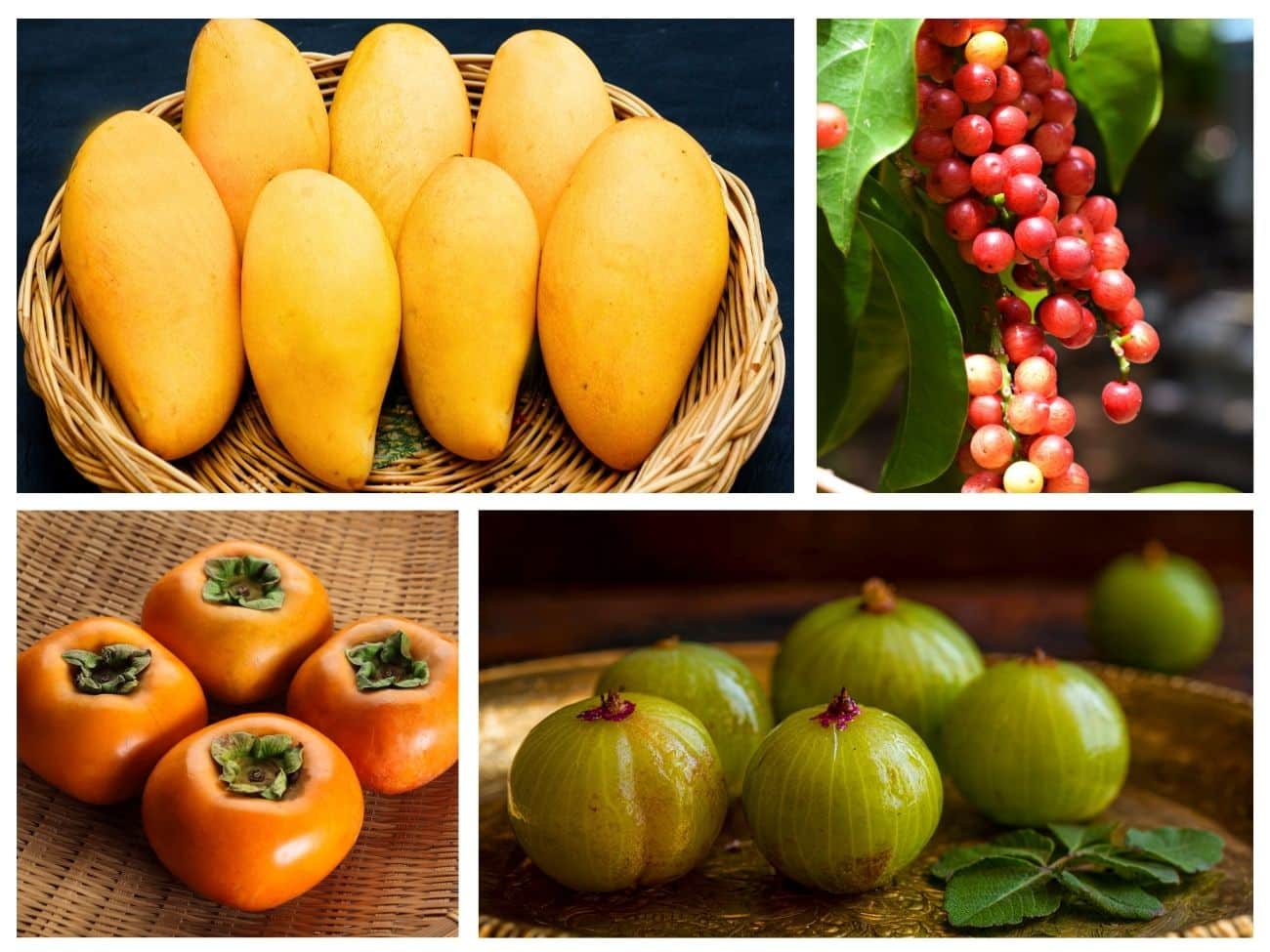


There’s something especially comforting about fruits that start with the letter P. Many of them are woven into everyday cooking without much thought: sliced into breakfast bowls, baked into familiar desserts, or paired with savory dishes that feel like home. Others are tied to specific places and traditions, tasting best when enjoyed in the context they come from.
Together, they tell a story of how fruit moves through our kitchens and cultures, from simple snacks to carefully prepared dishes. This collection brings those fruits together, celebrating both the familiar favorites and the lesser-known gems that deserve a place on your plate.
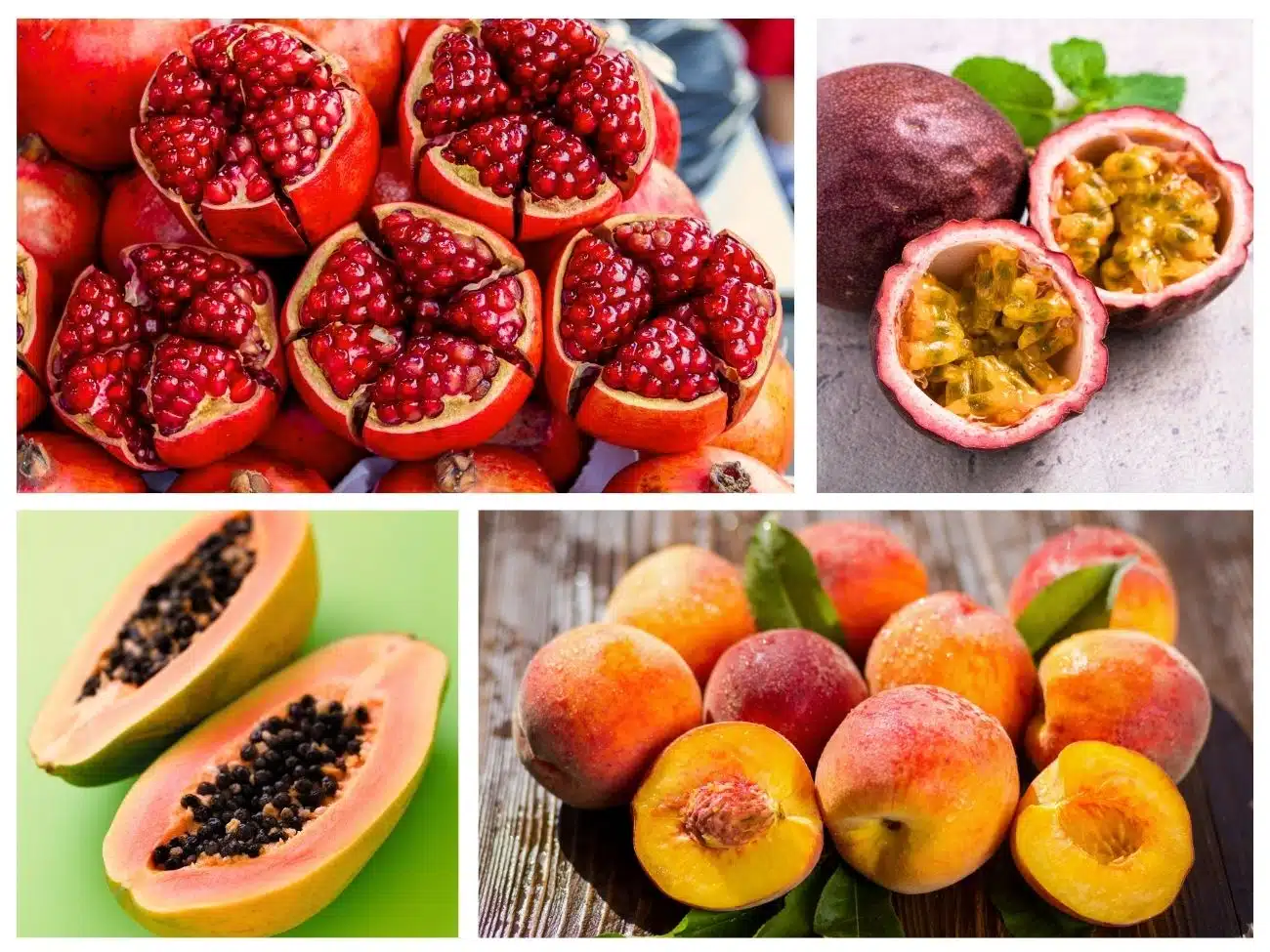
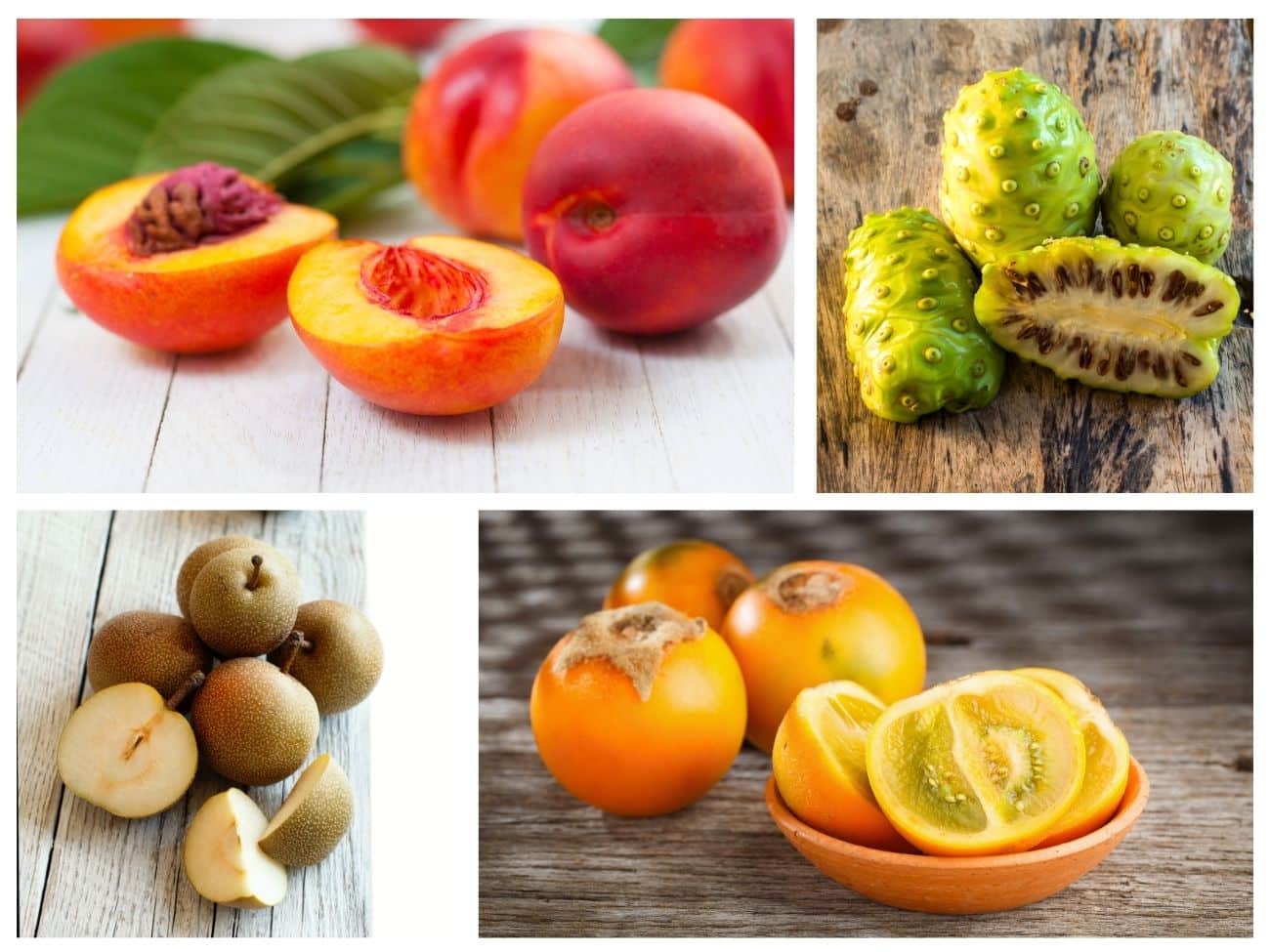
1. PeachPeaches are known for their juicy flesh and soft skin, and they’re great in everything from pies to fresh summer salads. They also hold up nicely on the grill, where their sweetness deepens, and they work beautifully as the base for a great barbecue sauce. Most people enjoy them as a simple snack, but they’re just as good in baked or savory dishes.
You can lean into their fresh, summery side with the Layered Peach Yogurt Cake with Almond Base, or pair them with something deeper and more decadent in the Chocolate & Peach Cheesecake. For a classic pastry-style bake, the Peach Tart with Creamy Peach Filling and Walnut Crust highlights just how well peaches shine in a simple, well-balanced tart.
2. PearOne of the most popular fruits start with the letter P, pears range from crisp to buttery-soft depending on the variety, which makes them easy to use in many recipes. They’re especially good poached or baked because they keep their shape. Their gentle sweetness pairs well with spices, cheese, and pastries.
For a cozy bake, the Pear Almond Cake brings out pear’s subtle floral notes, while the Rustic Pear Tart with Cream Cheese Filling combines fruit and rich cheese in a timeless tart. On the savory side, try the Prosciutto-Wrapped Pear Cheese Rolls or the elegant Pear & Gorgonzola Tartlets for appetizer-worthy pairings of sweet pear and bold cheese.
3. PineapplePineapple brings a mix of bright acidity and sweetness that works well in both sweet and savory dishes. It’s great fresh, blended into drinks, or grilled. The flavor also adds a lot to marinades, salsas, and tropical desserts.
A tropical twist on a weeknight favorite, Thai-Style Pineapple Fried Rice pairs juicy pineapple with rice and savory seasonings for a lively main. For a bolder contrast, Spicy Sweet Potato, Pineapple & Chili brings heat and sweetness together in a cozy, comforting dish. And if you’re thinking dessert, the Sweet Cicely Ice Cream and Chocolate Mousse uses pineapple gel alongside rich chocolate for a refreshing, layered finish.
4. Papaya
Papaya has smooth, mellow-tasting flesh that’s pleasant on its own or in fruit salads. It blends easily into smoothies and pairs well with a squeeze of lime. Unripe green papaya is also used as a crunchy ingredient in Southeast Asian dishes.
On the savory side, classic Thai Green Papaya Salad (Som Tam) pairs shredded papaya with lime and chilies for lively, crunchy freshness, while Steamed Prawns with Papaya Honey Salsa lets the fruit’s subtle sweetness complement seafood and a touch of heat.
5. PersimmonPersimmons can be soft and custard-like or crisp and mildly sweet, depending on the type. They’re great eaten fresh, baked into cakes, or sliced into salads. Their natural sweetness also makes them a nice ingredient for jams or simple winter snacks.
6. PlantainPlantains are firmer and starchier than bananas, which is why they’re usually cooked. They can be fried, baked, or boiled, and they turn sweeter as they ripen. They’re a staple in many Caribbean, African, and Latin American cuisines. A classic way to enjoy them is in Tostones (Fried Green Plantains), where firm green plantains are fried, smashed, and fried again until golden and crunchy, making a great side or snack.
7. PlumPlums come in a wide range of flavors, from tart to very sweet. They work well fresh but also bake nicely into tarts, crisps, and sauces. Their soft texture and bright juice make them a flexible option in desserts and preserves.
In savory dishes, you can let flavor contrasts shine with Crispy Pork Spring Rolls with Plum Sauce or swap the sauce for something heartier in Pan-Fried Pork Chops with Plums & Rosemary, where the fruit’s brightness cuts through rich meat. For dessert, the Fluffy Vegan Plum Pie is a great way to let ripe plums take center stage in a classic fruit pie.
8. PomeloPomelo is a large citrus fruit with thick pith and sweet, mild flesh. It holds its shape well in salads and desserts and isn’t as bitter as grapefruit. The segments are easy to separate and enjoy as a simple snack too.
9. Pitaya (Dragon Fruit)
Pitaya has mildly sweet, refreshing flesh dotted with tiny edible seeds. It’s often used in smoothie bowls, salads, and chilled desserts because of its light flavor. The bright red and magenta varieties add great color as well.
10. Pili Nut FruitThe fruit around the pili nut is edible and has a soft, slightly resinous flavor. It’s usually cooked or fermented in parts of the Philippines. While it isn’t as widely known as the nut itself, it’s still a real, traditionally used fruit.
11. PequiPequi has bright orange pulp with a strong aroma that leans savory. It’s typically cooked into rice dishes, stews, and other traditional Brazilian recipes. The flavor is bold, so a little goes a long way.
12. Pawpaw (Asimina triloba)Pawpaw has creamy, custard-like flesh with flavors that hint at banana and mango. It’s commonly used in breads, puddings, and ice creams, but it’s also good eaten fresh. Because it spoils quickly, it’s more of a local specialty than a supermarket staple.
13. Pomegranate
Pomegranate arils offer a bright, sweet-tart burst of flavor. They’re easy to sprinkle over salads, grain bowls, or yogurt, and they add color as well as taste. The juice and molasses are also widely used to add depth to savory dishes.
In salads and grain bowls, the Black Quinoa and Rice Salad with Fruits & Nuts pairs those jewel-like arils with grains and nuts for a colorful side. The Mozzarella & Poached Egg Salad with Blackberry Vinaigrette uses them to contrast creamy cheese and rich egg, while the Turkish Güllaç finishes with pomegranate on a light, milky dessert for a subtly festive touch
14. PluotA pluot is a plum–apricot hybrid that leans much more toward plum in flavor and texture. It’s juicy, sweet, and great for snacking or baking. Because its taste and structure differ noticeably from standard plums, it earns its own spot on the list.
15. PineberryPineberries look like pale strawberries with red seeds, but their flavor has a light pineapple-like note. They’re delicate and best enjoyed fresh or used as a garnish in desserts. Their unique taste and appearance make them popular in specialty markets.
16. Peach Palm Fruit (Pejibaye)This starchy, hearty fruit is always cooked before eating and has a mild, slightly nutty flavor. It’s common across Central and South America, often boiled and served warm with salt, butter, or cheese. The cooked flesh can also be milled into flour for breads and cakes, giving it a pleasantly earthy note.
17. Persian LimePersian limes are seedless, easy to juice, and known for their bright, clean citrus flavor. They show up in everything from marinades and drinks to desserts and everyday cooking. Their consistent acidity makes them especially reliable in recipes that depend on precise balance.
18. Passionfruit
Passionfruit is known for its tangy, aromatic pulp that instantly brightens desserts and drinks. The seeds add a light crunch whether you spoon it fresh or use it as a topping. Purple and yellow varieties differ slightly in intensity but work similarly in the kitchen.
Passionfruit’s bright, sweet-tart flavor adds a lively tropical twist to desserts both light and rich. Try it with ripe mango in a Mango & Passionfruit Meringue Roulade for a fresh, airy finish, or go creamy with the Passion Fruit (Lilikoi) Cheesecake for a smooth, tangy centerpiece.
19. PlumcotPlumcots strike a true middle ground between plum and apricot, offering juicy flesh with balanced sweetness and acidity. They’re great for snacking, baking, or slicing into salads. Their slightly apricot-forward flavor gives them a gentle floral edge that sets them apart.
20. Peumo FruitPeumo is a Chilean fruit with firm, reddish-orange pulp and a mild, pleasant flavor. It’s usually eaten fresh or added to traditional drinks and preparations. Though it’s not widely exported, it plays a steady role in regional cuisine.
21. PitombaPitomba is a small Brazilian fruit with a tangy, slightly astringent bite. It’s often eaten fresh or turned into drinks, syrups, and preserves. Despite its size, it has a nice balance of sweetness and acidity.
22. Pitanga (Surinam Cherry)
Pitanga is a small, ribbed fruit with a sweet-tart flavor that can range from mild to quite sharp depending on ripeness. It’s often eaten fresh or turned into juices, jams, and syrups. The darker varieties tend to be sweeter and less resinous.
23. Pindo Palm Fruit (Jelly Palm Fruit)These small orange fruits have a soft, fibrous texture and a fruity flavor that hints at pineapple, banana, and even a little apricot. They’re commonly made into jellies, wines, and homemade syrups. You’ll find them in South America and parts of the southern U.S. where the palms grow.
24. Pandan FruitPandan fruit is aromatic and fibrous, with segments that can be chewed for their mild sweetness and nutty undertone. While pandan leaves are more famous, the ripe fruit still sees use in some Pacific Island cuisines. Only certain parts are eaten, since much of the fruit is tough.
25. PepperfruitPepperfruit has a sharp, peppery kick with a hint of sweetness, which makes it popular in West African cooking. It can be eaten fresh, used as a spice, or added to traditional drinks and stews. Its bold aroma makes it easy to recognize.
26. Poha Berry (Cape Gooseberry)Poha berries have a bright, sweet-tart flavor wrapped inside their signature papery husk. They’re delicious fresh, but they also work well in jams, chutneys, and baked desserts. Their acidity brings a lively lift to salads and pastries.
27. Prickly Pear (Cactus Pear)
Prickly pears have soft, sweet flesh that can range from pale green to deep magenta. They’re used in drinks, jellies, and desserts, and their juice has a bright, refreshing taste. The seeds are edible, though a bit crunchy, adding texture to the fruit.
28. PeacharineA peacharine blends traits from peaches and nectarines, offering smooth skin with juicy, peach-like flesh. It’s easy to enjoy fresh but also holds up well in baking. The flavor is balanced and familiar, sitting right between its parent fruits.
29. Peppercorn FruitFresh green peppercorns are actually bright, aromatic fruits harvested before they mature. They lend a soft heat and citrusy freshness to curries, sauces, pickles, and brined dishes. Their flavor is more vibrant and less sharp than dried pepper, making them a favorite in Thai and other Southeast Asian cuisines.
30. Piquillo PepperPiquillo peppers are sweet, triangular fruits prized in Spanish cooking for their soft texture and lightly smoky flavor. They’re frequently roasted, stuffed, or blended into sauces and spreads. Their mild sweetness pairs beautifully with cheese, seafood, and tapas-style dishes.
31. Pacay (Ice Cream Bean Fruit)Pacay pods open to reveal long, fluffy white pulp that tastes mildly sweet with a hint of vanilla. It’s usually enjoyed fresh right out of the pod, making it a fun and nostalgic treat in regions where it grows. The airy, cottony texture gives it a dessert-like feel despite its simplicity.
32. PapaturroPapaturro fruit has soft, juicy pulp with a gentle sweetness and subtle tropical note. It’s eaten fresh or turned into drinks and is especially common in Central American coastal regions. While small, the fruit has a smooth, refreshing flavor that makes it easy to enjoy.
33. Pacific CrabappleThis small, tart apple is native to the Pacific Northwest and has long been used in jams, ciders, and preserves. It softens beautifully when cooked, adding bright acidity to mixed fruit dishes. While too sour for most people to enjoy raw, it brings great depth and structure to cooked recipes.
34. PiquiáPiquiá is a South American fruit with dense, oily flesh and a savory, almost nutty flavor. It’s typically roasted or added to hearty cooked dishes where its richness really stands out. The texture is thick and filling, making it a notable ingredient in regional Amazonian cooking.
35. Pataua FruitPataua fruit is pulped into a creamy, dark juice with a flavor reminiscent of mild açaí. It’s used in drinks, porridges, and fermented beverages, often adding a smooth, velvety richness thanks to its natural oils. Its deep color and subtle sweetness make it popular in local Amazonian cuisine.
36. Panama Berry (Jamaican Cherry)Panama berries are small, soft, and known for their cotton-candy-like sweetness. They’re usually eaten fresh but can also be turned into syrups, jams, and homemade wines. Because the berries spoil quickly, they’re best enjoyed close to where they grow, making them a beloved local treat.
37. Pepino DulcePepino dulce has smooth skin and pale, melon-like flesh with gentle sweetness. It’s refreshing eaten fresh, added to fruit salads, or sliced into chilled side dishes. The flavor is mild and soothing, making it a popular summer fruit in regions where it grows.
38. Parinari FruitParinari fruit has firm, slightly mealy flesh with a gentle sweetness and nutty undertone. It’s eaten fresh or soaked in warm water to soften before mixing into porridges and traditional dishes in West and Central Africa. It has a long history of use and remains a valued food in rural communities.
39. Pommerac (Malay Rose Apple)Pommerac has crisp, juicy flesh with a mild floral sweetness that makes it refreshing in hot climates. It’s eaten fresh, turned into juices, or cooked down into jams across the Caribbean and Southeast Asia. Its watery, cooling texture makes it especially popular in warm regions.
40. Pouteria caimito (Abiu)
Caimito sapote produces yellow, soft-fleshed fruits with a gentle, mellow sweetness. They’re eaten fresh or blended into shakes, puddings, and creamy desserts. Its smooth texture places it firmly in the classic sapote family of custardy fruits.
41. Petai (Bitter Bean)Before the seeds are removed, the pod contains a thin layer of edible, mildly sweet fruit pulp. It’s sometimes eaten in traditional Southeast Asian preparations where nothing goes to waste. Though subtle in flavor, it’s a legitimate edible part of the petai fruit.
Related: 14 Tasty Fruits That Start with O
Related: Fruits That Start with N
Related: Magnificent Fruits Starting With M
Related: 20+ Luscious Fruits Starting with L
Related: 33 of the Best Fruits Beginning with K
 Chef's Pencil Staff
Our editorial team is responsible for the research, creation, and publishing of in-house studies, original reports and articles on food trends, industry news and guides.
Comments (0)