“So if you don’t know, don’t give up,” sings Lana Del Rey on the song “Margaret”, from 2023’s Did You Know That There’s a Tunnel Under Ocean Blvd, “’cause you never know what the new day might bring… maybe tomorrow, you’ll know.” It’s an album that fizzes with ambivalence – on time, family, fertility, identity and even Del Rey’s own oeuvre, which gets picked over, re-sampled and reworked, troubling the contours of her creative and personal growth. Lana is an artist who doesn’t simply poach across boundaries of taste and style, she all-out violates them, parlaying a range of gender, race and class stereotypes to construct a picture of a modern, complicated, libidinal woman – as Jia Tolentino writes, “at once artificial, but authentic to the world we live in”.
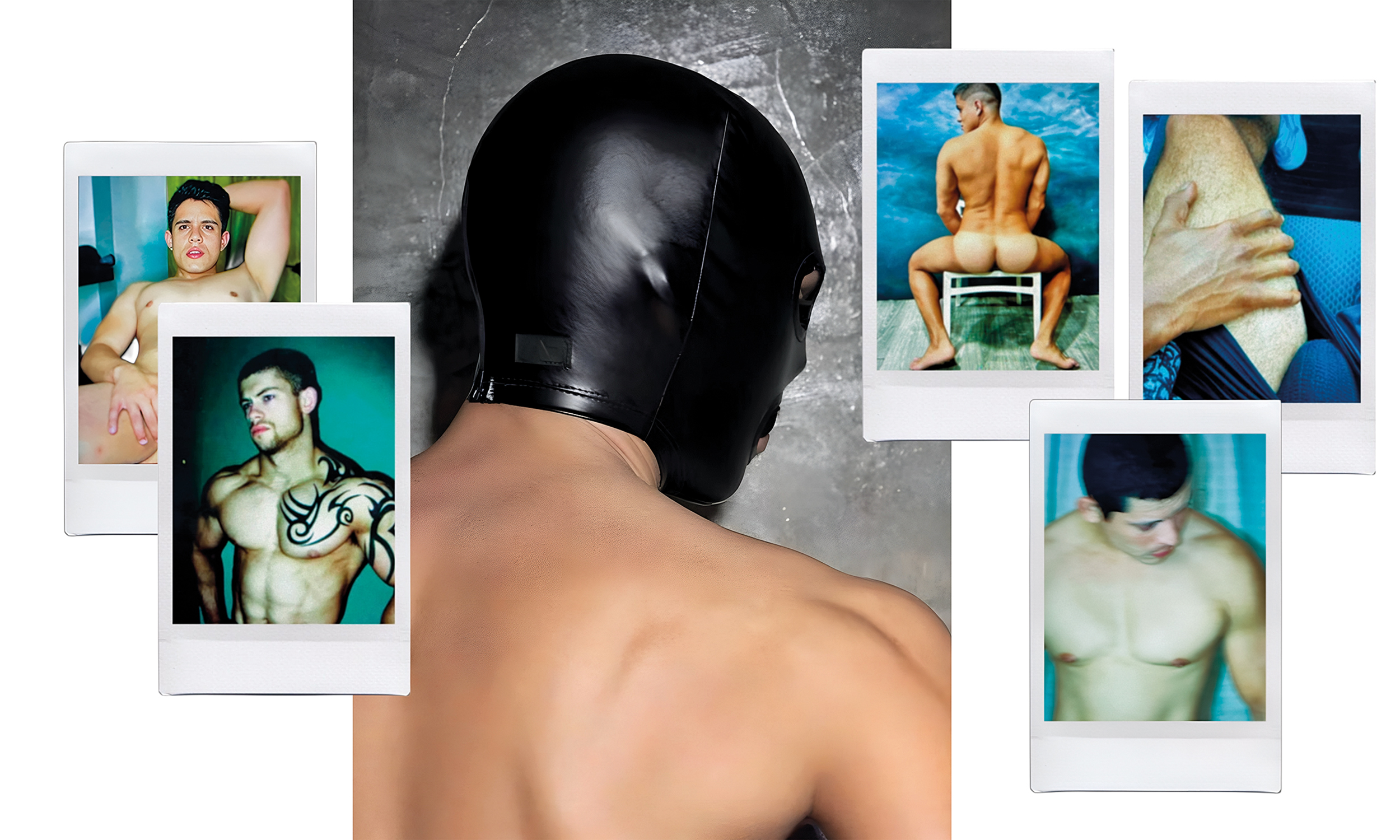
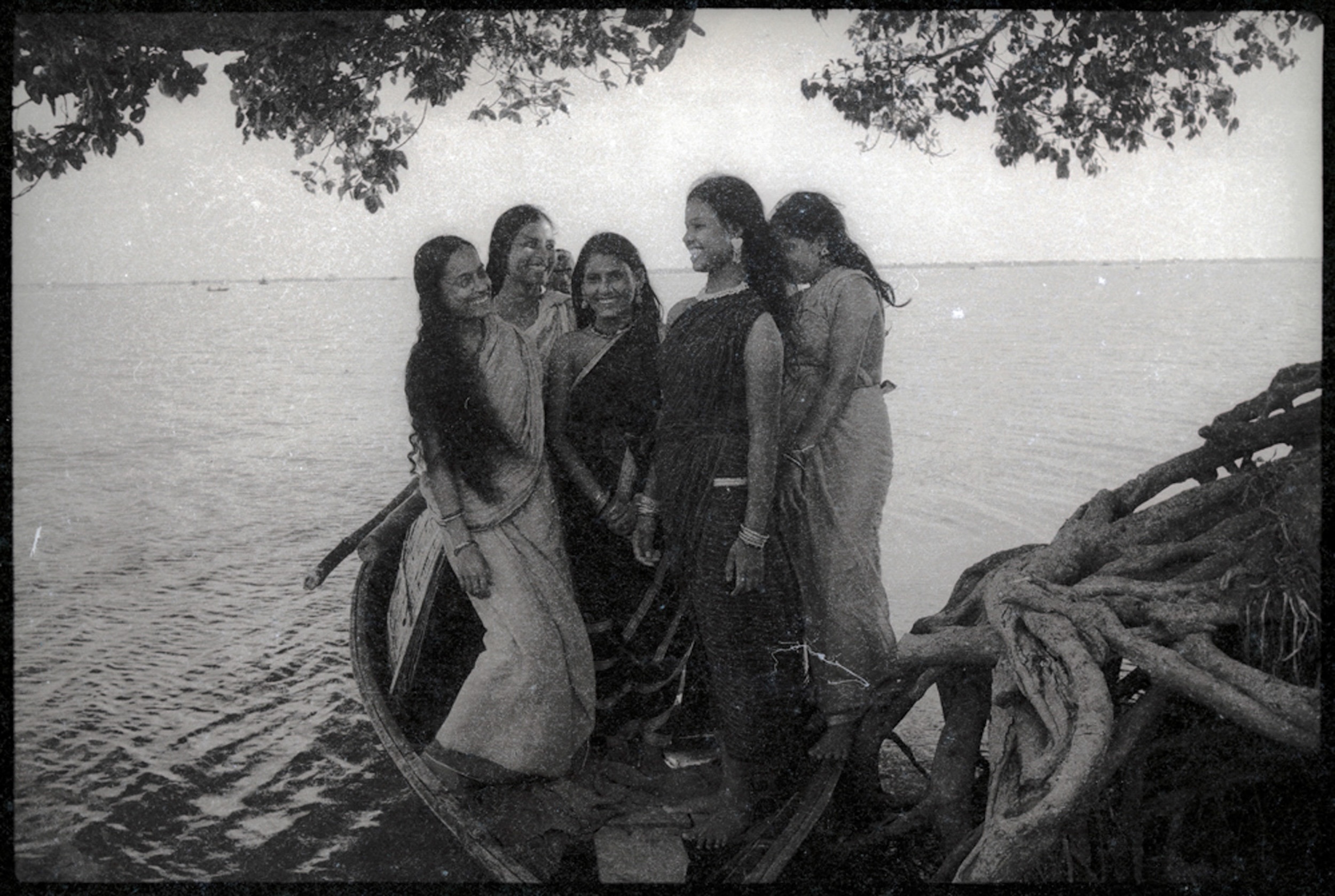
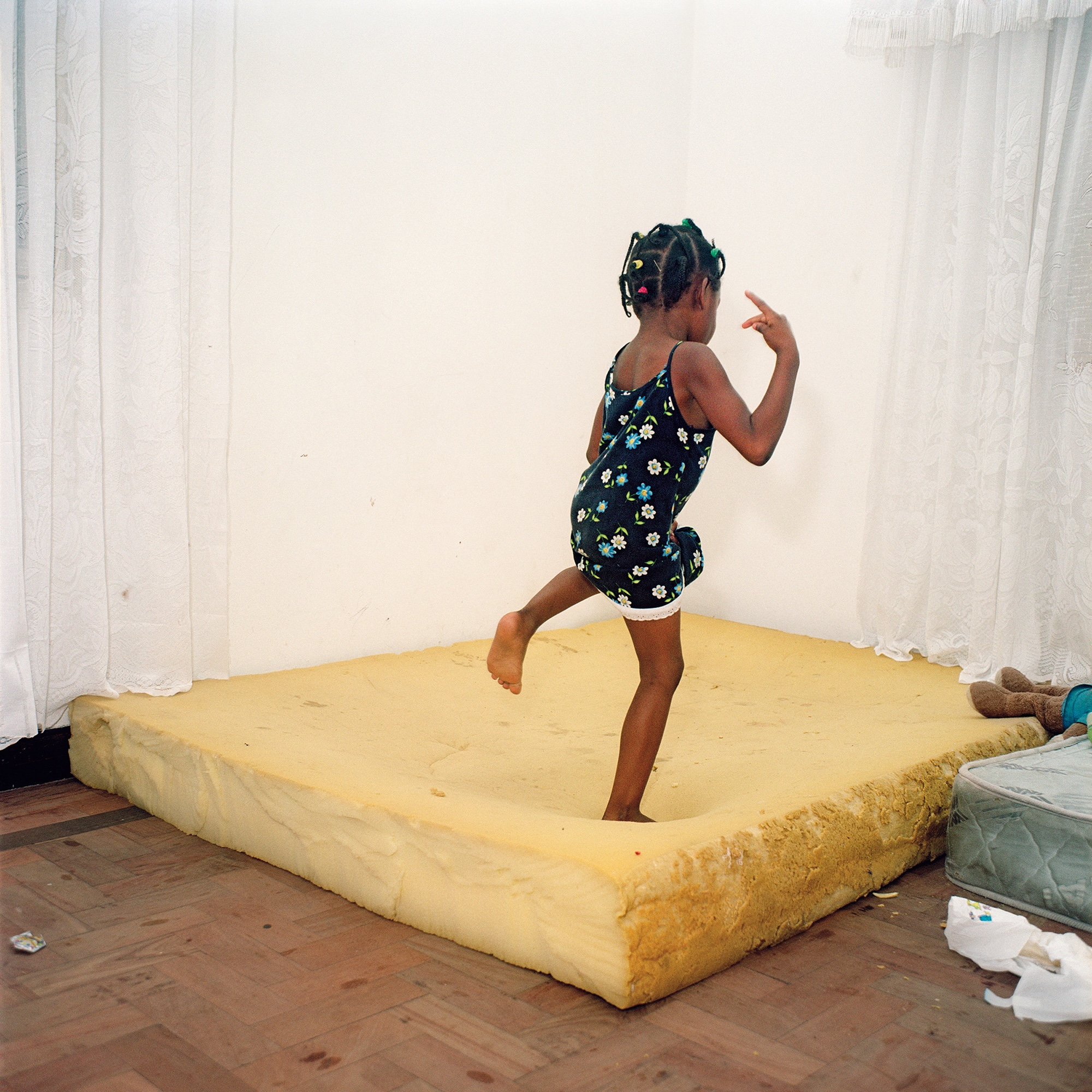
“I think she’s one of the greatest songwriters of our generation,” says Ezekiel, the Filipino-born, Margate-based artist and filmmaker. We’re discussing the process of making Somewhere between a doll and a dog, Ezekiel’s searing new photobook, published by the POC-led, trans and queer creative direction studio SMUT, with the support of Studio Moross. The book features a dizzying sequence of film and iPhone photographs, along with scanned letters and diary extracts, that compose a “visual archive of transness” accumulated across the UK, the Philippines, Europe and the USA between 2021 and 2024. It was a period during which Ezekiel listened to Lana Del Rey on repeat, along with early Madonna, another artist known for skewering the cliches of authenticity within modern pop music, as well as the contradictory notion of female empowerment under capitalism. Lana appears in the book around a third of the way through, or at least her avatar: seemingly caught in a moment of serenity, eyes closed as if in prayer, on a 50ft high stadium screen. Her image reappears, more ghostly and refracted, in a sea of mobile phone screens bobbing beneath. The “real” Lana, in as much as it’s possible to say that one exists, is outside of the frame somewhere, significantly smaller no doubt, and vulnerably corporeal.
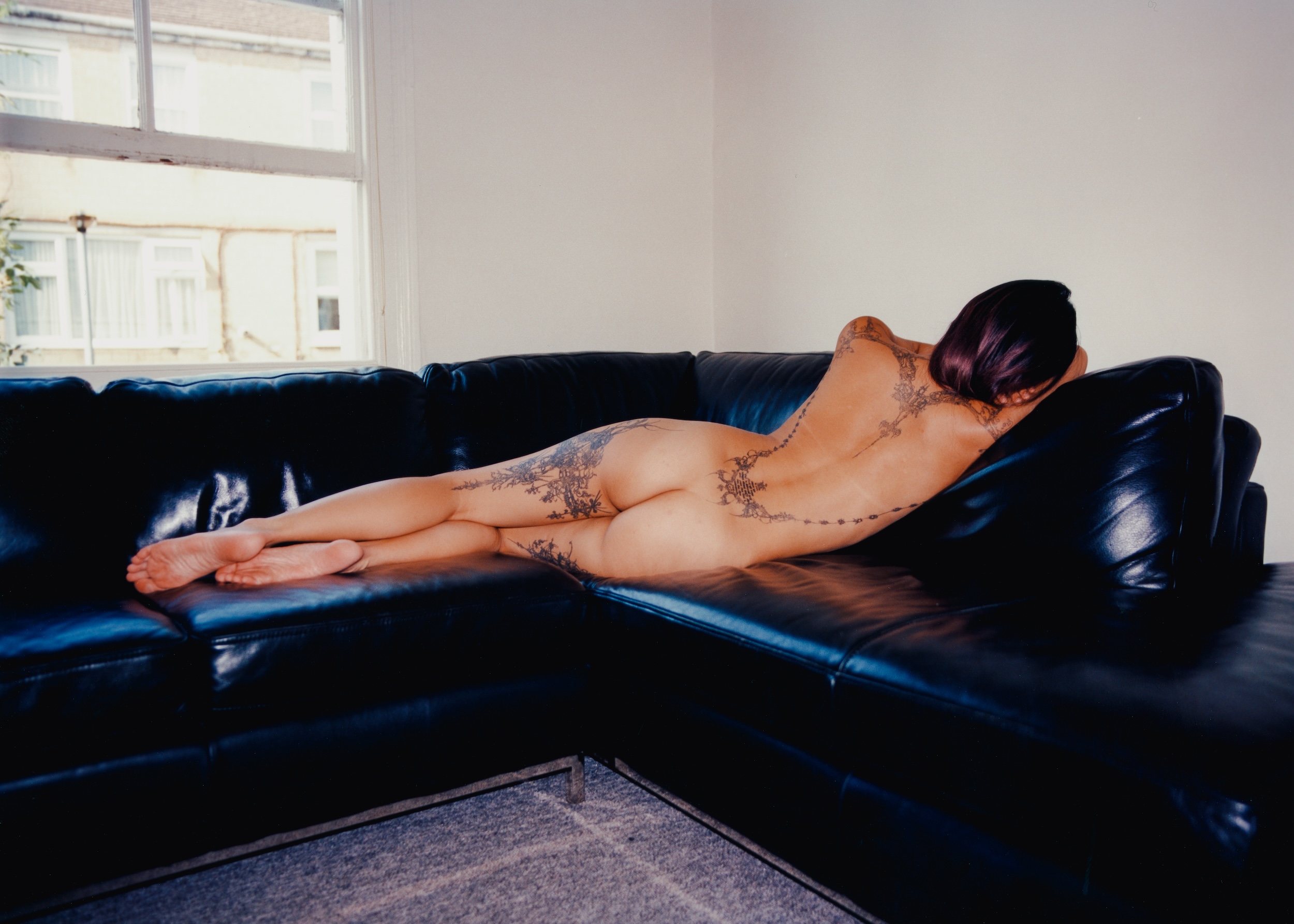
As with many projects exploring trans experience, Somewhere between a doll and a dog depicts bodies undergoing processes of transformation and refraction, from chest binding and nose jobs to late-term pregnancy. Water reoccurs as a motif, with all its associations with cleansing, renewal and spiritual rebirth. “I feel like in the West we are conditioned from the very beginning to be ashamed of our bodies, and scared of other people’s bodies,” Ezekiel tells me.
“But the more I came into my transness, the more I actually learned to love my body. I was like, I’m gonna do this really radical thing and actually just love myself.” However, they are keen to emphasise the ways that trans experience transcends visual presentation, whilst challenging the idea that trans bodies are problems to be solved with make-up, clothing, hormones or surgery. A particularly reprehensible feature of contemporary right-wing discourse around trans people is the obsession with surgery, and the need to fit individuals into neat categories based on physical characteristics.


Comments (0)