
Remember me


Plenty of Stephen King adaptations have achieved major fame, from The Shining to The Shawshank Redemption, but none have quite matched thesuccess of It (2017). The movie was meticulous and successful in its casting, elevating Finn Wolfhard from a Stranger Things one-trick pony to a major player in the horror genre.
It: Chapter Two continued its strong casting with Bill Hader, Jessica Chastain, James McAvoy, and others making their debut as the adult counterparts to the first movie's young cast. Chapter Two is a necessary installment in completing It's story, though it doesn't have the same staying power as the first movie, as evidenced by It (2017)'s continued success and relevance to the franchise.
IT (2017) Is The Highest-Grossing Horror Movie Of All Time
2017's It really checks all the boxes for mainstream success. It has a built-in audience through fans of the novel, it boasted '80s nostalgia and a young, buzzy cast (not to mention Bill Skarsgård as an inimitable Pennywise), and it featured the perfect blend of horror, comedy, and drama — a tone that has only grown in popularity within the horror genre.
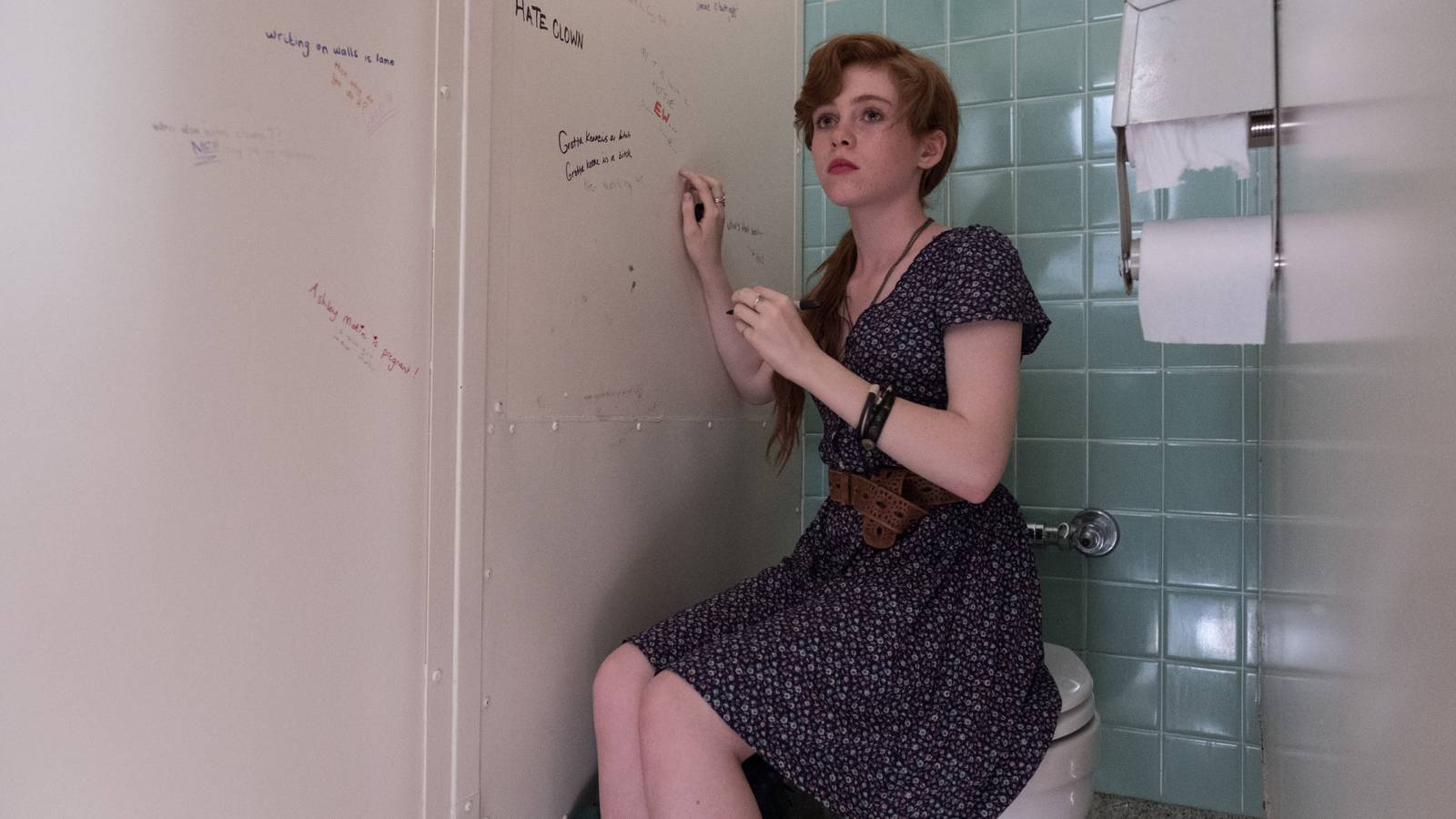
The nature of It's villain lends itself to depth and intrigue as Pennywise preys on children's nuanced individual fears. This requires the characters to be unique and well-developed, and It takes every advantage of this potential. The movie is just as much a scary story about a clown in the sewers as it is about the Losers, a funny and endearing group of young '80s outcasts.
In 2017, It felt unique for its deeply personal and accessible story and style, earning the movie its status as the highest-grossing horror movie of all time. Yet the movie still resonates today as this tone of horror storytelling has continued to rise in popularity with movies like Weapons and Sinners, which take the time to memorably develop their characters without sacrificing suspense.
IT (2017) Brings The Best Parts Of Stephen King's Novel To Life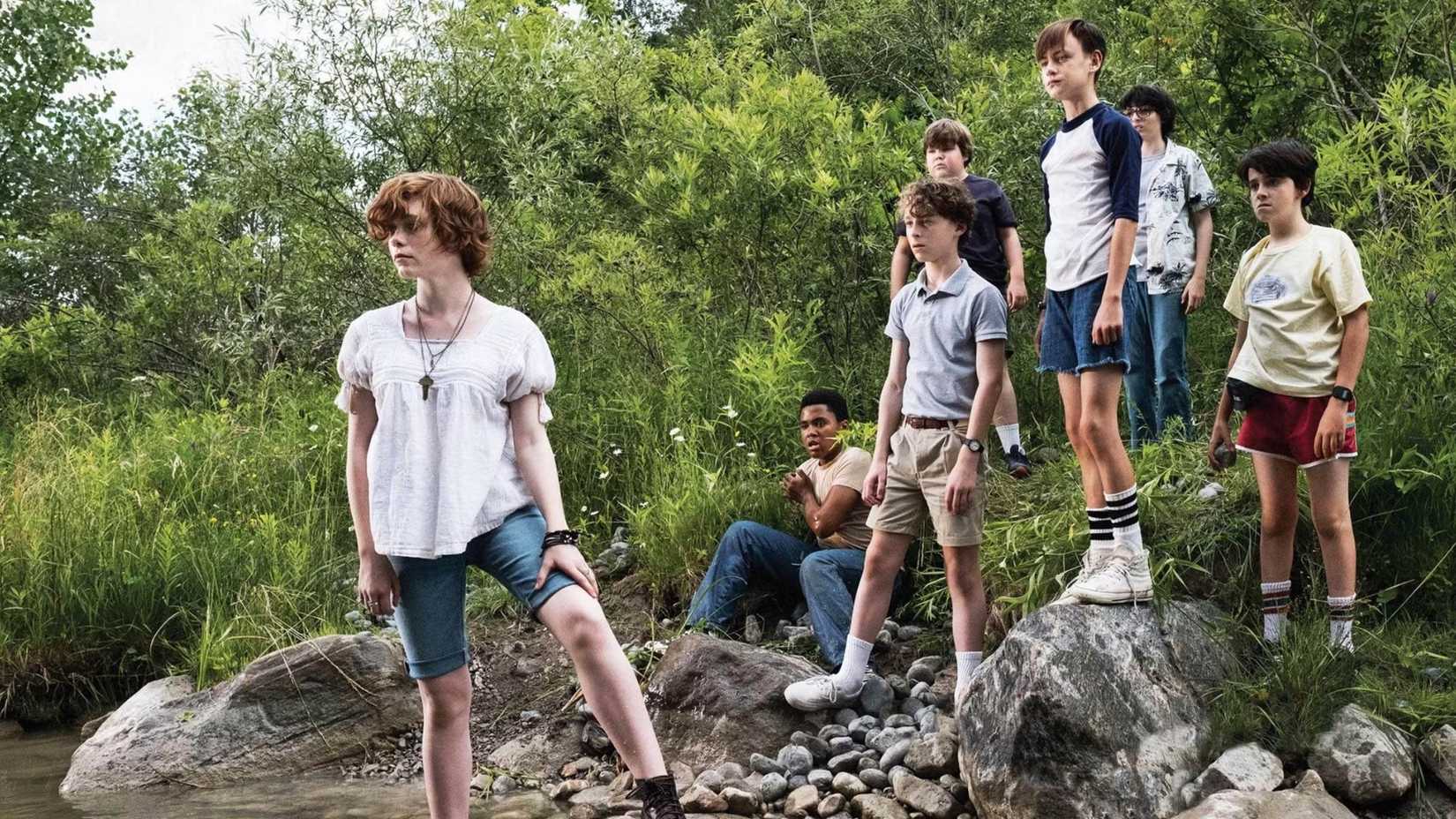 The Losers Club looks at the quarry in It 2017
Stephen King's It manages to maintain its intrigue for over 1,000 pages by intercutting the young Losers with their adult counterparts, creating mini-cliffhangers as it alternates timelines. But the novel's most compelling and enjoyable storyline was certainly that of the Losers as kids. By relegating the adult timeline entirely to the sequel, It: Chapter Two may have suffered, but It was the best it could possibly be.
The movie also smartly modernized the timelines of King's 1986 novel. Given the time of its release, the novel's 'present day' timeline was set in the '80s, while the childhood timeline took place in the '50s. By adjusting those dates to match our current present day, the It movie continued to capture the element of nostalgia by speaking to today's current audience.
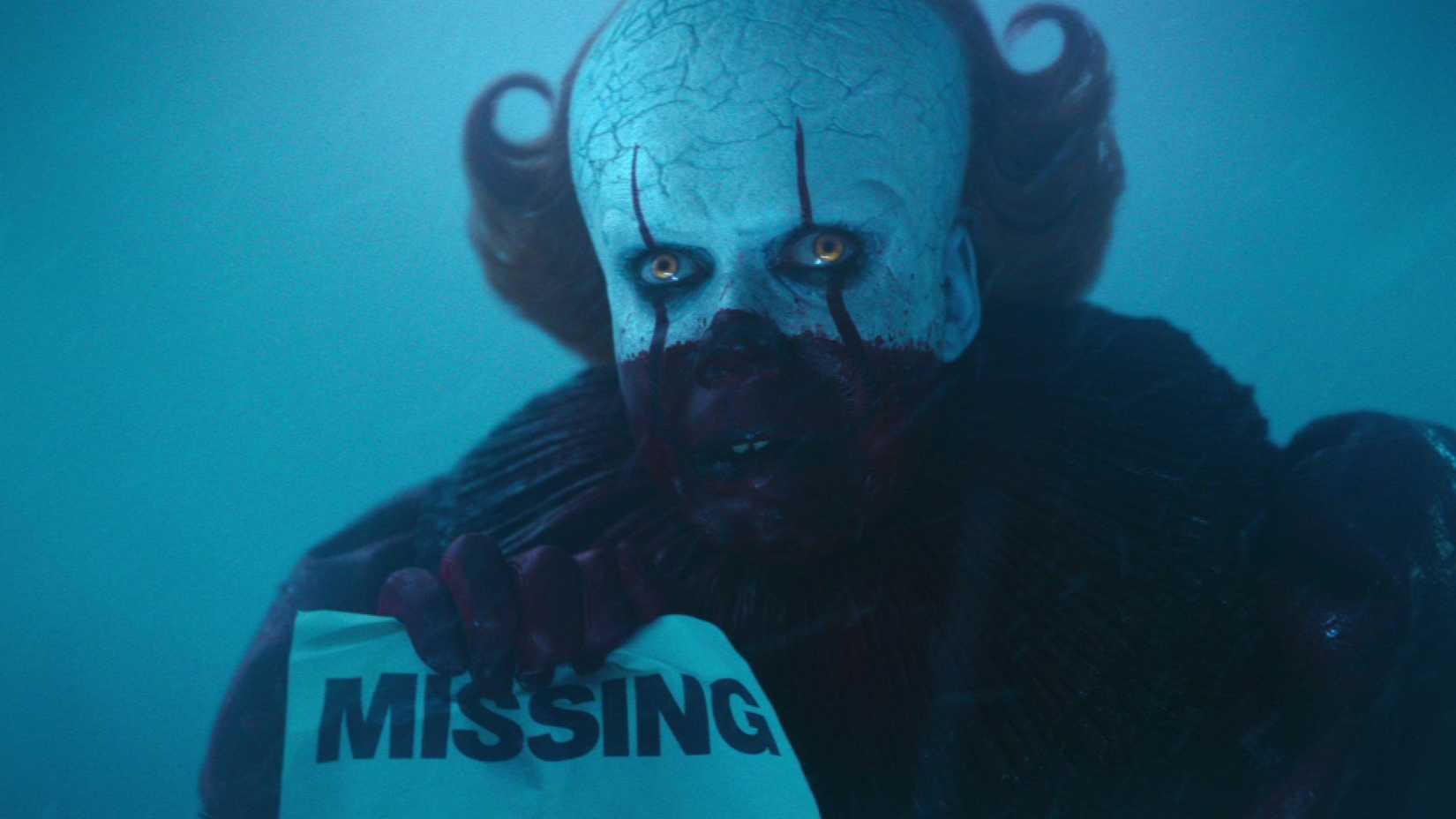
The scope of the It franchise's audience continues to prove itself after the massive success of the prequel series It: Welcome to Derry. King's novel is full of Derry history and Pennywise lore that expands beyond the Losers. The 2017 movie hints at these things through symbolism in Pennywise's scare tactics and research in the Derry library, but the Easter eggs reveal that there is more to explore.
It: Welcome to Derry continues to unpack King's novel within the universe established in It (2017). The series acknowledges the parents and grandparents of the Losers, allowing the context of the movie to anchor the emotional importance of the show. The series establishes continuity with the movie through the return of Pennywise actor Bill Skarsgård and creators/directors Andy and Barbara Muschietti.
In Welcome to Derry's all-but confirmed second season, the show will likely continue to move backwards in time. While this may cause It: Chapter Two to fade in relevance, It will remain the pinnacle of the franchise, the wildly successful installment that started the story's on-screen fame.
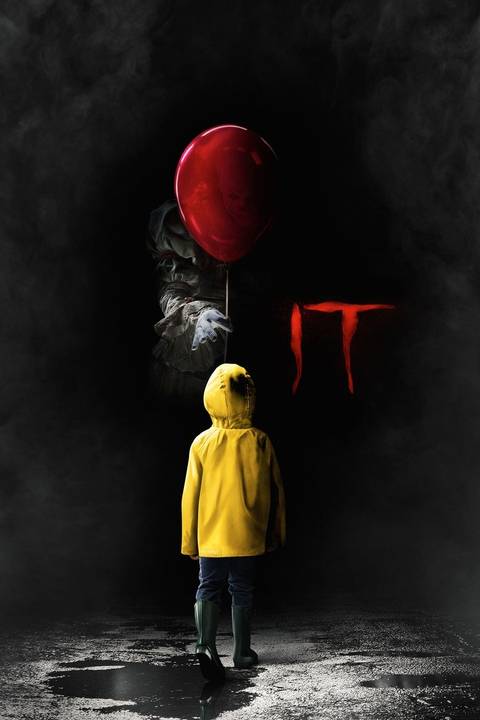
Release Date September 8, 2017
Runtime 135 minutes
Director Andy Muschietti
Writers Cary Joji Fukunaga, Gary Dauberman, Chase Palmer
Producers David Katzenberg, Roy Lee, Seth Grahame-Smith, Bárbara Muschietti, Dan Lin