
Remember me







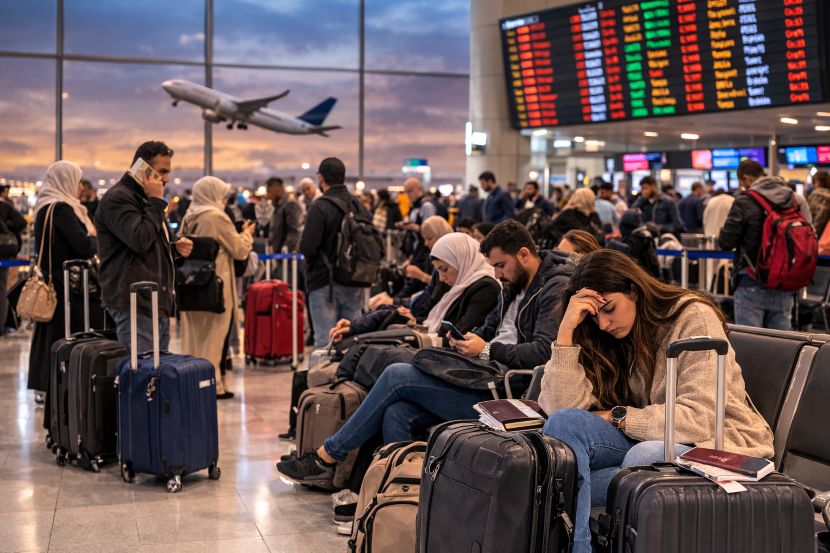
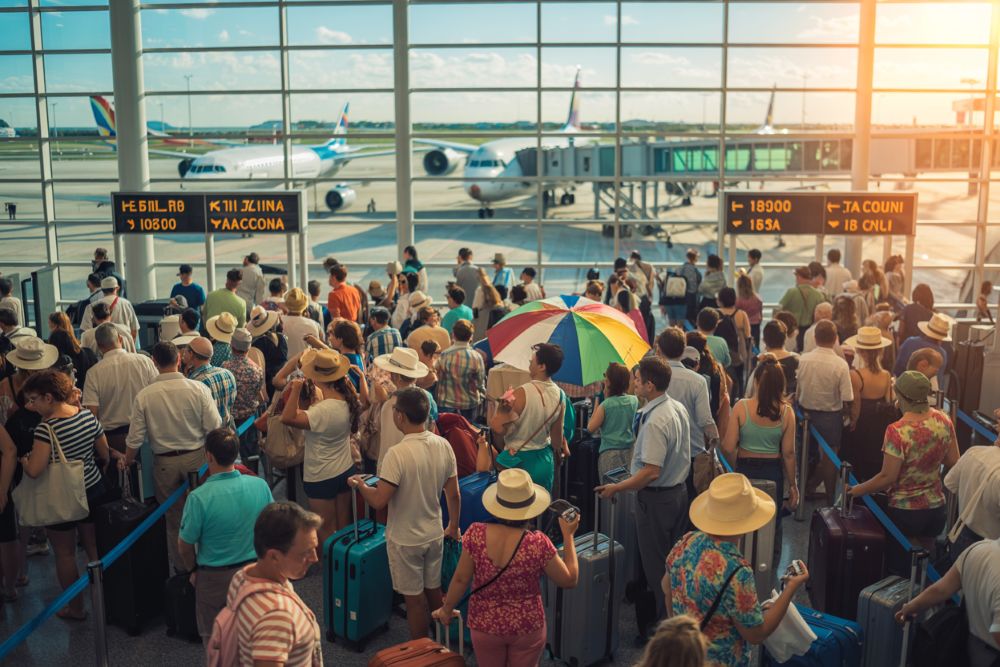


Image generated with Ai
Travelers planning for summer vacations may want to adjust their booking strategies. A combination of rising fuel costs, geopolitical uncertainties, and reductions in airline capacity is setting the stage for potentially higher airfare prices as the summer travel season approaches.
Rising Fuel Costs Will Drive Up Airfare PricesOne of the most significant factors contributing to the upcoming price hikes is the increasing cost of jet fuel. As global oil prices rise due to tensions in the Middle East and disruptions in energy markets, airlines face higher operating costs. Since jet fuel is one of the biggest expenses for airlines, these increased costs are almost certain to be passed on to passengers.
Although airlines generally hedge their fuel costs months in advance, sustained increases in oil prices will likely reflect in airfare prices over the next few months. Analysts predict that airlines could face billions of dollars in additional fuel expenses this year. In the past, airlines often responded to these rising costs by introducing fuel surcharges, and some, like IndiGo, have already started adding such fees to their ticket prices.
Airlines May Reduce Flight CapacityThe impact of rising fuel costs doesn’t just stop at ticket prices; it could also affect the number of available flights. As airlines cope with increased expenses, many are expected to reduce the number of flights they operate, particularly on routes that are not as profitable. This reduction in capacity means fewer available seats, and with high demand for travel, this could drive up ticket prices, especially during the busy summer months.
Advertisement
Advertisement
Several airlines have already announced reductions in their flight schedules for the coming months, citing the rising cost of fuel and economic uncertainties as reasons for scaling back service. This shrinking of flight capacity, combined with higher operating costs, could make it more challenging for travelers to find affordable options as the summer travel season approaches.
Longer Flight Routes Are Increasing Operational CostsGeopolitical tensions, particularly in Europe and Asia, are forcing airlines to alter their flight paths. Airspace restrictions and changes in international relations are resulting in longer flight routes, particularly on popular connections between Europe and Asia. These extended routes burn more fuel, increasing operational costs for airlines, which could ultimately translate into higher prices for passengers.
Advertisement
Advertisement
The longer routes are not only making flights more expensive but also adding more time to the travel experience. For travelers, this means longer journeys and, in some cases, increased inconvenience, in addition to the added costs.
Strong Demand Will Contribute to Higher PricesDespite the rising costs, demand for travel remains robust, particularly for summer vacations. Airlines have already seen strong booking numbers for the coming months, as many travelers are eager to take advantage of the summer holidays and vacations abroad. When high demand meets higher operational costs, airlines typically raise ticket prices to maintain profitability.
Travel experts predict that this combination of strong demand and rising costs will result in higher airfares throughout the summer. If you are planning to travel during this peak period, now is the time to act.
Tips to Save on Airfares Amid Rising PricesWhile airfare prices are expected to increase, there are several strategies travelers can use to mitigate the impact of higher prices and secure better deals:
Book Flights Early: Airfares tend to increase as the departure date gets closer, especially during busy travel seasons like summer. Booking earlier can help travelers lock in lower prices before they rise further. Choose Midweek Flights: Flights on Tuesdays and Wednesdays are often cheaper than those on weekends. By flying on less popular days, travelers can save money. Consider Smaller Airports: Flying out of secondary airports or choosing less common destinations can sometimes result in lower airfare, as these routes may not be as affected by the high demand of major hubs. Set Fare Alerts: Apps like Google Flights and other fare monitoring services can help travelers track price changes. Setting up fare alerts ensures that they can jump on a deal when it appears, avoiding higher prices later on. Be Flexible with Dates: If possible, adjust your travel dates to find the best deals. Sometimes, even a slight shift in travel plans can result in significant savings. Don’t Wait to Book Your Summer FlightWhile airfares haven’t surged yet, the underlying factors driving up airline operating costs are already in motion. With rising fuel prices, reduced flight capacity, and increasing demand for travel, it’s likely that airfare prices will only go up as summer approaches.
If you’re planning to travel this summer, now is the ideal time to book your flight or at least start monitoring prices closely. By booking early and using these cost-saving strategies, travelers can reduce the impact of rising airfares and secure the best possible deals for their summer vacations.
Original article: https://www.travelandtourworld.com/

Comments (0)