
Remember me

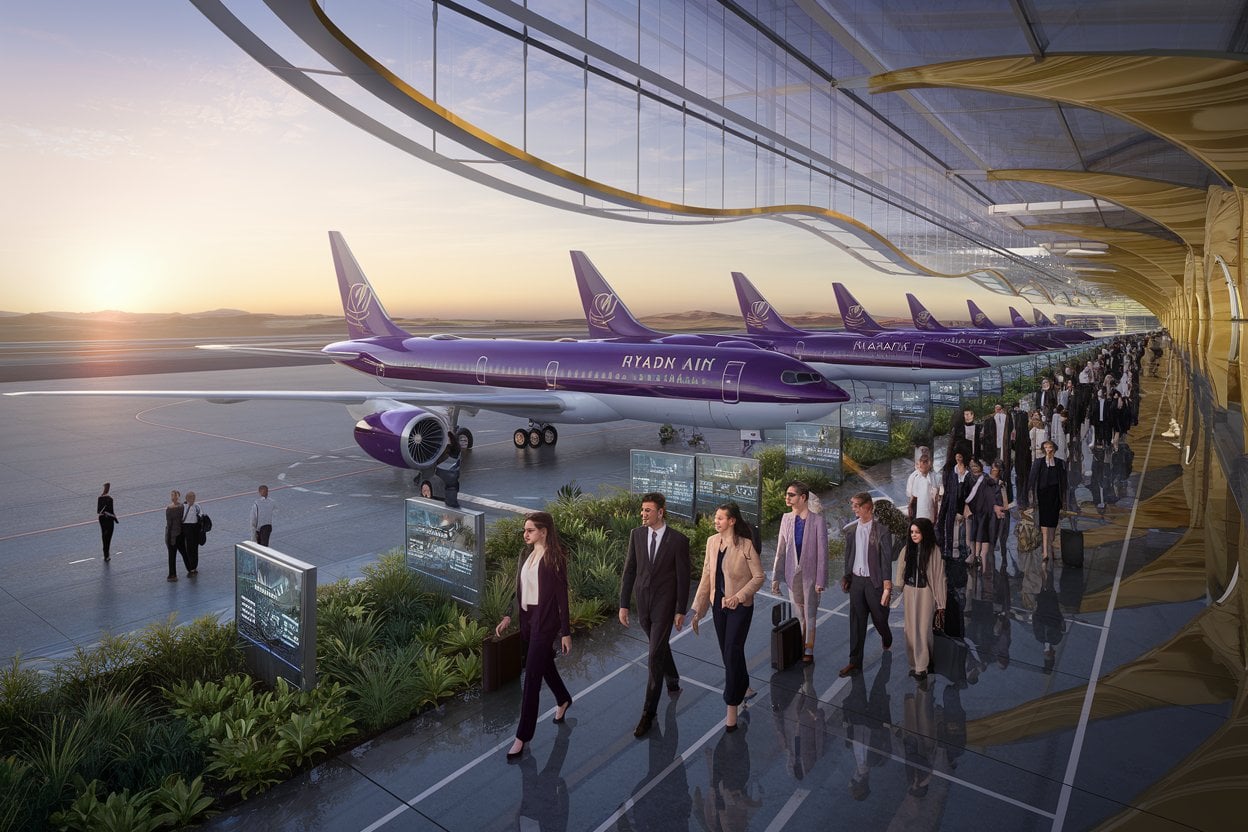
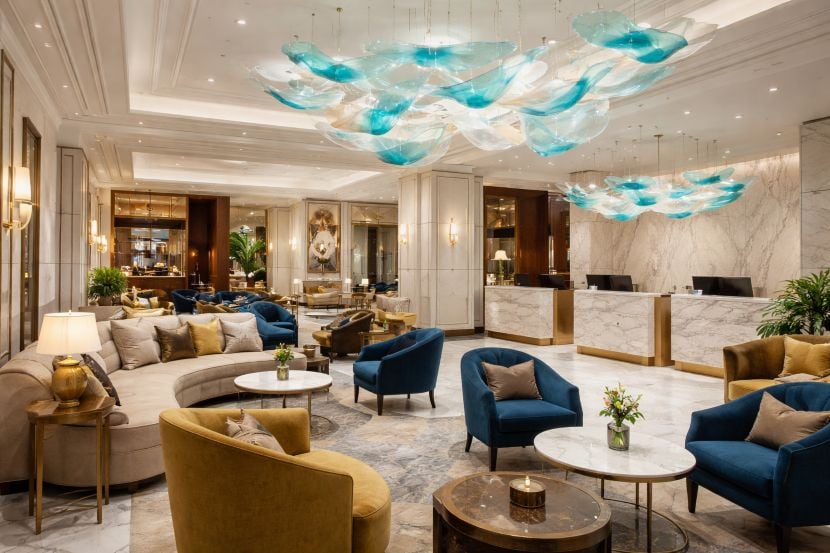



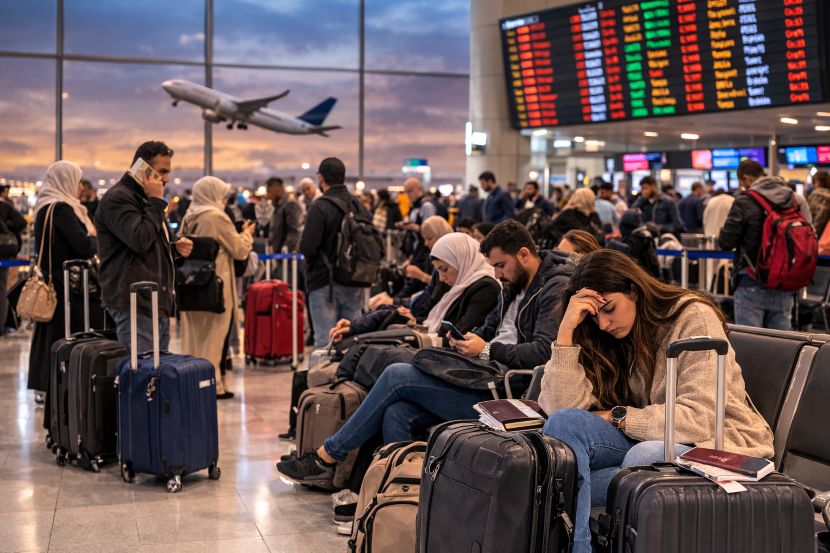
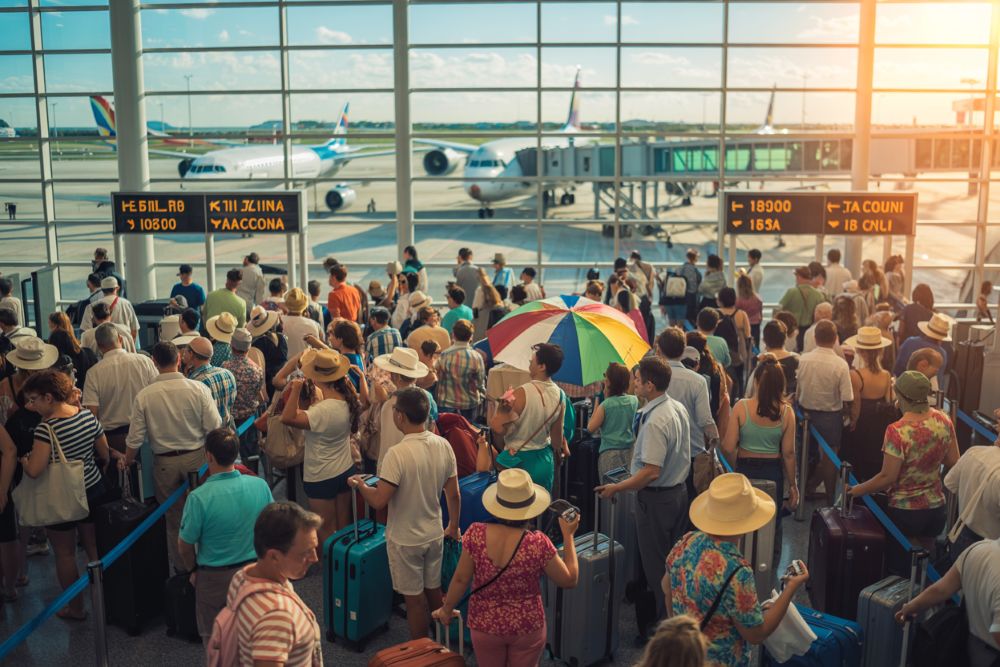


Image generated with Ai
The headline for the Middle East in 2026 is one of staggering financial success. IATA reports that Middle Eastern carriers are set to generate a record $6.9 billion in net profit this year. With a net profit margin of 9.3%—nearly triple the global average—the region has officially outpaced North America and Europe as the world’s aviation powerhouse.
But behind the gleaming glass of the new terminals in Riyadh and the record-breaking 99 million passengers expected at Dubai International (DXB), there is a story of profound human adaptation.
The Rise of the “Third Hub”: Riyadh Air and Saudi ArabiaIf 2025 was the year of preparation, 2026 is the year of takeoff for Riyadh Air. The new Saudi national carrier is expected to contribute over $20 billion to the Kingdom’s non-oil GDP this year alone.
The strategy is clear: Saudi Arabia is no longer content being a transit point for others; it is becoming the destination. With the construction of the King Salman International Airport and the opening of ultra-luxury resorts along the Red Sea, the Kingdom is driving a 65% increase in gross bookings. This isn’t just about planes; it’s about creating 200,000 new jobs and redefining the “Saudi experience” for a global audience.
Advertisement
Advertisement
Resilience in the Face of ConflictThe current geopolitical instability—specifically the tensions involving Iran—has introduced a “wait-and-see” mood among some travelers. However, experts from Hospitality News ME point out that the region’s “structural advantage” is too strong to break.
Even as some flights are rerouted to avoid restricted airspace, the demand for the Middle East as a “Global Super-Connector” remains robust. The major carriers (Emirates, Qatar, Etihad) entered 2026 in such strong financial health that they can absorb the rising fuel and operational costs of these longer routes without passing the full burden to the consumer.
Advertisement
Advertisement
From “Checklist Tourism” to “Feelings-First” TravelPerhaps the most interesting shift in 2026 is not how people are traveling, but why. The Hospitality News report highlights a move away from “Checklist Tourism.”
Emotional Travel: Travelers are asking “How do I want to feel?” rather than just “Where should I go?”Experiential Dining: F&B (Food and Beverage) has moved from a “passive amenity” to a “destination driver.”60% of luxury travelers now choose their hotel based on its culinary identity.AI Companions: In 2026, AI is no longer a gimmick. It is the silent partner of every traveler in the Gulf, providing real-time flexibility—vital for navigating the current regional climate.The “Safe Haven” Effect and Diversified GrowthWhile some traditional hotspots are seeing a cooling of demand due to proximity to conflict, others are surging as “safe-haven” alternatives. Oman and the UAE continue to leverage their reputations for stability. Meanwhile, Syria has launched its “National Tourism Strategy 2026-2030,” focusing on upgrading budget accommodations to rebuild its image as a cultural entry point for the region.
Advertisement
Advertisement
Sustainability: The Invisible RequirementIn 2026, “Green” is the new “Gold.” Middle Eastern airlines are investing billions in Sustainable Aviation Fuel (SAF) and next-gen fuel-efficient aircraft like the Boeing 787 Dreamliner and the Airbus A350. This isn’t just for the environment; it’s a business necessity to navigate the increasingly complex carbon regulations of the European and North American markets they serve.
Humanizing the Sky: A Community of TravelersAmidst the talk of “billions” and “megaprojects,” it’s easy to forget the human heart of this growth. In 2026, the Middle East is where a Malaysian student connects to their university in London, where a Nepali worker finds a path home through a Saudi hub, and where a family from Tokyo explores the UNESCO-listed rock art of Hail.
The aviation sector here isn’t just about moving bodies; it’s about maintaining the world’s most vital cultural and economic bridge. The “Middle East Surge” is a testament to the region’s refusal to be defined solely by its challenges, choosing instead to be defined by its hospitality.
The 2026 Forecast: What to WatchAs we head toward the Arabian Travel Market (ATM) 2026 in May, three factors will determine the final tally of the year:
Regional Coordination: The push for a “Common GCC Safety Regulator” to streamline airspace.Visa Liberalization: The continued success of the “Unified GCC Visa” making multi-country trips easier.Digital Trust: Ensuring that as travel goes “AI-first,” passenger data remains secure and private.ConclusionThe Middle East in 2026 is a region in motion. It is a masterclass in how to lead a global industry while simultaneously managing a local crisis. Whether through the bold ambitions of Riyadh Air or the steady, record-breaking performance of Dubai’s hubs, the message is clear: the world’s travel center of gravity has shifted East—and it is here to stay.
Original article: https://www.travelandtourworld.com/

Comments (0)