
Remember me


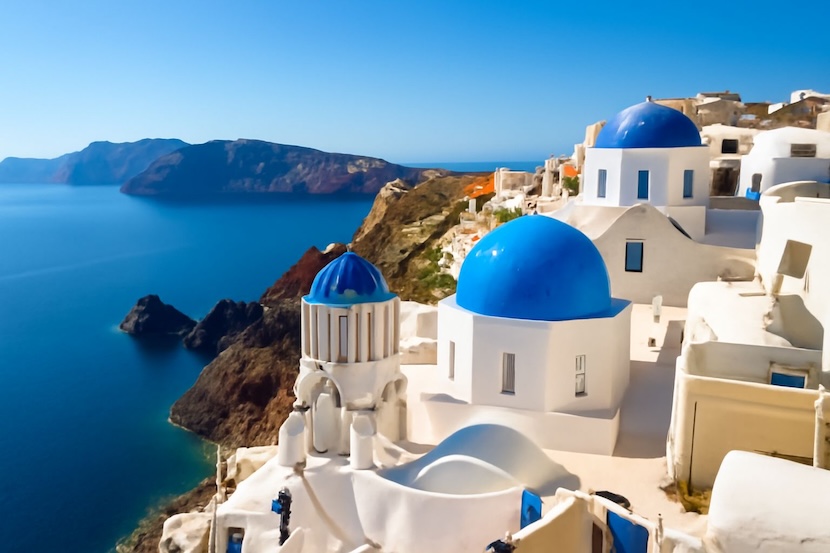

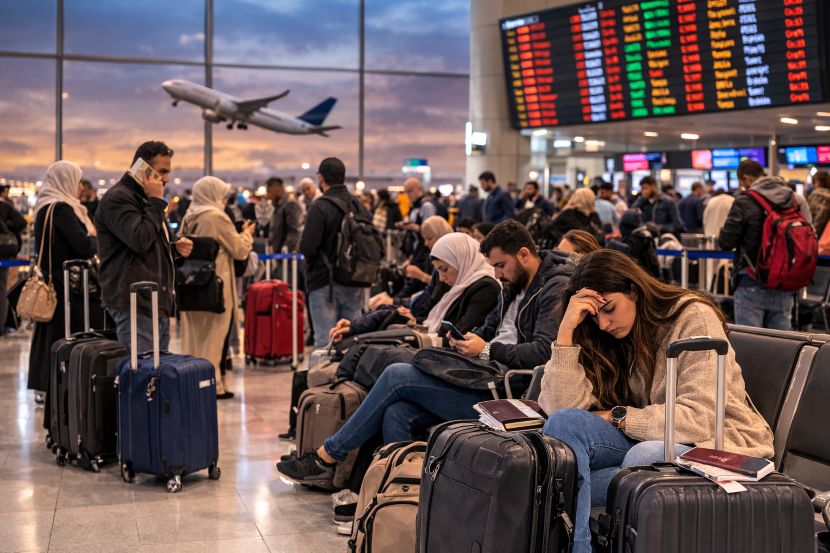
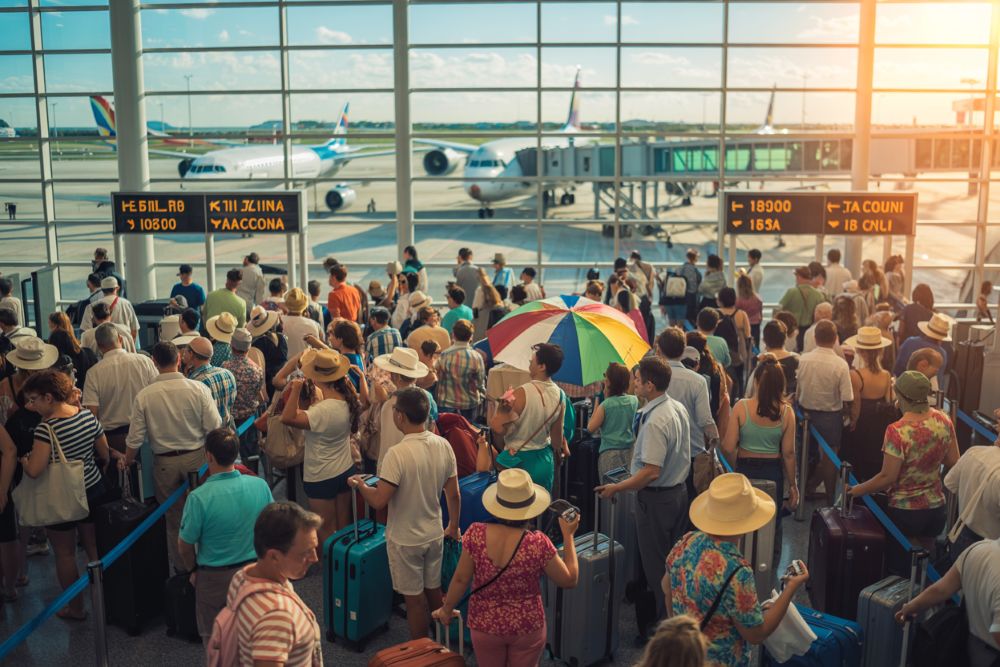


Image generated with Ai
The Middle East War Travel Shift to Europe is becoming one of the biggest tourism stories of 2026. Global travellers are quickly adjusting their holiday plans. Many tourists who earlier planned trips to the Middle East are now reconsidering their destinations. Rising tensions in the region have created uncertainty for airlines and tourism operators. As a result, travellers are choosing destinations that offer stability and easy connectivity. Europe is now emerging as the preferred alternative. Travel agencies report rising interest in Mediterranean countries. This Middle East War Travel Shift to Europe shows how quickly global tourism patterns can change when geopolitical events influence traveller confidence.
Air Travel Disruptions Push Travellers Toward EuropeAir travel changes are playing a major role in the Middle East War Travel Shift to Europe. Flights that usually pass through Middle Eastern airspace are being rerouted. Some airlines have reduced services to certain destinations. These adjustments create longer journeys and sometimes higher ticket prices. Travellers often prefer routes that feel simple and predictable. Europe offers strong aviation networks and well-connected international airports. This makes travel planning easier during uncertain times. Industry experts say the Middle East War Travel Shift to Europe is partly driven by these operational challenges in global aviation. Tourists want smooth journeys without unexpected disruptions.
Safety Concerns Shape Tourism ChoicesSafety is one of the most important factors in travel planning. The Middle East War Travel Shift to Europe highlights how travellers react to global tensions. Even if a destination remains open to visitors, travellers may still feel unsure. News reports and travel advisories can influence public perception. Many tourists prefer destinations where travel conditions appear stable. Europe benefits from strong infrastructure, reliable public services, and clear tourism regulations. This gives travellers greater confidence when planning international trips. The Middle East War Travel Shift to Europe therefore reflects not only political developments but also the psychology of modern travellers seeking reassurance.
Mediterranean Destinations Gain Strong DemandCountries along the Mediterranean Sea are experiencing strong tourism demand during the Middle East War Travel Shift to Europe. Spain, Italy and Portugal are among the most popular choices for travellers looking for relaxing holidays. These destinations offer beautiful coastlines, historic cities and vibrant food culture. Tourists can explore ancient landmarks, enjoy sunny beaches and experience lively festivals. The ease of travelling between European countries also attracts international visitors. High-speed trains and affordable airlines allow tourists to explore multiple destinations in one trip. This flexibility strengthens the Middle East War Travel Shift to Europe, as travellers seek diverse experiences in a single journey.
Economic Impact on Global TourismThe Middle East War Travel Shift to Europe is also influencing the global tourism economy. Travel cancellations in affected regions are creating challenges for hotels, tour operators and airlines. Tourism businesses depend heavily on international visitors. When travellers change their plans suddenly, local economies feel the impact. At the same time, European destinations are experiencing increased bookings. Hotels, restaurants and attractions across several European countries are reporting stronger demand. Tourism experts believe this shift demonstrates how sensitive the travel industry is to geopolitical events. The Middle East War Travel Shift to Europe is therefore reshaping both travel trends and economic outcomes.
Smart Travel Planning in Uncertain TimesTravellers planning international holidays should remain informed during the Middle East War Travel Shift to Europe. Checking official travel advisories before booking a trip is always a wise decision. Government travel guidance provides updated information about safety conditions and travel requirements. Flexible airline tickets can also help travellers manage unexpected changes. Travel insurance is another important step for international tourists. Insurance policies can cover cancellations or delays caused by unforeseen events. By following these precautions, travellers can navigate the Middle East War Travel Shift to Europe more confidently while still enjoying memorable travel experiences.
Advertisement
Advertisement
A New Chapter for Global TravelThe Middle East War Travel Shift to Europe illustrates how global tourism constantly evolves. Travel trends can change quickly when international events influence traveller behaviour. Europe is currently benefiting from this shift because of its accessibility and established tourism infrastructure. However, tourism experts believe travel flows will eventually rebalance once regional tensions ease. The Middle East remains home to remarkable cultural heritage and world-class attractions. For now, the Middle East War Travel Shift to Europe continues shaping travel decisions across the world. For many travellers, this shift offers a chance to discover new European destinations and unforgettable cultural experiences.
Advertisement
Advertisement
Advertisement
Original article: https://www.travelandtourworld.com/

Comments (0)