
Remember me





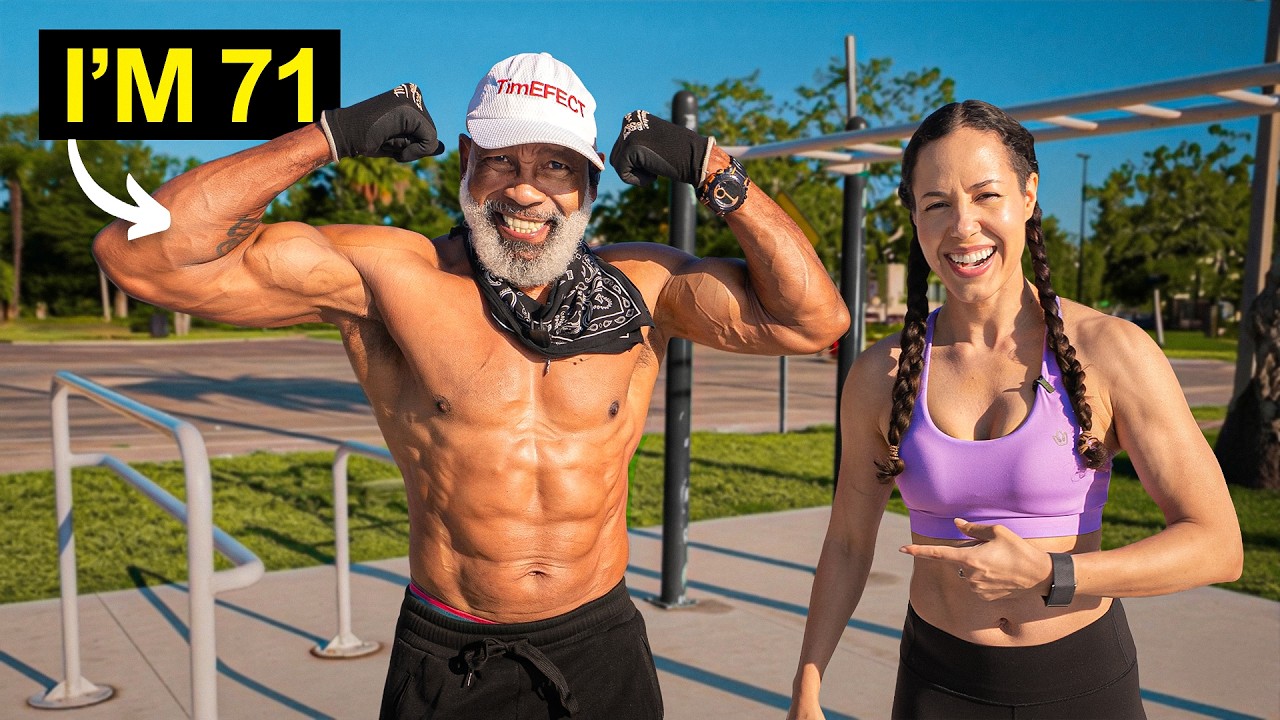



Popular fitness coach and transformation expert recently shared the nutritional wisdom she wishes she could have given her former 270-pound self.
In a candid reflection on her journey from chronic dieting to sustainable results, she reveals the fundamental disconnect that keeps most women trapped in an endless cycle of restriction and regain.

The difference between her “dieting era” and her “macro-tracking era” wasn’t just about the number on the scale—it was about understanding how food actually works in the body.
What she learned transformed not just her physique, but her entire relationship with nutrition.
Why Calories Alone Create “Skinny Fat” BodiesFood provides energy in the form of calories. When caloric intake drops below what the body needs, it must pull from stored energy—body fat—to survive.
This fundamental principle drives all fat loss. But here’s where most women go wrong.
Calories always matter, but they’re not all that matters. If you only tracked your calories, you could quite possibly end up looking like a bag of milk. I’ve been there. Skinny fat is not a good look.
Calories aren’t inherently good or bad—they’re simply energy. That energy comes in three different formats called macronutrients, or “macros.”
Without understanding these formats, women remain stuck on what she calls the “dieting hamster wheel”—cutting carbs one week, fasting the next, then blaming hormones when nothing works.
The Four Things She’d Tell Her 270-Pound Self Understanding the Three Macro Types (Plus One)During her fad dieting phase, she had zero understanding of macronutrients. Keto meant eliminating carbs. Weight Watchers meant tracking points.
Even when she began learning about macros, conflicting information created confusion: carbs are bad, fats are bad, protein makes you bulky.
I didn’t understand that if I just understood how to manipulate these and use them to my advantage, I would be in a lot better position than trying to say no to the birthday cake and ice cream at the party.
She discovered she could still enjoy ice cream cake while making progress—as long as she understood macro manipulation.
Protein: The Muscle Preservation MacroProtein is the only macronutrient that directly preserves and builds muscle. After 35, women begin losing muscle annually unless they actively fight for it.
Muscle raises metabolic output, increases insulin sensitivity, creates that “toned” appearance, and supports bone density—all critical benefits for aging women.
When women diet without adequate protein, they don’t just lose fat. They lose muscle. When muscle drops, metabolism drops with it.
The body becomes softer, and fat regain becomes substantially easier because metabolic rate has decreased. Women literally cannot eat as much anymore without gaining weight.
You could go back to eating the same amount but gain even more weight—weight being fat—because your metabolism has dropped because you lost muscle.
Most middle-aged women consume coffee for breakfast, a salad with roughly 12 grams of protein for lunch, then wonder why they’re ravenous at 7:00 PM.
The solution: 30 to 40 grams of protein at each meal. Prioritize protein first when building your plate. Treat protein as the main component, not an afterthought.
Carbohydrates: Your Body’s Preferred FuelCarbohydrates serve as the body’s preferred energy source. They replenish glycogen—stored energy muscles use during workouts.
Carbs don’t automatically convert to fat. Fat gain occurs when total energy intake exceeds needs, not simply because rice exists.
Context matters tremendously. Sedentary individuals consuming high carbs in a caloric surplus will gain fat. Active people who strength train and control portions use those carbs for performance.
For perimenopausal women specifically, ultra-low carb approaches can increase cortisol, worsen sleep quality, and intensify cravings.
Most women don’t need no carbs. They need portioned carbs that make sense for their body and their goals.
Smart carb strategy means appropriate portions for activity level, optimal timing, and choosing fiber-rich options over sugar-filled alternatives.
Fats: Essential But Calorie-DenseDietary fats are absolutely essential. They help produce hormones like estrogen and progesterone, support brain health, and enable absorption of fat-soluble vitamins A, D, E, and K.
However, fats pack nine calories per gram compared to four calories per gram for both carbs and protein. This calorie density makes fats incredibly easy to overeat without realizing it.
One heavy drizzle of olive oil contains roughly 200 calories—the same amount found in a much larger volume of protein or carbs.
The approach: Include fats intentionally, not accidentally. Select healthy fat sources. Measure oils and nut butters precisely. Don’t eliminate fats entirely, but don’t free-pour them either.
Just because something is healthy doesn’t mean it’s unlimited.
Alcohol: The Fourth Energy SourceAlcohol contains seven calories per gram—more than protein and carbs, slightly less than fat. But it’s neither protein, carbs, nor fat. It’s just energy.
What makes alcohol uniquely problematic is that the body prioritizes burning it first because it’s actually a toxin requiring elimination.
During alcohol consumption, inhibition decreases, appetite often increases, fat burning pauses, and decision-making deteriorates.
The next-day effects compound the problem. Hangovers typically mean skipped workouts and reduced movement—both detrimental to fat loss goals.
Wine and snacks and lowered inhibitions as a weekly habit equals a caloric surplus which equals weight gain.
Two glasses of wine deliver 200 to 300 calories depending on pour size. With zero protein or fiber, wine doesn’t satisfy hunger like food does.
Friday and Saturday night drinking easily adds 500 to 600 weekly calories that provide no nutritional benefit.
How to Determine Your Unique Macro NumbersEven after understanding macronutrients, she chose a ketogenic diet for roughly a year and a half. Despite reaching her lowest weight since high school, she remained unhappy with her reflection.
I didn’t like how I looked when I lost the weight. I had gotten down to the lowest number I’d ever seen on the scale since high school, but I still wasn’t happy and I didn’t feel strong.
She was simply chasing a scale number without understanding that inadequate protein was sabotaging her body composition.
Your protein needs are probably higher than you think. For most middle-aged women pursuing fat loss, getting 30 to 40 percent of daily calories from protein sources delivers substantial benefits.
The Math Made SimpleUsing 2,000 daily calories as an example with 35 percent from protein:
2,000 × 0.35 = 700 calories from protein 700 ÷ 4 calories per gram = 175 grams of protein daily Eating four times daily = just over 40 grams per mealForty grams of protein looks like 140 grams of chicken breast, 200 grams of shrimp, or 400 grams of egg whites.
With another 35 percent from carbs (same calculation since carbs also contain four calories per gram), that leaves 30 percent from fat.
2,000 × 0.30 = 600 calories from fat 600 ÷ 9 calories per gram = approximately 66 grams of fat daily Eating four times daily = 16 grams of fat per mealA serving of fat includes roughly 100 grams of avocado, 25 grams of butter, or 40 grams of nuts.
These percentages can shift based on activity level—perhaps 40 percent protein with 30 percent each for carbs and fats, or swapping carb and fat percentages depending on training demands.
A rough calorie starting point: Take your body weight, subtract 20, then multiply by 10 (adjusted for activity level).
A 220-pound woman would calculate: (220 – 20) × 10 = 2,000 calories as a starting baseline.
How to Actually Track Your MacrosThere’s a right way and countless wrong ways to track macros. She used to estimate portions—”a handful” or “half a banana”—without any precision.
How big’s a banana? Well, it’s always a medium banana. What’s a medium banana? Some bananas are this big. Some bananas are this big. You get my point?
She’d also backlog food entries in the evening, unable to accurately recall what she’d eaten hours earlier. Free-scooping peanut butter and free-pouring olive oil made it easy to believe she was doing everything right while seeing zero progress.
This creates frustration and self-blame, often leading to beliefs about broken metabolisms or hormone problems—excuses based on feelings rather than data.
The Precision ProtocolGet a food scale. Download a tracking app like MyFitnessPal (free version works fine). Weigh everything in grams. Track food before eating it.
Measure oils, nut butters, sprinkles of sunflower seeds and cheese, light drizzles of dressing. Measure everything.
This awareness reveals actual caloric intake versus perceived intake.
Avoid selective logging—like eating three pizza slices but searching for the lowest-calorie “one slice” entry with impossibly high protein numbers.
Precision matters because most women under-report what they eat by 20 to 40%. That’s a lot.
Tracking isn’t obsession. It’s education, awareness, empowerment, and choice. Data quiets emotion.
The three-day challenge: Weigh everything, log it all before eating, then review total daily calories without shame or judgment—just awareness.
Best Food Sources for Each MacronutrientSustainable macro tracking doesn’t mean endless plain chicken, broccoli, and sadness. Understanding macros actually provides freedom and choice.
Ice cream cake fits into a well-structured plan—just not three times daily, every day.
Quality Protein SourcesLook for proteins that are mostly protein—not peanut butter or chickpea pasta masquerading as protein sources.
Chicken breast Lean ground beef Zero-fat plain Greek yogurt Eggs Low-fat cottage cheese Protein powder (whole food sources preferred) Quality Carbohydrate SourcesChoose carbs that are primarily carbs—not loaded with added sugar or excessive fat.
Potatoes Quinoa Rice Sweet potatoes Pasta (appropriate portions) Corn Sprouted grain bread Fruits and green leafy vegetables Quality Fat SourcesSelect fats that are predominantly fat—not mixed macros like a Big Mac with “some protein.”
Avocado Ghee Butter Olive oil Coconut oil Nuts Nut butters SeedsWeigh and track all sources to control portions precisely.
A useful tracking technique: Enter a food (like egg whites), then adjust the serving size until it provides your target macro amount per meal. For 40 grams of protein from egg whites, increase the portion to 400 grams.
Keep meals simple using dry seasonings, mustard, or low-calorie sauces rather than creating complex recipes that create overwhelm.
Consistency Beats PerfectionThe key isn’t perfection—it’s consistency with adjustments based on data. Even if only 80 percent of food choices support goals, progress still happens.
Calories determine your weight change, but macros determine your body composition. That’s the difference that I would go back and tell my 270-pound self.
This distinction explains why so many women lose 15 to 20 pounds through fad dieting yet still dislike their mirror reflection. Weight loss without adequate protein means muscle loss.
Muscle provides body shape and metabolic rate. Losing it creates the “skinny fat” appearance no amount of scale success can fix.
Track your macros. You’ll thank yourself later.
Comments (0)