
Remember me


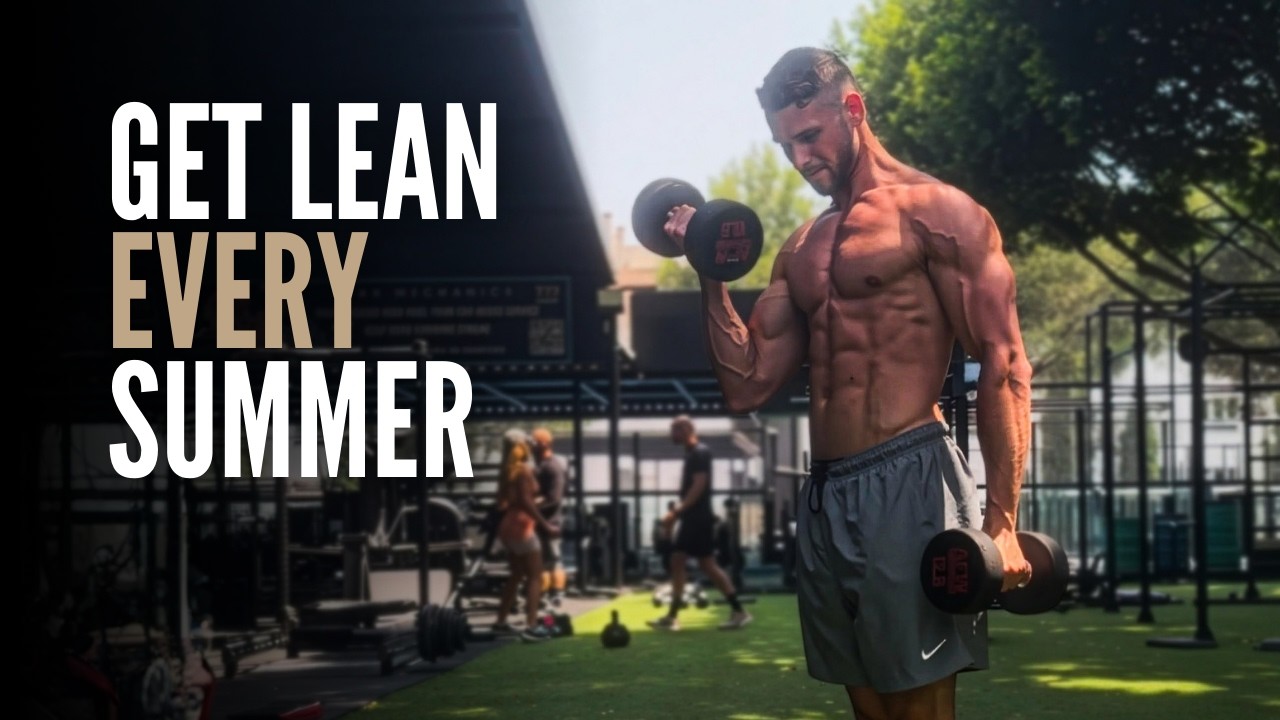

Every summer, the same chaotic pattern unfolds across gyms worldwide.
Guys panic in May, slash calories to dangerous lows, pile on endless cardio sessions, and isolate themselves from friends and family.
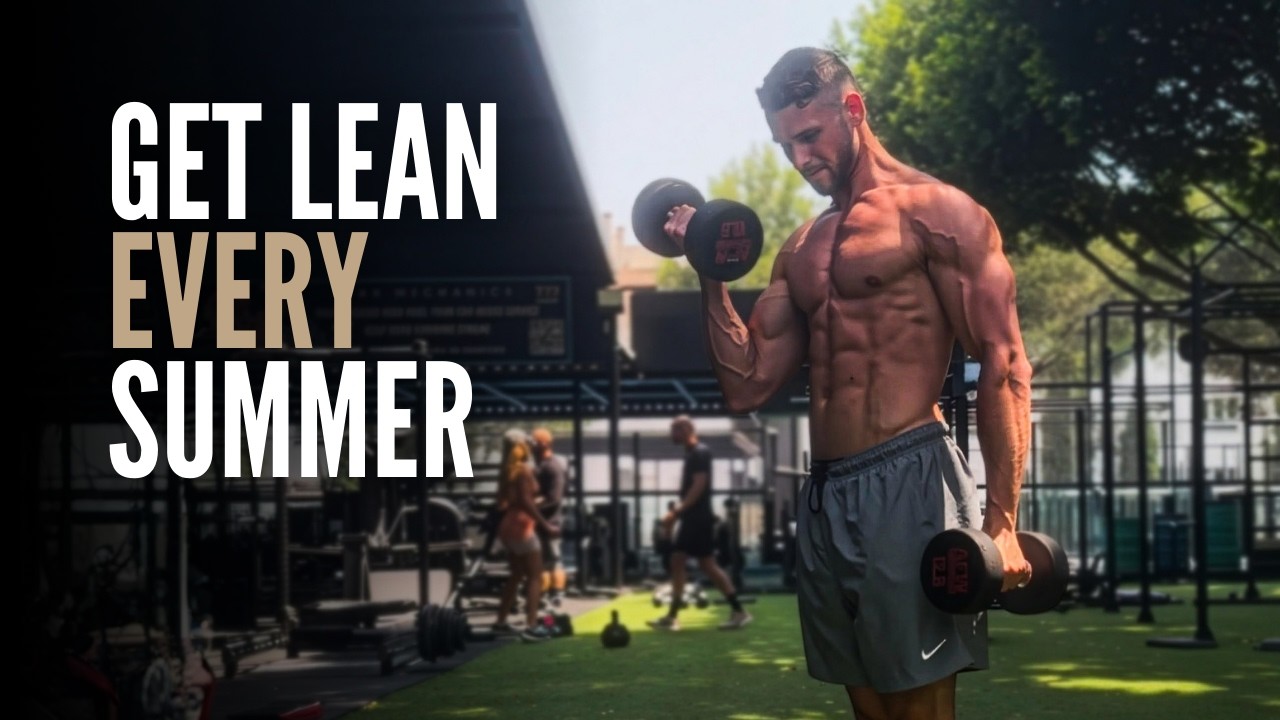
By July, they’ve either burnt out completely, look disappointingly flat, or never actually achieved that lean physique they desperately wanted.
But according to fitness experts who’ve mastered summer conditioning year after year, getting lean doesn’t require crazy dieting, endless cardio, or living like a hermit—it just requires following eight strategic rules that make fat loss almost automatic.
Don’t Get Too Fat in the First PlaceThis might sound brutally unhelpful if someone’s already deep into dieting mode, but it’s arguably the most important rule on the entire list.
When people spend winter pushing their body weight toward 20% body fat or higher, they’re essentially signing themselves up for three or four months of aggressive dieting every single year. That’s where most people go catastrophically wrong.
They treat winter like a license to get fat under the convenient excuse of “the winter bulk.” But realistically, most people should be building muscle in a small controlled surplus, not piling on 10 to 15 kilos for the sake of it.
When someone stays within striking distance year-round, getting lean for summer becomes a small adjustment rather than a massive, stressful project.
Set a Deadline That Actually MattersFat loss works exponentially better when there’s genuine pressure attached to it.
For most people, that pressure might come from an upcoming holiday or beach vacation. But one of the most effective strategies involves booking a professional photo shoot.
Because once you’ve paid a few hundred pounds and you know you’re standing in front of a camera in 12 weeks time, suddenly your discipline improves dramatically.
That level of accountability eliminates negotiation. People stop skipping steps, stop making excuses, and that can make the difference between kind of leaning out and actually getting properly lean.
Find Hobbies That Don’t Revolve Around FoodFat loss isn’t just about calories in versus calories out—it’s about what someone’s life revolves around.
If every social activity involves restaurants, drinking, or late nights, dieting becomes exponentially harder. During the months leading up to summer, deliberately filling time with activities that don’t involve food or alcohol changes everything.
Cars and coffee events provide a perfect example. Someone drives there, walks around, has a black coffee, and that’s it—no alcohol, no big meal, just an enjoyable activity that doesn’t sabotage diet progress.
Having those kinds of outlets makes sticking to nutrition goals dramatically easier.
Pick Your Social Battles WiselyFor people living in cities or working social jobs, this might be the hardest rule on the entire list.
Getting comfortable with occasionally saying “I’m not drinking tonight” becomes absolutely essential. That doesn’t mean avoiding every event, but it requires picking battles strategically.
Sometimes that means having a 0% beer. Sometimes it means sticking to lime sodas. And sometimes it means not going at all.
Alcohol makes fat loss exponentially harder—not only from direct calories but from the impaired decisions people make after drinking. Nobody needs to become antisocial, but selectivity becomes non-negotiable.
Increase Your Daily Activity BaselineA huge mistake people make during fat loss involves relying entirely on formal cardio sessions.
In reality, the biggest lever someone can pull is simply how active they remain throughout the day.
Walking to a train station that’s slightly further away Parking further from shops Going for walks during lunch breaks Taking phone calls while walking instead of sitting at desksThese small habits massively increase baseline activity levels, which means keeping food intake higher without needing endless cardio sessions.
There’s another benefit too. When someone’s moving more, they spend less time sitting around thinking about food, which makes dieting psychologically far easier.
Track Your Food ProperlyThis sounds obvious, but most people still do it badly.
During dieting phases, knowing what’s actually being consumed becomes critical. That means tracking calories from snacks, sugary drinks, cooking oils, and random office treats.
It’s incredibly easy to accidentally add 300 to 400 extra calories daily without realizing it. When that happens, people think their metabolism is broken when in reality they’re just not accounting for everything properly.
Tracking removes that uncertainty completely.
Protect Your Training PerformanceOne of the biggest mistakes people make during fat loss involves trying to force body weight down as fast as possible.
But if that comes at the expense of training performance, they’re likely losing muscle, not just fat. That’s a huge problem because muscle mass has a massive influence on how much energy bodies burn.
Your goal during a cut should be to maintain or even progress your strength because that’s the best signal you can give your body to hold on to muscle.
Losing muscle actually makes fat loss harder over time. Protecting strength becomes the priority.
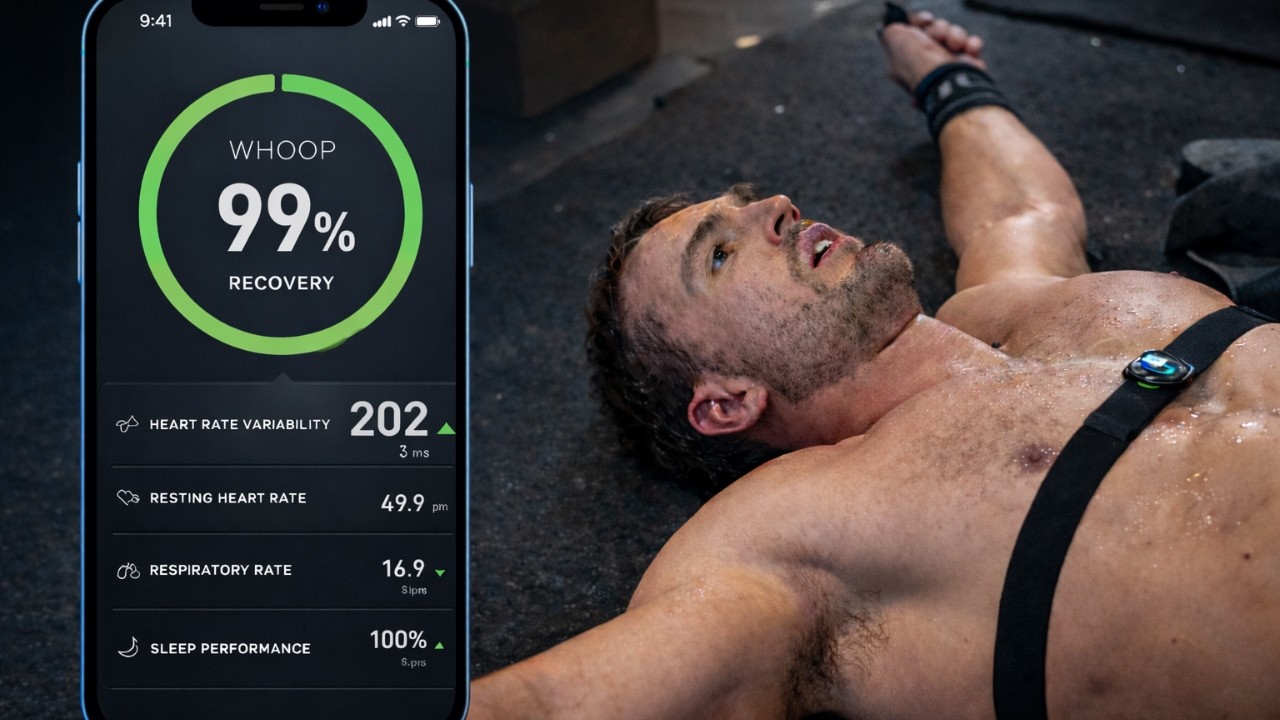
Track Your Data ObsessivelyDaily steps, calories, cardio volume, training performance, weekly progress pictures—without that information, someone’s essentially shooting in the dark.
Fat loss is a process of small adjustments over time, and making correct adjustments becomes impossible without knowing what’s actually happening.
Data removes emotion from the process. It allows making objective decisions week to week, and that’s what keeps fat loss moving consistently forward.
Making Summer Conditioning AutomaticGetting lean every summer without turning the process into misery comes down to following these eight rules consistently.
Stay within striking distance year-round. Set meaningful deadlines. Find hobbies that don’t revolve around food. Pick social battles wisely. Keep daily activity high. Track what gets eaten. Protect training performance. Track data religiously.
Do these consistently, and getting lean stops being a last-minute panic and becomes something that just happens naturally every year.
Comments (0)