
Remember me

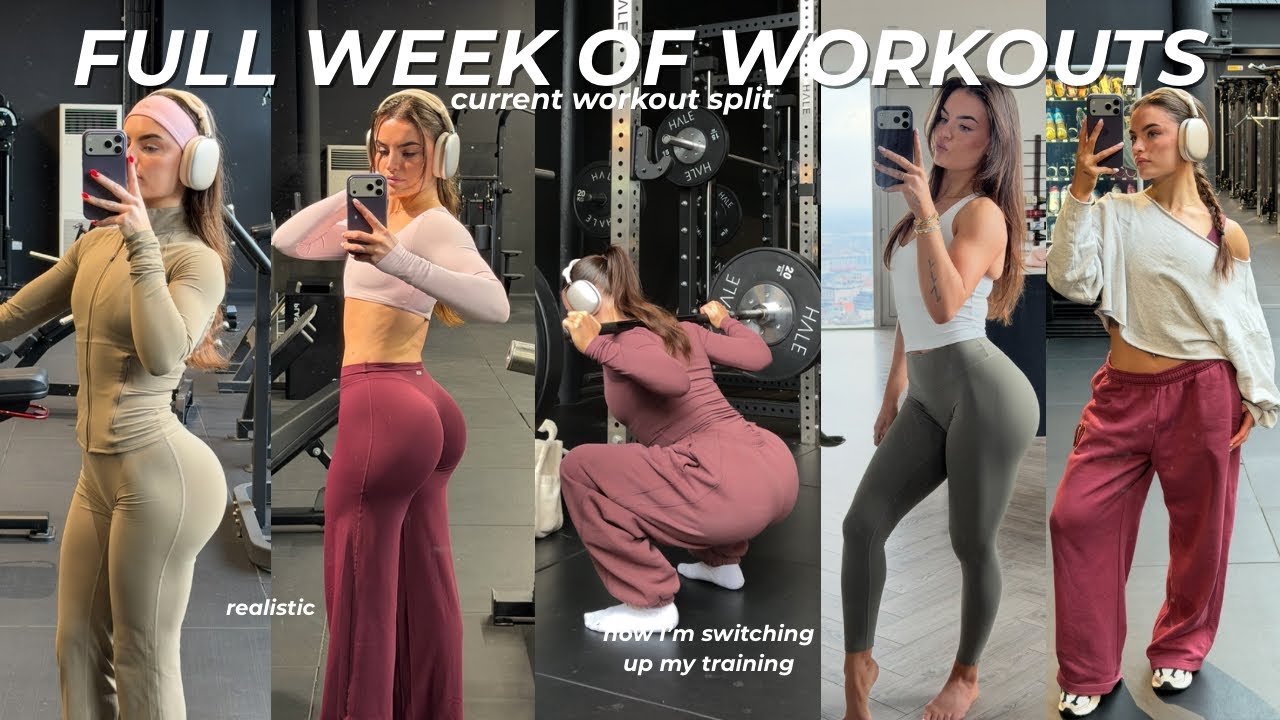
Fitness influencer Mia recently shared a refreshing approach to working out that’s resonating with women everywhere who feel trapped by rigid gym routines.
After years of strict weight training five to six days per week, she found herself burned out and dreading her sessions.
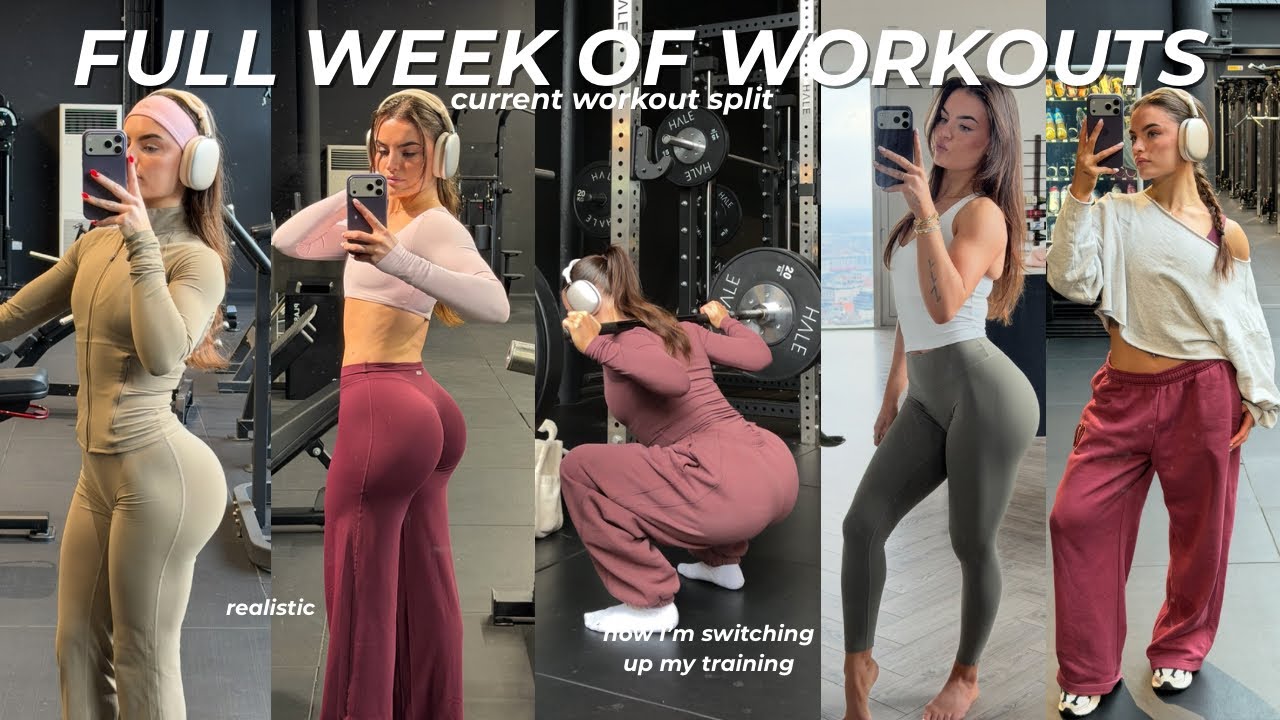
Her solution? Mixing Pilates classes with traditional strength training—and the results have reignited her passion for fitness.
In her latest full week of workouts video, Mia demonstrates that sustainable fitness isn’t about punishing yourself with monotonous routines.
Breaking Free from Workout BurnoutMia’s transformation came from a simple realization: she was boxing herself into movement patterns that no longer served her mentally or physically.
I was just getting really really bored of only doing weights and I just felt a little bit boxed in with my routine and I sort of felt like I was putting myself in a box in terms of like movement.
Her current split includes three focused weight sessions per week—glutes and hamstrings, upper body, and quad-focused legs—supplemented with mat and reformer Pilates classes.
This represents a significant shift from her previous five-to-six day weight-only routine that left her feeling obligated rather than energized.
Monday: Glutes and Hamstrings FoundationMia kicks off her week with her most anticipated session, starting with never-negotiable dynamic warmups.
You girls know that I will never do a workout without doing a warm-up first. It is so important and actually arguably as important as the actual workout.
She emphasizes dynamic stretching over static stretches before workouts, incorporating leg swings, deep squats to lunges, and hip openers to increase blood flow and reduce injury risk.
Romanian Deadlifts: The Hip Hinge MasterclassHer first compound movement targets glutes in their lengthened position through proper form cues that transform this common exercise.
Maintain hip hinge throughout the entire movement with upper body leaning forward Keep knees slightly bent to emphasize glutes over hamstrings Lower barbell just below knees rather than to the floor Tuck chin to chest and move slowly and controlled Contract glutes continuously without hyperextending the backShe completes three sets of 10 reps, progressively loading after warming up with just the barbell and lighter weight.
Step-Ups: The Underrated Game-ChangerThis unilateral movement represents Mia’s “holy grail” for glute development, though she admits it took time to master the muscle connection.
I never used to feel this in my glutes, but as soon as I nailed down the form on this exercise, it was honestly a game changer.
Critical form points include maintaining that signature hip hinge, lightly tapping the descending foot without using it for momentum, and keeping the working leg slightly bent even at the top of the movement. She performs three sets of 8-10 reps per leg using a kettlebell.
Hip Thrusts: Working Glutes in Shortened PositionRather than her usual barbell or machine variation, Mia opted for a single dumbbell with increased frequency to maintain intensity despite lighter load.
She implemented an advanced rep scheme: one full range-of-motion rep immediately followed by a pulse rep, counting as a single repetition. This protocol across three sets of 12 reps created significant muscle burn while demonstrating that heavy isn’t always necessary for effective training.
The session concludes with isolation work: leg curls for hamstrings and glute abductor machine targeting the often-neglected glute medius and minimus. Both exercises utilize higher rep ranges (three sets of 12) with slower, controlled tempos.
Tuesday: Efficient Upper Body BlastMia’s approach to upper body training reflects her evolved fitness philosophy focused on maintenance over constant growth.
I have sort of built up and achieved a substantial amount of muscle mass and sort of like my desired amount of muscle mass like over the years that I’ve been training. And I don’t personally now have the desire to necessarily grow a lot more muscle, but more so just maintain the muscle that I do have.
She consolidated her previous push-pull split into one comprehensive session completed in 45-60 minutes, incorporating additional upper body stimulus through her Pilates practice.
Strategic Exercise SelectionHer workout prioritizes back and shoulders while ensuring balanced development:
Shoulder press: 3 sets of 8-10 reps, keeping dumbbells at ear level at bottom position Neutral grip lat pulldown: 3 sets of 10 reps using back muscles rather than arms Single-arm cable row: 3 sets of 8 reps per side with extended range of motion Lateral raises: 3 sets of 12 reps at 5kg, leaning forward on bench to prevent swinging Push-ups to failure: 2-3 sets as intense finisherThe inclusion of unilateral exercises like single-arm rows helps prevent muscular imbalances while improving mind-muscle connection.
Wednesday: Quad-Focused Leg DevelopmentDespite admittedly low motivation for this session, Mia demonstrates the discipline that separates consistent trainers from those who quit when feelings fluctuate.
Barbell Squats: The Necessary ChallengeThough squats represent an ongoing struggle for Mia, she includes them for their comprehensive leg-building benefits.
I am going through a phase at the moment, and I think I have been for the last few years. As long as I can remember, have been going for a funk with squats, and I just do not enjoy them. But I know that they are such a good exercise.
To emphasize quads over glutes, she adopts a more upright torso position with narrower stance compared to her glute-focused sessions. Depth remains individualized based on body mechanics rather than arbitrary standards.
Bulgarian Split Squats: Quad-Biased VariationModifying this challenging movement for quad emphasis requires specific adjustments: narrower stance and more upright positioning minimize glute recruitment.
Mia prefers using one heavy dumbbell over two lighter ones, utilizing her free hand for hip support. Three sets of 8-10 reps provide sufficient stimulus for unilateral quad development.
Leg extensions serve as the primary isolation movement with standard rep execution, though she notes typically incorporating advanced techniques like 3-second negatives, pauses at contraction, or drop sets.
Hip adductor machine concludes the session with higher volume (3 sets of 12 reps), addressing inner thigh musculature often underworked in traditional leg programming.
Thursday: Hot Mat Pilates IntegrationMia’s midweek Pilates class represents the core philosophy shift in her training approach—prioritizing enjoyment and variety over rigid adherence to traditional bodybuilding splits.
This particular session emphasized core work, filling a gap in her weight training where she doesn’t program specific abdominal exercises.
Obviously, I know that you’re kind of engaging your core and utilizing your core when you’re doing squats and compound lifts and stuff, but I don’t do any actual core focused specific exercises. So, it was really nice.
The heat component adds cardiovascular challenge and promotes flexibility, creating comprehensive benefits beyond simple muscle building.
Friday and Saturday: Strategic RestAfter training Monday through Thursday, Mia implements two consecutive rest days—a departure from her previous six-day training week.
This recovery period allows muscular repair and nervous system regeneration, preventing the accumulated fatigue that contributed to her previous burnout.
Sunday: Reformer Pilates With FriendsThough not part of her typical routine, Mia’s willingness to add a Sunday session with friends highlights another crucial element: social connection enhancing adherence.
Reformer Pilates offers resistance-based movement with spring tension, providing full-body conditioning that complements rather than competes with her weight training.
Starting her Sunday with gentle, controlled movement creates positive associations with exercise beyond aesthetic outcomes or performance metrics.
The Bigger Picture: Sustainable FitnessMia’s evolved approach demonstrates several evidence-supported principles for long-term exercise adherence.
Research consistently shows that enjoyment predicts continued participation more reliably than short-term results. By incorporating movement she genuinely looks forward to, Mia has created a sustainable framework rather than willpower-dependent routine.
Her reduction from six weight sessions to three doesn’t represent decreased commitment but rather increased sophistication in programming. Studies indicate that training volume has diminishing returns, with maintenance requiring significantly less stimulus than initial muscle building.
I’m just currently enjoying the way that things are right now in my week and the way that I structure my training week basically, which is why I wanted to film this full week of workouts because this is all still kind of new to me, but I’m really enjoying it and I feel like that is all that matters to me at the moment.
This mindset shift from obligation to enjoyment may represent Mia’s most important fitness evolution—one that ensures she’ll still be moving joyfully decades from now rather than burning out and quitting entirely.
Her message resonates particularly for women navigating fitness culture’s constant pressure to do more, train harder, and maintain unsustainable intensity indefinitely.
Sometimes the most powerful training decision isn’t adding another session but creating space for recovery, variety, and genuine pleasure in movement.
Comments (0)