
Remember me



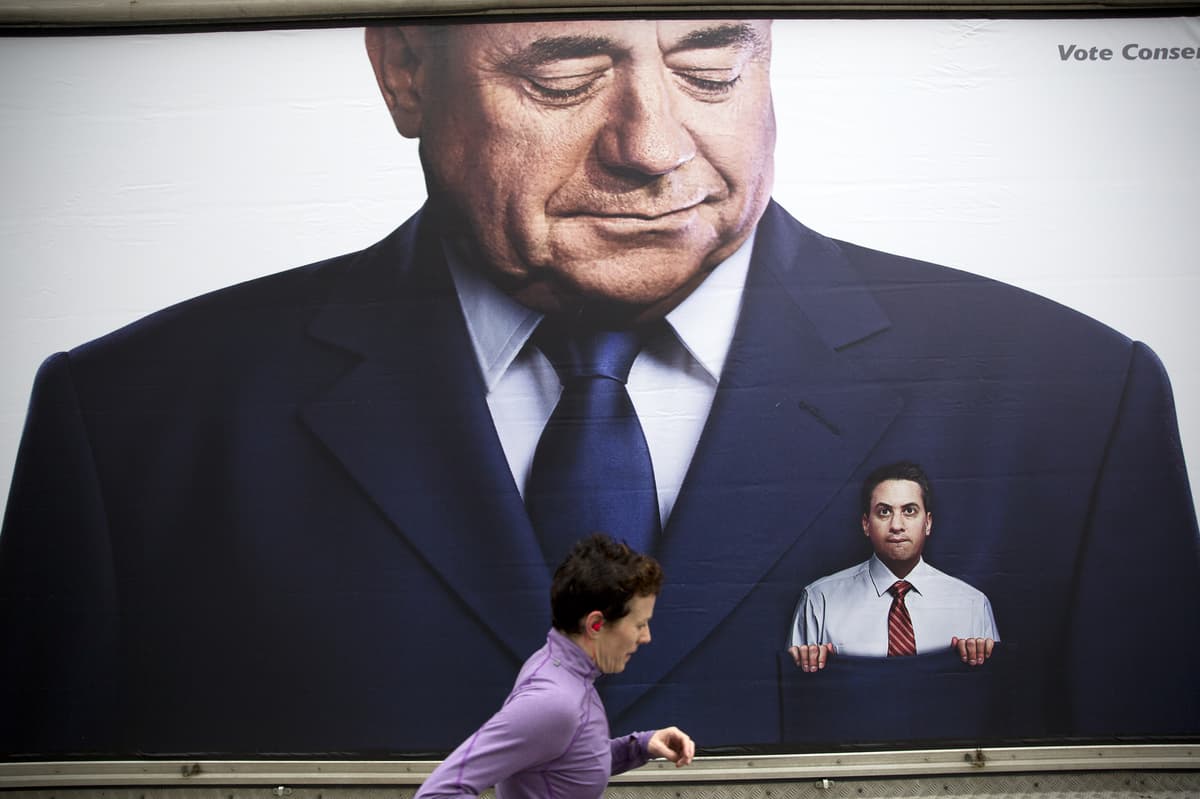




 A 2015 Conservative campaign poster showed Ed Miliband in Alex Salmond's pocket. Malcolm Offord could soon find himself depicted in John Swinney's (Picture: Justin Tallis) | AFP via Getty Images
In the 2016 Holyrood election, the big changes were the Scottish Conservative surge, with their constituency vote share rising by just over 8 per cent and Scottish Labour’s slump by more than 9 per cent. The Conservatives’ claim to be the ‘champions of the Union’ seemed to have worked, helping them secure 31 seats to Labour’s 24.
Party strategists may have hoped that Scottish politics would divide on the single issue of the constitution, giving them a chance to establish themselves as the main opposition to the SNP. The 2021 election either saw progress stall or a consolidation, with the Tories again winning 31 seats.
Meanwhile, the Liberal Democrats made effective use of their support for the Union in seats where they were best placed to defeat the SNP. Labour also stressed their unionist credentials, even if this position was sometimes undercut by independence sympathisers within their ranks.
Farage’s pitch to ‘genuine nationalists’
The idea of a party that could somehow maintain a foot in both camps would have seemed laughable at both the last two elections. Yet this appears to be the trick that Reform UK are now attempting to pull off.
However, he also said the party could take votes from the SNP by appealing to “genuine nationalists”, arguing: “What the hell is the point in Scotland breaking away from the UK to become a tiny little state in the European Union?” Furthermore, it was “probably quite reasonable” to have an independence referendum if “at some point in the future, this issue comes back”, Farage mused.
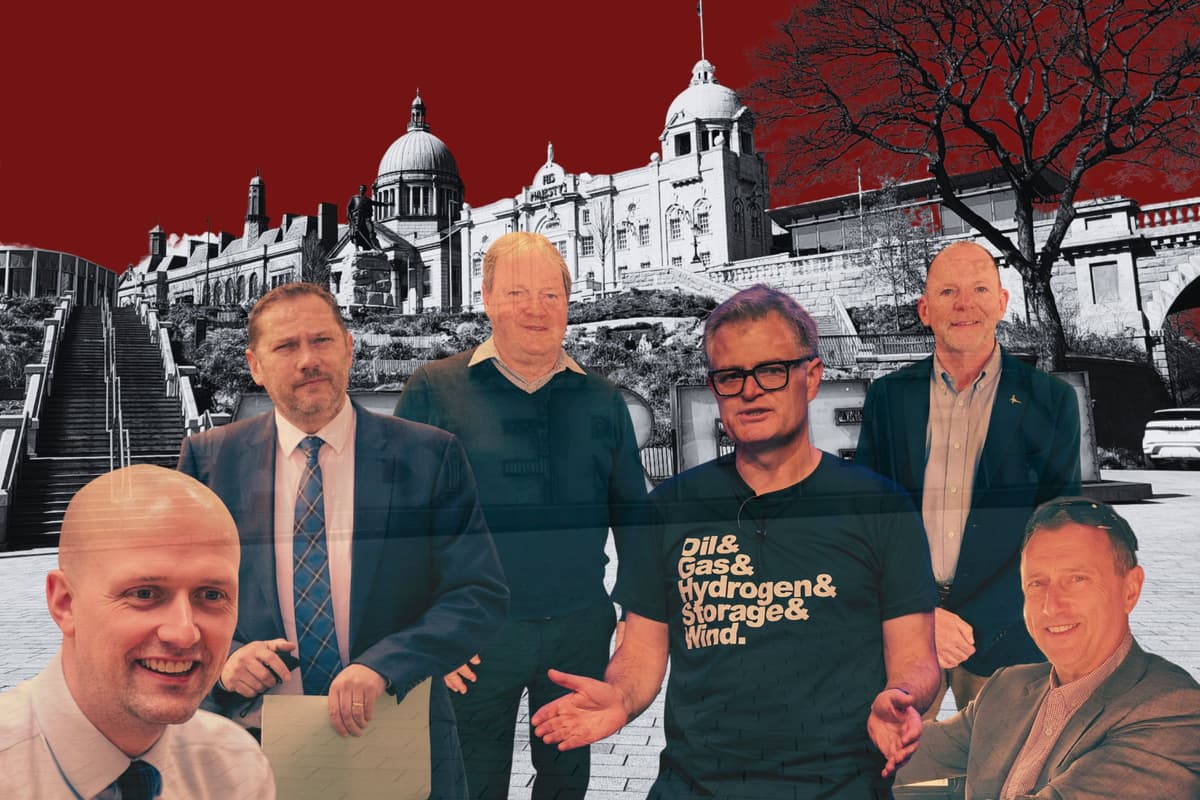
Three Reform candidates have supported independence in the past, and at least one still does. But, according to Scottish Reform leader Malcolm Offord, that “doesn’t matter”. The mood music being created is that nationalists can safely vote for Reform as the party won’t stand in the way of a referendum.
However, the question is what Reform’s staunchly unionist supporters, including recent defectors from the Conservatives, will make of their new party’s approach to what has been a fundamental dividing line in Scottish politics. This highly risky tactic is one possible explanation for Reform’s recent slide in the polls.
In 2015, an effective Conservative campaign poster depicted the then Labour leader Ed Miliband in Alex Salmond’s top pocket. Offord and Farage may soon find themselves in John Swinney’s.