
Remember me
.jpeg?trim=375,0,375,0&crop=&width=640&quality=65&enable=upscale)
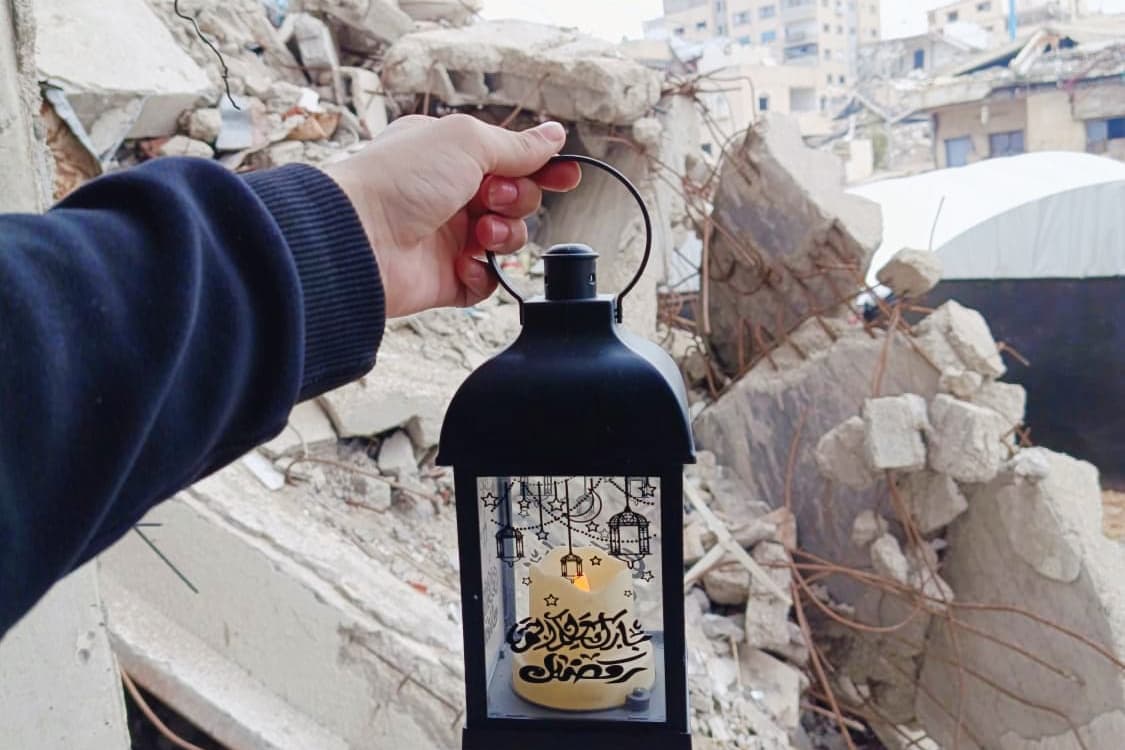
 An image captured by Gazan student Alaa Khalaf, which she submitted to the blog with her poem Infancy Under Fire, which explores feelings of nostalgia about her home which was destroyed as she comes to terms with the struggles of living in a displacement camp. | Alaa Khalaf
When University of Glasgow academic Michael Quinn launched a blog last October aimed at giving a voice to students living in war-hit Gaza, he had no idea of the lengths writers would go to to get themselves heard.
“Some of the stories of what they go through to get in contact with us are incredible,” said Mr Quinn. “There are some who will be walking for an hour or two to get to a point where they can have signal, or even to get to a point where they can charge a phone to then contact us.”
Now, the Voices from Gaza project is being handed over to be curated by two of the students from the Islamic University of Gaza, Genista Azmi and Asala Thaher, with support from Wajd El Khatib, a student based in Glasgow.
The blog, an offshoot of the British Council-funded LINEs for Palestine project and pioneered by Gazan academic Doctor Nazmi Abdel-Salam Al-Masri - professor of languages and curriculum studies at IUG and an honorary fellow in the School of Education at the University of Glasgow - encourages young Palestinian writers to share their work and express their experiences of the conflict.
With email difficult to access, most students are writing on their phones and sending their work to a WhatsApp group set up by Mr Quinn.
More than 30 Palestinian students have so far contributed to the project, which publishes short fiction, poetry, and narrative essays in themed monthly collections exploring themes of loss and conflict.
.jpeg?crop=3:2,smart&trim=&width=640&quality=65) An image captured by Gazan student Alaa Khalaf, which she submitted to the blog with her poem Infancy Under Fire, which explores feelings of nostalgia about her home which was destroyed as she comes to terms with the struggles of living in a displacement camp. | Alaa Khalaf
An image captured by Gazan student Alaa Khalaf, which she submitted to the blog with her poem Infancy Under Fire, which explores feelings of nostalgia about her home which was destroyed as she comes to terms with the struggles of living in a displacement camp. | Alaa KhalafSome of the students submit photographs to accompany their work, including Alaa Khalaf, who sent a picture of a lantern in front of a ruined building with her poem Infancy Under Fire, which explores feelings of nostalgia about her home which was destroyed as she comes to terms with the struggles of living in a displacement camp.
A fragile ceasefire, brokered in October, brought an end to two years of war in Gaza, which saw the territory decimated. Around 90 per cent of people have been forcibly displaced from their homes, often multiple times, and live in tents or makeshift shelters. Charity Médecins Sans Frontières earlier this month warned that living conditions have not significantly improved since the ceasefire, with around two million people believed to be still living in makeshift shelters.
“Nazmi is still in touch with his students, but I’m not sure how they are managing to function as a university,” Mr Quinn said. “We look at the barriers to stop people from going to university here, and then the barriers that they've got and the fact they’re just just pushing through and keeping on doing it is incredible.”
Mr Quinn hopes the blog, which is predominantly read by Palestinians at the moment, will reach a wider audience through its Instagram page to allow others to understand the challenges faced by students in Gaza.
He said: “Our hope is that these voices and narratives reach broader audiences, inspire action, and highlight the power and creativity emerging from Gaza, even in these exceedingly difficult times.
“These poems, stories and narrative accounts offer a means for students in Gaza to express their experiences in their own words. While these works explore themes of fear, hurt and darkness, there is also a powerful unifying message of love, hope and optimism.”
He said the work submitted by the students had been “very personal”.
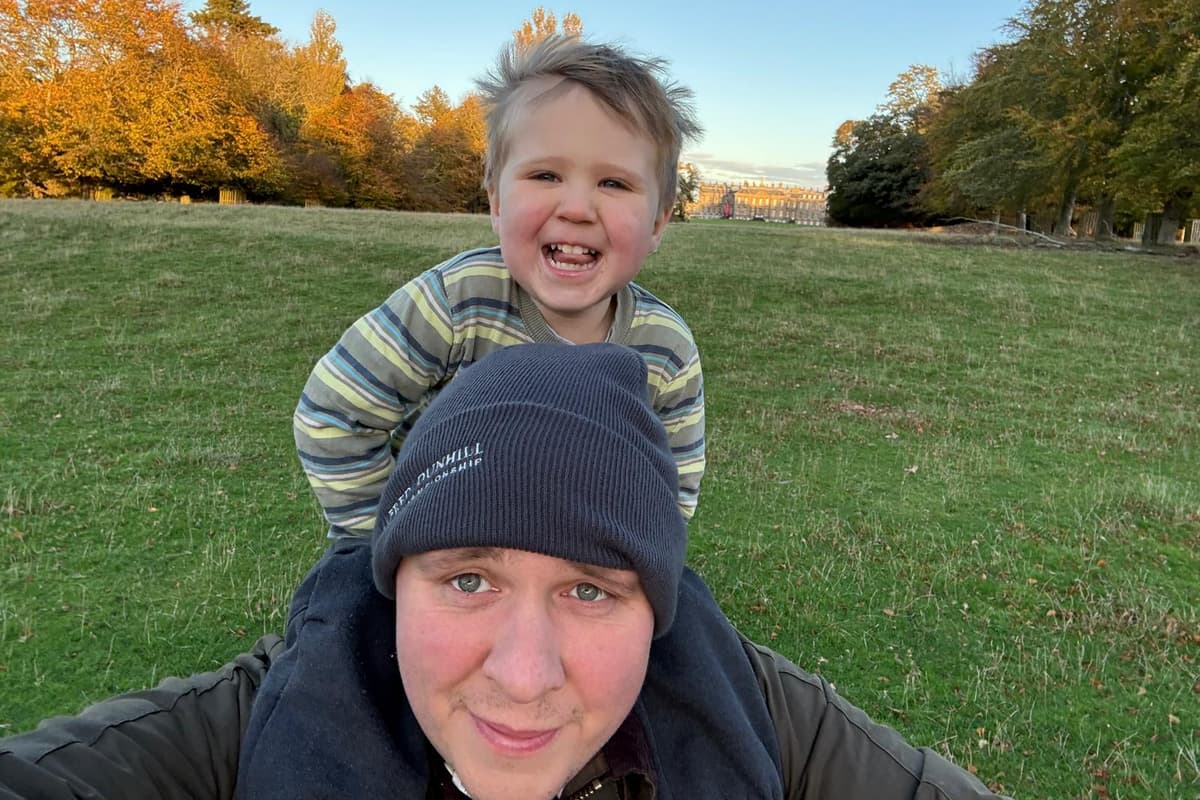
 Michael Quinn from the University of Glasgow. | University of Glasgow
“They spoke about specific people in their lives who they'd lost and about how they lost them,” he said. “It is hard, when parallels to your own life come up, a lot of these students are the same age as my sister.
“It's easy to look at what's happening and think, ‘this doesn’t happen to us’. But no, this could be happening to us easily.”
One of the contributors to the blog said the project was “special to all of us”.
“The result is beautiful, and I am very grateful to be a part of it,” they said.