
Remember me
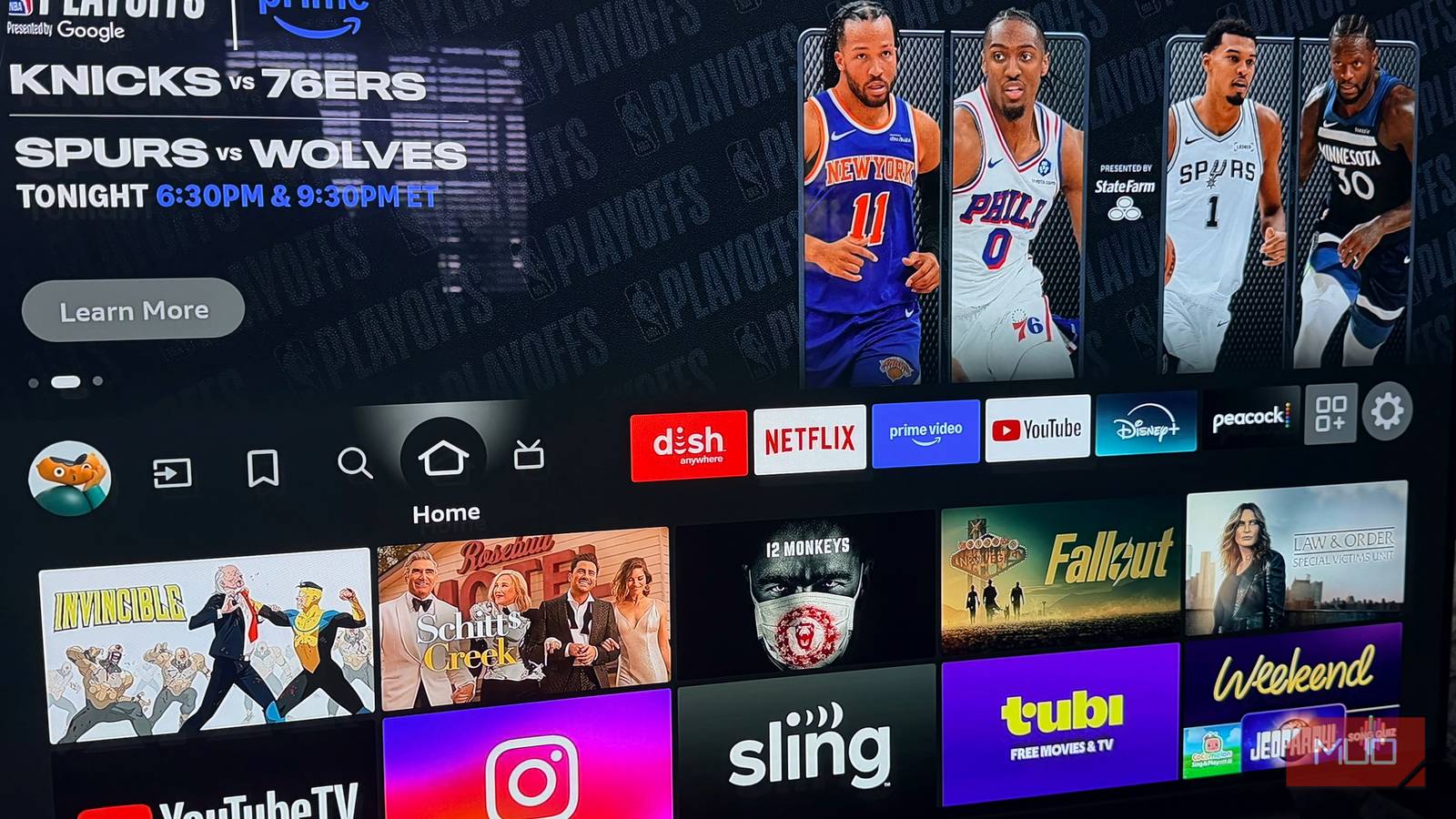
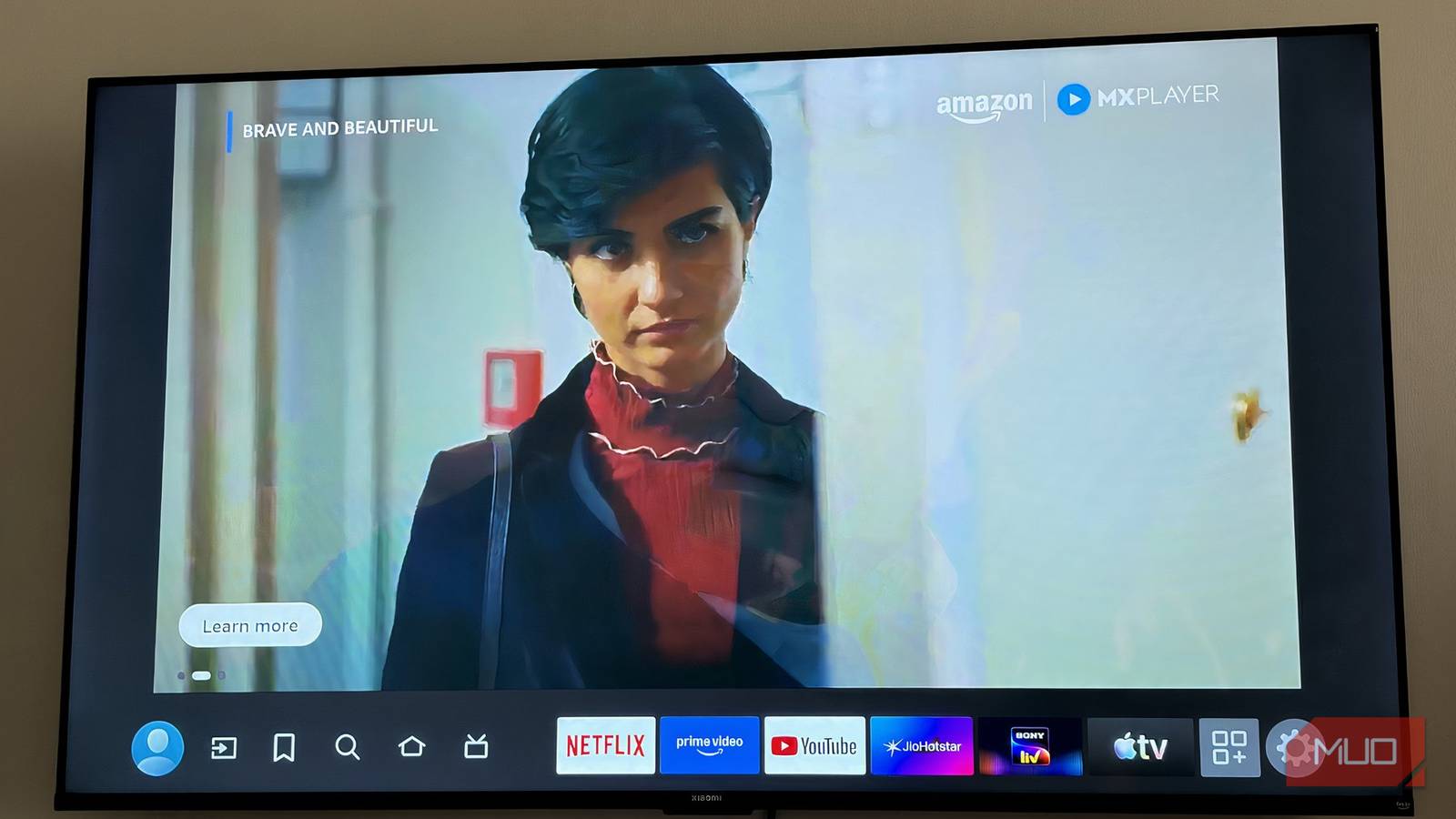
I’ve intentionally kept my Fire TV in the bedroom, while the other Android TVs around the house are mounted in the living room and guest bedrooms. Over time, it became my favorite setup because Fire TV offered the kind of flexibility I actually used every single day. I could connect Bluetooth headphones for late-night watching, sideload apps that weren’t officially available, and even try custom launchers to make the interface feel personal.
That freedom is exactly what made Fire TV stand out for me, which is why Amazon’s new Fire TV operating system feels so disappointing. It closes the loophole that made the platform feel open and customizable in the first place, and honestly, that flexibility was one of the biggest reasons I bought it.
 Related
Fire TV’s new OS feels built for Amazon first, and buyers second
The freedom that made Fire TV fun is slowly being locked away
Related
Fire TV’s new OS feels built for Amazon first, and buyers second
The freedom that made Fire TV fun is slowly being locked away
 Shimul Sood / MakeUseOf
Amazon is taking Fire TV in a very different direction. Instead of building on its familiar Android-based Fire OS, the company is moving to a new in-house platform called VegaOS, which runs Linux. I know, that might not sound like a big deal, but in practice, it changes what the Fire TV experience has always stood for. Until now, the appeal of Fire TV has been very simple — it lets you do more than what is usually allowed. If an app wasn’t available on the store, you could still install it. If you don’t like the default interface, you can swap it out. It felt open, flexible, and, more importantly, personal.
That’s exactly what is starting to go away. On newer Fire TV devices running VegaOS, sideloading apps will no longer be supported. Custom launchers are being shut out, and the system is being designed to actively prevent apps that offer access to unauthorized content. So, the kind of freedom that defined Fire TV is being replaced with a much more controlled environment.
In my own setup, that flexibility has always been the reason Fire TV has worked so well. I’ve relied on apps like Downloader to install apps that simply don’t exist on the official store, whether it’s Kodi, Cinema HD, live TV and sports apps, or even VPN tools. It fills the gaps left by the ecosystem. Right now, all of this still works on my existing Fire TV, but that won't be the case moving forward. New Fire TV models launching in 2026 will run VegaOS, and they won’t support Android APKs at all. It’s a pretty big shift when you think about it.
Amazon is also working more closely with anti-piracy groups to detect and block apps at a deeper level, even if they manage to slip through. That part is understandable to a degree. But removing sideloading altogether feels like an overreaction. It doesn’t just target questionable apps; it also deprives legitimate use cases that many users rely on every day.
 Related
Just Bought a Fire TV Stick? Change These Settings Immediately
Related
Just Bought a Fire TV Stick? Change These Settings Immediately
These tiny tweaks can give your device a nice little performance boost.
Bought too late for the old Fire TV, too early for the new one A slow drift away from what made it worth buying Shimul Sood / MakeUseOf
What makes this harder to accept is just how recent this purchase is. I bought my Fire TV last November, so it hasn’t even been a full year yet. On the surface, nothing has really changed. It still runs the older Android-based Fire OS, and all the flexibility I rely on is still there. But at the same time, there’s this feeling that I’m already on the wrong side of the transition.
Amazon's promise of updates until 2030 sounds reassuring at first. It gives the impression that this TV will stay relevant for years. But the more I think about it, the more that promise feels limited in scope. These updates will likely keep the system stable and secure, but they won’t bring the kind of meaningful changes that shape how TV actually evolves. Those changes are clearly reserved for newer devices running the new platform.
So while my Fire TV will continue to be supported, it won’t really move forward in the same way. It will stay functional, but slightly out of sync with where the Fire TV experience is heading. And once that 2030 timeline ends, so does official support. For a TV, that feels like a relatively short runway. In my experience, TVs tend to last much longer. I’ve been using other smart TVs for five years or more, and with a few tweaks, they still hold up well enough that I don’t feel the need to replace them anytime soon. That disconnect is what stands out. The hardware can easily go the distance, but the software life cycle feels much tighter and more controlled.
What worked great is now just workingThat’s where this whole shift lands for me. I bought my Fire TV for its openness and flexibility, but that identity is now being phased out. It almost feels like I stepped in just before the doors started closing.
Stepping back, this change makes Fire TV feel very different from what it used to be. It’s no longer something you can tweak and shape to fit your habits. Instead, it’s slowly becoming a more fixed, controlled experience where most decisions are already made for you. For someone buying a Fire TV today, this might not stand out as much. It will simply feel like how the platform works. But if you’ve spent time with it in its open form, the difference is hard to get past. The little things that made it feel flexible and personal are being stripped away, one by one.