
Remember me




The moment you pay for a used device, you may be inheriting some real problems. The BIOS is one of the places you want to investigate critically because it's the part that a reseller can't easily clean up. By running these checks, you'll find out what the seller may be hiding, or what they don't already know about the laptop.
Check the Absolute/Computrace status Someone else can still lock or wipe this laptop Pankil Shah / MakeUseOf
On most laptops, the BIOS has a feature called Absolute (sometimes listed as Computrace), under Security or Anti-Theft. You're not just checking whether the feature is present, but whether it has been activated. This feature can exist in three distinct states:
State
What It Means
Buy?
Disabled
Permanently deactivated by a previous owner
Yes
Enabled / Not Activated
The firmware hook exists, but no server has claimed the device
Yes
Activated
A corporate server holds an active lease on this machine
No
When Absolute/Computrace is activated, that device can be wiped or locked at will from a remote server. Even if you reinstall the OS, you wouldn't be able to change this control. It lives in the UEFI firmware and outlives SSD swaps and certain hardware-level repairs. You must walk away if the laptop seller can't deactivate it on the spot.
 Related
7 Tests to Run Before Buying a Used Windows PC or Laptop
Related
7 Tests to Run Before Buying a Used Windows PC or Laptop
Think you've got a bargain? Make sure you're not getting ripped off by getting these tests done before you buy.
Test the BIOS supervisor lock — don't just look for it If you can't change a setting, you don't own the laptop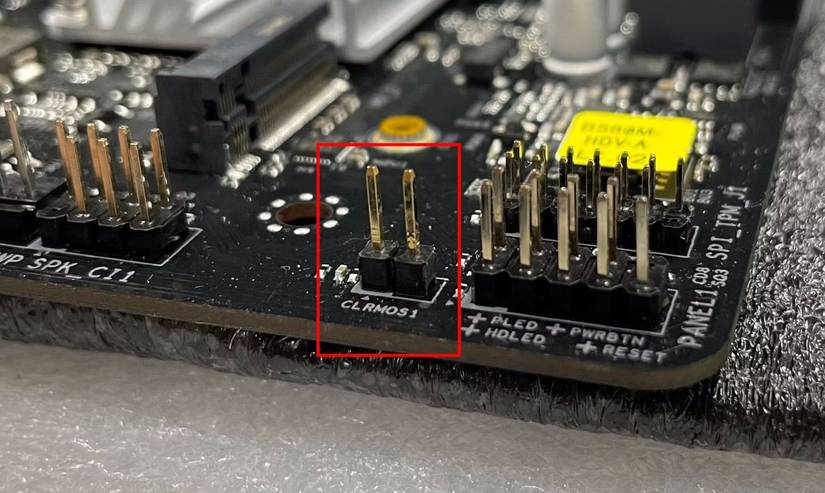 Credit: ASRock
The goal isn't to find a lock label but to test it. You can change the boot order or toggle any of the security settings. If, after doing so, a password is required, make sure the seller can clear it before proceeding with the purchase. When the BIOS remains locked, it will be difficult to perform a clean OS install or apply firmware updates.
Enterprise machines typically store the supervisor lock in the embedded controller chip rather than the CMOS, which means that even battery pulls and hard resets can't clear it. And even though a CMOS reset would work on certain consumer-grade machines, don't simply assume it.
A locked BIOS puts a fixed limit on anything that machine can do under your ownership.
Verify Intel AMT / vPro provisioning state Remote access that operates below your operating system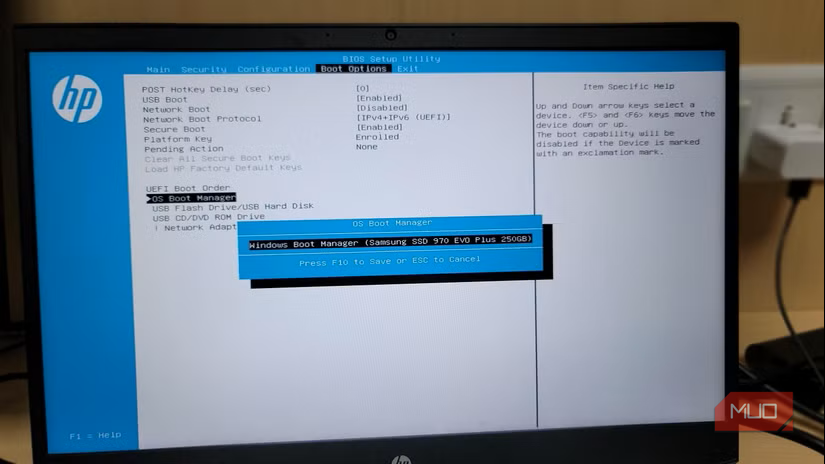 Afam Onyimadu / MUO
This point is often missed by buyers. Intel AMT is part of the vPro platform. This hardware management layer doesn't operate within the limits of the firewall or security software you install. You can find it in the MEBx menu under Advanced -> Network. It may exist as Unprovisioned or Provisioned.
If it's provisioned, as long as the computer is connected to power and a network, a remote admin can turn the machine off or on, and may even access its screen and redirect storage. This access is active, and the OS has no visibility into it.
This check matters most on laptops that come from a corporate environment; consumer models typically don't carry vPro.
Inspect Secure Boot key ownership The problem that only shows itself when something breaks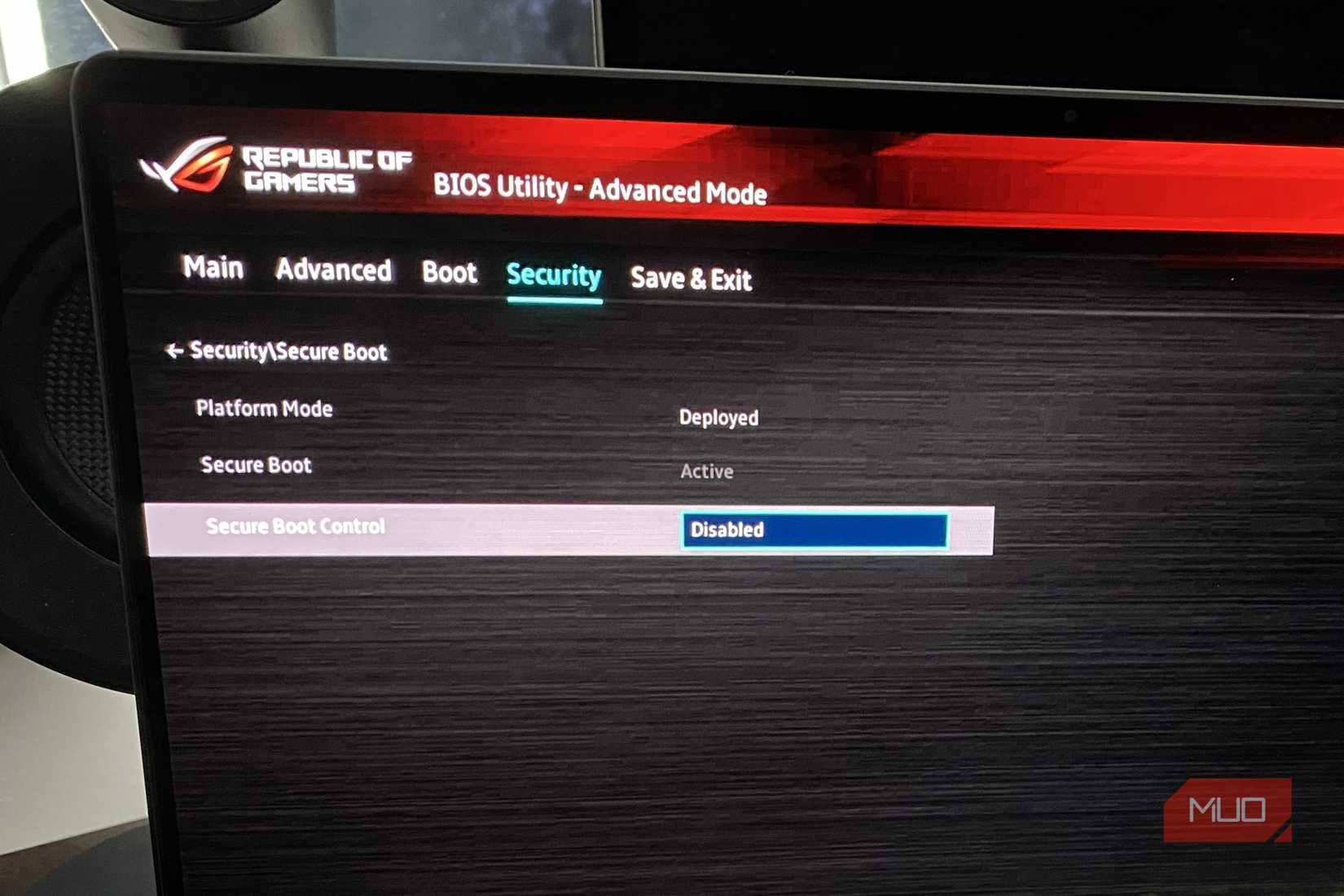 Dave Meikleham \ MakeUseOf
It's not a problem if Secure Boot is enabled, but you should be concerned about who enrolled the keys. If you are buying a used standard consumer machine, you'd be able to toggle Secure Boot on or off without restriction because Microsoft's keys are loaded by default.
However, it's a different case on a corporate-configured machine, where enterprise certificates take the place of Microsoft's keys, with the system locked in Deployed Mode. You will need the supervisor password to enter the setup to re-enroll or reset keys.
If you buy a laptop that has this restriction, dual-boot setups will not work, and it will not be possible to install Linux. The worst part is that you will not get any clear errors when the installation fails. For some people, this will not be a deal-breaker, but you still will not be using the machine freely.
Confirm TPM 2.0 status and ownership state This determines how long the laptop actually stays viable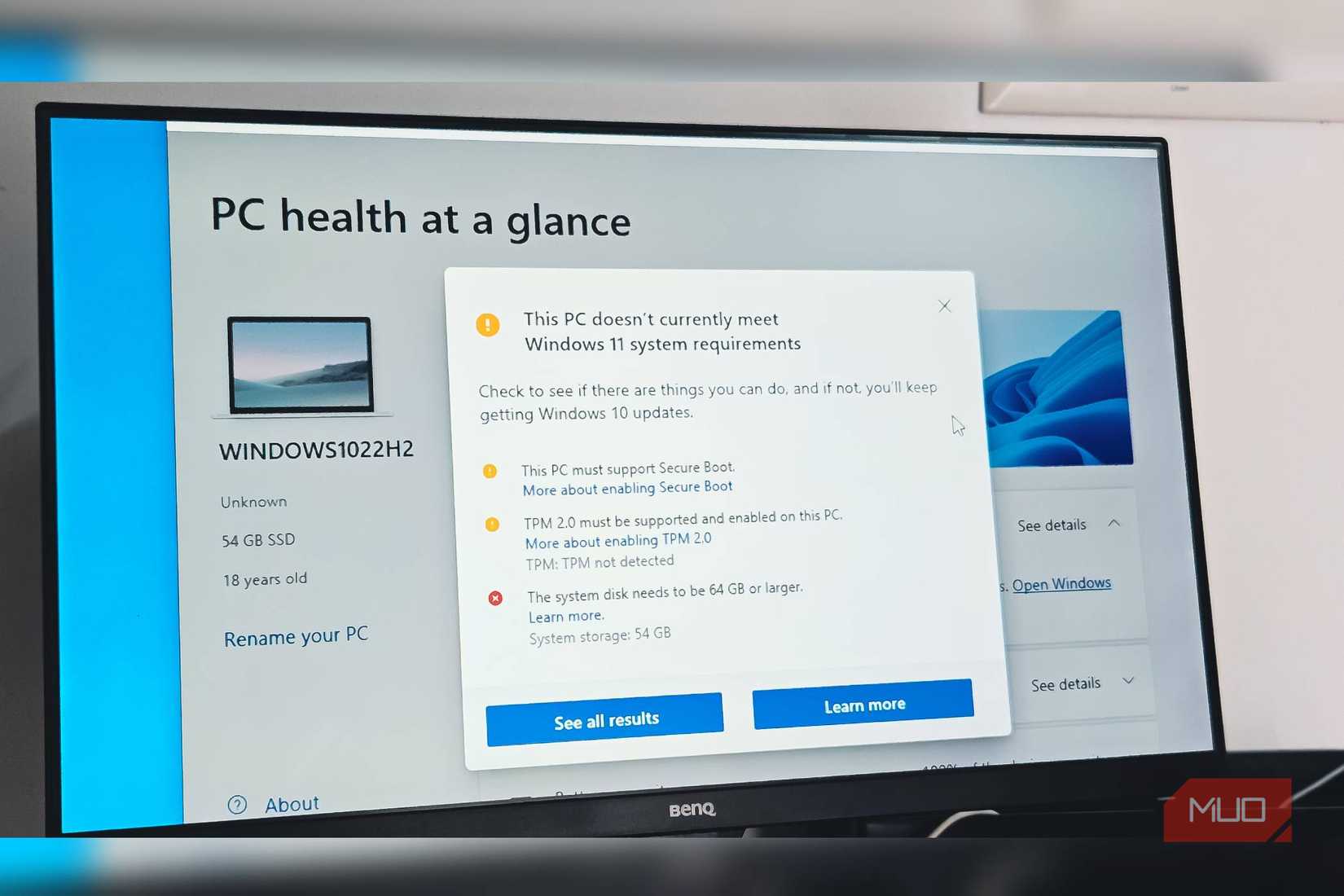 Tashreef Shareef / MakeUseOf
With Windows 10 reaching its end of life, you may already run into some friction if the computer can't easily run Windows 11. The availability of TPM 2.0 is a necessary hardware eligibility requirement for Windows 11. However, it's not enough to see this feature listed in your BIOS. You need it to be present, enabled, and showing as Ready or Available.
If you are about to purchase a 7th or 8th-generation Intel machine, be careful because certain enterprise-grade versions shipped with TPM permanently disabled at the hardware level, and no BIOS switch can fix this.
It's also important to check the Owned by Organization state. It indicates whether BitLocker encryption keys are held by domains you don't control or cannot access. This may limit how much access you have to the drive.
Check storage Power-On Hours and run the self-test The number a seller cannot reset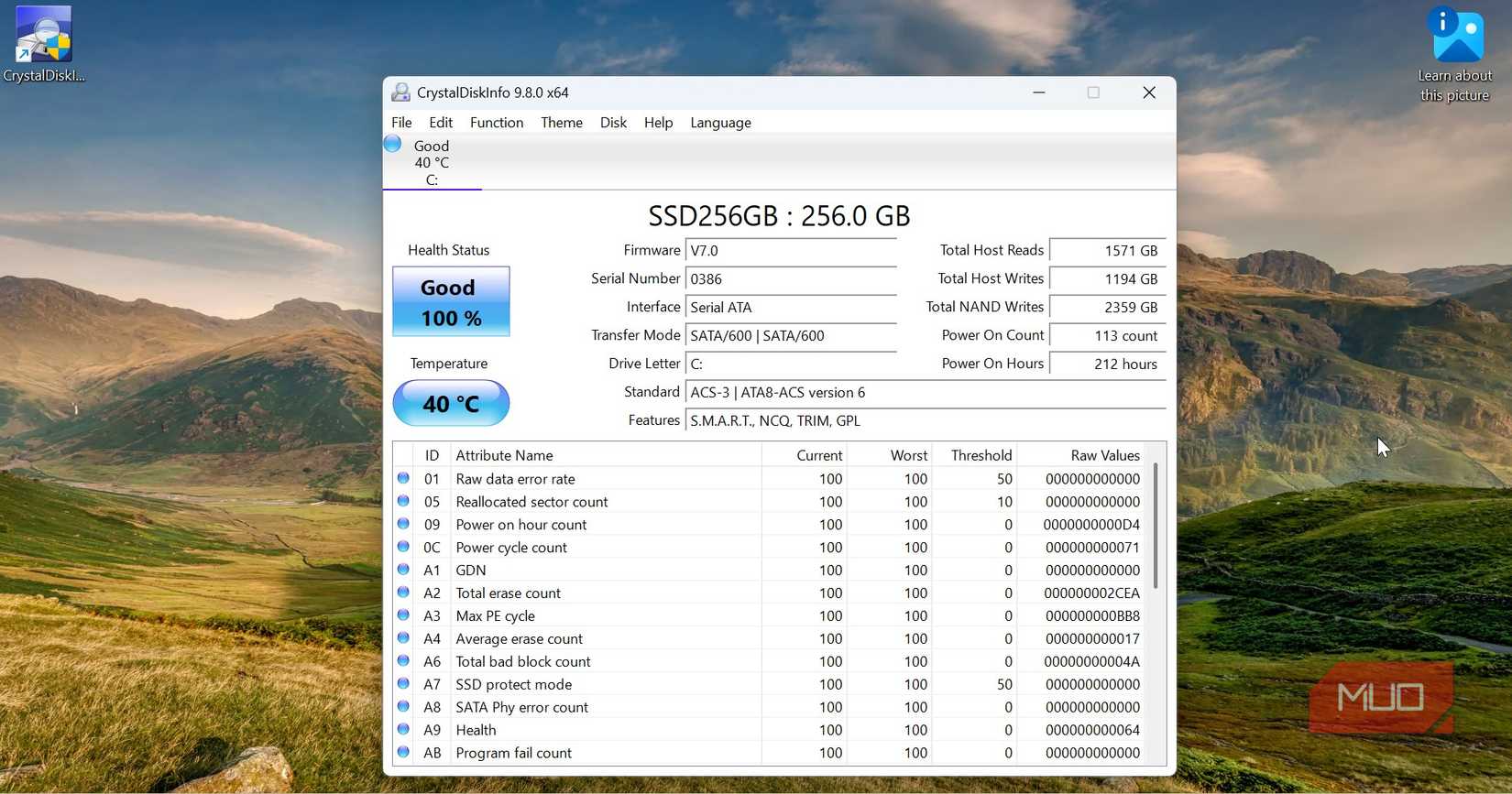 Afam Onyimadu / MUO
This test reads an odometer that shows how much the drive has actually been powered on. This counter isn't reset when the computer is reset or when the OS is reinstalled (clean install). You can run the test from BIOS diagnostics, looking for Power-On Hours.
You may also use CrystalDiskInfo from a USB drive if your BIOS doesn't surface this detail. Once you have the data, the table below shows how to interpret it:
Power-On Hours
Real-World Equivalent
Under 2,000
Roughly under a year of typical daily use
2,000 – ~10,000
One to three years of regular eight-hour daily use
10,000 – 15,000
Three to five years of full-time daily use
15,000 – 20,000+
Five or more years of continuous heavy use
Cross-check battery wear against cycle count Both numbers together tell you what you're actually buying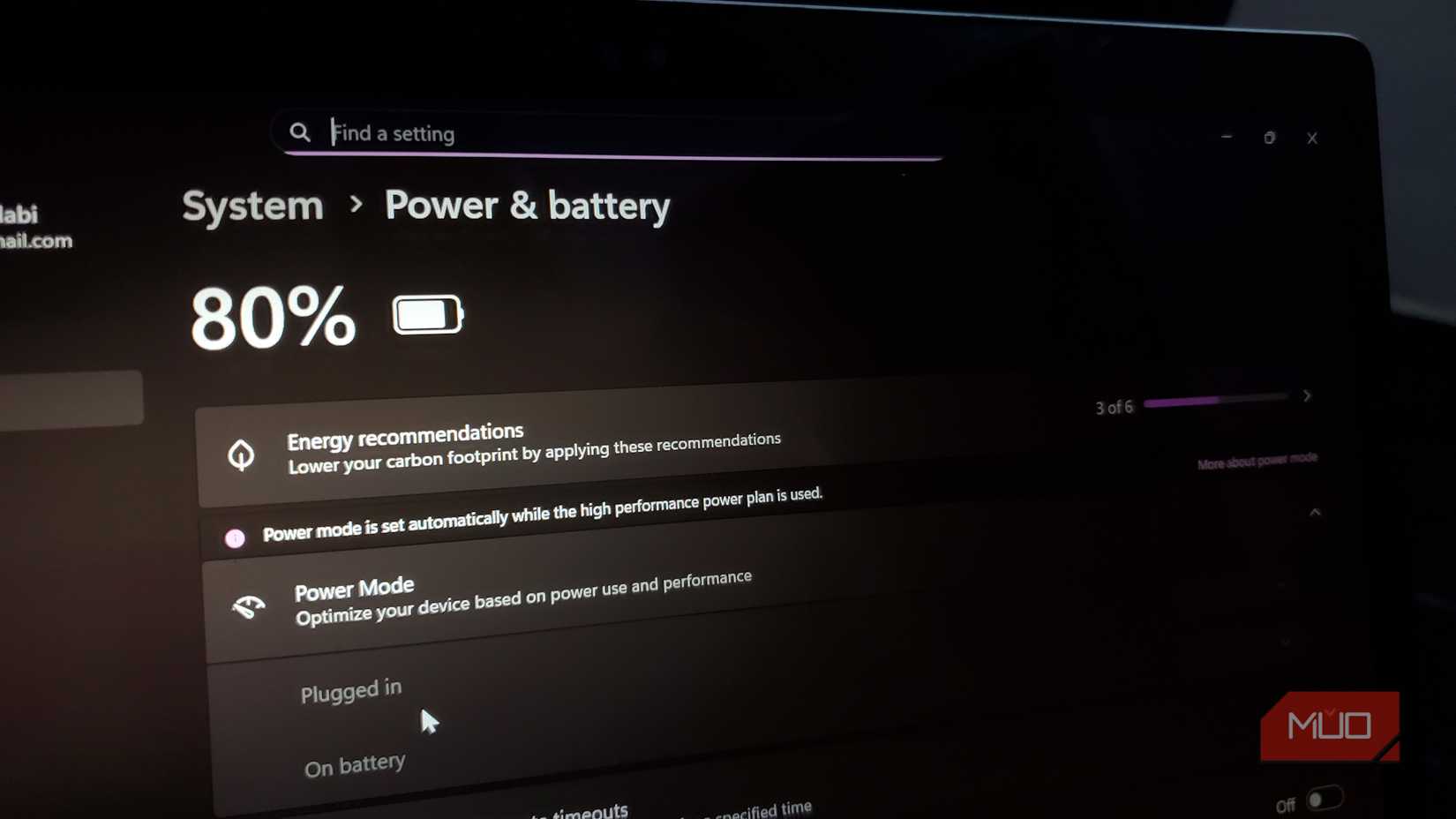 Oluwademilade Afolabi / MakeUseOf
You can view cycle count in the BIOS under Power or Battery. Here's how to interpret this combination:
Wear level
Cycle count
What it indicates
High wear
Low cycles
Likely abuse (deep discharges or poor charging habits)
Moderate wear
High cycles
Normal aging (cells degraded evenly through regular use)
High wear
High cycles
Near end of life (factor in replacement before buying)
This number, however, is not an absolute reading but rather a strong signal, as a third-party replacement battery can show inaccurate wear figures. This check is more of a negotiating lever than an absolute reason to walk away.
Quick BIOS reference before you buyThe table below summarizes the actions I recommend based on each check.
Check
Where to find it
Red flag
Action
Absolute/Computrace
Security / Anti-Theft
Activated
Walk away (no exceptions)
Supervisor lock
Attempt any setting change
Password prompt, seller can't clear
Walk away (no reliable fix on enterprise models)
Intel AMT
Advanced / MEBx
Provisioned
Walk away unless seller can unprovision on the spot
Secure Boot keys
Security / Key Management
Deployed Mode, no supervisor access
Avoid if you plan to dual-boot or use Linux
TPM 2.0
Security / TPM
Absent, disabled, or Owned by Org
Walk away if absent; negotiate hard if Owned
Storage hours
Diagnostics / BIOS or CrystalDiskInfo USB
Fail result or 10,000+ hours
Fail = walk away; high hours = negotiate price down
Battery wear + cycles
Power / Battery
High wear with low cycles
Reprice (get replacement cost for that specific model first)
A good price tag doesn’t always mean you got a good deal. If you’re locked out of important parts of the laptop, you may end up getting only part of the value you paid for. These BIOS checks should be your starting point before making a final decision.