
Remember me








Estonia has started constructing concrete bunkers along its border with Russia as nations on NATO's eastern flank rushes to build up land defenses.
Why It MattersThe Baltic states of Estonia, Latvia and Lithuania signed an agreement in January 2024 to beef up protection along their land borders with Russia and Moscow's key ally, Belarus.
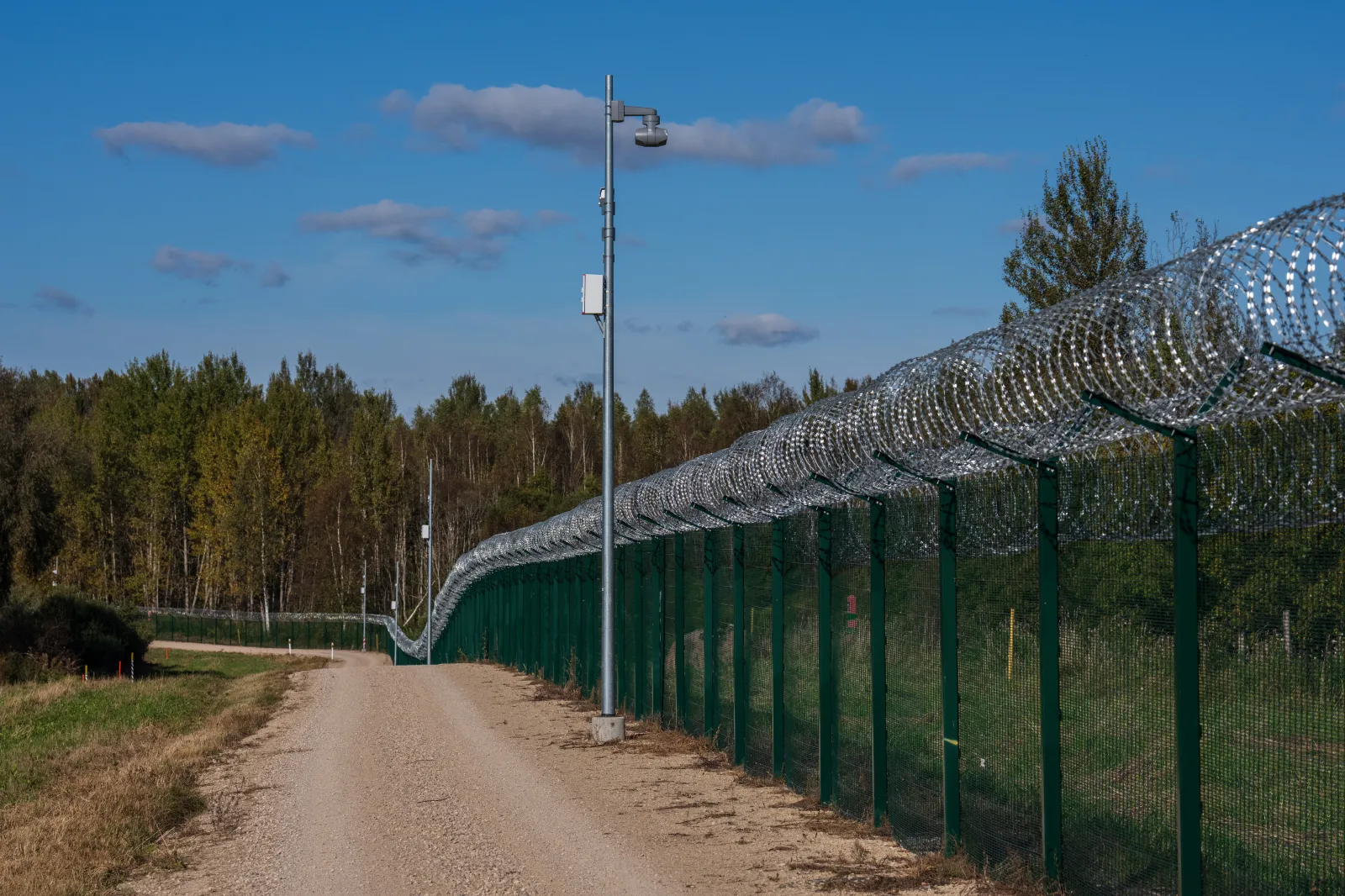
Estonia said at the time there would be a "network of bunkers, support points and distribution lines" along the border as part of what became known as the Baltic Defense Line. Poland has also launched its own initiatives to shore up defenses on the edge of its territory.
Intelligence assessments from NATO nations differ, but several have warned Russia could be able to launch an armed attack on an alliance member in the next few years.
Some officials have suggested Moscow may try to take territory from a Baltic state in a small-scale land grab just over the border. The countries forming NATO's eastern flank have stormed ahead of other nations in the alliance in raising defense spending.
 What To Know
Estonia hopes to install 28 bunkers on the border by the end of 2025, Krismar Rosin, an official with the Estonian Centre for Defence Investment—the main procurement agency for the country's defense ministry—told the Defense News outlet in an article published on Friday. The first bunkers will sit on Estonia's southeastern border.
Estonia's ERR public broadcaster reported earlier this month the bunker installation had been delayed by almost a year and would be completed by the end of 2027. The country's government plans to lay down roughly 600 bunkers mainly designed to protect soldiers from artillery rounds.
It is "extremely important to carefully choose the locations of both the bunkers and the trenches," Kadi-Kai Kollo, an official also with the Centre for Defence Investment, told the broadcaster.
Sections of the Baltic Defense Line are funded individually by each country, and will include different types of defenses like "dragon's teeth" anti-tank fortifications. Dragon's teeth are concrete blocks used to halt tank advances and prevent mechanized infantry from gaining territory. This type of anti-tank fortification has littered Ukraine.
Latvia has said it started reinforcing its eastern border in March 2024 and will spend a total of €303 million ($355.7 million) over five years. Lithuania's Defense Ministry said in August it would build multi-stage defenses up to 50 kilometers, around 30 miles, from the border line, using easily demolished bridges, trenches and ditches.
The leaders of the three Baltic countries are weighing up dismantling railways linking the nations to Russia and Belarus, the regional Delfi outlet reported earlier in December.
What People Are Saying"We have seen different estimates how quickly Russia can rebuild its military, we need to use this time wisely—the time to make all the necessary preparations is now," the Estonian Centre for Defence Investment has said.
"We are undertaking this effort so that the people of Estonia can feel safe, but if the slightest risk emerged, we would be ready for various developments more promptly," Estonia's Defense Minister, Hanno Pevkur, said in January 2024 when the Baltic Defense Line was announced.