
Remember me








Your gut does a lot more than digest lunch—it helps regulate immunity, mood, energy, and even inflammation throughout the body. Protecting it doesn’t have to start with expensive supplements or a full diet overhaul.
Instead, a few everyday, natural habits can make a real difference in keeping your microbiome balanced and your digestive system resilient, according to gastroenterologist Dr. Leybelis Padilla.
The American Gastroenterological Association (AGA) states that 60–70 million Americans suffer from gastrointestinal (GI) conditions that can create major disruptions to daily life, and many are suffering in silence.
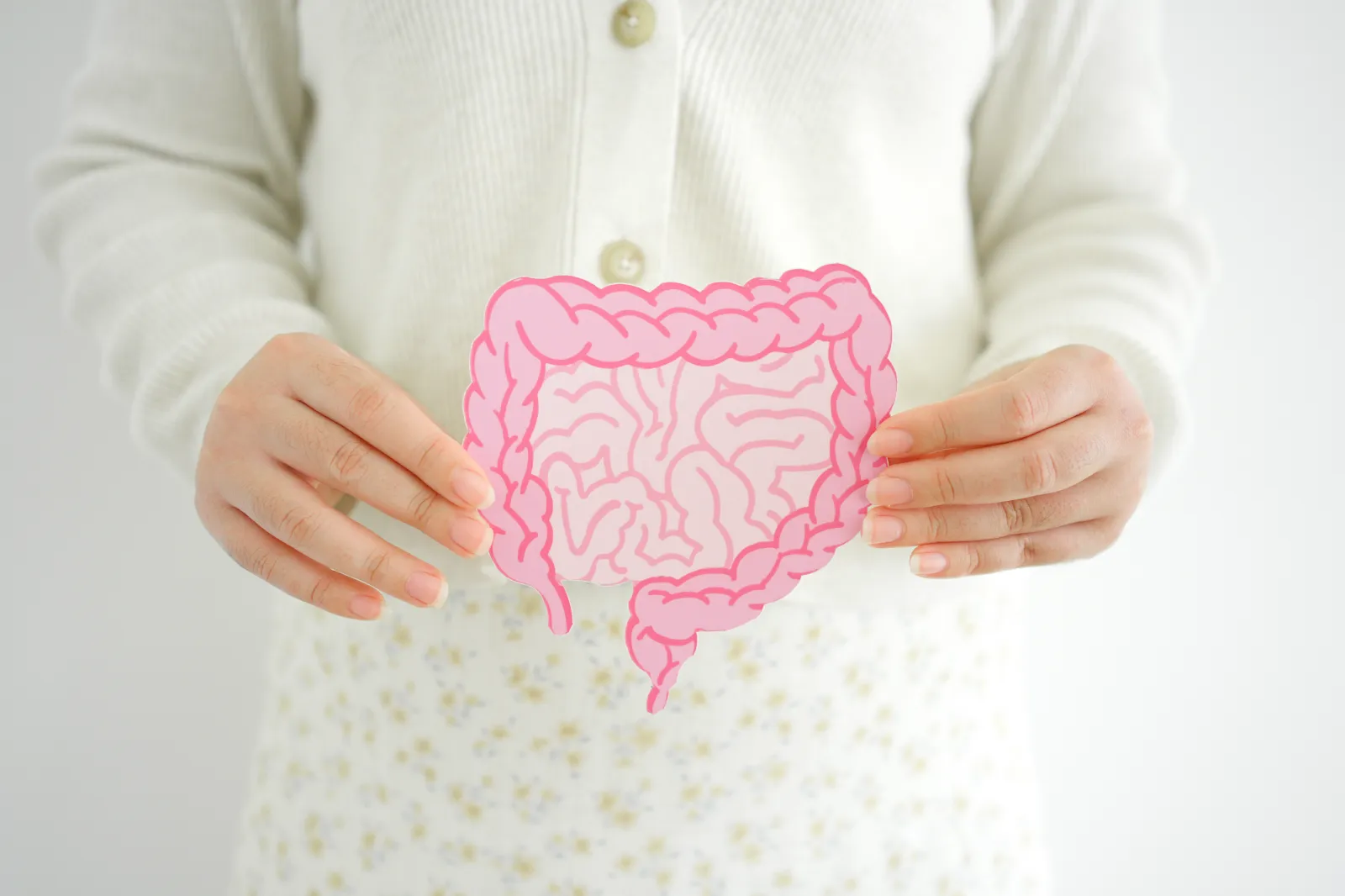
While gut health centers on the intestines in the abdomen, she says keeping it healthy requires a whole-person approach focusing on the mind, body, and soul.
Padilla, the founder of Unlocking GI in San Diego, California, has shared three natural ways to protect your gut.
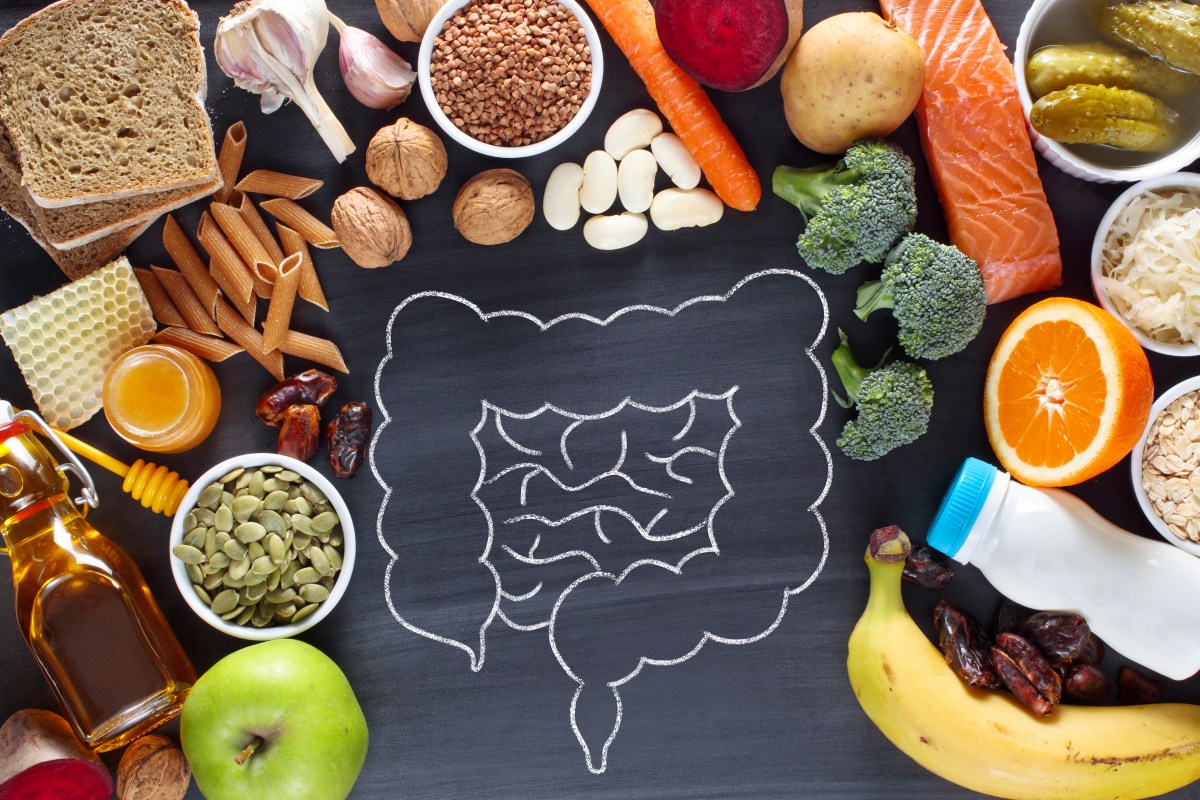
Fiber“Most people are fiber starved,” explained Padilla, who recommends aiming for at least 25 grams daily or consuming at least five different plants per day.
Research has previously revealed that eating a diet rich in fiber from beans, legumes, vegetables, fruit, whole grains, nuts, and seeds could promote the growth of beneficial microbes in the gut and help the body fight potentially dangerous infections.
Padilla told Newsweek: “Fiber-containing foods is the key to nourishing your digestive tract with foods that contain not only fiber to help the colon produce protective short chain fatty acids (SCFAs) but also contains other micronutrients such as anti-inflammatory compounds.”
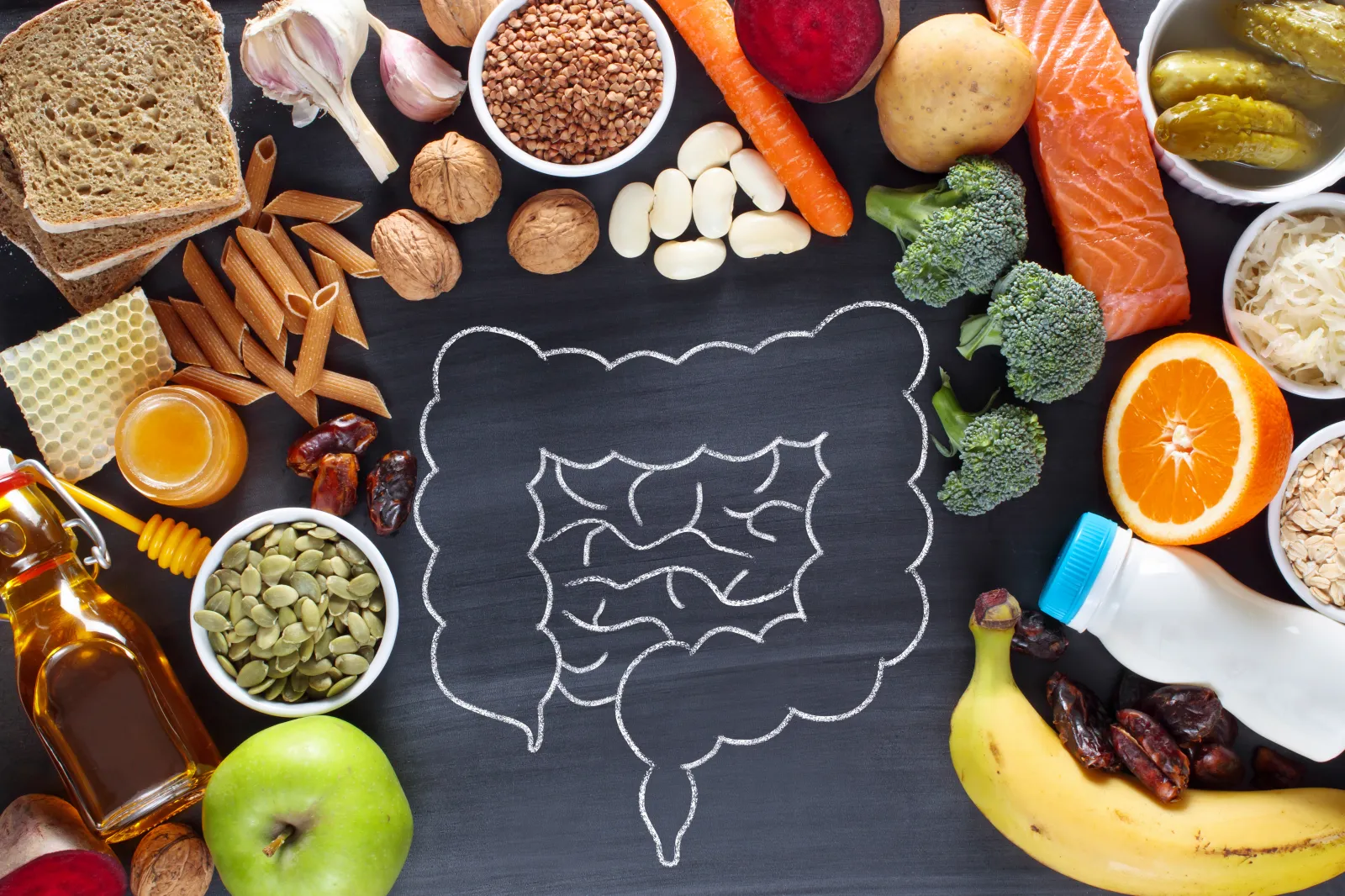
Yet nearly one in five Americans don’t realize grain-based foods are intended to be part of a daily diet. In a Talker Research survey of 2,000 adults for the Grain Foods Foundation, 69 percent said they understand that a balanced diet should include key nutrients like carbohydrates, fiber, protein, and fats. Still, many reported cutting back on or eliminating carbs (29 percent)—even while saying they’re trying to boost their fiber intake (25 percent).
“These days, achieving optimal health can seem daunting with but fiber really is the secret sauce to digestive health," she said. "We just need to remind people that simple, daily habits that are fiber focused can really make a difference."
The American Psychological Association’s “Stress in America” survey found that most Americans feel more stressed than they were five years ago, and roughly 75 percent say that stress is showing up in physical or emotional symptoms.
Studies have found stress can disrupt the normal communication between the brain and gut, which may cause many digestive problems like inflammatory bowel disease (IBD), inflammatory bowel syndrome (IBS), ulcers, food-related reactions, and acid reflux (GERD).
Padilla said: “Managing stress with tools such as meditation or breathing exercises can really tap into the concept of the body’s sympathetic ('fight or flight') and parasympathetic ('rest and digest') branches of the autonomic nervous system.”

Research suggests gut bacteria can affect the brain and overall health, and long-term meditation may help balance these bacteria, potentially improving physical and mental wellbeing.
“Meditation is a practice that has been found to have many beneficial effects on digestive health including activating the parasympathetic system so stress signals are dampened therefore, decreasing gastrointestinal symptoms of leaky gut or irritable bowel syndrome (IBS) to name a few,” Padilla said.
Another way to manage stress is the practice of intentionally changing your breathing pattern through various exercises to influence your physical, mental, and emotional state, known as breathwork.
Padilla recommends trying a simple breathing pattern—inhale for six seconds, exhale for six seconds—which can improve heart rate variability (HRV), a measure of how flexibly the body responds to stress. By slowing and regularizing breathing, a person can shift an irregular, stress-driven heart rhythm into a more balanced state, which may also support gut resilience.
Newsweek previously shared that exercise supports both mental and physical health, including the gut, while a sedentary lifestyle can contribute to problems such as constipation, hemorrhoids, and excess weight gain.
Padilla said: “We don’t always think of the liver as part of the gut, but the liver is an integral part of the digestive system.”
She emphasizes the importance of protecting the liver by limiting alcohol intake and doing moderate-intensity exercise. An unhealthy diet and sedentary lifestyle can also lead to metabolic dysfunction–associated steatotic liver disease. MASLD (formerly NAFLD) is excess fat in the liver not caused by alcohol; it’s considered fatty liver when fat makes up over 5–10 percent of the organ.

The American Liver Association states about 100 million Americans have it. Those diagnosed should stick to follow-up care and may benefit from a dietitian and safe, doctor-approved exercise.
“The diagnosis of fatty liver is continuing to increase, and it is estimated that it will likely become the number one reason for liver transplantations in the United States after alcohol in the coming years so protecting the liver from the silent diagnosis of fatty liver is incredibly important,” Padilla said.
She explained that exercise isn’t just good for the heart; it also benefits:
The digestive systemImproves digestion and gut movement (motility)Reduces inflammationSupports healthier changes in the gut microbiome, including better balance and diversityAlongside the physical improvements, exercise also indirectly affects the gut-brain axis, by reducing stress and improving mood. So, while there isn't one “magic” fix. Small, steady choices work together to keep the microbiome supported and the digestive system stronger over time.
References
Konturek, Peter C., et al. “Stress and the Gut: Pathophysiology, Clinical Consequences, Diagnostic Approach and Treatment Options.” Journal of Physiology and Pharmacology: An Official Journal of the Polish Physiological Society, vol. 62, no. 6, Dec. 2011, pp. 591–99. PubMed.
Sun, Y., Ju, P., Xue, T., Ali, U., Cui, D., & Chen, J. (2023). Alteration of faecal microbiota balance related to long-term deep meditation. General Psychiatry, 36(1). https://doi.org/10.1136/gpsych-2022-100893