
Remember me


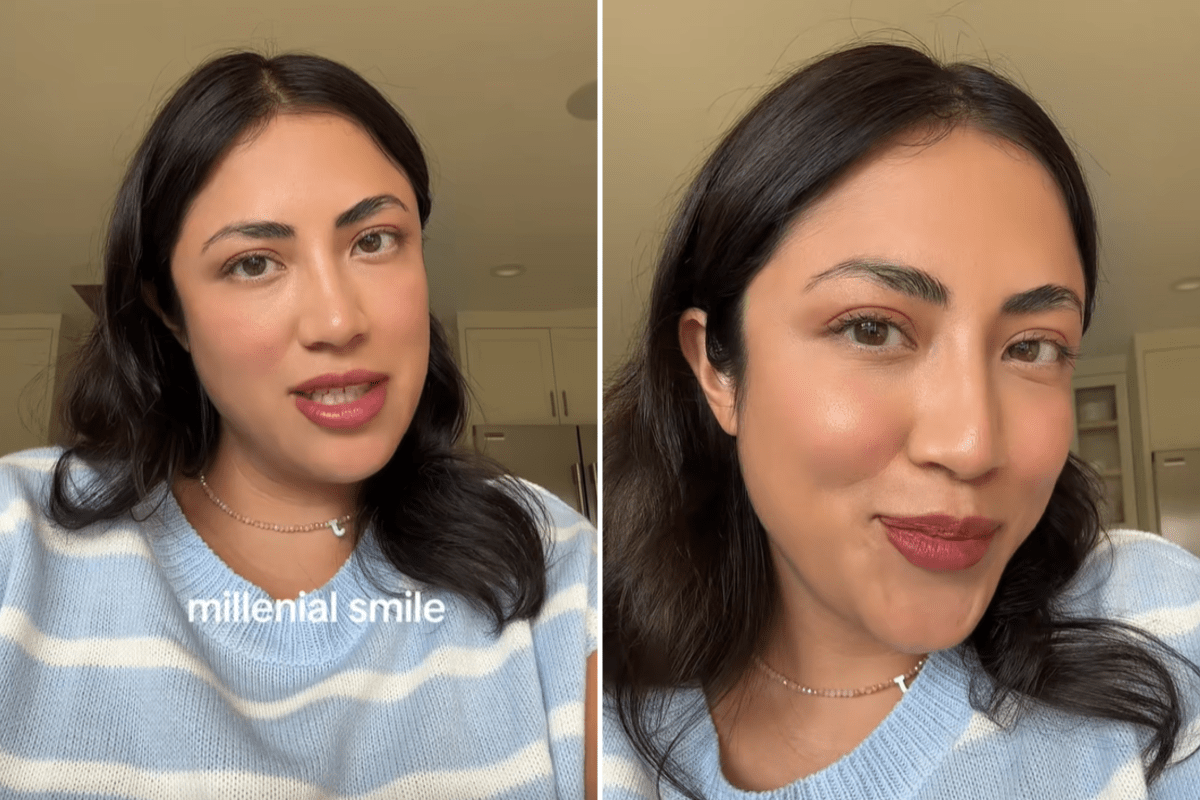



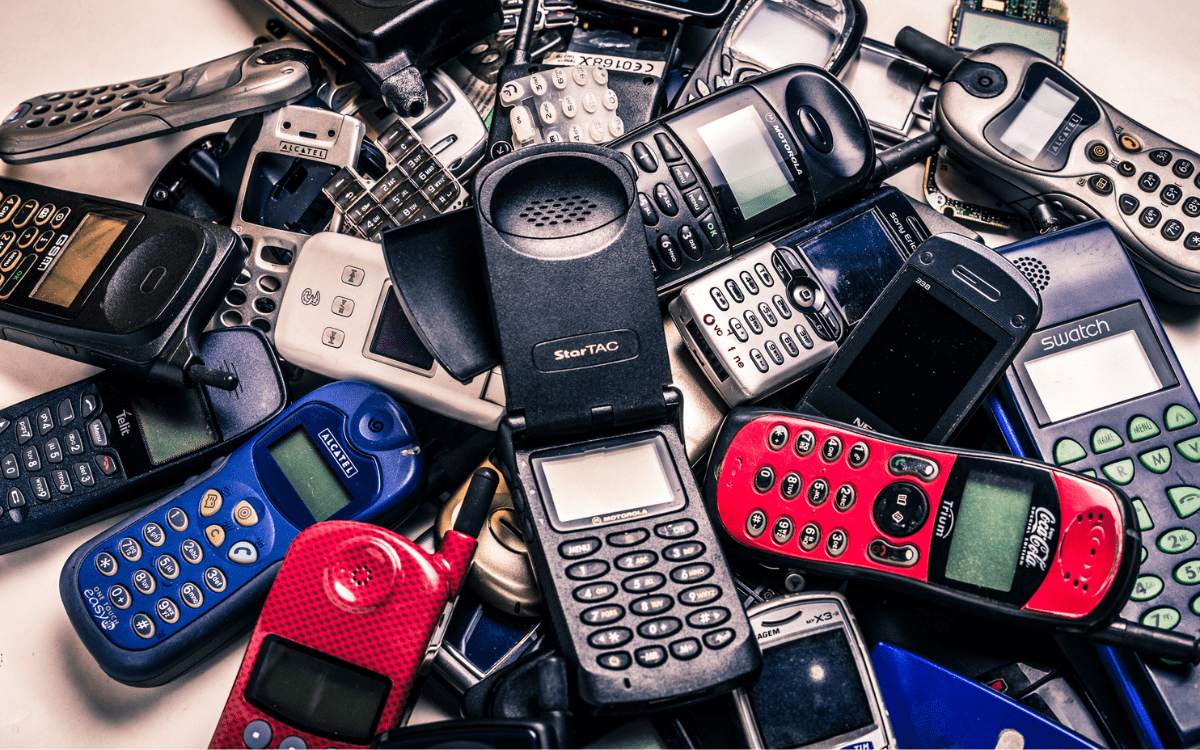



On January 1, 2026, one woman will ditch her smartphone, deactivate all of her social media, cancel any streaming services and return to a simpler time—she’s not alone either.
Ava is based in the U.K.. She has chosen not to share any further personal information with Newsweek, but she has opened up about her plans to switch back to DVDs, CDs and so-called “dumbphones” from the start of next year.
It’s part of an effort to reduce what she describes as the “overconsumption of media” in society today. Ava told Newsweek: “The plan is basically to encourage people to replace modern apps with older tech step-by-step: things like using flip phones, DVDs, MP3 players, disposable cameras, old computers, and all the offline activities we used to rely on.”
The irony thus far is that getting the word out about turning away from modern technology and social media has involved utilizing both those platforms. Ava created the TikTok account @vioiliet_ to “spread the message.” It’s achieved its purpose with several of her videos racking up hundreds of thousands of views. “I seriously didn't expect anyone to be interested in my idea but it seems people are suffering from social media burn out already,” she said.
Each video adopts a similar format, with Ava presenting a slide show of forgotten technology such as DVD players, video cameras and flip phones, while the onscreen text offers messages like: “we’re switching back to older technology for a better life.” The clips encourage viewers to “spread the word across social media and help this movement grow.” Ava says she has gotten a huge amount of responses from people eager to join her in making the switch.
“I'd say around 200,000 or more so far,” she said. “I've been seeing videos and subtle posters being spread around places [clips have popped up on other platforms like Reddit] and I genuinely can't wait for this movement to grow even further.”
Ava isn’t opposed to the use of technology, she just believes it’s currently “being used for more bad than good.” One example she cites is the negative impact social media has had on people socializing. “People are too focused on what other people across the world are saying,” she said. “They don’t make time to hang out with their friends because they can't wait to start scrolling again.” Social connection offers a raft of health benefits with the CDC noting it as an effective means of managing stress, anxiety and depression while also encouraging physical activity and improving sleep.
Ava’s concern is that our involvement with smartphones and the many apps available has reduced our levels of social connection. Social media itself is also a concern and primary reason why she is leading the movement. “Social media constantly exposes people to things that drain them. Without that constant pressure people could actually relax and find happiness again,” she said. Smartphones are more often than not the gateway to these platforms. By removing that access, Ava believes users will also avoid much of the “misinformation and panic” she has encountered on social media.
Reduced smartphone use would certainly have its benefits. In 2023, a study published in the journal Springer found excessive smartphone use was associated with depression, anxiety, stress and reduced sleep quality. A 2025 research paper published in the journal Health Promotion International highlight the concern that a “constellation of synergistic actions” would be required to halt the spread of falsehoods on social media.
These include stemming the ability of non-experts to rapidly post information, addressing the influence of bots in amplifying it, and encouraging greater commitment for action among social media companies themselves in tackling the issue. Given the likely difficulties, a far simpler solution could be to switch off entirely. Ava believes doing so would encourage greater “individuality.”
“Right now, people are scared to dress how they want because they can instantly see thousands of negative opinions from strangers across the world,” she said. “Without apps pushing those opinions at you, you naturally focus more on what you like and what the people around you think.”
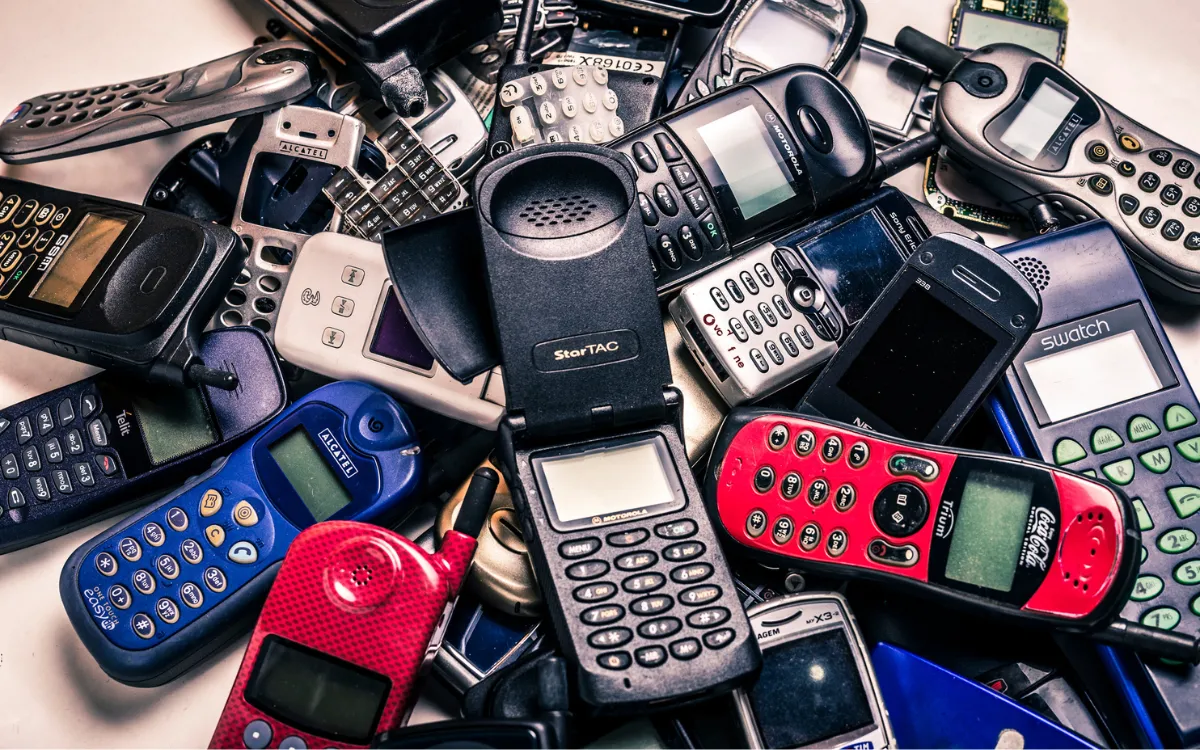
She also believes no more streaming or social media will encourage greater creativity. In 2010, a study in the American Journal of Preventive Medicine noted sedentary leisure time was linked to poorer mental health. Ditching smartphones and streaming services with endless options would change that. “Instead of defaulting to scrolling, people might go and decorate their rooms, make art, start hobbies, hang out with friends and basically rediscover real life,” Ava said.
It’s a compelling argument, but while some might question how easy it might be to switch back to old tech, Ava believes the steps are simple and begin with the purchase of a non-smartphone. The biggest challenge to many will be sticking with it. “For about a week, it'll be a little difficult to do for sure,” she said. “Media won't be completely gone, it'll just help people evolve and reduce the overconsumption that isn't needed.”
With less than a month to go, Ava is gearing up for the challenge ahead. The question is, will you?